
Late 2026 VR & XR Glasses Market Report: Smart Eyewear Surges Past 84% of Shipments as Headsets Pivot to Ultralight Micro-OLED
Global XR shipment data in late 2026 shows a historic shift: lightweight AI and AR/XR smart glasses now capture roughly 84% to 85% of total unit volume, while traditional VR headsets contract 18% year-over-year and pivot toward sub-170g micro-OLED glasses-style designs.

By LongZ
· 5 min read · Source: IDC & Counterpoint Research XR Market Trackers
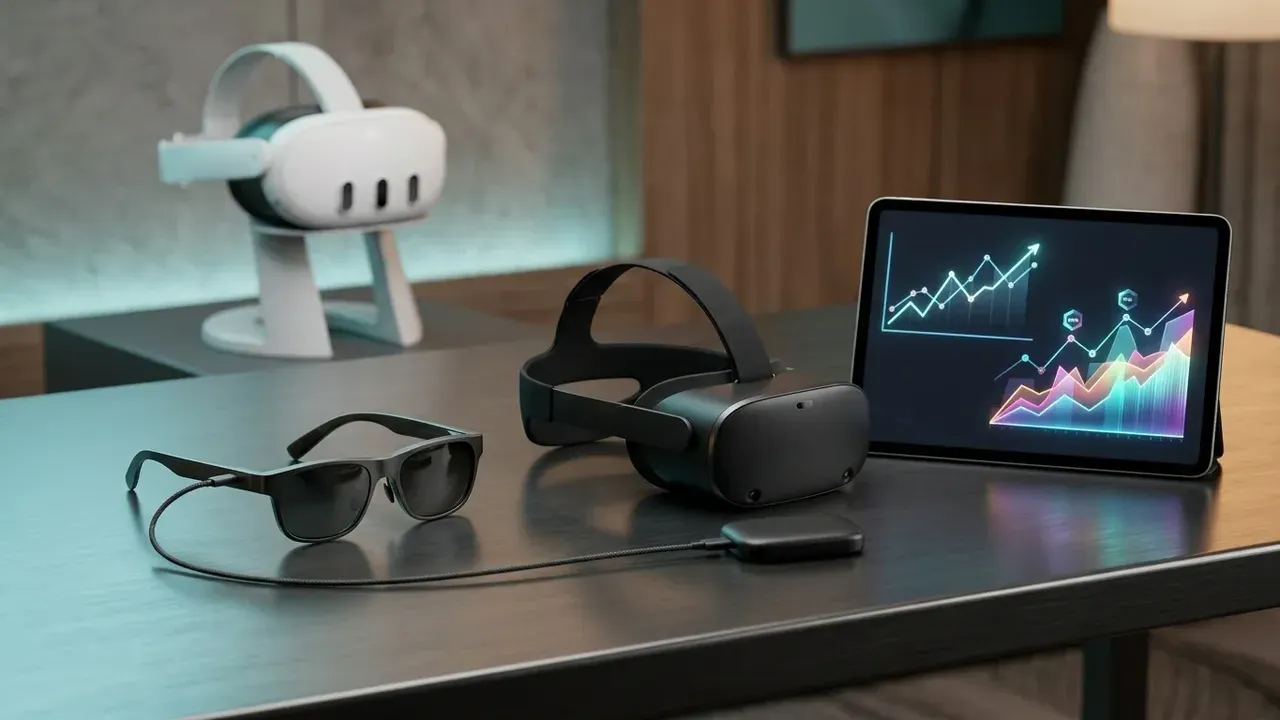
The global extended reality (XR) hardware market is closing out 2026 with a decisive structural pivot. According to quarterly tracking from IDC and Counterpoint Research, traditional bulky virtual reality and mixed reality headsets have ceded unit volume dominance to lightweight smart eyewear, optical see-through AR glasses, and a new generation of sub-170-gram "VR glasses" powered by micro-OLED displays and external compute pucks.
By the second half of 2026, IDC data indicates that smart and AR/XR glasses captured roughly 84% to 85% of all worldwide XR shipments, leaving conventional VR/MR headsets at approximately 15% of unit volume. While traditional VR headset shipments contracted roughly 18% year-over-year amid memory-component price increases and post-launch saturation, consumer demand for sub-100-gram eyewear and ultralight micro-OLED form factors has accelerated heading into the Q4 2026 holiday quarter.
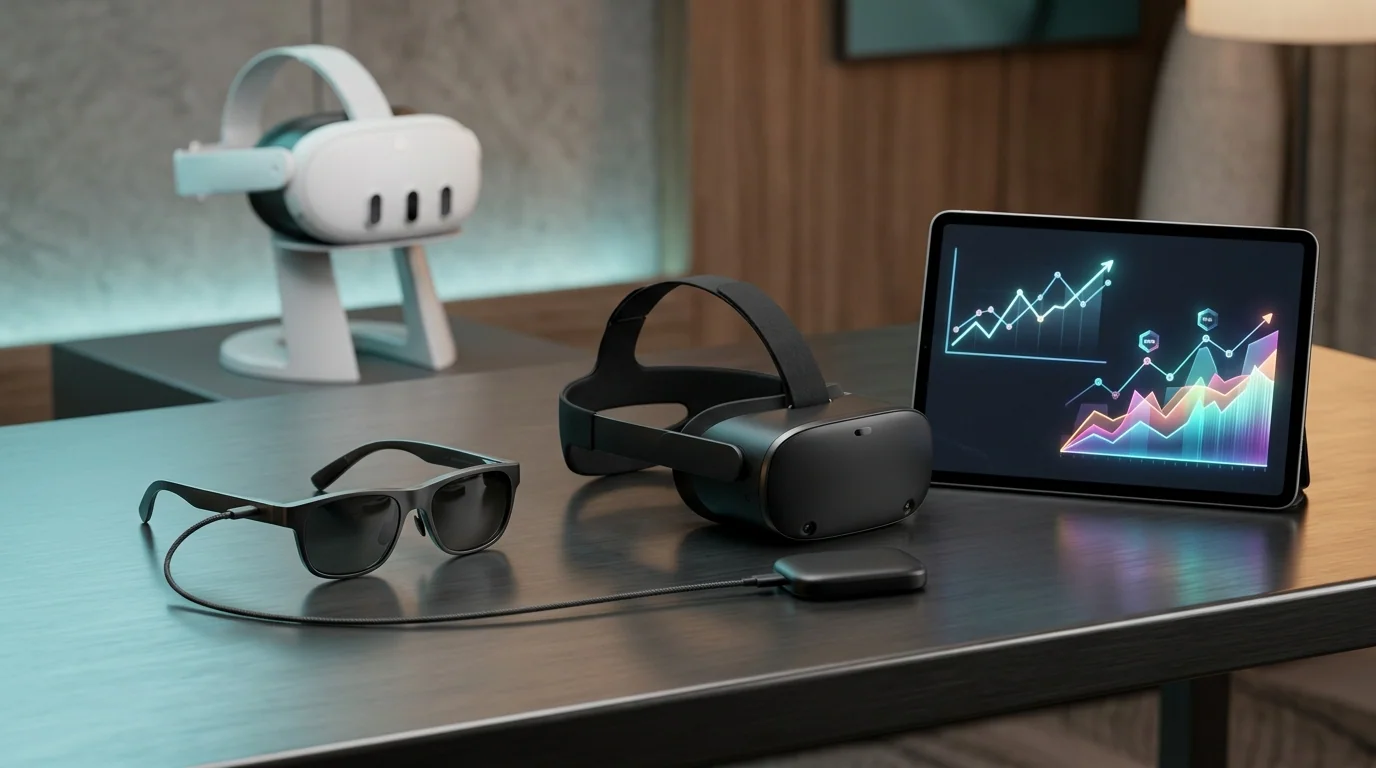
1. The 85/15 Split: Why Smart & XR Glasses Overtook Traditional Headsets
The biggest story in late-2026 XR consumption is how quickly consumers have gravitated toward eyewear form factors they can wear in public or for multi-hour media sessions without neck strain. Following a breakout 2025—when EssilorLuxottica and Meta shipped more than 7 million AI glasses and Counterpoint recorded a 130% year-over-year Q4 surge in AR smart glasses—three distinct eyewear tiers are driving Q4 2026 sell-through:

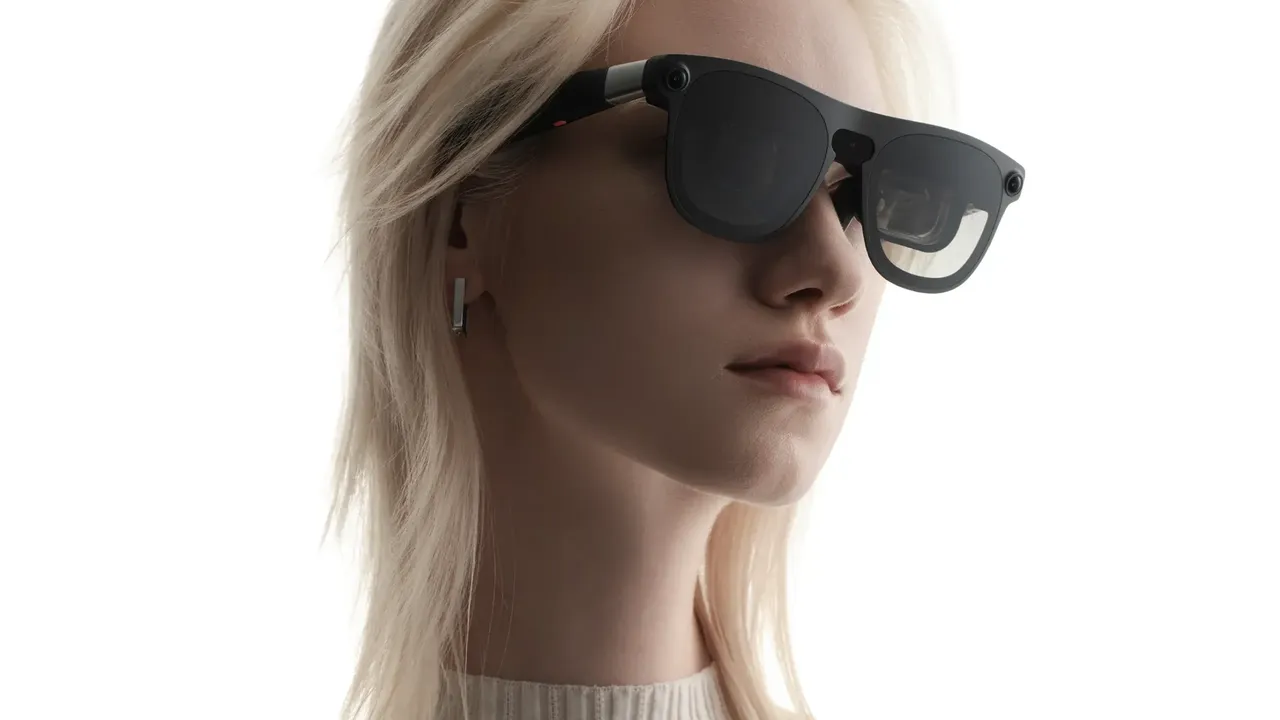
- Optical See-Through Android XR Glasses (XREAL Aura): Built by XREAL in partnership with Google and Qualcomm, the 95-gram XREAL Aura opened general orders on October 28, 2026 across the US, Canada, Japan, and South Korea. By offloading the Snapdragon Reality Elite processor and 4,455 mAh battery into a 265-gram pocket puck—and offering a holiday promotional price of $1,099 (down from $1,279)—Aura has emerged as a Q4 bestseller for travelers and commuters seeking a 70-degree 120 Hz Sony micro-OLED virtual screen.
- AI & Gaze-Tracked Smart Glasses in Asia (Qwen Glasses N1 Pro): IDC regional tracking highlights over 85% year-over-year XR shipment growth in China and Japan during 2026. A major Q4 catalyst in China has been Alibaba's Qwen Glasses N1 Pro ($505 / 3,399 yuan, or 2,600 yuan after national subsidies) and standard N1 ($435), which launched on October 13, 2026 with a 50MP 4K camera, eye tracking, and iris-verified Alipay payments.
- Standalone Waveguide AR Glasses (Snap Specs): Snap entered the consumer AR retail market at $2,195 (with $200 refundable pre-order deposits) for its 132–136g self-contained waveguide glasses running Snap OS, targeting early adopters and developers in the US, UK, and France.
2. The Rise of "VR Glasses" & Sub-170g Micro-OLED Goggles
Faced with consumer resistance to 500–650g brick-style headsets, VR hardware makers have spent late 2026 converging on the "VR glasses" form factor—combining high-density micro-OLED panels and pancake optics with either a tethered pocket puck or PC connection:
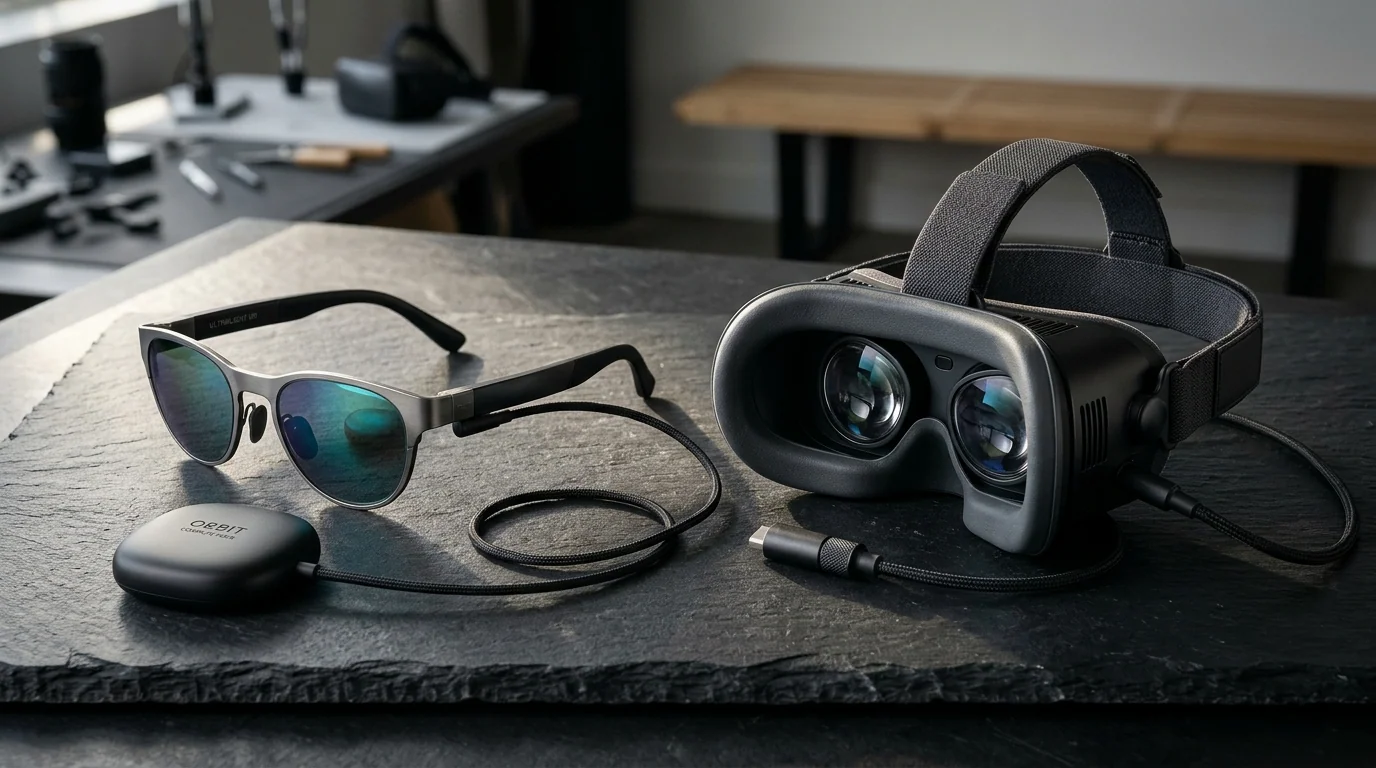
- Meta VR Glasses ($1,299.99, Unveiled September 2026): Announced at Meta Connect on September 23, 2026 ahead of a spring 2027 commercial rollout, Meta's 100-gram magnesium-alloy VR glasses pair 2412 × 2288 micro-OLED displays (37 PPD, Dolby Vision, IMAX Enhanced) with a 300g Snapdragon Reality Elite pocket puck. Notably, the announcement has created a "Wait-for-Glasses" effect among media-focused buyers in Q4 2026 who primarily use VR for 3D cinema, live NBA broadcasts, and virtual laptop monitors.
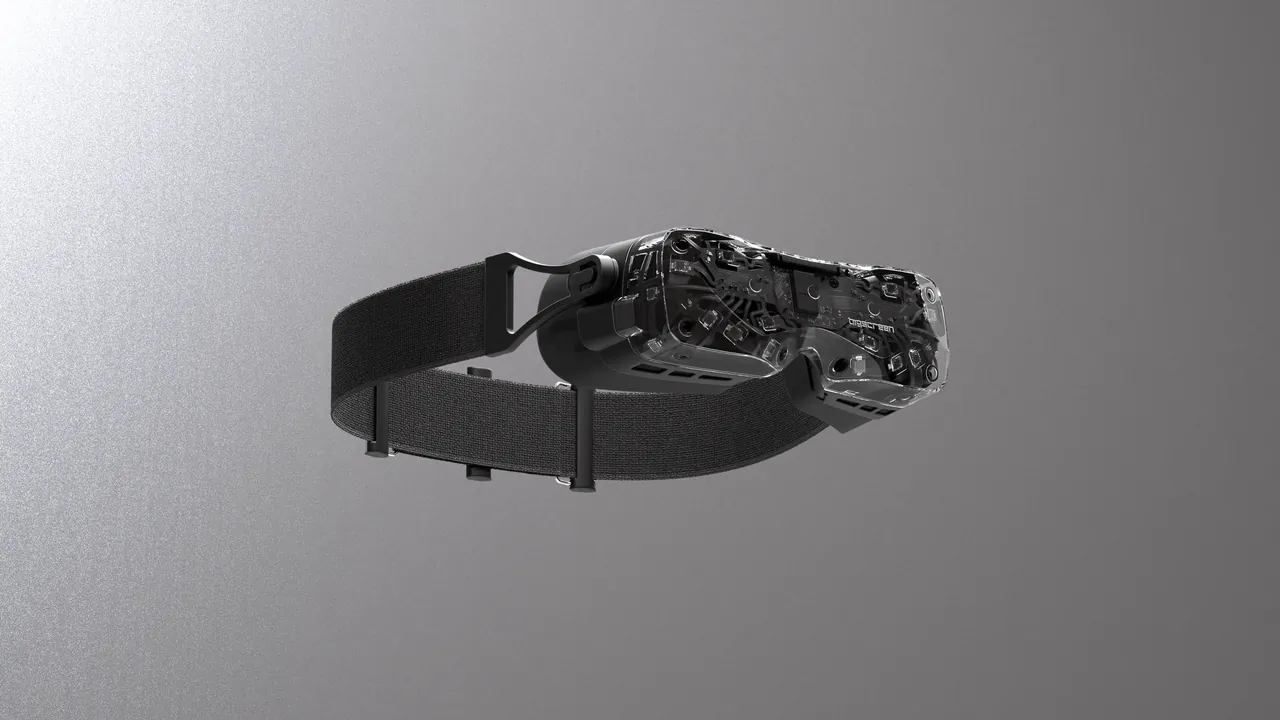
- Bigscreen Beyond 2 ($959) & Beyond 2e ($1,159): In the dedicated PC VR segment, Bigscreen's 107-gram goggle-style headsets have bucked the broader VR downturn, posting steady order growth among flight/racing simmers and heavy social VR users upgrading from older Lighthouse headsets.
- Pimax Dream Air ($1,999 – $2,299): After shipping delays earlier in the year, Pimax achieved full in-stock availability in October 2026 for both the Lighthouse ($1,999) and inside-out SLAM ($2,299) editions of its sub-170g, 3840 × 3552 Sony micro-OLED headset, capturing high-end PC VR buyers who want glasses-like weight without wall-mounted base stations.
3. Full-Featured Standalone & PC VR Headsets: Q4 2026 Sales Breakdown
While traditional headsets now represent roughly 15% of total XR shipment volume, they still generate a substantial share of gaming software revenue and holiday gift spending in late 2026:
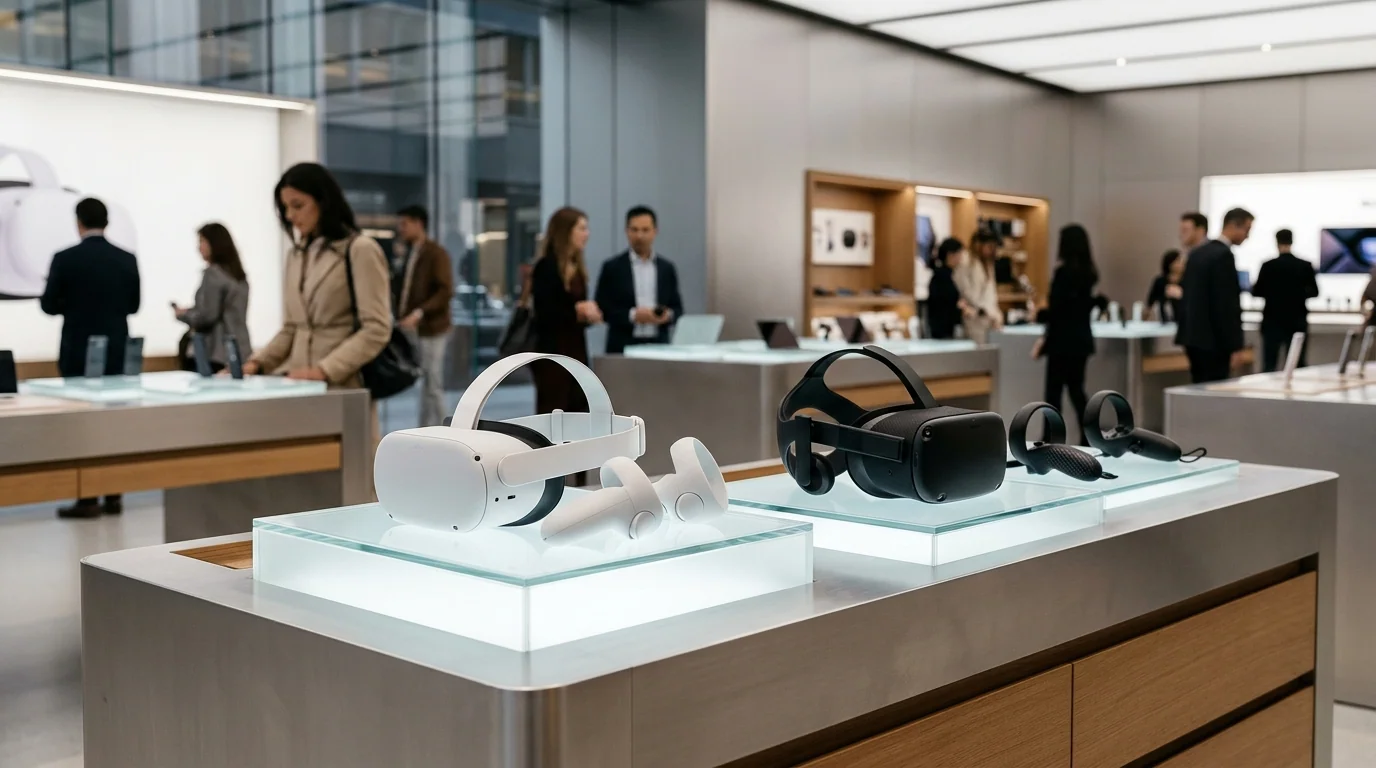
- Meta Quest 3S ($349.99) & Meta Quest 3 ($599.99): Despite component cost pressures that pushed current retail pricing to $349.99 (Quest 3S 128 GB) and $599.99 (Quest 3 512 GB), Meta retains between 45% and 70% of the broader XR market across headsets and eyewear. The Quest 3S remains the #1 volume driver for younger players and holiday family buyers, while a booming secondary market ($350–$430 for used Quest 3 units) has absorbed budget-conscious upgraders.
- Valve Steam Frame ($1,059 – $1,299): Released on September 14, 2026, the Steam Frame has been the breakout enthusiast headset of Q3–Q4 2026. Shipping in reservation waves, its combination of standalone SteamOS support and a 6 GHz eye-tracked wireless PC adapter has triggered a long-awaited upgrade cycle among legacy Valve Index owners.
- Sony PlayStation VR2 ($399.99): Sony's permanent reduction to $399.99 alongside its $59.99 PC Adapter has stabilized Q4 retail sell-through among dual PS5 and SteamVR households.
- Premium Spatial Computers (Samsung Galaxy XR at $1,799.99 & Apple Vision Pro M5 at $3,499): In the ultra-premium tier, Samsung and Apple continue to see steady enterprise, digital-twin, and robotics/teleoperation adoption, though consumer media buyers are increasingly cross-shopping sub-100g micro-OLED glasses like the XREAL Aura and upcoming Meta VR Glasses.
4. Summary Table: Late-2026 XR & VR Glasses Market Segments
| Category | Est. Late-2026 XR Volume Share | Key Flagship Devices | Primary Demand Drivers |
|---|---|---|---|
| AI & Optical AR/XR Smart Glasses | ~84% – 85% | XREAL Aura ($1,099 promo), Qwen Glasses N1 Pro ($505), Ray-Ban Meta, Snap Specs ($2,195) | Sub-100g all-day comfort, hands-free AI, portable 120 Hz micro-OLED virtual screens |
| Ultralight VR Glasses & Micro-OLED Goggles | Fastest-Growing VR Sub-Segment | Bigscreen Beyond 2 ($959), Pimax Dream Air ($1,999+), Meta VR Glasses ($1,299.99 pre-release) | 100g–170g weight, 4K–5K micro-OLED clarity, tethered pocket puck or PC sim setups |
| Standalone & Wireless PC VR Headsets | ~15% (Total VR/MR Headsets) | Meta Quest 3S ($349.99), Meta Quest 3 ($599.99), Valve Steam Frame ($1,059), PS VR2 ($399.99) | Full 6DoF controller gaming, holiday family gifting, wireless SteamVR streaming |
5. Outlook Heading Into 2027
Analysts expect the bifurcation between everyday XR glasses and gaming-first VR headsets to sharpen further in early 2027. As XREAL Aura shipments scale through November and December 2026 and Meta VR Glasses prepare for their spring 2027 launch, the 100-gram tethered-puck architecture is rapidly becoming the standard for virtual cinema and spatial productivity—leaving full-sized headsets to compete on wide field of view, controller-driven gaming, and standalone value.
Enjoyed this story?
Like it to tell the editors, or save it to read later.

Comments
Sign in to join the conversation.
Sign inNo comments yet. Start the conversation.
·