

The VR AI market 2026 is splitting in two: the broader XR device category is growing, but conventional virtual-reality and mixed-reality headsets are losing shipments while glasses gain ground.
IDC's Q2 2026 tracker, updated October 30, reports that worldwide AR/VR device shipments rose 5.1% year over year. Shipments nevertheless fell 20.1% from the previous quarter, and the annual growth came from a sharply different product mix rather than a general headset recovery.
Glasses grew while VR and MR declined
IDC reported the following year-over-year changes and unit shares for the second quarter:
| IDC category | Q2 2026 unit share | Year-over-year change |
|---|---|---|
| Extended-reality glasses | 46.0% | +79.8% |
| Mixed-reality headsets | 49.3% | -22.3% |
| Virtual-reality devices | 2.8% | -37.6% |
The distinction is important. IDC's 5.1% headline covers a broad group of spatial devices; it does not mean VR headset shipments grew. The same report shows pure VR declining 37.6% and representing only 2.8% of tracked units during the quarter.
Meta held 45.7% share, according to IDC, down from 61.2% a year earlier. The research firm reported that Meta's shipments declined 21.6% year over year, although the company still held 89.6% of the mixed-reality category.
IDC forecasts 9.5% growth for the full tracked market in 2026 and 78.6% growth in 2027 as new glasses enter the market. Those are forward-looking estimates, not completed sales. IDC also identifies tight memory supply driven by AI demand as a cost risk for both headsets and glasses.
Meta's results show the pressure on VR investment
Meta's Q3 2026 results offer a separate view of the economics behind the market. Reality Labs revenue was $443 million for the quarter, down from $470 million in Q3 2025. The division recorded a $4.129 billion quarterly operating loss and a $12.775 billion operating loss for the first nine months of 2026.
Meta expects Reality Labs to lose between $18 billion and $19 billion for full-year 2026. The company said it expects the loss to narrow to around $15 billion in 2027 as it reallocates investment toward other priorities, including AI.
That statement supports a shift in capital allocation, not a claim that AI has already made Meta's VR business profitable. Reality Labs continues to generate losses far above its reported revenue, and the financial return from combining AI with spatial hardware remains unproven.
AI is moving into the VR development workflow
While hardware demand is uneven, platform companies are putting AI into the tools used to build immersive software.
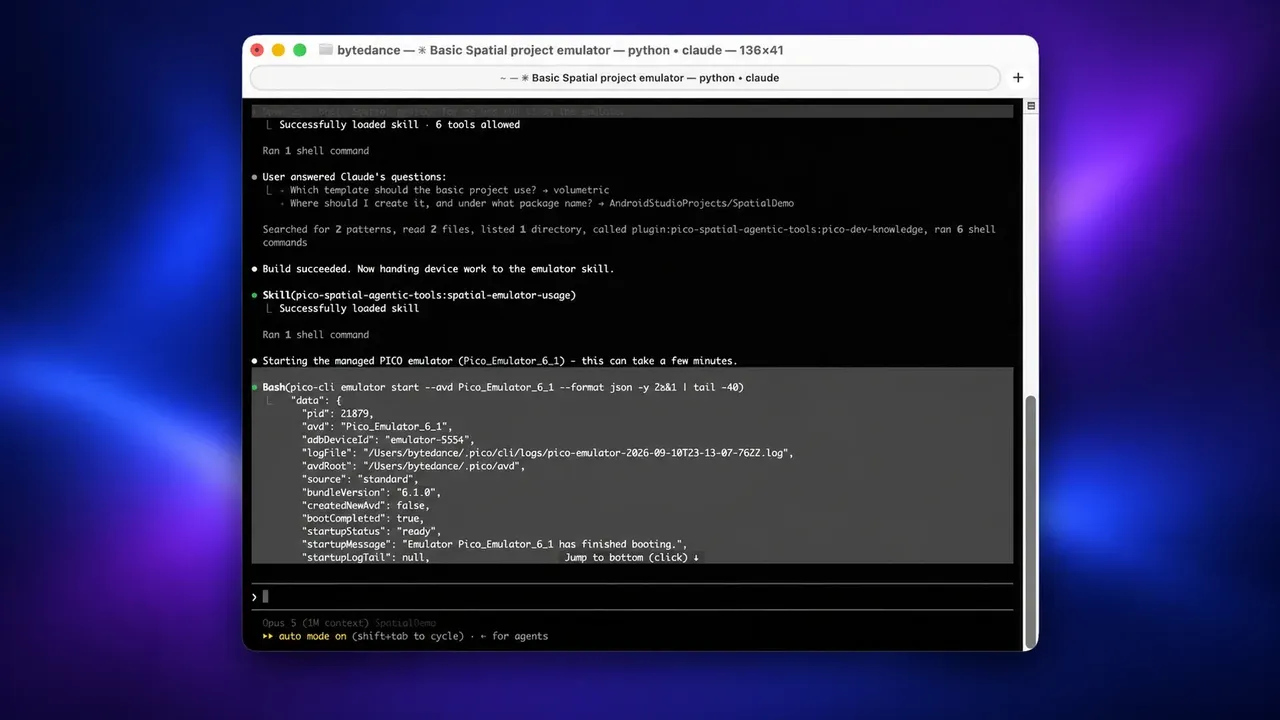
Meta's Immersive Web SDK 1.0 includes tools designed so coding agents can see, control and debug immersive experiences in a desktop emulator and on Quest hardware. Meta's Connect 2026 developer recap also describes Horizon Create and Horizon Studio as agentic creation tools that turn a described idea into a playable game.
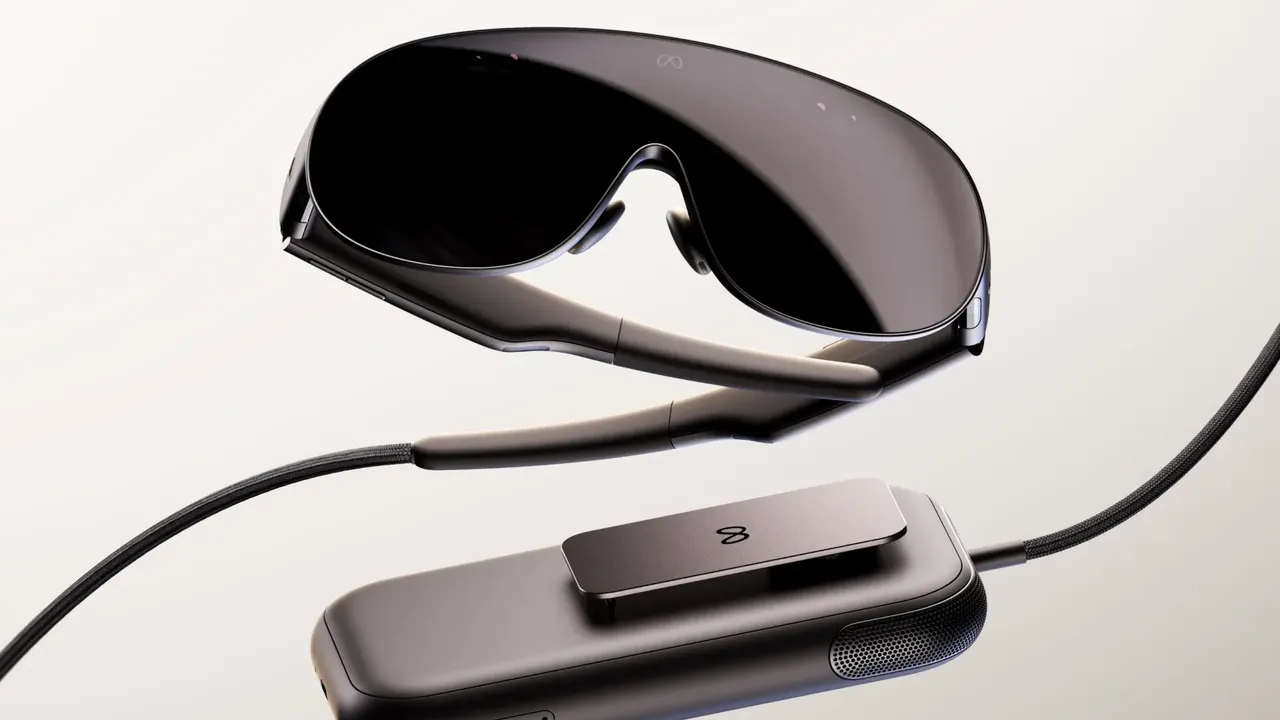
Meta has additionally described developer agents that can inspect a running simulation, work on performance or features, fix a bug and verify the result. It also released v207 SDKs ahead of VR glasses planned for spring 2027. These are platform claims about tool capability and a planned product timeline; the supplied sources do not disclose how much revenue the tools generate or how widely developers use them.
The business case is therefore still being tested. If these systems reduce development and testing time, they could lower the cost of making VR software. More content, however, does not automatically produce better store discovery, player spending or developer profitability.
NVIDIA is targeting digital twins and simulation
NVIDIA released OVXR 0.1 in early access on October 27, connecting Omniverse RTX scenes to OpenXR headsets for use cases that NVIDIA identifies as immersive digital twins, design reviews and simulation visualization.
NVIDIA warns that the early-access APIs may change before general availability, so OVXR is evidence of product direction rather than proof of broad commercial adoption.
Three business lanes are emerging
Based on the shipment data, company finances and product announcements above, the VR AI market appears to be developing along three lanes. This is an editorial inference, not a standardized industry revenue breakdown:
- AI glasses: the unit-growth lane highlighted by IDC's latest category data.
- AI-assisted VR development: coding, testing and creation tools intended to reduce the work required to produce immersive software.
- Enterprise simulation and digital twins: specialist OpenXR workflows for design, training and visualization.
The first lane currently has the clearest shipment momentum. The second and third may be valuable without mass consumer scale, but neither Meta nor NVIDIA reports them as separate revenue segments in the supplied material.
Growth still carries significant risks
Privacy, cloud inference cost and latency remain constraints. Developers also face uncertain willingness to pay, difficult store discovery and dependence on platform owners when creation, distribution and AI services come from the same ecosystem.
These risks make it too early to describe AI as a complete solution to VR adoption. Current data instead shows AI changing which spatial devices are selling and where companies are directing development resources.
What the market data says now
The strongest evidence in late 2026 is not a mass-market VR rebound. It is a shift toward glasses, AI-assisted production and specialized enterprise workflows.
For VR developers, that favors tools and applications that solve a clear production or business problem. For investors, the key distinction is between growth in the broader XR category and demand for conventional headsets. Treating those as the same market would miss the most important signal in IDC's latest numbers.
Sources
Enjoyed this story?
Like it to tell the editors, or save it to read later.

Comments
Sign in to join the conversation.
Sign inNo comments yet. Start the conversation.
·