Qwen Glasses N1 Pro
by Alibaba
Alibaba's display-free AI glasses with eye tracking, iris verification for Alipay payments, a 50MP camera with 4K video and health sensors, sold in China from 3,399 yuan.
- Battery
- 8 h
Overview
The Qwen Glasses N1 Pro are the top model of Alibaba's N1 series of AI glasses. Alibaba previewed the series at its Apsara Conference in Hangzhou on September 22, 2026, opened pre-orders the same day, and started selling the glasses in China on October 13. The N1 Pro costs 3,399 yuan (about $505) for the standard set, or 3,797 yuan for a long-battery set with a spare battery and charging case. Chinese national subsidies brought the launch price down to 2,600 yuan. Some English-language reports give 3,499 yuan. The glasses are sold in China only, and Alibaba has not announced plans for other markets.
Design
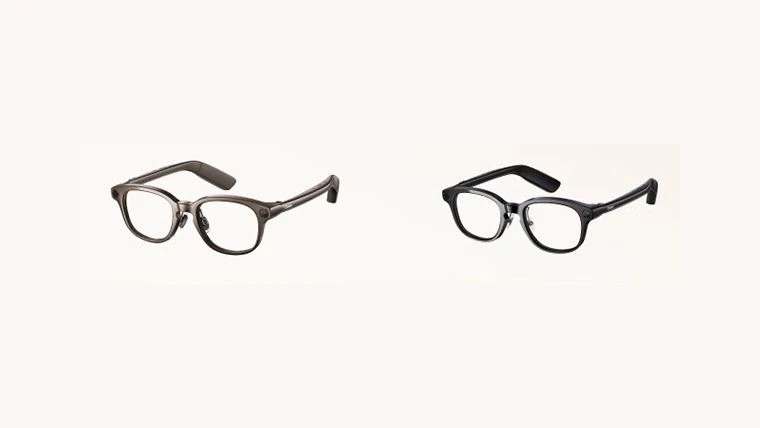
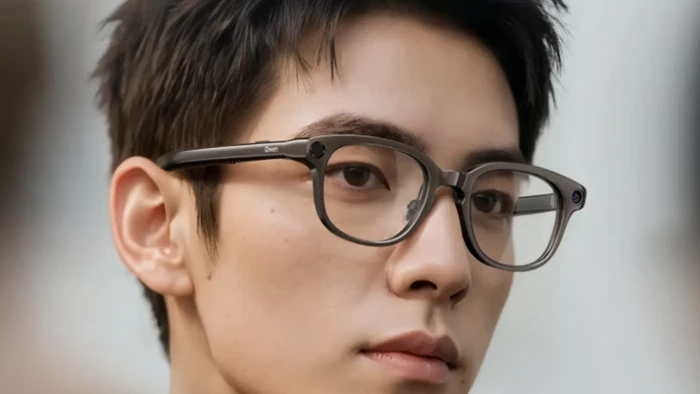
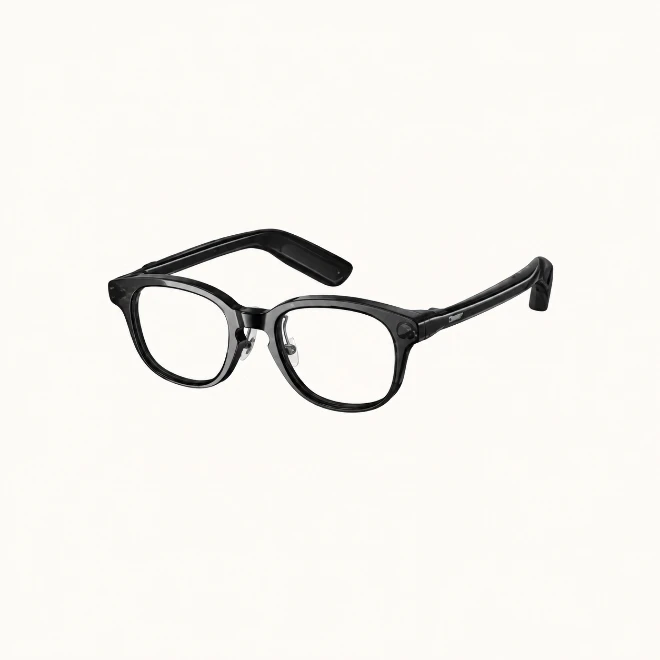
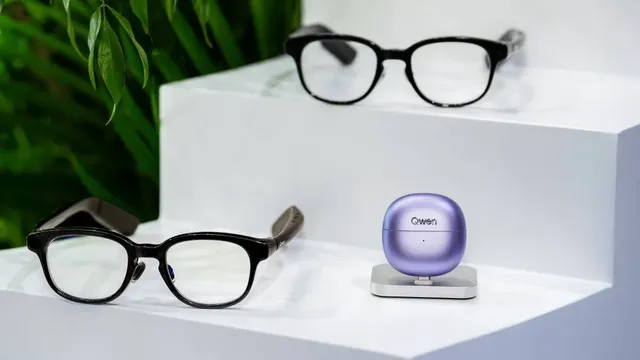
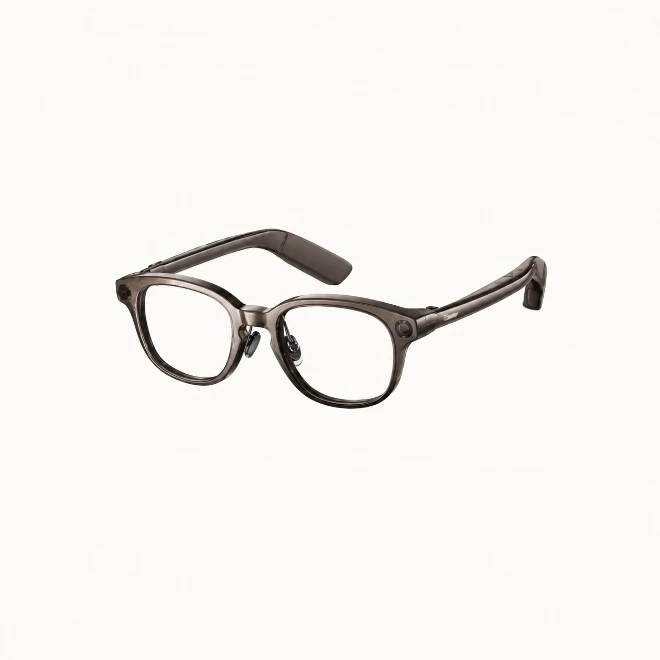
The N1 Pro look like ordinary glasses. They have no display, so the AI assistant talks to you through speakers in the arms instead of showing anything in front of your eyes. Alibaba describes the frame as square-round, and the N1 Pro come in a gilded brown finish, while the cheaper N1 is black. Alibaba has not published the weight.
Eye tracking and iris payment
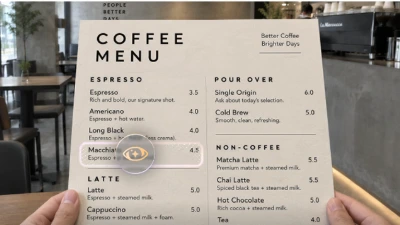
Eye tracking is the main thing the N1 Pro add over the standard N1. A small camera watches each eye, and Alibaba says the system tracks your gaze with less than one degree of error in light from darkness up to 100,000 lux. The assistant uses it to know what you are looking at, so you can look at one line of a foreign menu and ask what it means, or ask about a dog, an exhibit or a hat without describing it. You can also trigger shortcuts by blinking.
The same eye cameras read your iris to confirm payments. Alibaba built the iris check with Ant Group's gPass, and says it wrongly accepts someone else less than once in a million attempts. To pay with Alipay, you start a payment, look at the shop's QR code, check the amount and nod. The glasses then verify your iris and complete the payment.
Camera
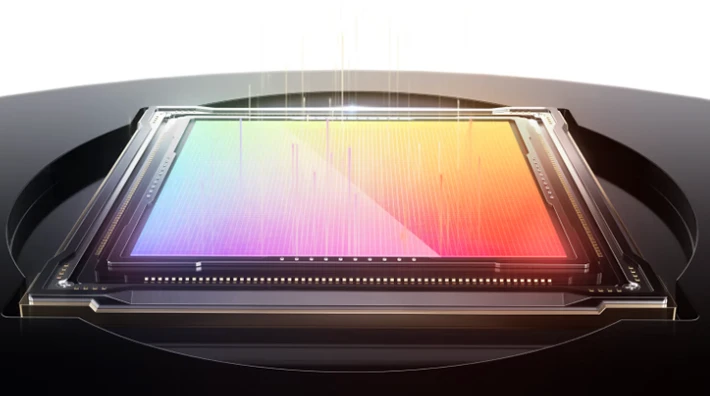
Both N1 models share a 50MP camera that records 4K video. Alibaba lists multi-level stabilization, live photos, automatic framing and image enhancement.
Audio, chips and battery
Each arm has a large-diaphragm speaker, tuned to reduce how much sound leaks to people nearby. Five microphones and a bone-conduction sensor pick up your voice. The glasses use three chips: a Qualcomm Snapdragon AR1, a BES2800 audio chip and a low-power sensing chip that handles always-on awareness. Two batteries sit in the arms and can be swapped. Alibaba rates the N1 Pro at 8 hours of mixed use, an hour less than the N1.
Health monitoring
A sensor in the nose bridge measures heart rate, blood oxygen, heart rate variability, stress and skin temperature, and the glasses also track how long you use your eyes. The Qwen app turns the readings into AI health reports, and the glasses remind you to stand up or rest your neck. These readings have not been independently tested.
Software
The glasses run Alibaba's Qwen AI assistant and connect to Alibaba and Ant Group services such as Alipay. The assistant can translate, answer questions about what you see, take meeting notes and give travel reminders. Alibaba lists a Qwen open platform, but has not said how outside developers can build for the glasses.
Who it is for
The N1 Pro suit buyers in China who want display-free AI glasses with a strong camera and who already pay with Alipay. Gaze-aware questions and paying by looking are features most rival AI glasses lack. They are not available elsewhere, the eye and health features are still unproven, and an iris is biometric data that cannot be changed if it leaks.
Specifications
Hardware
- Chipset
- Qualcomm Snapdragon AR1 + BES2800 + low-power sensing chip
- Battery
- 8 h
Tracking & input
- Hand tracking
- No
- Eye tracking
- Yes
- Controllers
- None (voice, gaze and nods)
Release & price
- Status
- Available
- Released
- October 13, 2026
- Launch price
- $505
Photos
Photos: 5