
Apple Immersive Video Tools Get Early 2027 Target
Apple says partner tools will complete its live Immersive Video workflow in early 2027, while Yuri Imoto reaffirms its commitment to visionOS and spatial computing.
By vrBlogs
· 3 min read · Source: VR.org News
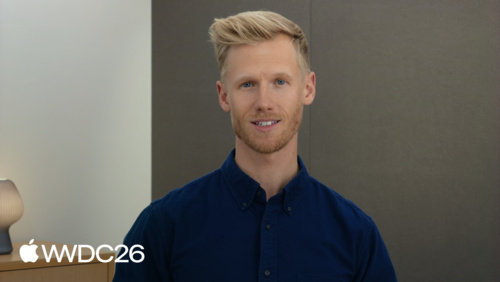
Apple plans for third-party tools to support its full live Apple Immersive Video production chain in early 2027. The company also reaffirmed its commitment to visionOS during a November 11 developer session.
The five-hour, 48-minute “Create immersive media experiences for spatial computing” livestream came from Apple’s developer center in Cupertino. Its host described the audience as immersive media creators in more than 74 countries. The programme covered framing, sound, and production lessons from the Audi Revolut F1 team and Silverback Films.
Partner tools complete the live workflow
Apple engineer Jared King said Apple built many of its first live production tools internally. NBA and MLB broadcasts demonstrated that the workflow could operate end to end and showed third-party vendors that it was ready for broader tooling. By the baseball broadcasts, much of production already used partner tools.
King said those tools will complete the entire chain in early 2027, allowing producers to build and run live productions independently. Blackmagic Design covers cameras, video switchers, networking, ISO recording, and live spatial audio mixing in Fairlight. Softron handles immersive instant replay. Vizrt is developing on-air graphics, while Bridge Technologies supplies its VB440 for signal-quality and format-compliance checks. Cisco and Arista are among the companies already routing signals through production facilities.
Blackmagic also showed a live version of its URSA Cine Immersive 100G camera. It includes a ProRes processor module and 100-gigabit networking, and was described on stage as coming soon.
Apple Immersive Video uses broadcast standards
Apple’s official WWDC26 session on live Apple Immersive Video production describes streamed ProRes frames, rather than the uncompressed video produced by regular broadcast cameras, alongside uncompressed PCM audio and per-frame JSON metadata. Each moves through a facility as its own SMPTE ST 2110 stream.
The session covers packaging immersive video, spatial audio, and scene metadata for transport over IP networks. It also covers Apple’s Immersive Media Support, Video Toolbox, and AVFoundation frameworks for real-time workflows. King said audio mixes alone can carry more than 64 channels.
A facility using ST 2110 can route an immersive feed through the same switches and monitoring systems used for other production, provided vendors support the format. Vendor support is the part Apple has placed on an early-2027 timeline.
Live production record
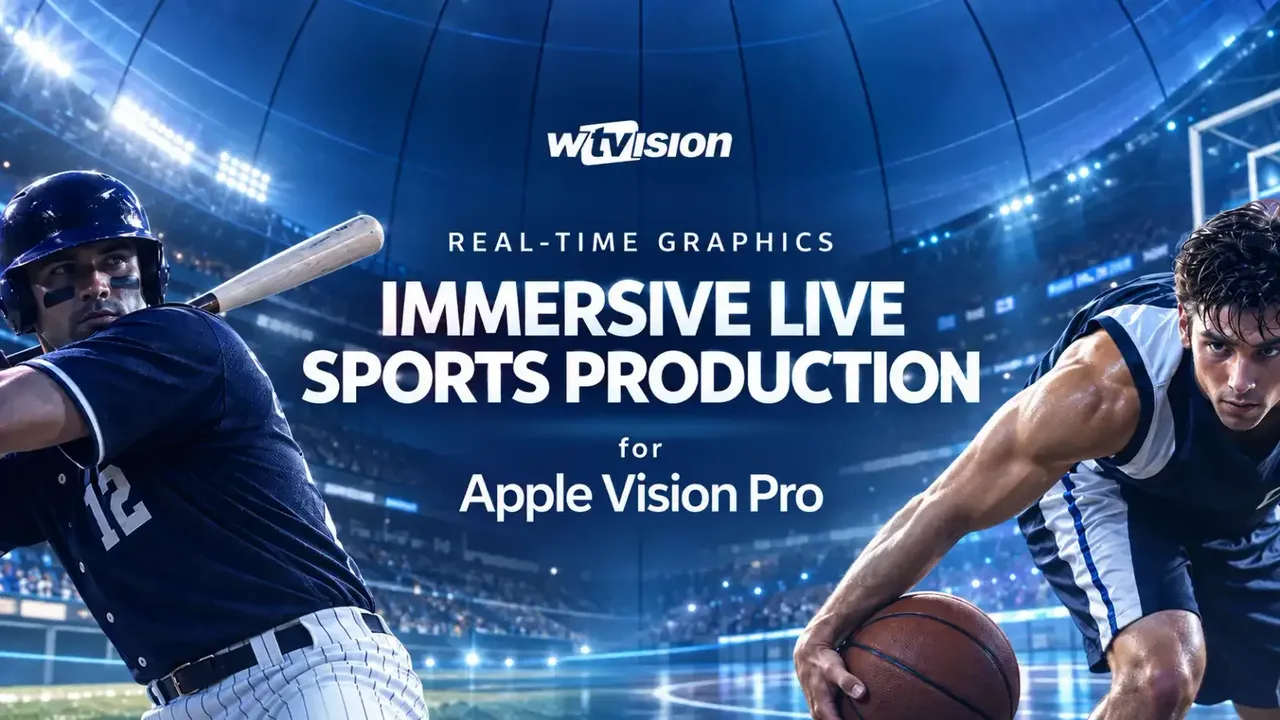
Apple reported 10 live events and 35 hours of immersive sports on air, plus more than 40 hours of on-demand highlights and full replays. The tally covered Lakers broadcasts on Spectrum SportsNet and four Friday Night Baseball games scheduled from August 28.
The partner approach resembles Apple’s earlier handling of HTTP Live Streaming. Apple introduced HLS with iPhone OS 3 in 2009, published its specification, and left encoders, packagers, and delivery networks to other companies. The IETF published HLS as RFC 8216 in 2017, after which it became a default way to stream video to phones regardless of manufacturer, according to VR.org News, published November 13, 2026.
VisionOS commitment, without new headset details
During the closing question-and-answer session, the host asked Yuri Imoto of Apple’s product team whether Apple remained committed to the platform. Imoto said Apple wanted to ensure it was “obviously very committed to the platform,” pointed to surgery, healthcare, education, and training, and stated that “Apple is committed to this platform.” Road to VR’s report covered the exchange.
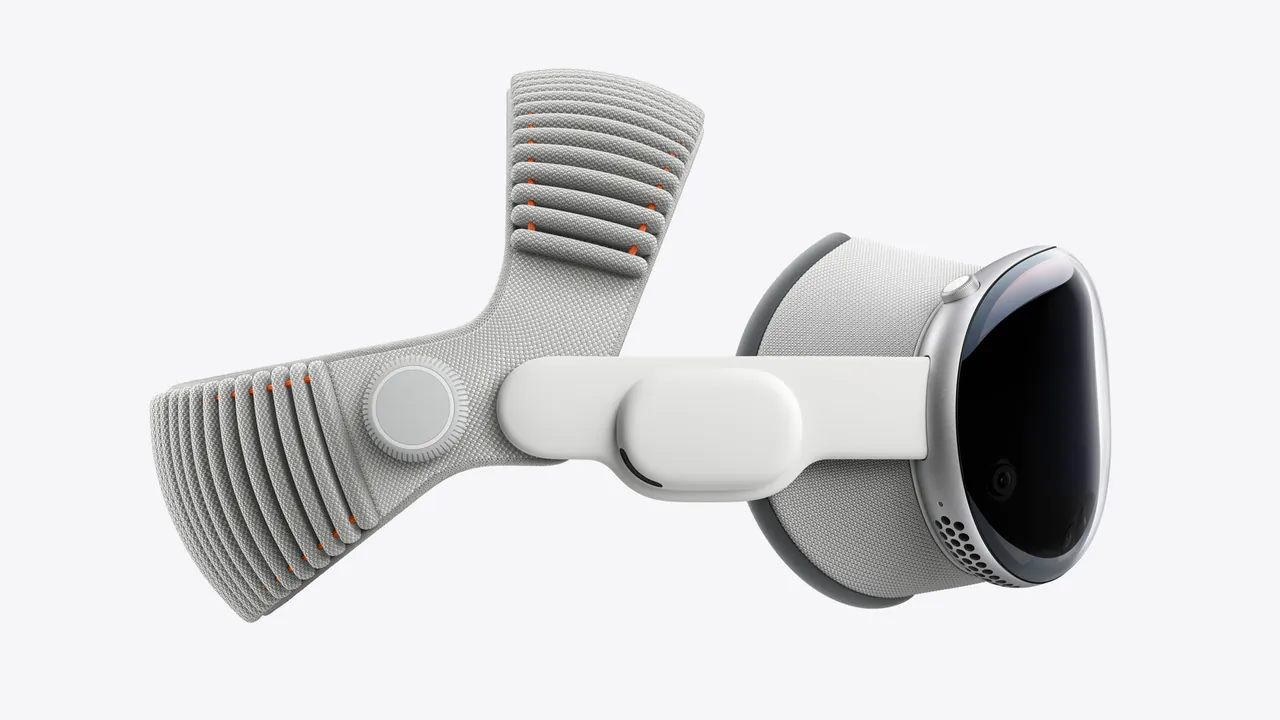
Apple’s statement concerned the platform, not a new headset. The session did not address the next Vision Pro. In June, Ming-Chi Kuo reported that John Ternus had cancelled plans for a second Vision Pro and a lighter Vision Air. Mark Gurman disputed that account, saying a Vision Pro 2 was “in testing” while describing the category as “on ice”; MacRumors has both reports.
In August, Apple cut about 100 jobs from its Vision Products Group, largely closing its games team and reducing the unit producing Apple Immersive Video, one week before the first live baseball game. In September, Gurman described the next headset project, N224, as being on “life support.” Apple did not connect those reports to the partner-tool announcement on stage. King presented the early-2027 date as a readiness target for external production tools, not as a statement about future headset hardware.
Blackmagic adds immersive audio hardware
Blackmagic Design also announced the Blackmagic Ambisonic Microphone for professional immersive audio production, with built-in support for Apple Vision Pro. The array contains 108 digital MEMS microphones designed to capture the full sound field.
An internal processor runs Apple-licensed array geometry and encoding filters. It converts the 108 microphone signals into 64 channels of 32-bit audio in real time, removing the need for external breakout boxes or separate encoding software. The microphone costs $1,695, with its microphones mounted flush in a solid, faceted metal body. Blackmagic says the unit is small enough to fit in a palm, according to Road to VR’s report on the microphone.
Enjoyed this story?
Like it to tell the editors, or save it to read later.
Comments
Sign in to join the conversation.
Sign inNo comments yet. Start the conversation.
·