
VR in E-Commerce, Retail Shopping, and Home Buying: What Works Today, Sales Growth, and the 2030 Roadmap
From 1:1 mixed-reality furniture placement and Apple Pay spatial checkouts to Matterport and Zillow 3D home tours, virtual reality is reshaping high-ticket retail and remote property buying. Here is how VR product inspection works today, what the latest conversion and market numbers show, and where lightweight smart glasses are taking spatial commerce next.

By LongZ
· 8 min read · Source: VRBlogs Editorial Research
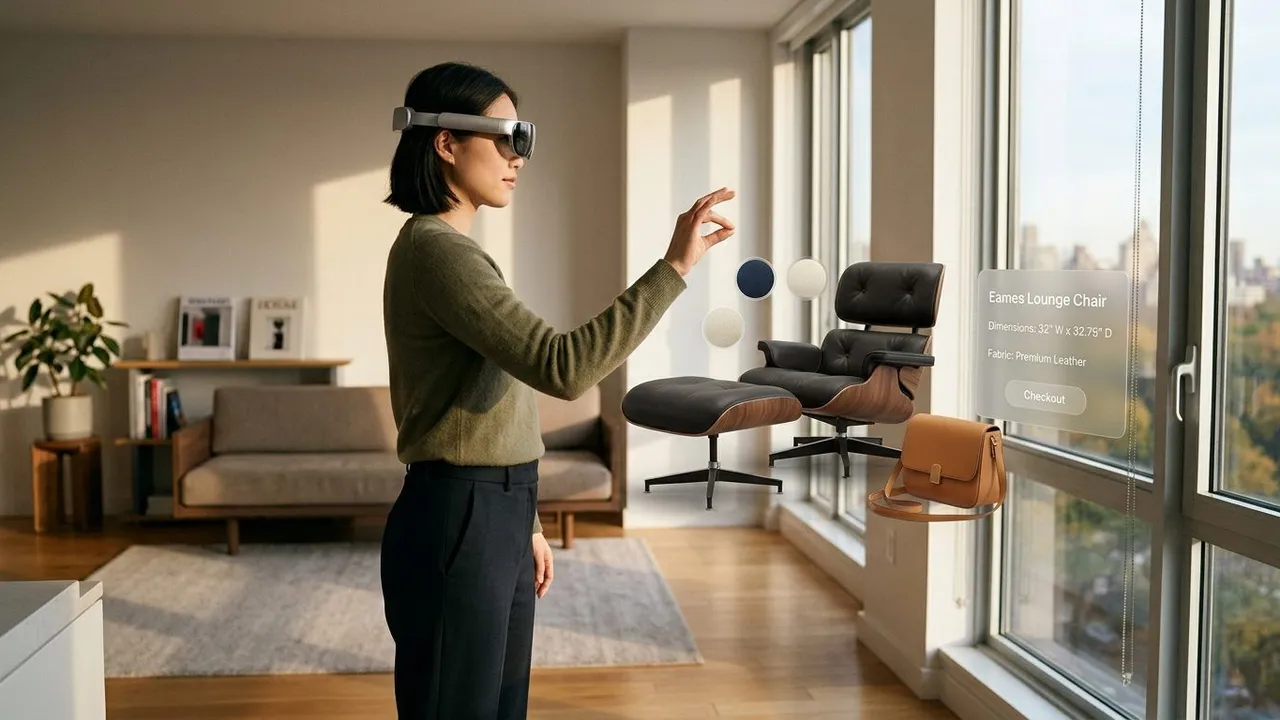
For nearly three decades, online shopping has followed the same two-dimensional ritual: scrolling through flat thumbnails, guessing whether a sofa will fit through a doorway, or booking cross-country flights just to realize a house feels smaller than its wide-angle listing photos suggested.
In 2026, the convergence of high-resolution spatial headsets—led by Apple Vision Pro (M5), Meta Quest 3, and Samsung Galaxy XR—alongside neural 3D capture has moved virtual reality commerce past experimental stage demos into measurable retail and real estate deployment. While strapping on a headset has not replaced the smartphone for impulse grocery runs, it is rewriting the economics of high-consideration shopping and remote property buying.
1. Can Shoppers Already Use VR Headsets to Buy Remotely?
Yes. Consumers can browse, customize, and complete end-to-end purchases directly inside VR and mixed reality headsets today without taking the device off to reach for a physical wallet. Spatial operating systems now wire biometric payment rails—including Apple Pay with Optic ID iris authentication on visionOS and Meta Pay on Horizon OS—directly into native apps and browser-based WebXR storefronts.
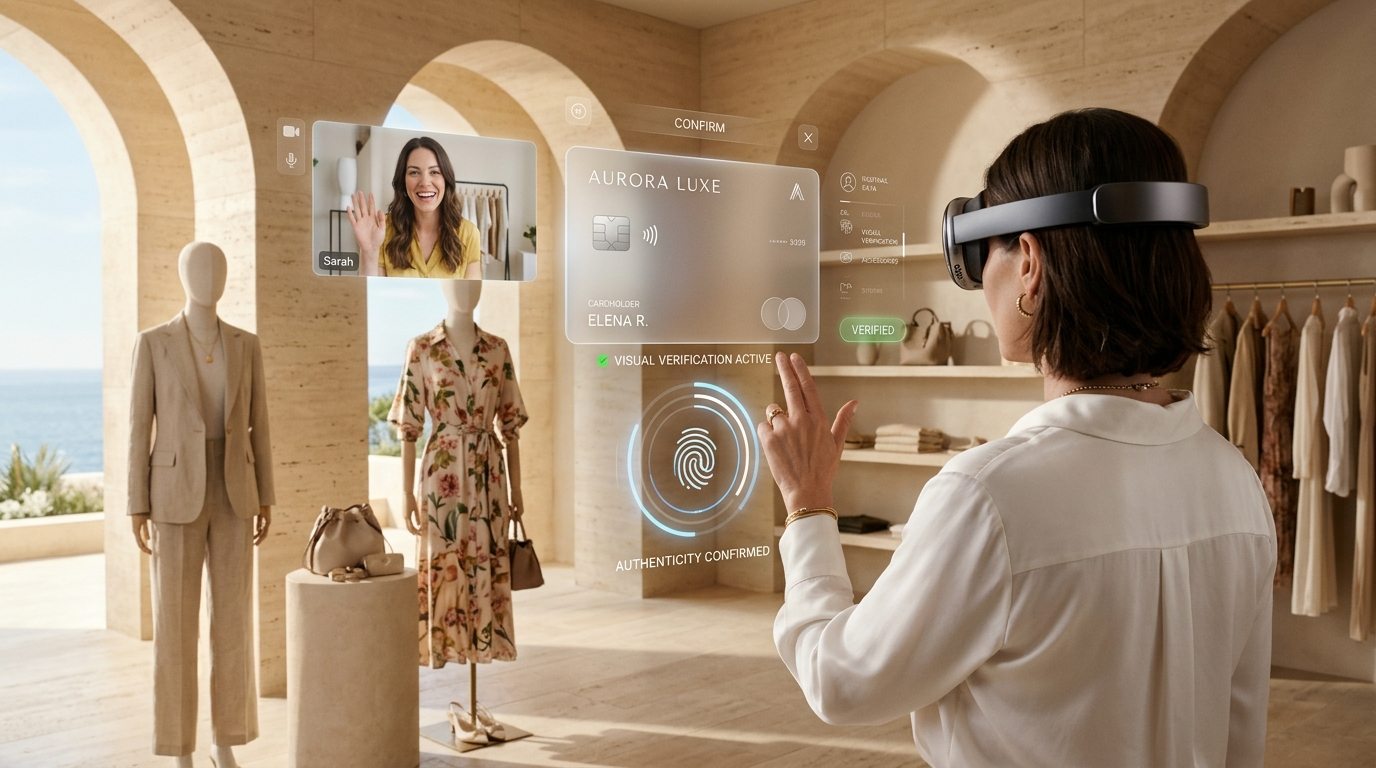
Real-world traction, however, is concentrated in categories where spatial scale, room context, and travel savings justify putting on a headset:
- Luxury Fashion and Apparel: Luxury retailer Mytheresa (built with spatial retail platform Obsess) transports visionOS users to virtual resort boutiques in Capri and Paris, pairing 3D runway pieces with instant Apple Pay checkout. J.Crew's Virtual Closet displays life-size 3D mannequins and integrates FaceTime SharePlay so remote shoppers can style outfits alongside a live human stylist or friend.
- Furniture and Home Remodeling: Lowe's Style Studio lets homeowners step inside a 1:1 kitchen, swap countertops, cabinetry, and appliances in real time, and export itemized SKU lists for purchase. IKEA and Amazon rely on standardized 3D asset pipelines so buyers can drop millimeter-accurate sofas and desks onto their real living room floors through passthrough cameras.
- Beauty and Social Commerce: Cosmetics brand e.l.f. launched its "your best e.l.f." spatial store with 3D product inspection and Apple Pay integration, expanding on panoramic virtual retail models pioneered in Asia-Pacific by initiatives like Alibaba's Buy+.
- Remote Real Estate and Home Buying: Zillow Immerse brings AI-powered 3D home walkthroughs, interactive floor plans, and 360-degree neighborhood views to spatial headsets. Across Meta Quest 3 and Vision Pro, Matterport digital twins and Redfin 3D walkthroughs let relocating families tour properties across borders, while luxury developers in Miami, Dubai, London, and Singapore routinely close pre-construction residences remotely using Unreal Engine architectural VR twins before foundations are poured.
2. How Users Inspect Product and Property Details Inside a Headset
Unlike spinning a flat 360-degree photo with a mouse, modern headsets combine six degrees of freedom (6DoF), eye tracking, hand tracking, LiDAR depth sensors, and high-density Micro-OLED displays to mimic real-world physical inspection.
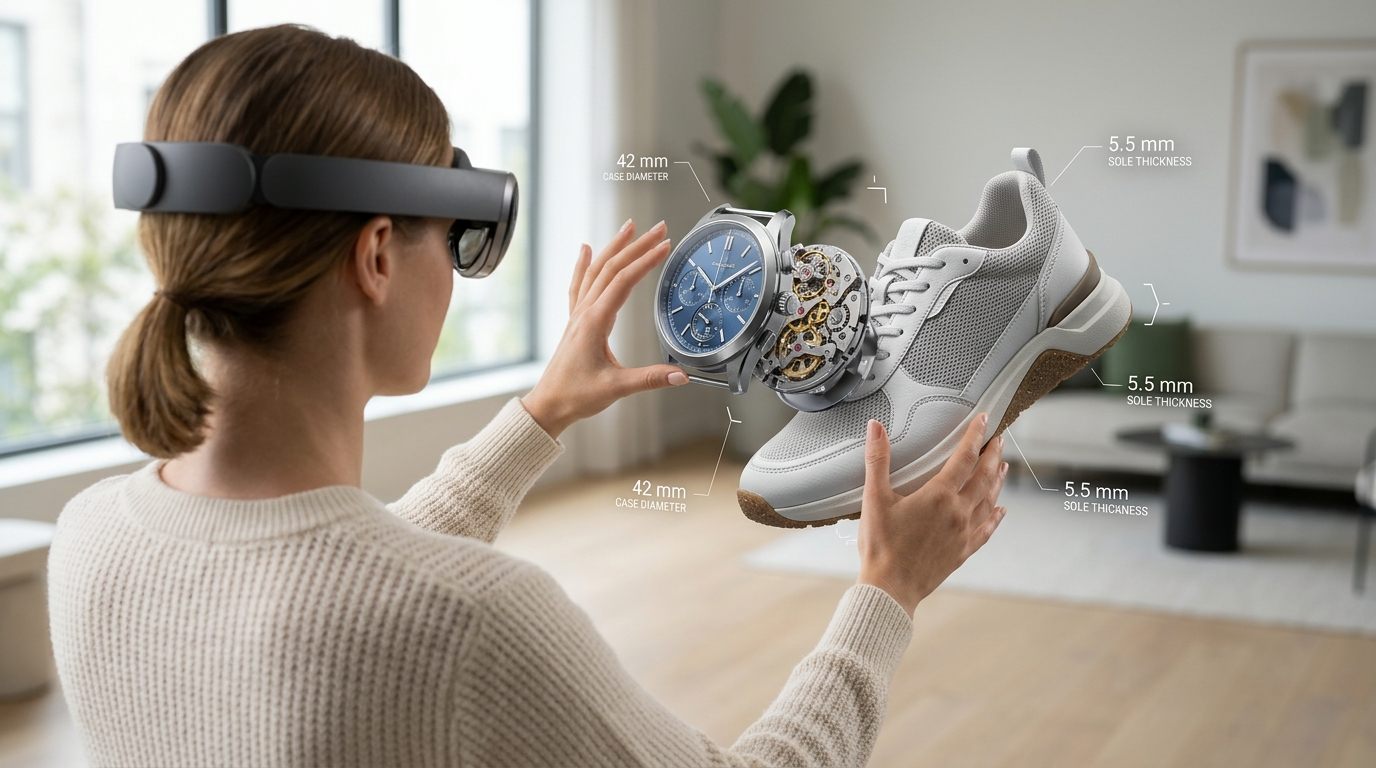
Retail Product Inspection Mechanics
- True 1:1 Scale and Room Anchoring: Using onboard depth meshing and spatial anchors, headsets lock virtual items onto real floors and tabletops. Shoppers verify whether an espresso machine fits beneath upper kitchen cabinets or how a 2.4-meter sectional sofa clears a hallway.
- Macro Material Zoom and Dynamic Lighting: Built on Physically Based Rendering (PBR) and OpenUSD standards, 3D product models react to actual room lighting. Users can lean within inches of a sneaker or watch—or pull apart a two-handed zoom—to examine leather grain, mesh weave, brushed metal bevels, and seam stitching.
- Interactive Kinematics and Instant Swatches: Buyers pull open virtual refrigerator doors to check shelf spacing, trigger exploded component views on electronics, and swap wood stains or upholstery fabrics with a glance and finger pinch.
Real Estate and Architectural Walkthroughs
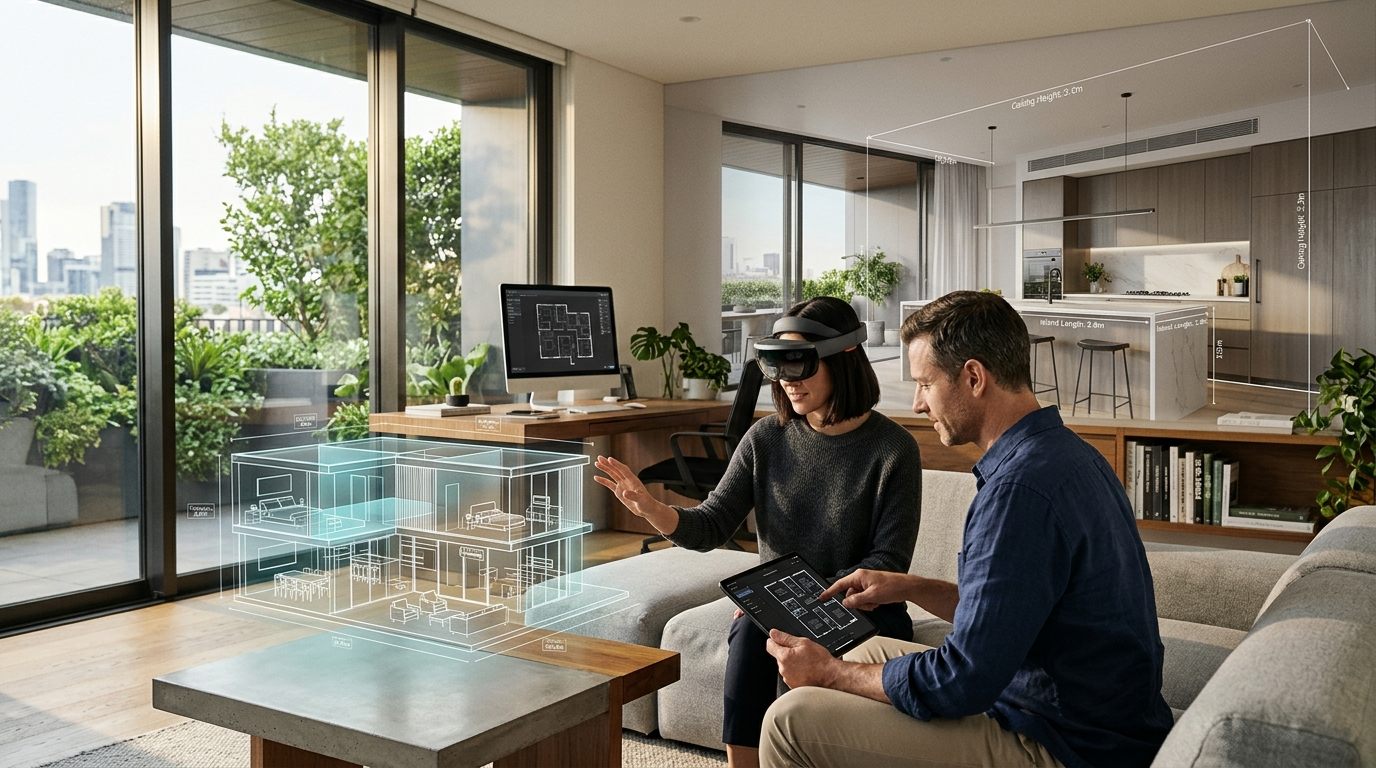
- "Dollhouse" to Eye-Level Teleportation: Prospective homebuyers inspect a floating 3D architectural cutaway ("Dollhouse view") to understand how bedrooms, stairs, and sightlines connect across floors, then tap any room to stand inside it at true human eye height.
- Millimeter-Accurate Virtual Tape Measures: Digital twins captured via LiDAR and 3D Gaussian Splatting embed spatial geometry, letting buyers measure ceiling heights, doorway widths, and kitchen island clearances within roughly 1% tolerance.
- Daylight Simulation and Co-Touring: Pre-construction VR models let buyers scrub a time-of-day slider to check morning vs. afternoon sunlight angles across balconies, while synchronous multi-user sessions allow couples in different cities—or an overseas buyer and a local agent—to tour the same virtual home together.
3. Is VR Shopping Volume Growing? Market Data and Conversion Evidence
Industry reports from 2024 through 2026 point to a clear two-speed pattern: 3D and VR-assisted commerce revenue is growing at steep double-digit rates, driven by higher buyer confidence and lower return costs, even as enclosed VR headset shipments face form-factor competition from lighter smart glasses.
| Market / Performance Metric | Reported Figure | Commercial Impact & Scope | Source / Study |
|---|---|---|---|
| Global VR Shopping Market | $95.02B (2025) → $122.34B (2026) | Expanding at 28.8% CAGR across virtual showrooms, 3D spatial retail, and headset commerce | Research and Markets (2026) |
| Dedicated VR in Retail Solutions | $4.8B – $8.8B (2026) | Growing at 21%–27% CAGR; Asia-Pacific leads global share at ~39%–40%, followed by North America | Grand View Research / Straits Research |
| Active VR Shopper Adoption | 32% of VR users | Used VR channels to shop within a 6-month window; 32% bought retail or luxury items after VR testing | PwC Global Consumer Insights Survey |
| E-Commerce Conversion Lift | Up to +94% higher | Average conversion increase on listings with interactive 3D/AR spatial models vs. static 2D images | Shopify Commerce Data |
| Product Return Reduction | Up to -40% lower | Drop in costly apparel and furniture returns when buyers verify 1:1 scale and finish beforehand | Shopify / Spatial Retail Benchmarks |
| Real Estate Listing Views & Leads | +87% to 4x more views | 95% of buyers viewing 3D tours are more likely to call an agent; 62% filter out unsuitable homes remotely | Matterport / Zillow Research |
| Home Closing Speed & Remote Offers | Up to 31% faster sales | Listings with 3D walkthroughs close up to 9 days sooner; out-of-state buyers convert at 2x the rate | Matterport / Redfin / NAR Studies |
| XR Hardware Shipment Mix | +41% to +44% YoY (XR total) | Aggregate XR shipments surged in 2025–2026 as growth pivoted toward smart/AI glasses over bulky VR rigs | IDC Quarterly AR/VR Tracker |
Three practical takeaways stand out behind those numbers:
- VR Excels as a High-Ticket Mid-Funnel Closer: Even when a household signs final mortgage documents on a laptop, immersive walkthroughs do the heavy lifting. Over 76% to 80% of surveyed homebuyers tell the National Association of Realtors (NAR) and PropTech researchers they want more listings to include 3D virtual tours, and over 60% of relocating Millennial and Gen-Z buyers say they would consider making an offer sight-unseen when thorough 3D models and floor plans are provided.
- Retailers Are Chasing Return-Rate Savings: Online apparel and home-goods return rates routinely hit 20% to 35%. Cutting returns by up to 40% pays for 3D modeling pipelines quickly, prompting roughly 68% to 70% of surveyed retail brands to fund spatial commerce initiatives through 2026.
- Headset Checkout Remains Selective, Not Universal: As IDC's hardware numbers remind us, standalone headsets represent tens of millions of active units rather than smartphone-scale billions—keeping pure in-headset checkout focused on furniture, luxury goods, and property rather than everyday groceries.
4. Current Advantages and Limitations
Consumer usability studies—including peer-reviewed retail evaluations in Frontiers in Virtual Reality—highlight a sharp trade-off between spatial clarity and physical hardware friction.
Where VR Commerce Wins Today (Pros)
- Eliminates Size and Scale Guesswork: Answers "Will it fit?" and "How open is this floor plan?" far more reliably than wide-angle photography, reducing buyer's remorse.
- Cuts Wasted Travel in Real Estate: Eliminating 62% of unsuitable homes from the living room couch saves buyers and agents dozens of hours of physical showings.
- Borderless 24/7 Flagship Showrooms: Retailers can display 10,000 custom furniture fabric and modular combinations inside a virtual loft without paying downtown flagship rent.
- Higher Dwell Time and Cross-Selling: Shoppers spend minutes rather than seconds inside interactive rooms, boosting multi-item basket sizes when rugs, lighting, and sofas are styled together.
What Still Holds VR Shopping Back (Cons)
- No True Tactile or Environmental Feel: Standard headsets lack rich haptics and scent—you cannot feel cashmere softness, test sofa cushion firmness, hear street traffic outside a bedroom window, or detect dampness in a basement.
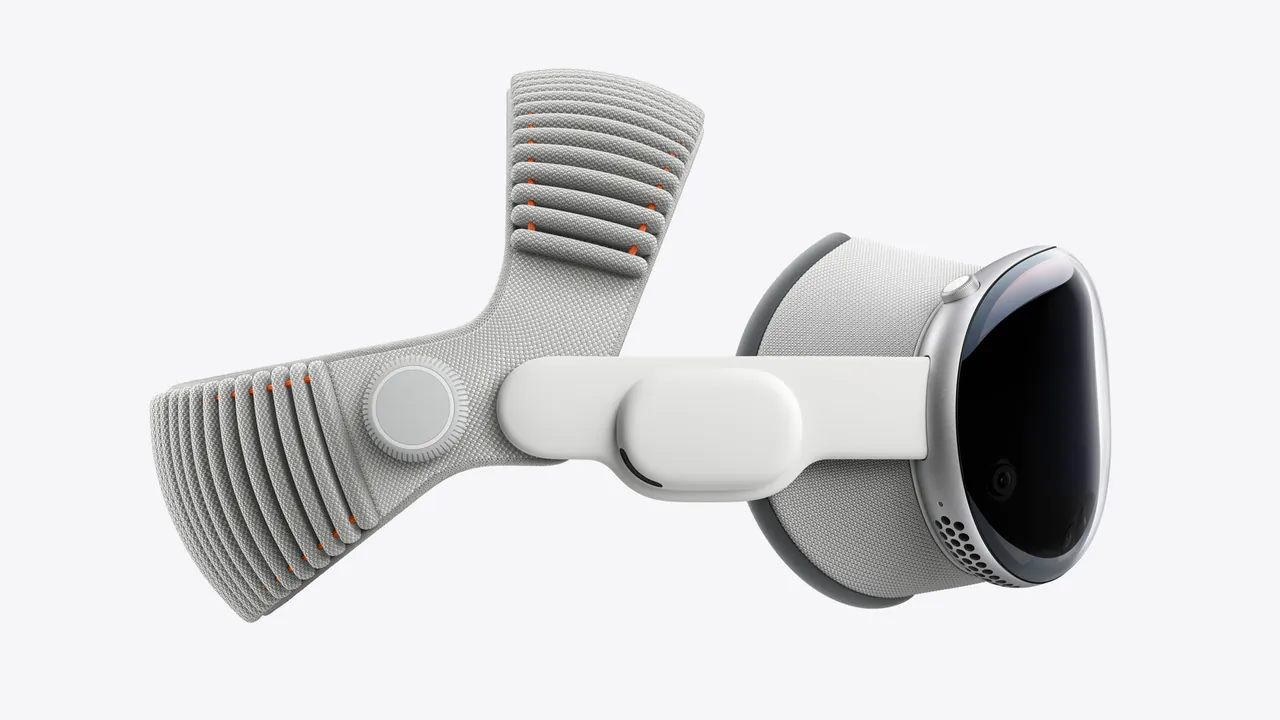
- Headset Weight and Cybersickness: Enclosed headsets weighing 500g to 650g press against cheekbones, mess up hair, and can trigger eye fatigue or motion sickness in VR during artificial locomotion through virtual malls.
- Upfront Hardware Cost and Everyday Friction: With hardware priced from $299 (Meta Quest 3S) to $3,499 (Vision Pro M5), strapping on a headset loses to a three-second phone tap for routine $25 purchases.
- 3D Asset Bottlenecks and Biometric Privacy: Hand-building clean 3D models for millions of SKUs remains costly, while eye-tracking gaze heatmaps and LiDAR scans of private living rooms raise ongoing consumer data-privacy questions.
5. Future Goals: The 2027–2030 Spatial Commerce Roadmap
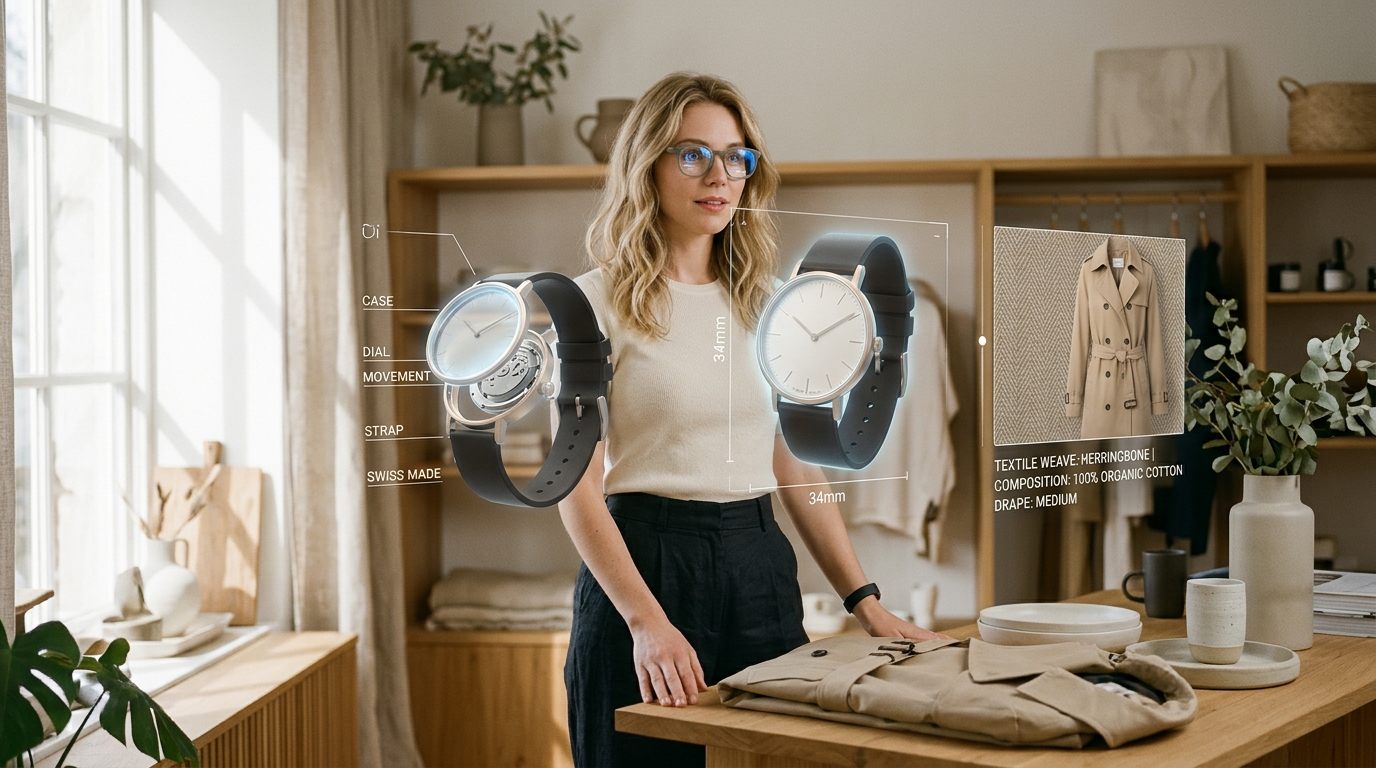
Hardware manufacturers, retail platforms, and PropTech engineers are aligning around five concrete targets between 2027 and 2030 to make spatial shopping effortless:
- Sub-80g All-Day Smart Glasses: Guided by waveguide prototypes such as Meta VR Glasses / Orion, Android XR optical eyewear, and Apple's long-term glasses roadmap, shrinking bulky headsets into everyday frames is the industry's primary unlock for casual daily shopping.
- Instant 3D Capture via Gaussian Splatting (3DGS): Replacing expensive manual CAD modeling and rigid point-to-point panoramas, 3D Gaussian Splatting turns a 60-second smartphone or drone video into a photorealistic, continuous 6DoF scene with accurate reflections in minutes—allowing sellers and realtors to publish lifelike 3D listings at near-zero marginal cost.
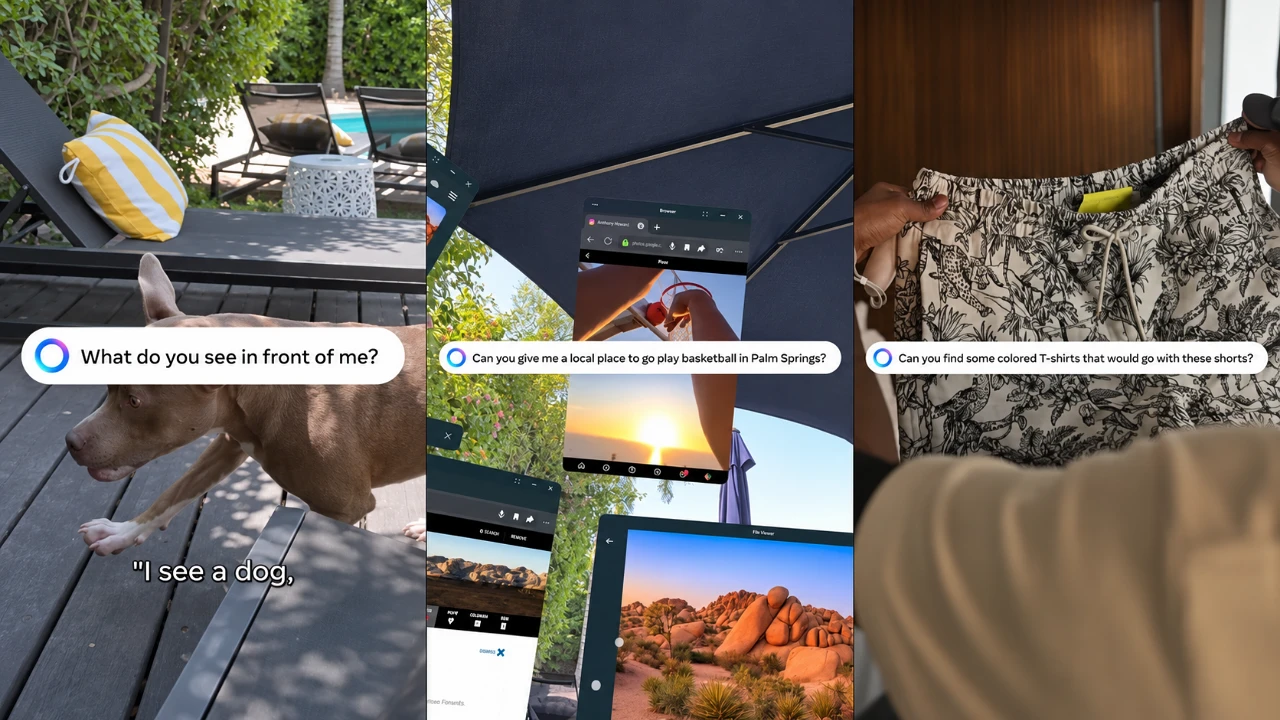
- Agentic AI Spatial Concierges: Voice-driven AI interior designers and real estate analysts embedded directly inside virtual spaces will rearrange rooms to match a buyer's budget, check local zoning or mortgage math on the fly, and bundle full room orders automatically.
- Wearable Tactile and EMG Haptics: From research gloves like bHaptics TactGlove DK3 to slim electromyography (EMG) wristbands and ultrasonic surface haptics, next-generation input aims to simulate fabric texture and button resistance.
- Universal OpenUSD and WebXR Standards: Backed by the Alliance for OpenUSD (Apple, NVIDIA, Adobe, Pixar), standardized 3D digital twins will let merchants build a product model once and stream it seamlessly across mobile browsers, VR headsets, and future AR glasses.
The Bottom Line
Virtual reality has already graduated from retail gimmick to high-ROI commercial tool—not by replacing quick smartphone orders, but by taking the guesswork out of buying homes, furniture, renovations, and luxury goods. While headset weight, price, and missing tactile feedback keep VR out of everyday impulse shopping today, falling 3D Gaussian Splatting capture costs and lighter optical glasses set the stage for spatial commerce to become standard infrastructure by the end of the decade.
Enjoyed this story?
Like it to tell the editors, or save it to read later.
Comments
Sign in to join the conversation.
Sign inNo comments yet. Start the conversation.
·