Valve Index Review: Is This High-End VR Headset Still Worth It?
Comprehensive Valve Index review synthesized from VROne: smooth 120–144Hz RGB LCDs, natural off-ear speakers, 87-sensor controllers and room-scale tracking.

By vrblogs.net
Published · 6 min read
The verdict
The Valve Index combines ultra-smooth 120/144Hz low-persistence RGB LCDs, natural off-ear audio, excellent ergonomic comfort, and 87-sensor finger-tracking controllers to deliver a landmark SteamVR experience—even if its wired tether, external Base Station setup, and high launch price demand commitment.
Reviewed on version SteamVR 120Hz / 144Hz (Full Kit: Headset, Index Controllers & Base Stations 2.0)
Score breakdown
Strengths
- Very comfortable ergonomic fit with balanced weight distribution
- Physical IPD slider and Z-axis eye-relief lens adjustment
- Little to no screen-door effect thanks to full RGB sub-pixel LCDs
- Crisp visual quality with smooth 120Hz/144Hz refresh rates and 0.33ms illumination period
- Natural off-ear speakers that do not touch or heat up your ears
- 87-sensor finger-tracking controllers enable natural open-handed throwing
- Stable, expandable SteamVR 2.0 room-scale tracking up to 10x10m
Weak spots
- 3.5mm headphone jack is in an awkward, deeply recessed location
- Still tethered (wired) to a gaming PC
- No integrated inside-out tracking sensors on the headset
- A little on the heavy side (809g) and external Base Stations take effort to set up
- Pricey at around £1,000 ($999) for the full kit at launch
Photos & video
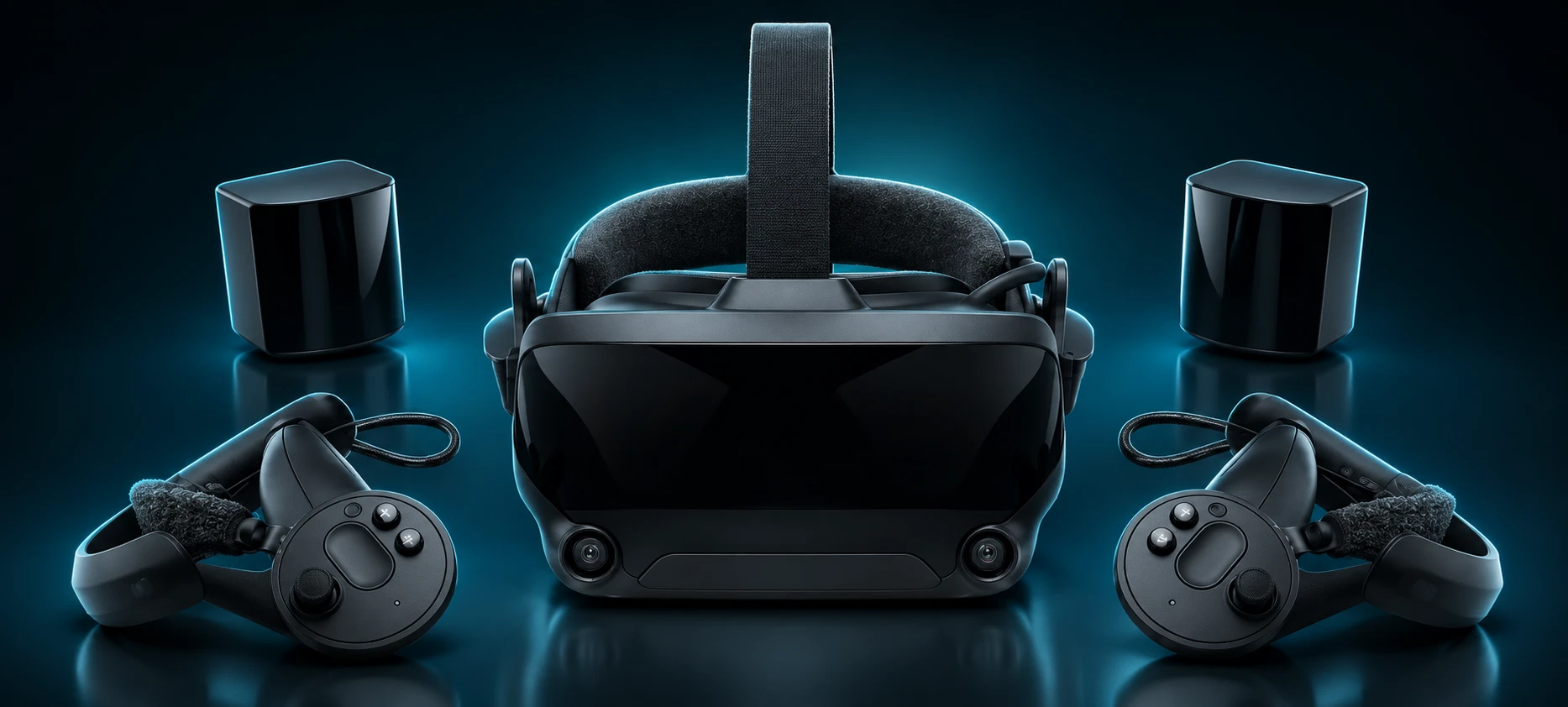
In this Valve Index review, we examine the first virtual reality headset designed and manufactured in-house by Valve, announced in April 2019 and released in June 2019. Synthesizing the hands-on evaluation from VROne (UK) alongside official hardware specifications, we look at why the Valve Index became a PC VR benchmark and whether it is still worth experiencing.
Quick Verdict
VROne Rating: 9.0/10 (90% — User Rating: 87%). Valve focused on three core pillars for enthusiasts: sharp high-refresh visuals, natural off-ear spatial audio, and ergonomic comfort paired with finger-tracking controllers. With dual 1440×1600 RGB LCDs running at 120Hz/144Hz, a 0.330–0.530 ms illumination period, and 87-sensor controllers, the Index delivers a dramatic leap in presence over 60–90Hz headsets.
- Visual clarity: 120Hz native refresh rate (plus 144Hz experimental mode) and full RGB LCDs that virtually eliminate the screen-door effect.
- Hand presence: Strap-on Index Controllers with 87 sensors per hand enable natural open-handed throwing and individual finger tracking.
- Comfort & Audio: Hovering off-ear speakers prevent ear heat; magnetic antimicrobial face gasket and "The Frunk" USB 3.0 expansion port.
- Limitations: Wired PC tether, no integrated inside-out tracking sensors on the headset, slightly heavy (809g), external Base Station setup effort, deeply recessed 3.5mm audio jack, and a £1,000 ($999) launch price.
1. Box Contents
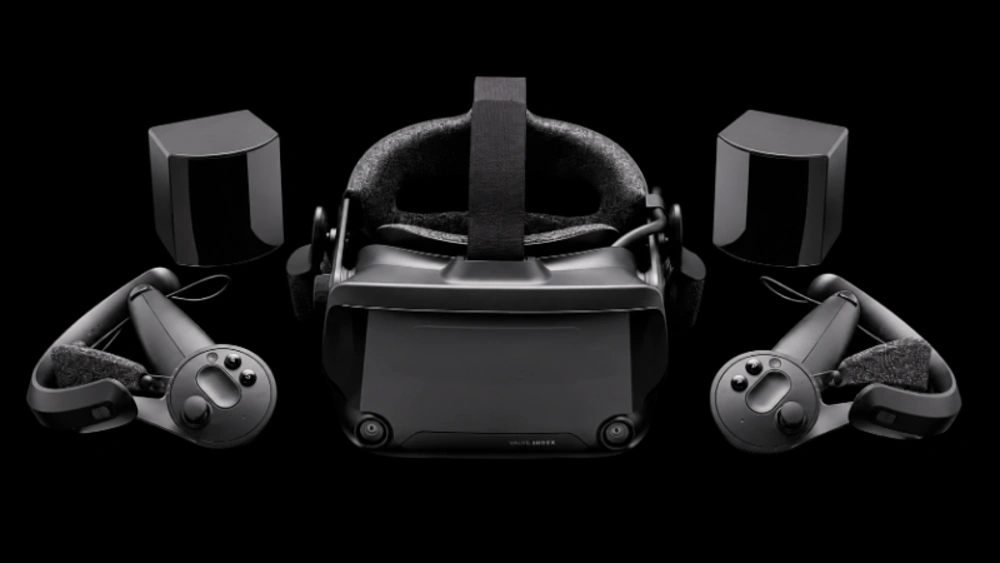
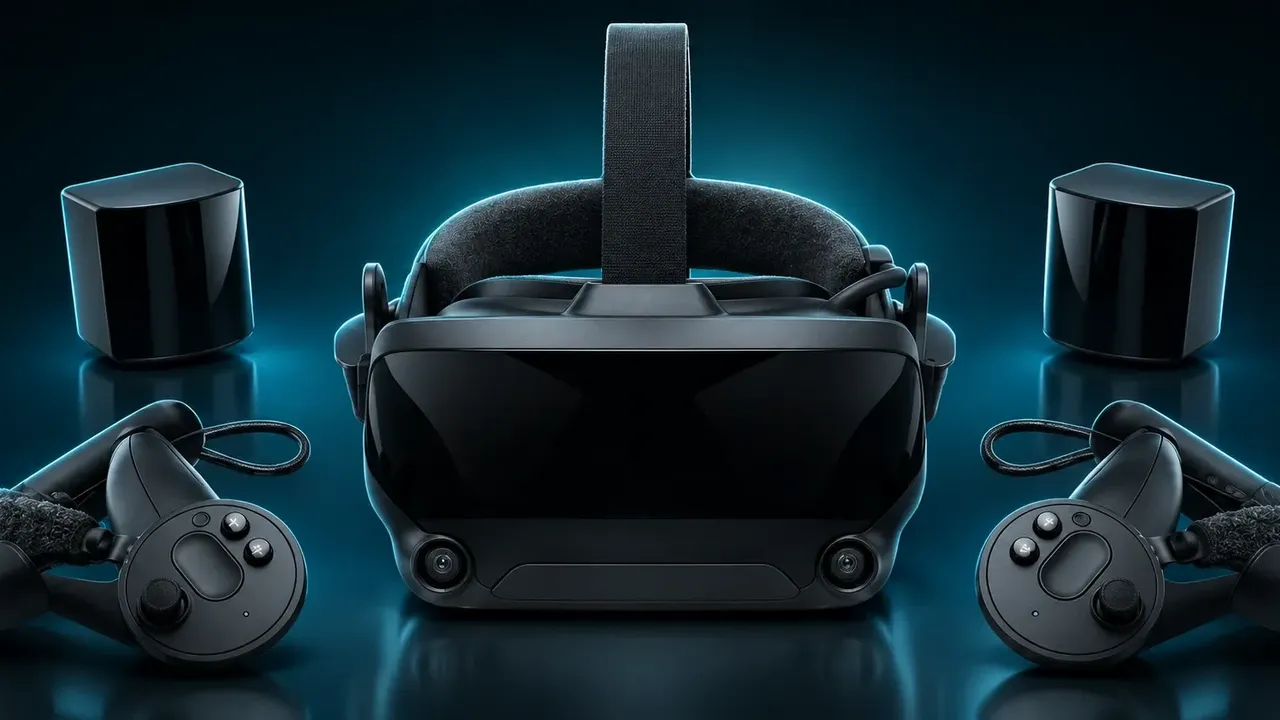
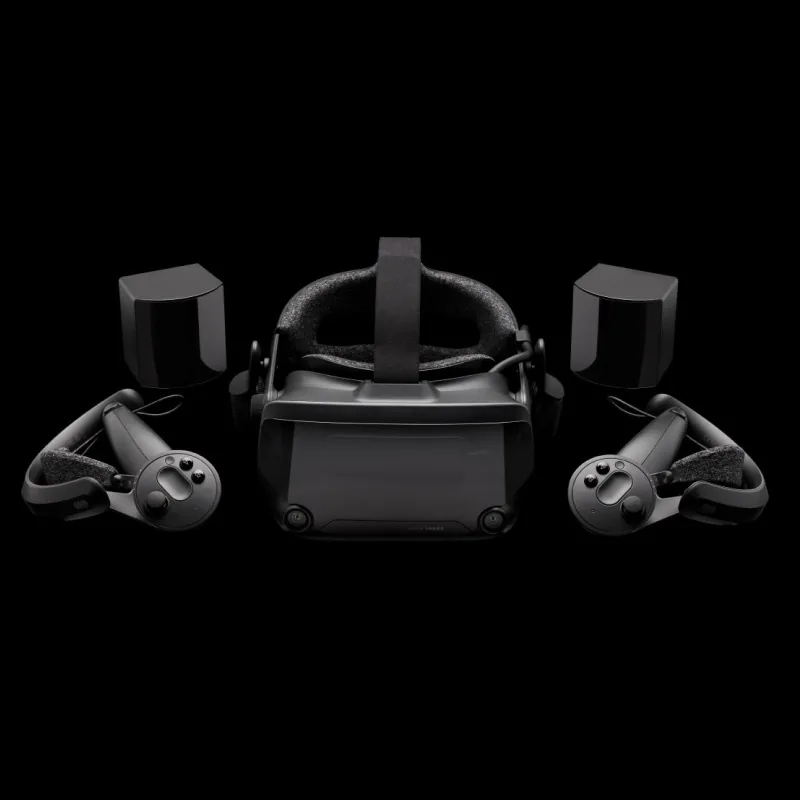
The Valve Index Full Kit provides everything required for room-scale SteamVR play:
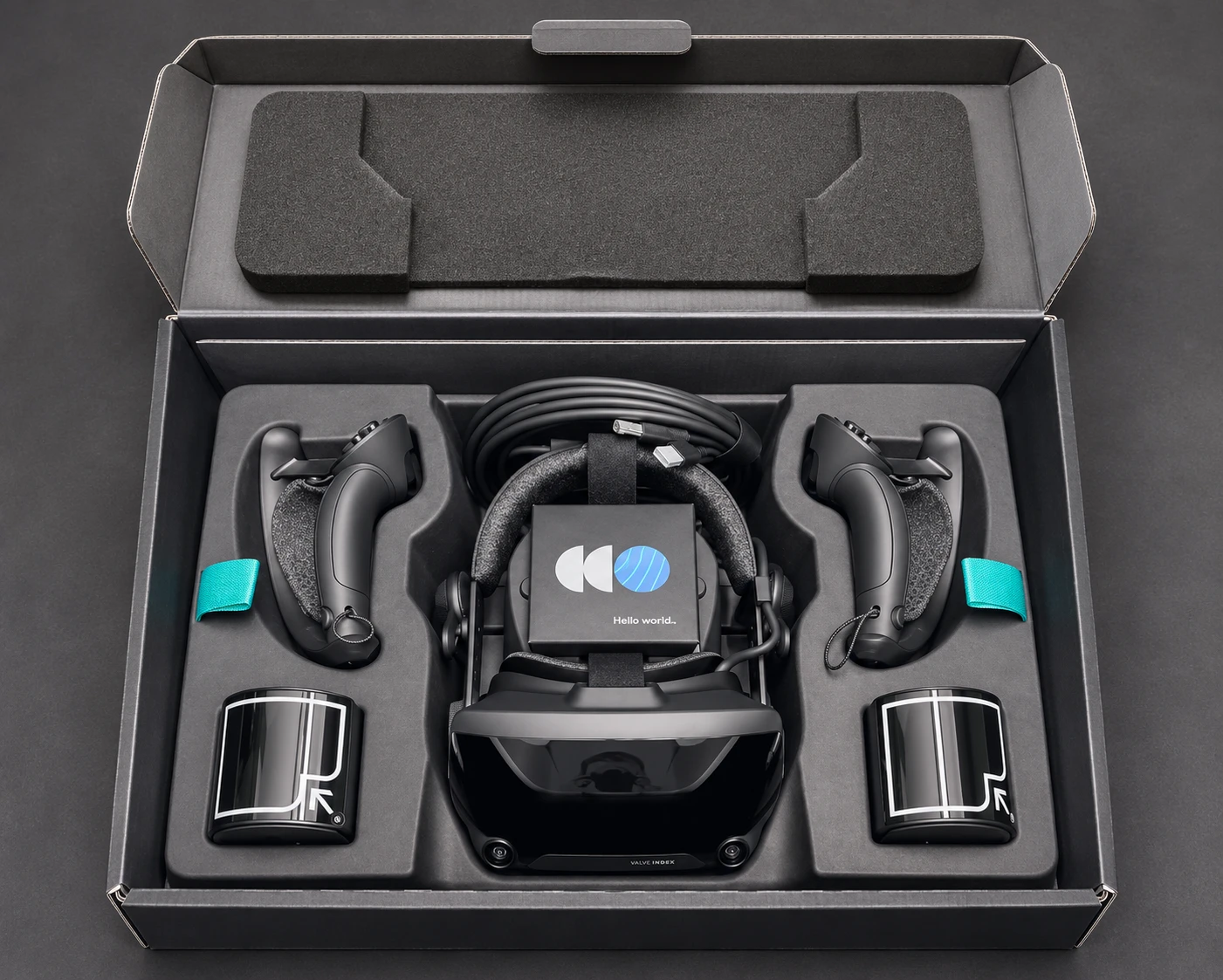
- Valve Index headset with integrated off-ear speakers and magnetic face gasket.
- Headset cable, Trident 3-way splitter cable (DisplayPort, USB 3.0, power), and power supply.
- Headset cradle adapter (foam insert for smaller heads or kids).
- 2 × Valve Index Controllers and 2 × SteamVR 2.0 Base Stations with 15ft power cables, mounts, and adapters.
- Quick set-up guide.
2. Display & Ultra-Low Illumination Period
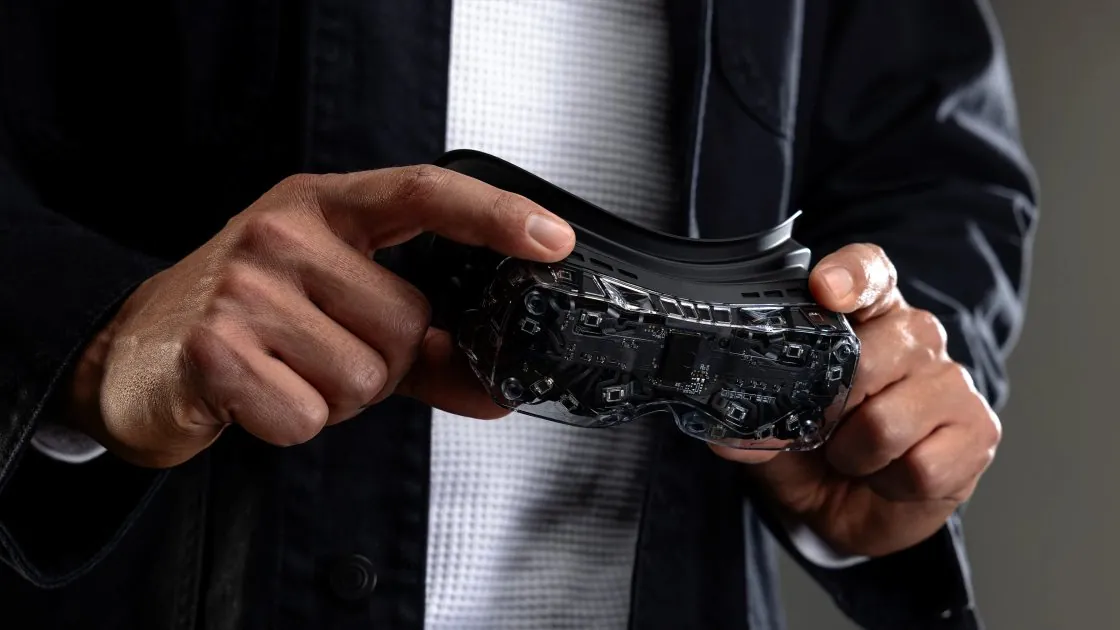
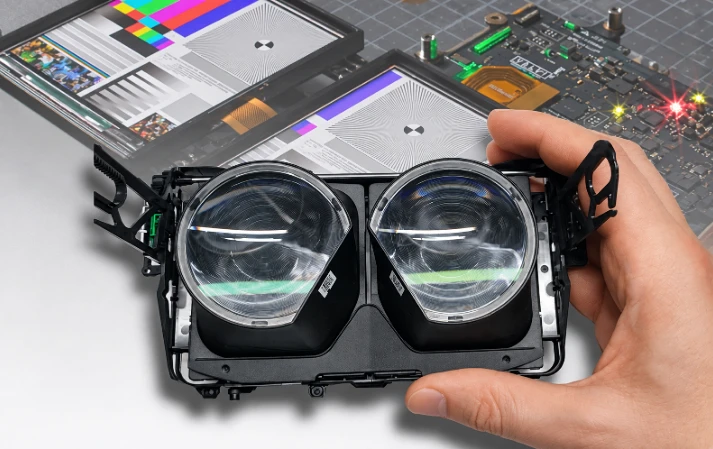
The headset uses dual 1440×1600 RGB LCD panels (2880×1600 combined). Full RGB sub-pixels provide 50% more sub-pixels than OLED at the same resolution, boosting sharpness without extra GPU rendering cost, while a 3× higher fill factor minimizes the screen-door effect.
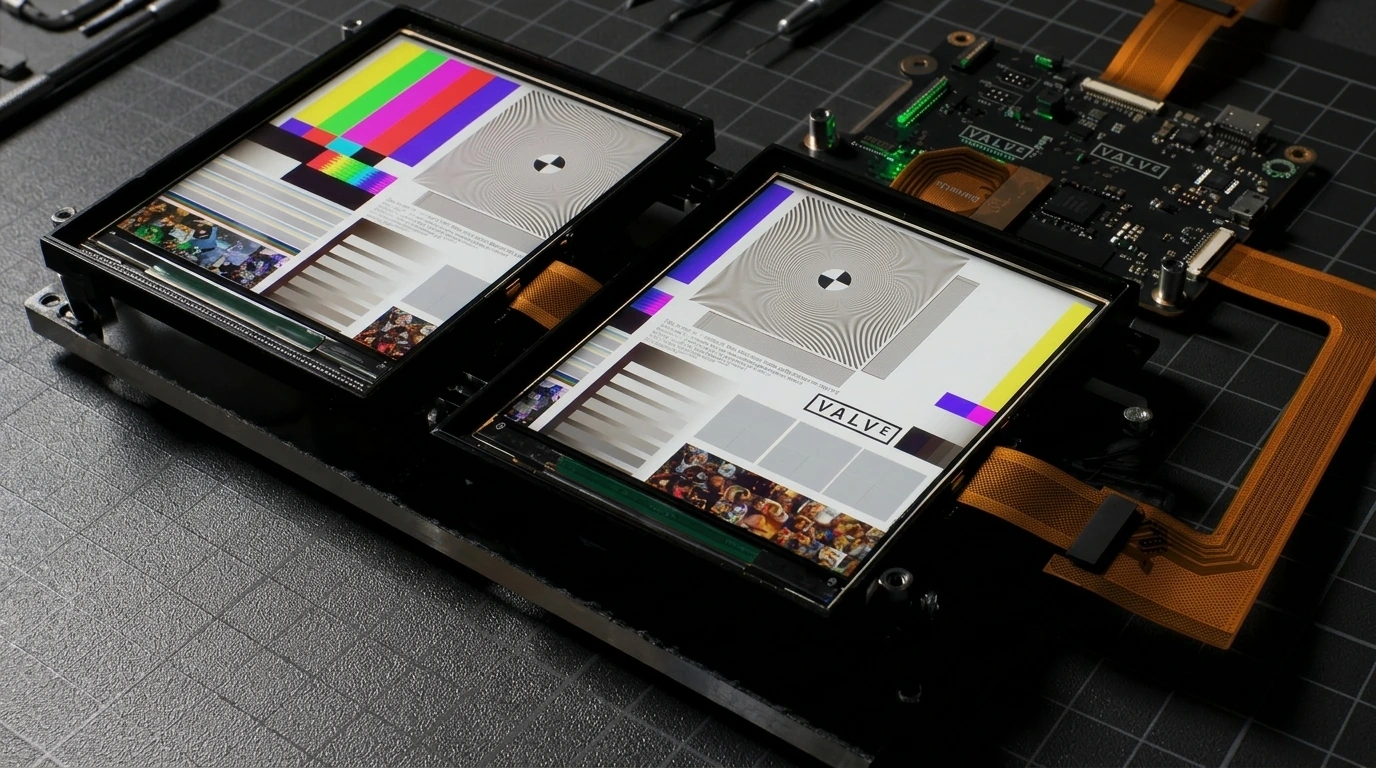
Running at 120Hz with backward compatibility to 90Hz/80Hz and an experimental 144Hz mode, the panels also boast an ultra-low illumination period of 0.330 ms to 0.530 ms. Compared to first-gen headsets like the Oculus Rift (2.0 ms) and HTC Vive (1.85 ms), motion remains razor-sharp even during fast head turns.
3. Canted Lenses & Field of View (FOV)
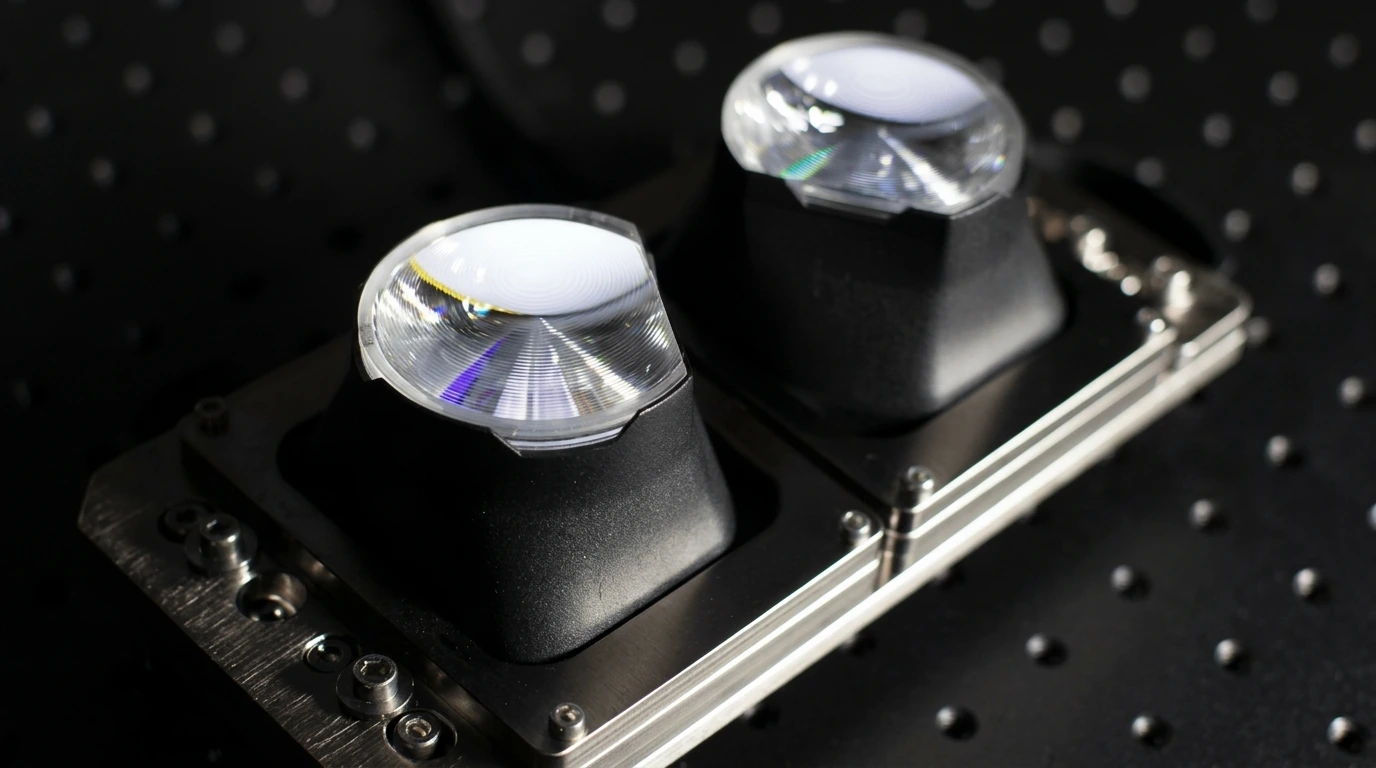
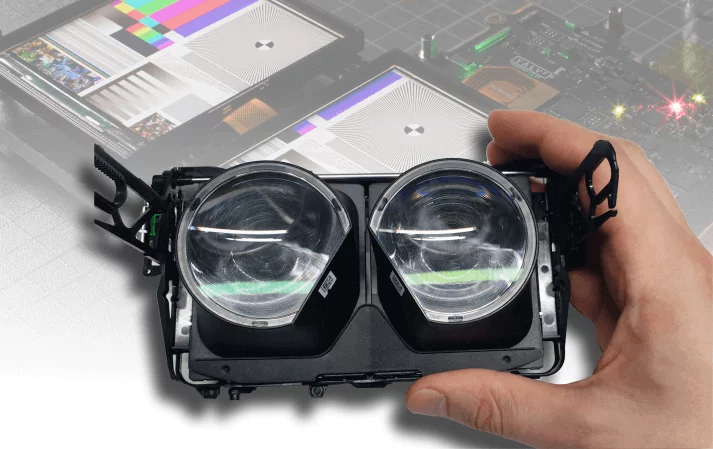
Valve pairs a horizontal IPD slider (58–70 mm) with a Z-axis eye-relief dial that positions the lenses as close to your eyes (or glasses) as possible. Combined with custom dual-element lenses canted at 5 degrees, the Index expands FOV by roughly 20° over the original HTC Vive (up to ~130°) while maintaining edge-to-edge clarity and low geometric distortion.
4. Off-Ear Audio Experience
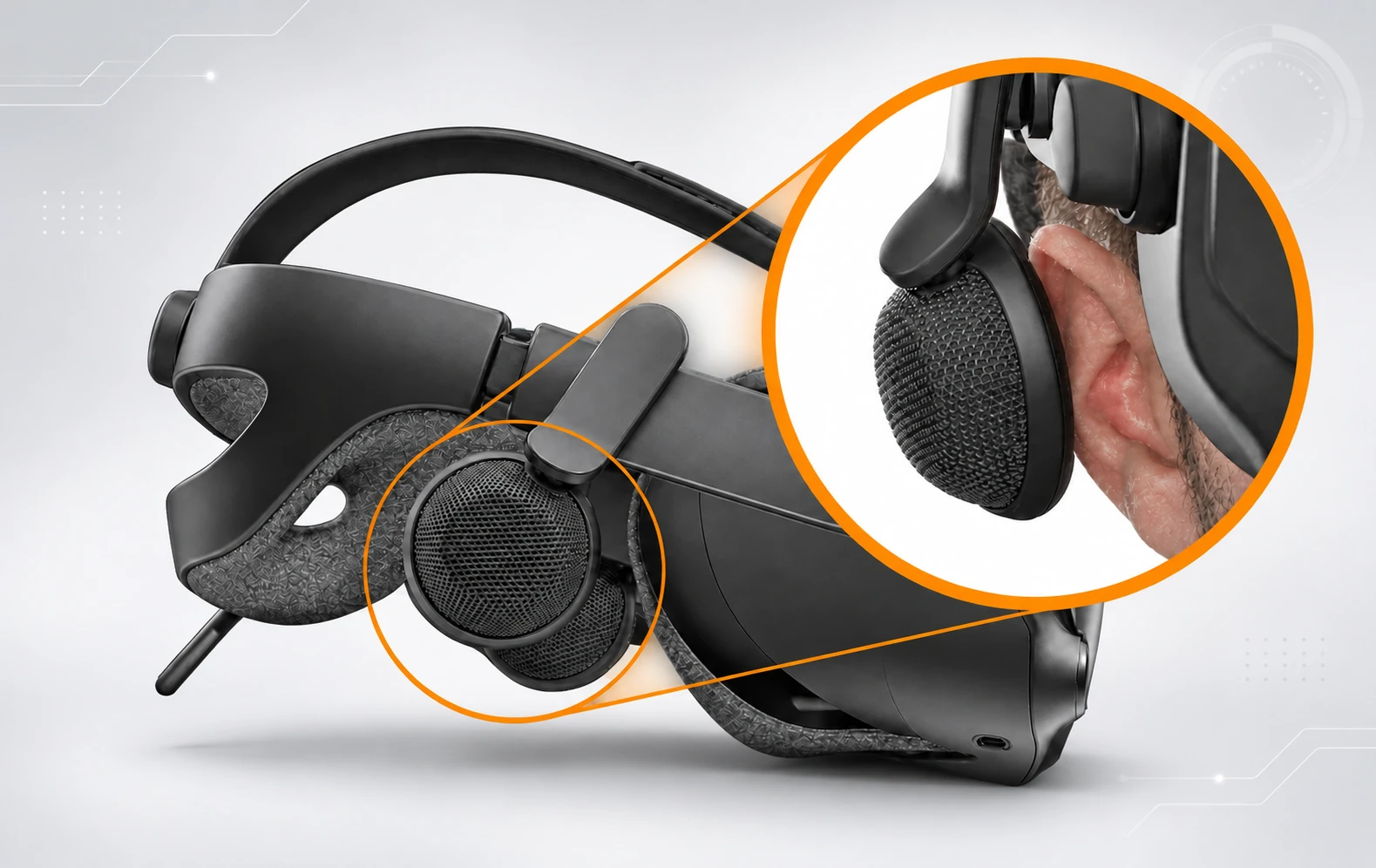
Rather than pressing against your ears, the side-mounted off-ear speakers hover just beside them. Sound waves interact naturally with your head and ear geometry so virtual audio feels external and spatial. Composite honeycomb panel drivers offer a nearly 180° dispersion pattern, avoiding heat or ear itching during long sessions. Each speaker can be detached via a single screw if you prefer using the recessed 3.5mm headphone jack.
5. Ergonomics, Cameras & "The Frunk"
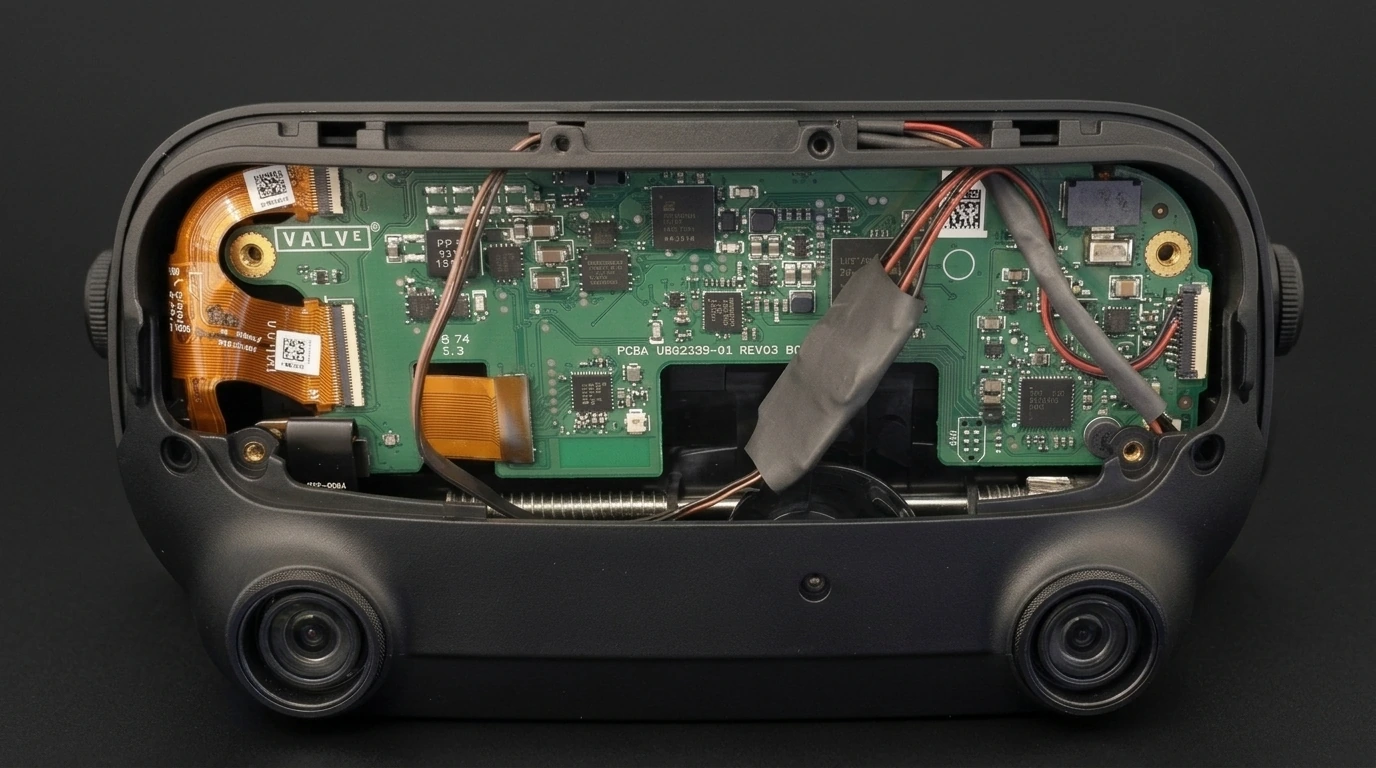
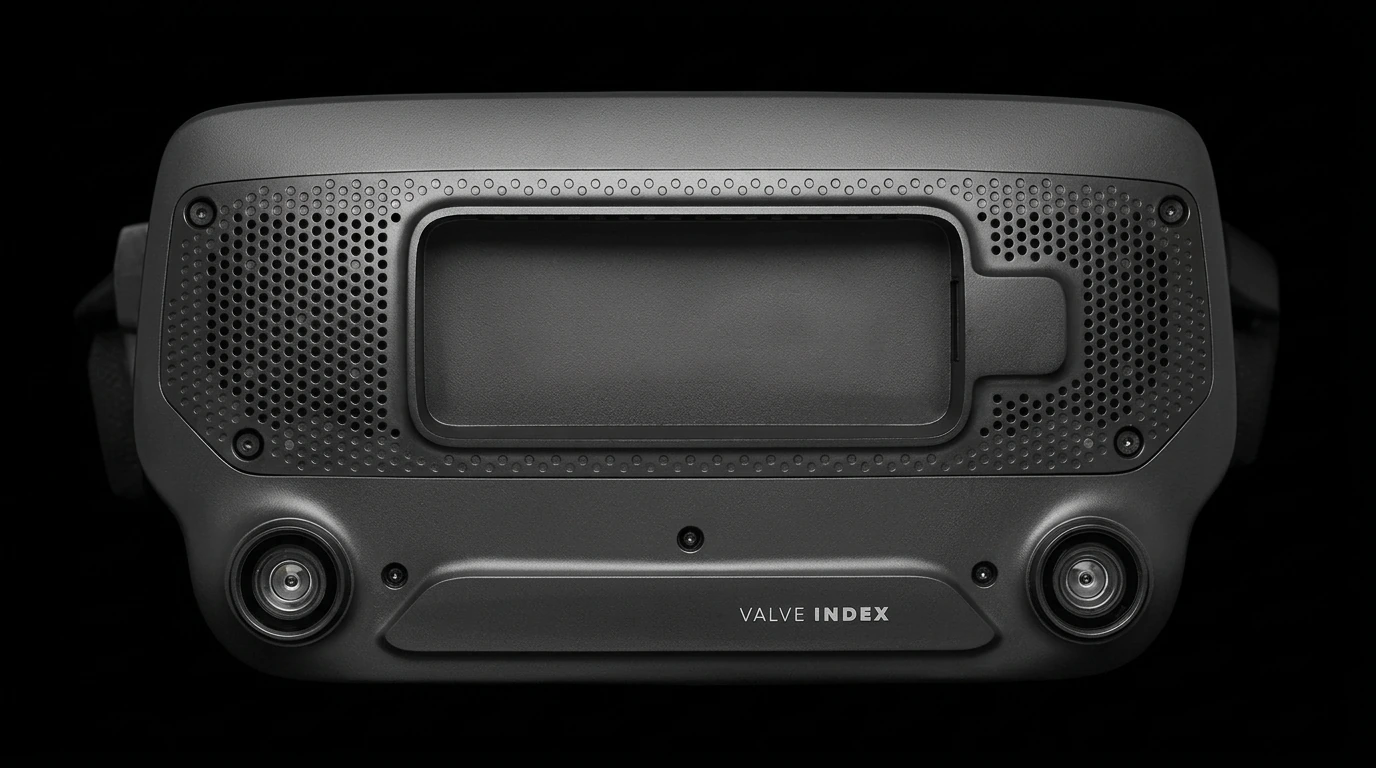
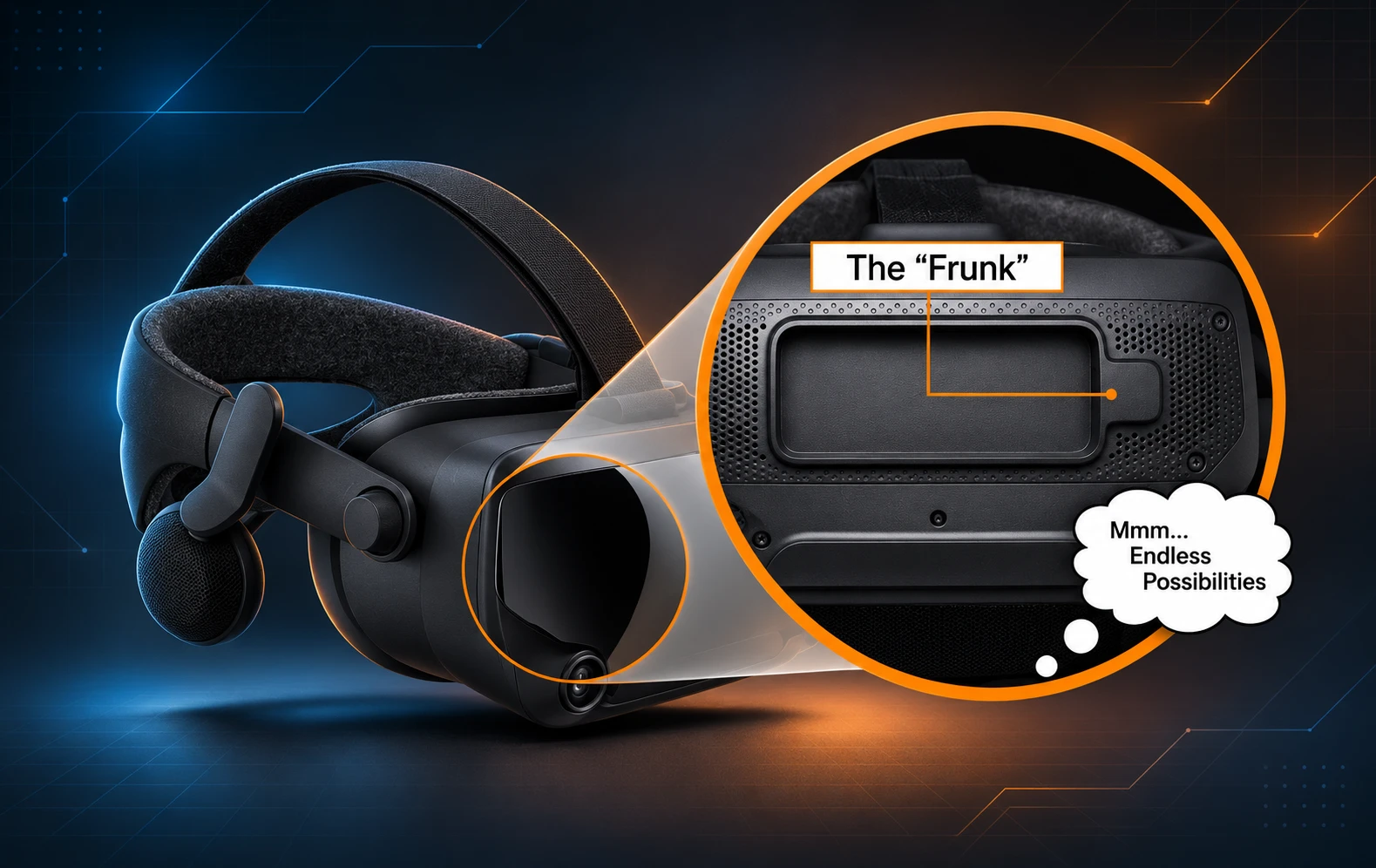
Antimicrobial fabric padding, a rear fit dial, and a magnetic face gasket distribute the headset's 809g weight evenly. Up front, a recessed bay called "The Frunk" houses a USB 3.0 Type-A port for hardware modders, alongside stereo global-shutter RGB cameras for room passthrough and computer vision.
6. Base Stations 2.0 & Room-Scale Tracking
Two external SteamVR 2.0 Base Stations sweep fixed lasers 100 times per second to track photonic sensors on the headset and controllers without occlusion blind spots. They cover a 400% larger play area than first-gen stations and expand up to 10×10 meters with four stations.

7. Index Controllers: 87 Sensors & Open-Handed Throwing
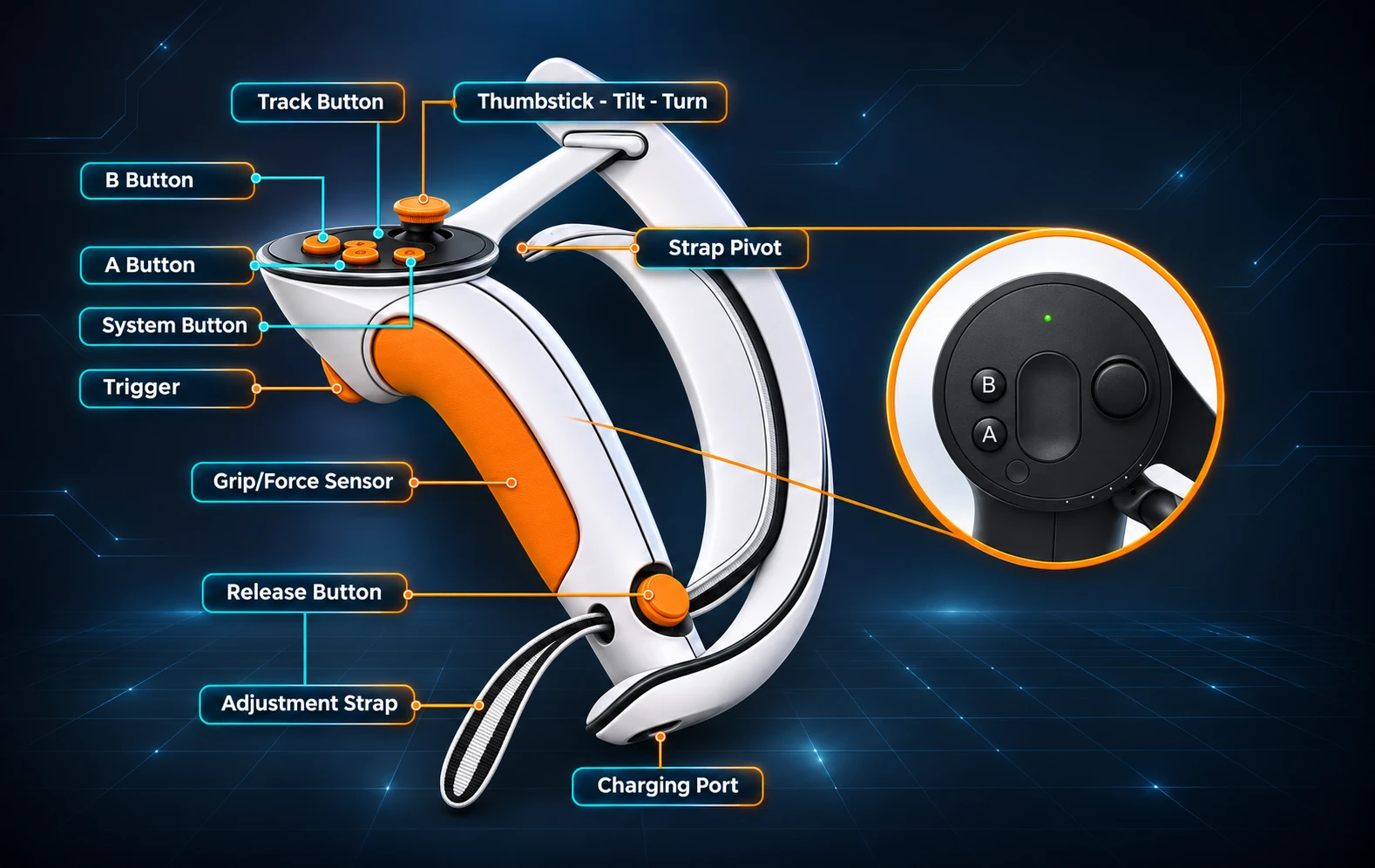
Each Valve Index Controller integrates 87 sensors tracking hand pose, individual finger curl, motion, capacitance, and squeeze force. Strapped to your knuckles rather than gripped constantly, they let you fully open your hand to drop or throw objects naturally without launching your controller across the room.

The grip body senses everything from a light touch to a firm crush, while the oval face button acts as a force-sensitive trackpad, scroll wheel, or haptic button.
8. Games & Hands-On Testing at 120Hz / 144Hz
Valve's flagship shooter Half-Life: Alyx leads a rich library of natively supported games including Beat Saber, Boneworks, The Walking Dead: Saints & Sinners, Shadow Legend VR, GORN, Duck Season, Superhot VR, Arizona Sunshine, Moss, A Fisherman's Tale, Phantom: Covert Ops, and The Lab.







During VROne's 90-minute Beat Saber test sessions, technician Chez attached a mini USB cooling fan to The Frunk. The headset stayed balanced with zero neck strain, worked comfortably over prescription glasses, and showed minimal glare (God rays).

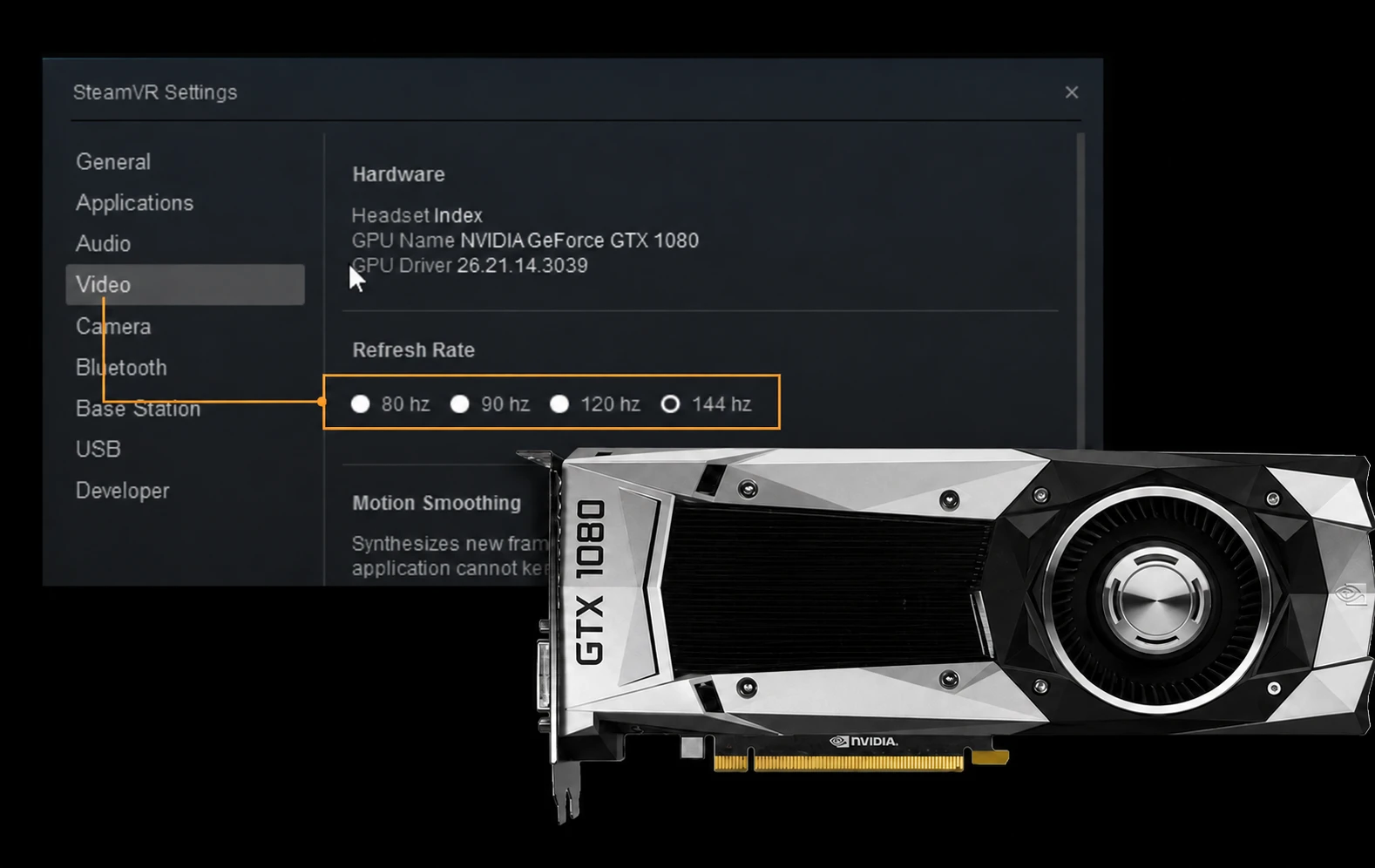
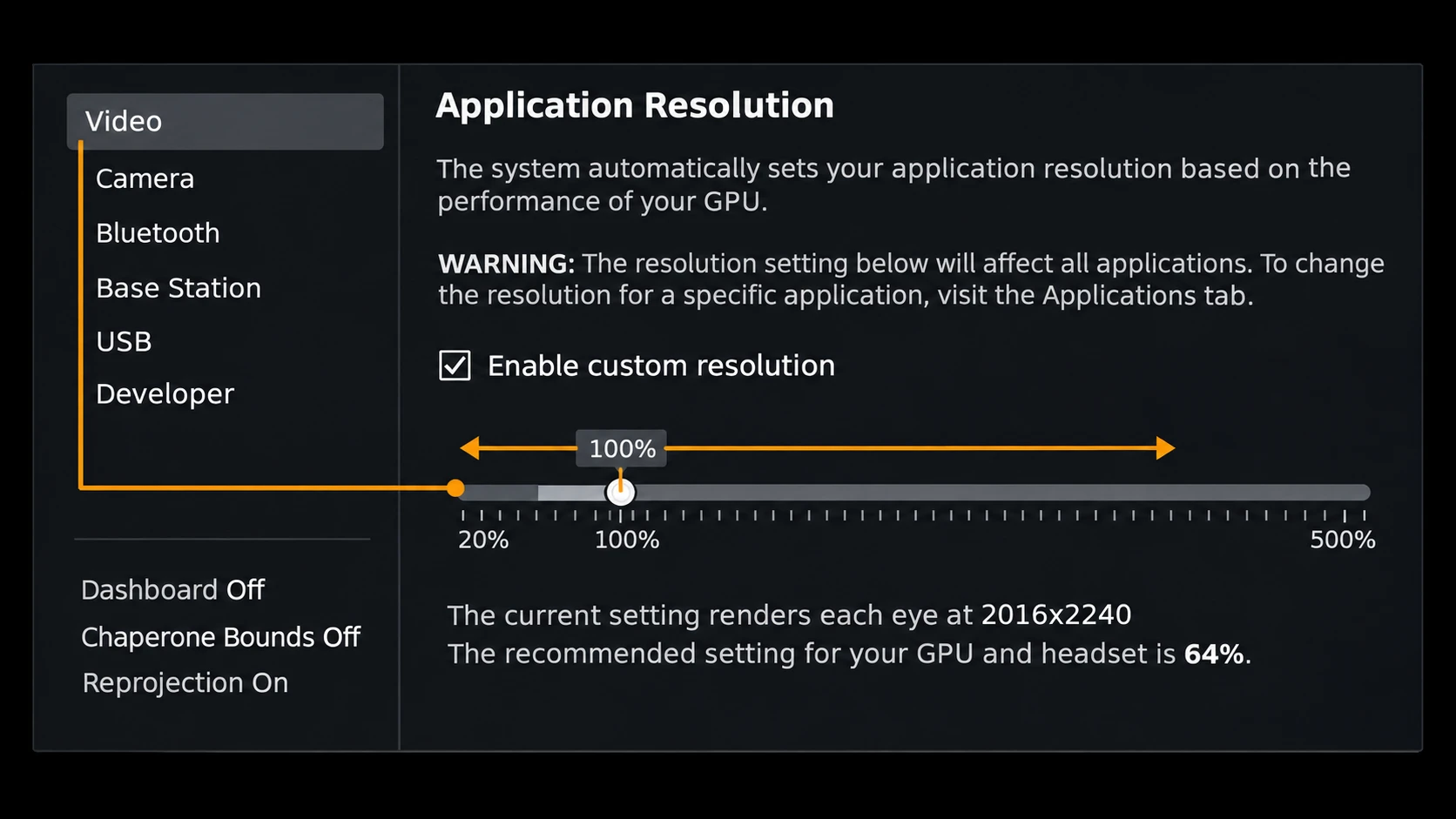
On an Intel Core i9 PC with 32GB RAM and an RTX 2080, the experimental 144Hz mode ran flawlessly. On GTX 1070 Ti and 1080 Ti rigs, 120Hz ran smoothly after adjusting the Render Resolution slider in SteamVR settings.
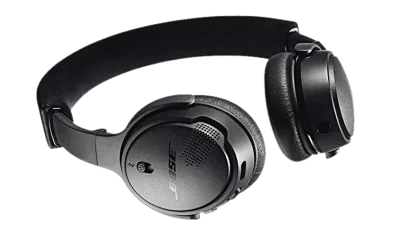
In noisy rooms where ambient chatter bled through the off-ear speakers, plugging Bose over-ear headphones into the recessed 3.5mm port improved bass and isolation. When finished, the breakaway tether detached cleanly while leaving PC cables plugged in.
9. Recommended PC Specs & Present-Day Value
- GPU: Minimum GTX 970 / RX 480; recommended GTX 1070 Ti / RTX 2080 Super / RTX 3070+ for 120–144Hz.
- CPU & RAM: Quad-core+ processor and 8 GB+ RAM.
- Ports & OS: DisplayPort 1.2+, USB 3.0+, Windows 10 / SteamOS / Linux.
At £1,000 ($999) at launch, VROne dubbed the Index "the Mercedes of HMDs." Today—with Valve ending production in favor of the wireless Valve Steam Frame and pancake-lens rivals like Meta Quest 3 and Bigscreen Beyond 2 offering higher pixel density—its 1440×1600 panels and wired Base Station setup show their age. Even so, its 144Hz motion clarity, off-ear audio, ergonomic balance, and Knuckles controllers remain a landmark PC VR experience.