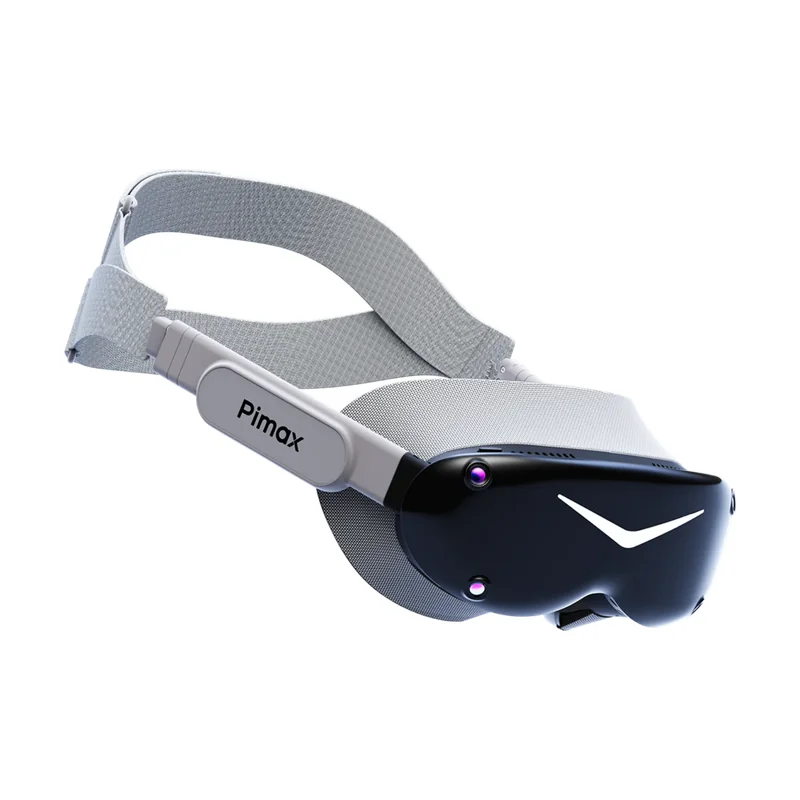
Pimax Dream Air
par Pimax
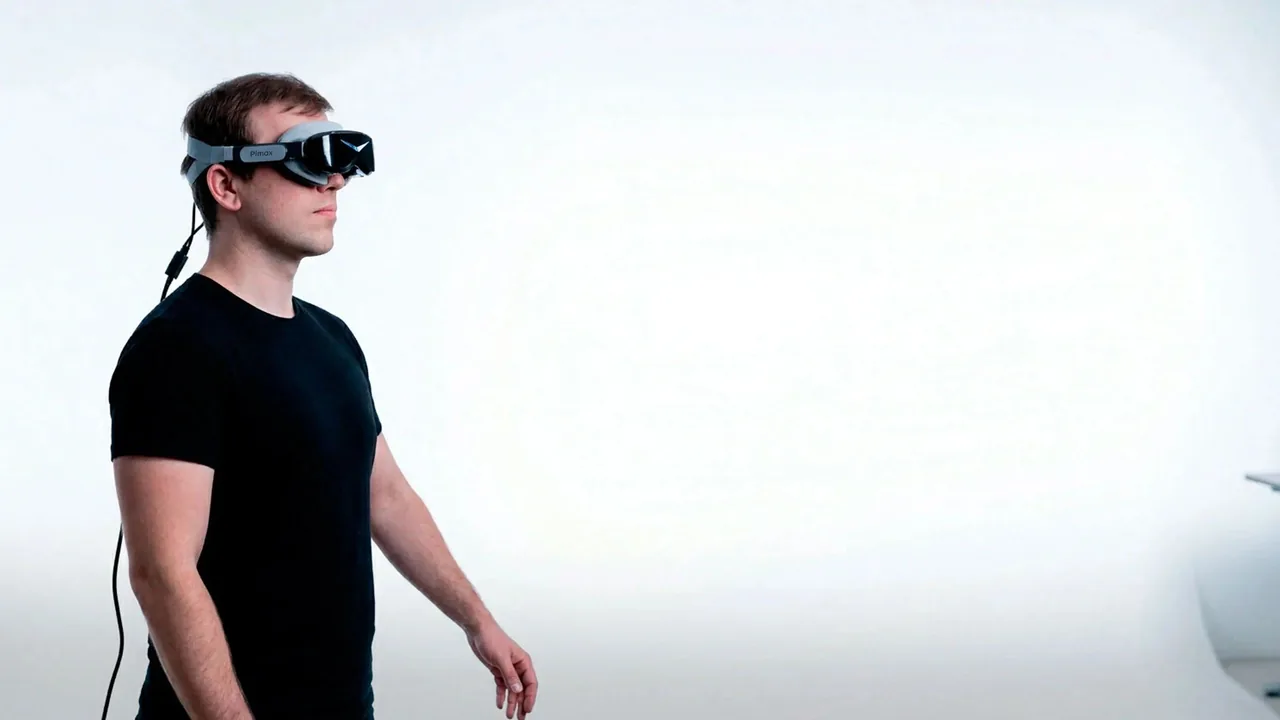
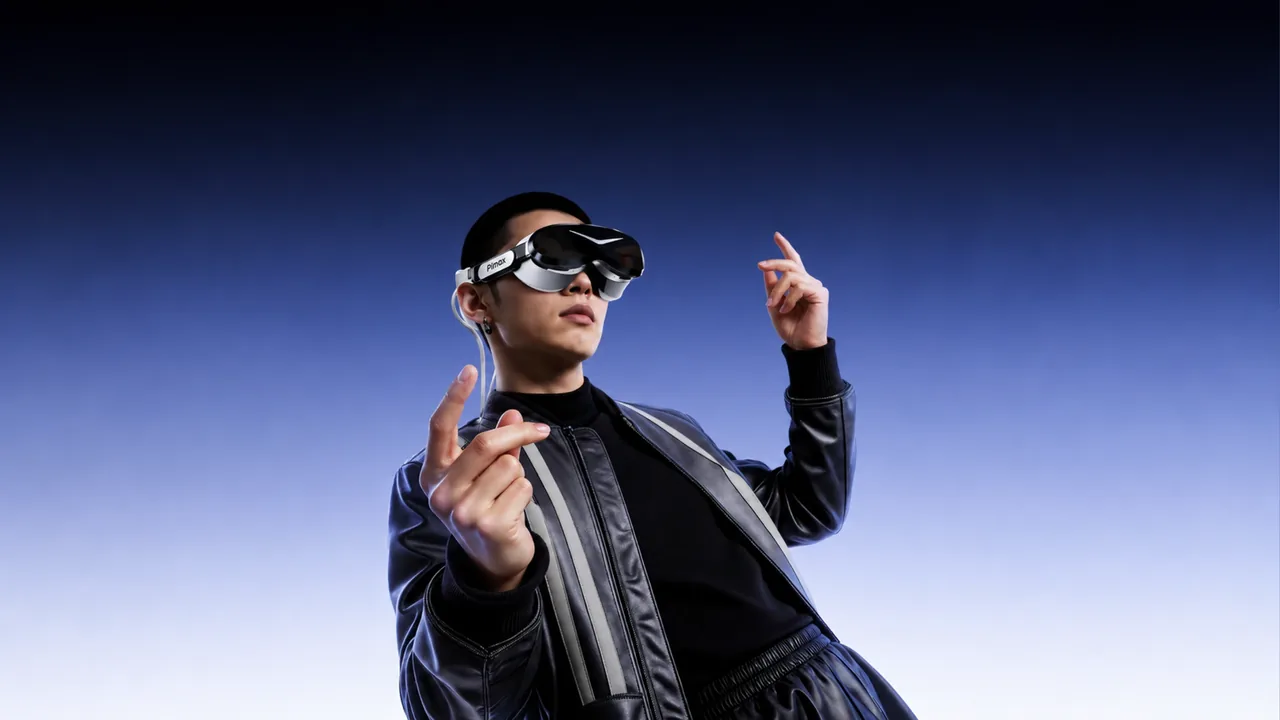
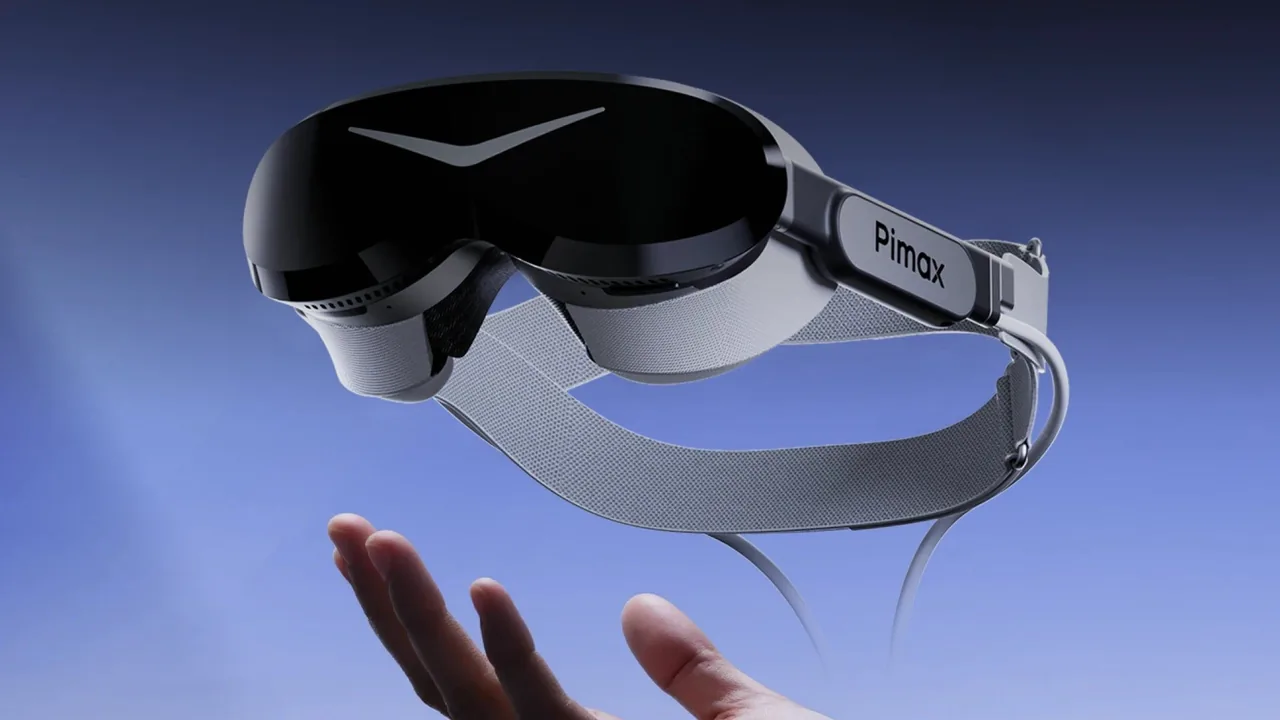
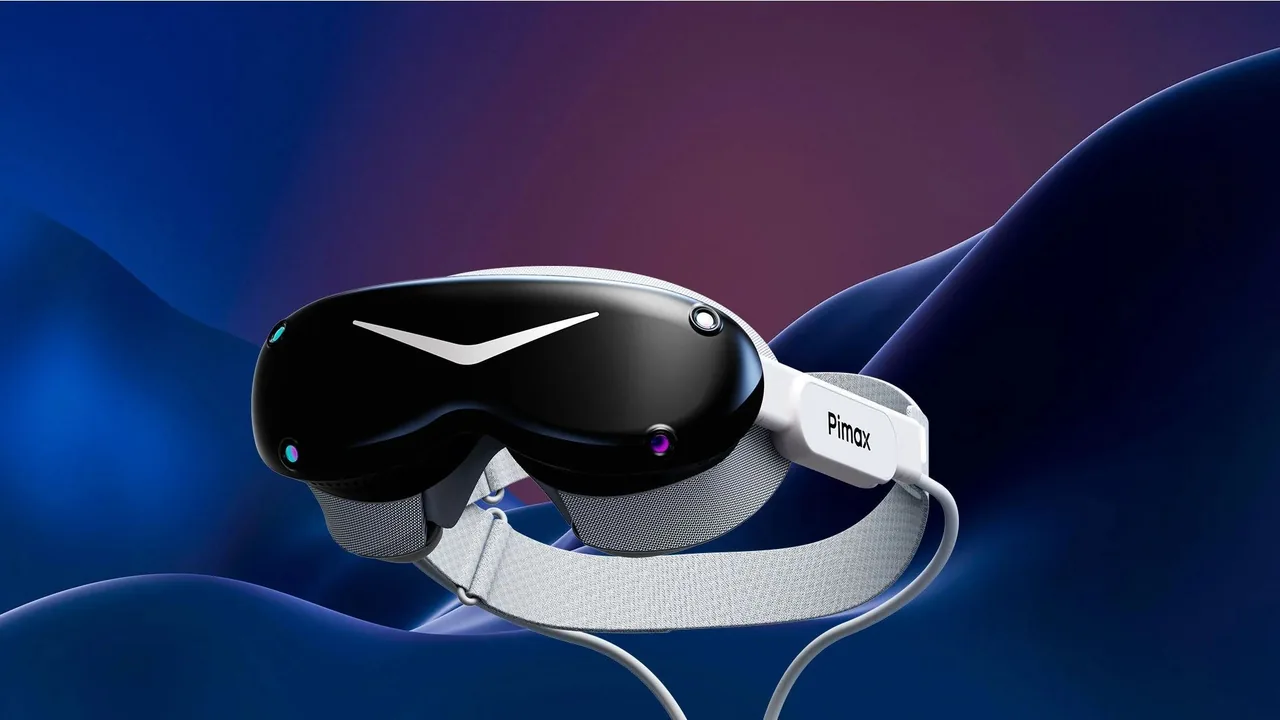
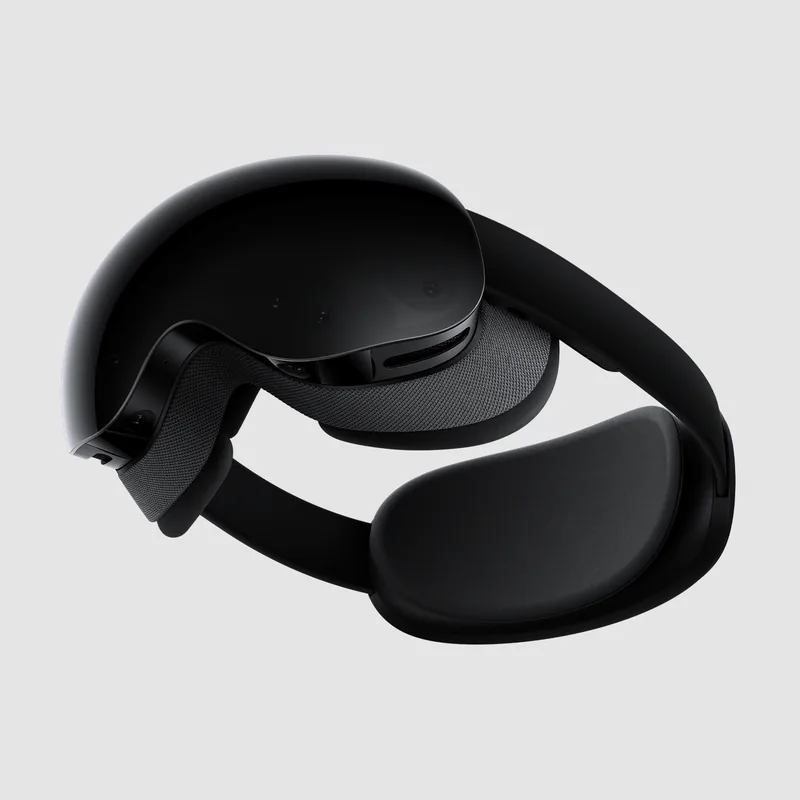
Pimax's sub-170 g PC VR headset with Sony micro-OLED panels, pancake lenses, eye tracking and a choice of inside-out or SteamVR base-station tracking.
- Par œil
- 3840 × 3552
- Taux de rafraîchissement maximal
- 90 Hz
- Champ de vision
- 110°
- Poids
- 170 g
Overview
The Pimax Dream Air is a small, light PC VR headset from Pimax. Pimax announced it at the end of 2024, then revised it with Sony micro-OLED panels and new pancake lenses. After several delays, it began shipping in February 2026. The Lighthouse version for SteamVR base stations costs $1,999 without controllers, and the SLAM version with inside-out tracking and two controllers costs $2,299. By October 2026, both were in stock. A cheaper Dream Air SE is sold separately.
Display and optics
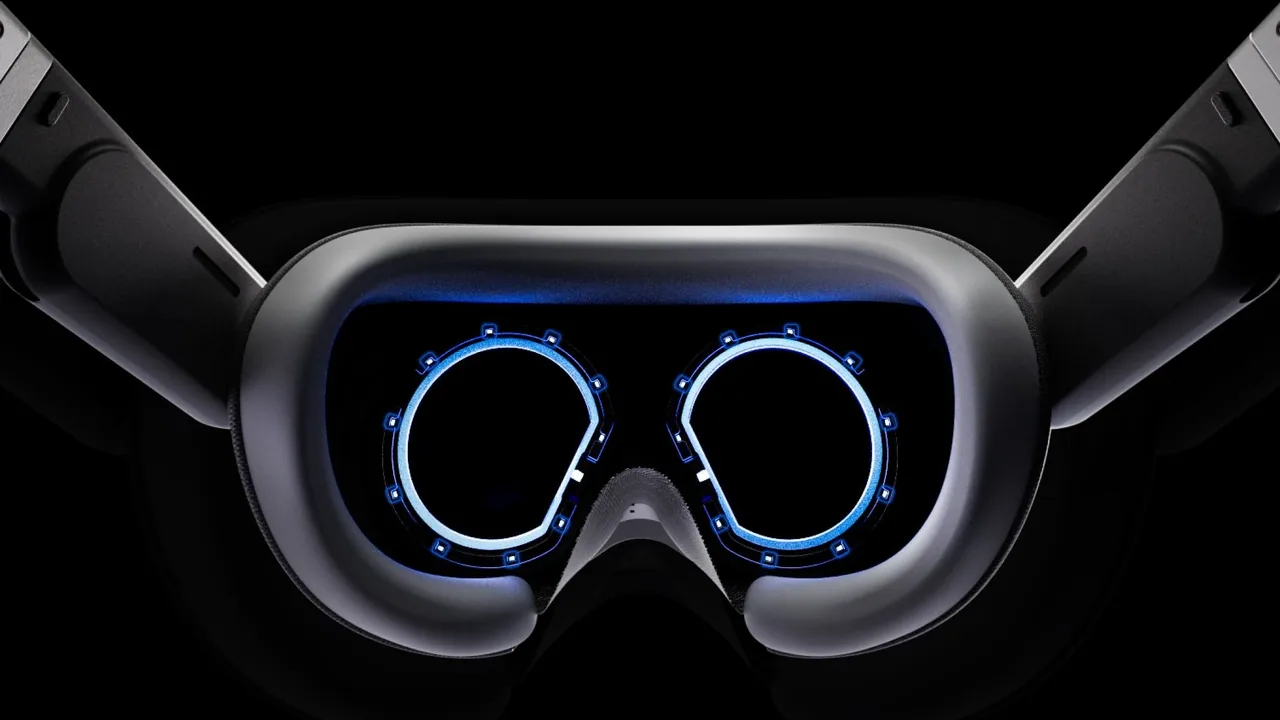
Each eye has a Sony micro-OLED panel with 3840 × 3552 pixels. Pimax's three-layer ConcaveView pancake lenses give a horizontal field of view of 110 degrees, which Pimax says is the widest of any micro-OLED headset this size. The panels run at 72 or 90 Hz. Lens spacing is set automatically between 58 and 72 mm using eye tracking, and lens inserts are sold for nearsighted users.
Comfort and design
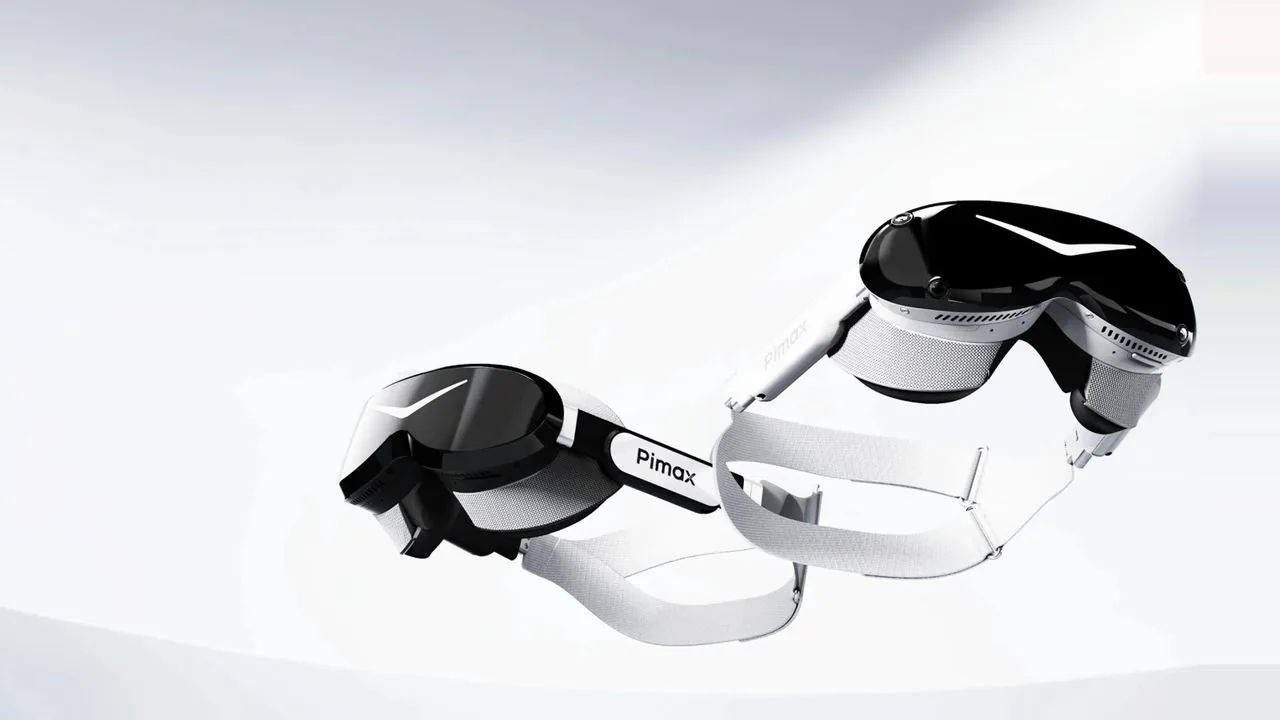
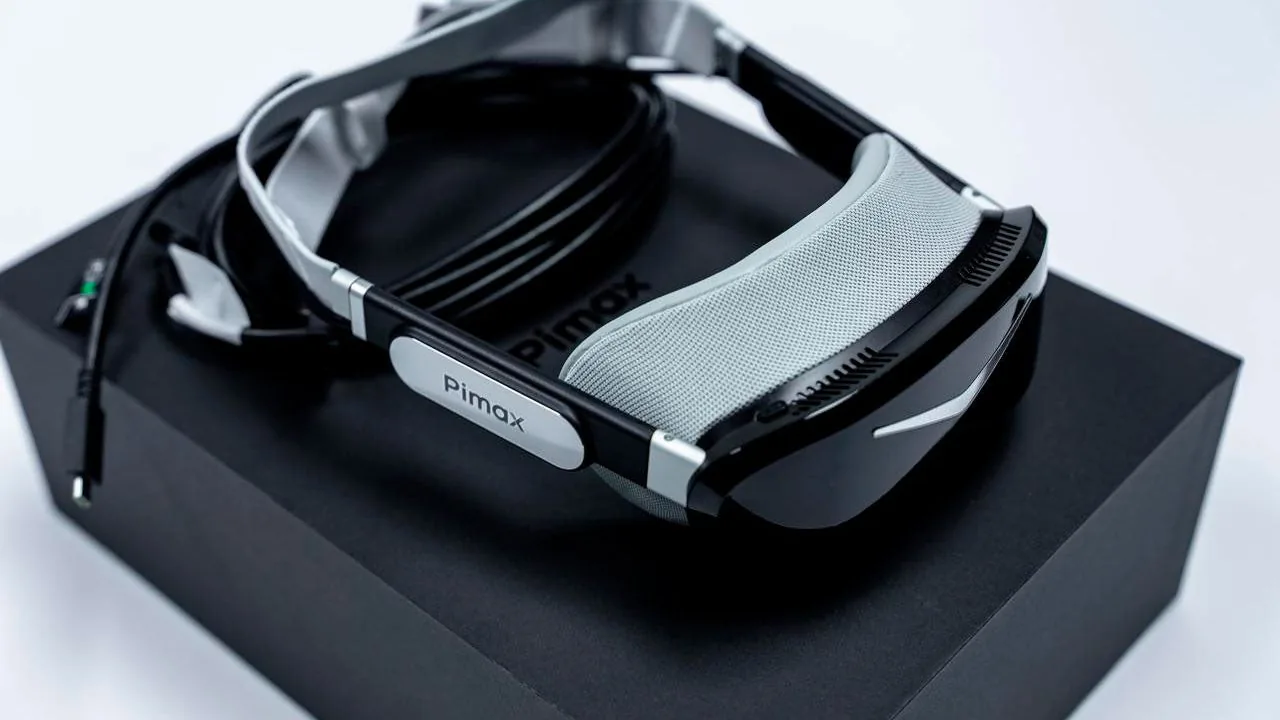
Pimax quotes under 170 g for the headset alone. It has a soft face mask, a backstrap, built-in spatial audio and two small cooling fans. Early units shipped with a temporary fabric strap while Pimax finished the final backstrap. A split cable carries DisplayPort 1.4a and USB 3.0 to the PC.
Tracking and controllers
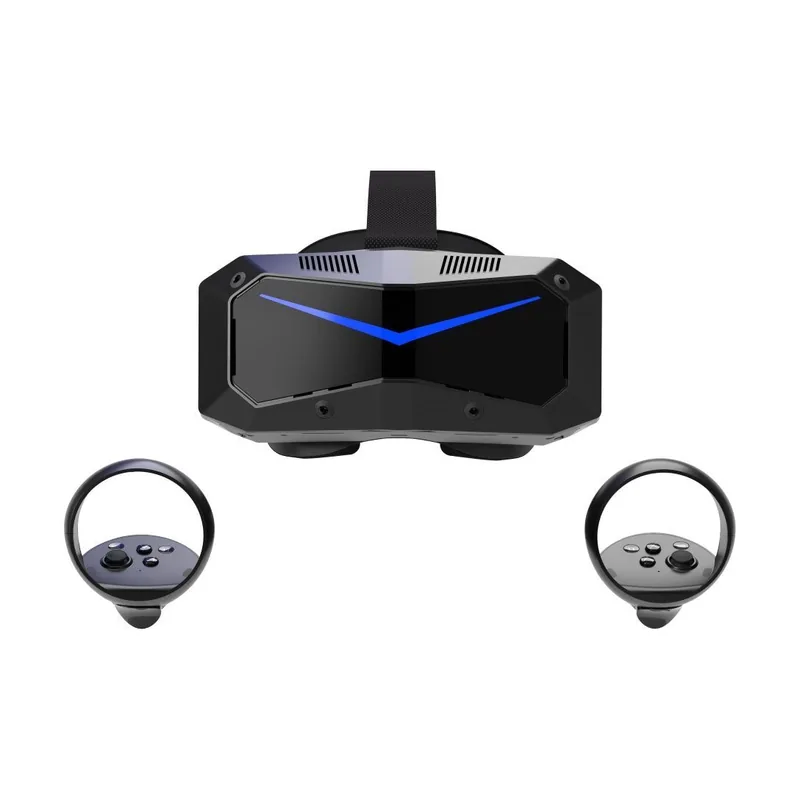
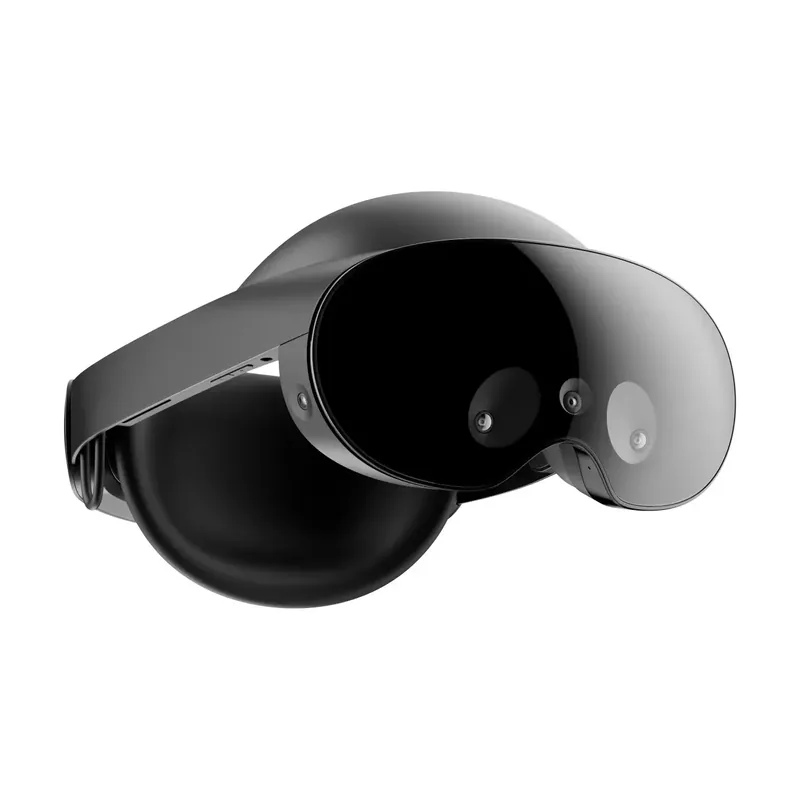
The SLAM version tracks itself and its two included 6DoF controllers with four cameras on the headset, so no base stations are needed. It also supports hand tracking and passthrough. The Lighthouse version needs one or two SteamVR base stations, sold separately, and ships without controllers. It works with SteamVR controllers such as the Valve Index controllers and supports SteamVR trackers, but has no hand tracking or passthrough. Both versions have 120 Hz eye tracking.
Software and apps
The Dream Air connects to a Windows PC through Pimax Play and runs games from SteamVR and other OpenXR or OpenVR apps. Eye tracking powers dynamic foveated rendering, which draws full detail only where you look. Pimax Play also offers quad views rendering and GPU upscaling. Pimax lists an Nvidia RTX 2070 as the minimum GPU.
Who it is for
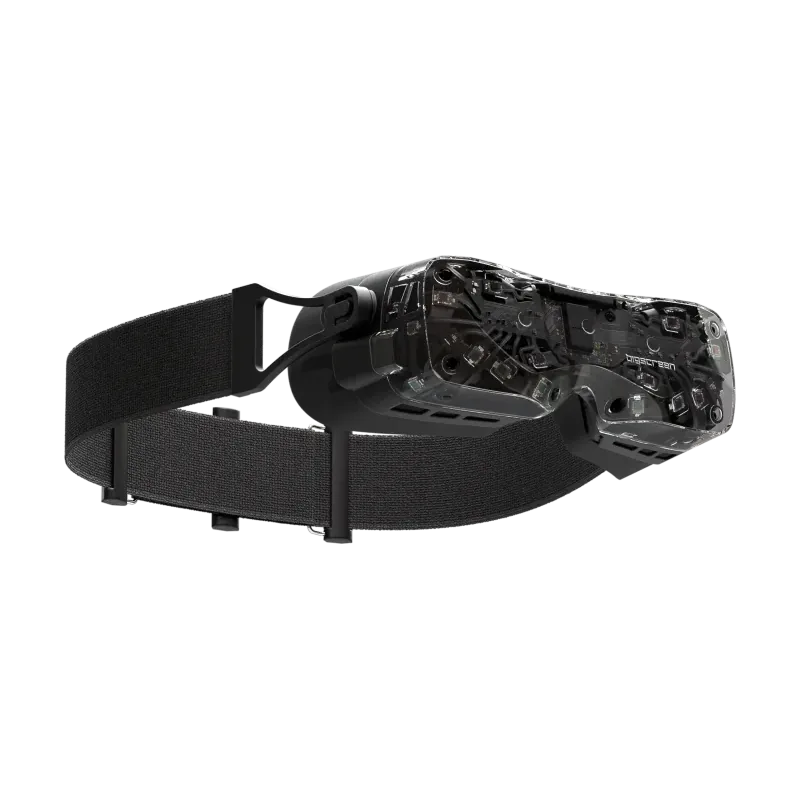
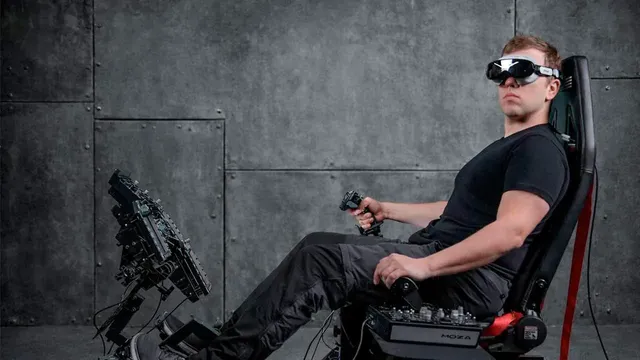
The Dream Air suits PC players who want micro-OLED sharpness in a headset light enough for long sessions. It weighs a fraction of Pimax's Crystal Super. Unlike the Bigscreen Beyond 2, it can be bought with inside-out tracking and controllers, so it does not need base stations.
Caractéristiques
Affichage et optique
- Écran
- Micro-OLED
- Lentilles
- Pancake
- Par œil
- 3840 × 3552
- Taux de rafraîchissement maximal
- 90 Hz
- Taux de rafraîchissement
- 72 Hz90 Hz
- Champ de vision
- 110° horizontale
- Plage d’IPD
- 58–72 mm
Matériel
- Poids
- 170 g (Headset only; Pimax quotes under 170 g)
Suivi et contrôleurs
- Suivi
- Inside-out
- Suivi des mains
- Oui
- Suivi du regard
- Oui
- Manettes
- Two 6DoF controllers with the SLAM version; Lighthouse version uses SteamVR controllers (not included)
- VR sur PC
- Filaire
Sortie et prix
- Statut
- Disponible
- Date de sortie
- 20 février 2026
- Prix de lancement
- 1 999 $US