
Pimax Crystal Super
par Pimax
Pimax's high-end PC VR headset with swappable optical engines, 3840 × 3840 QLED or Sony micro-OLED displays, eye tracking and up to a 140-degree horizontal field of view.
- Par œil
- 3840 × 3840
- Taux de rafraîchissement maximal
- 90 Hz
- Champ de vision
- 140°
Overview
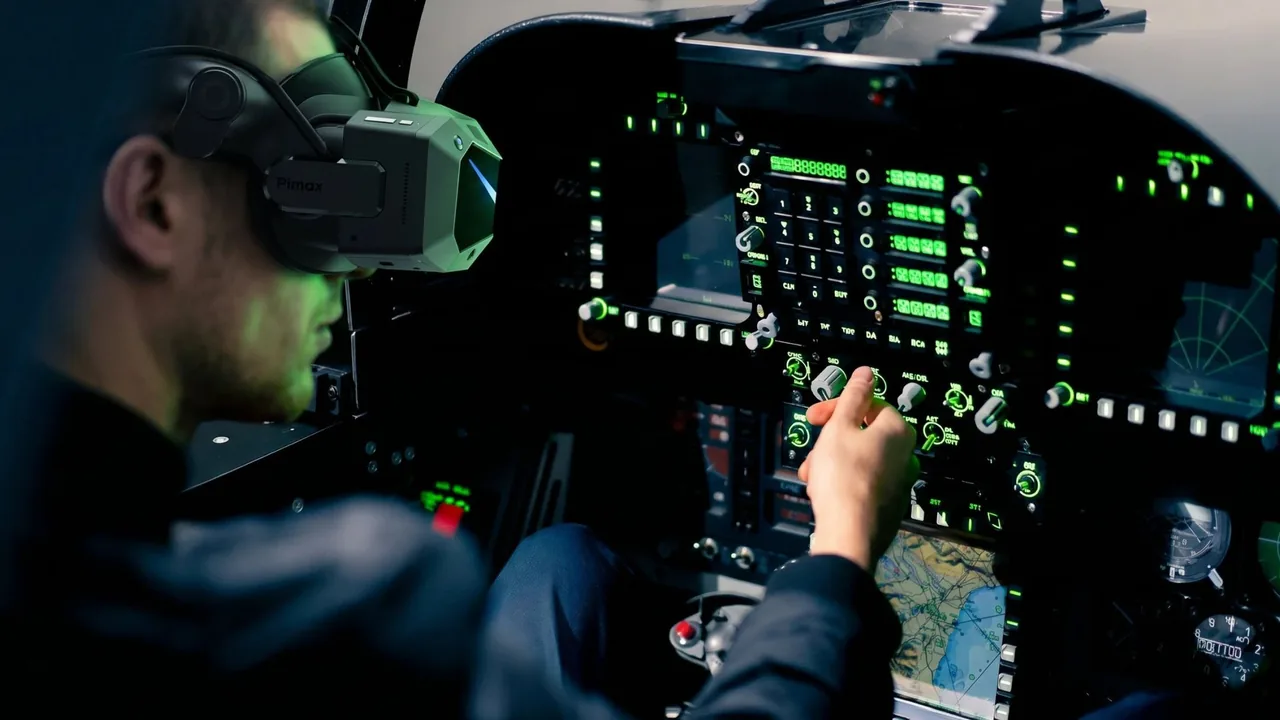
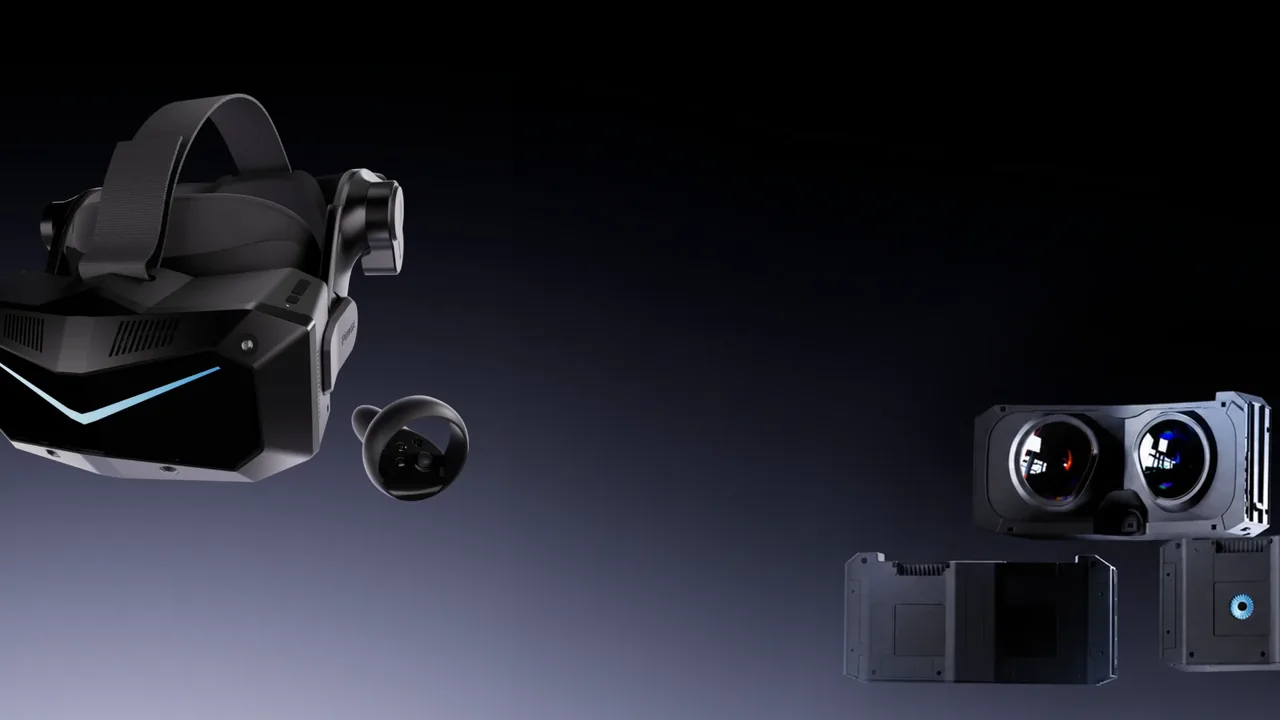
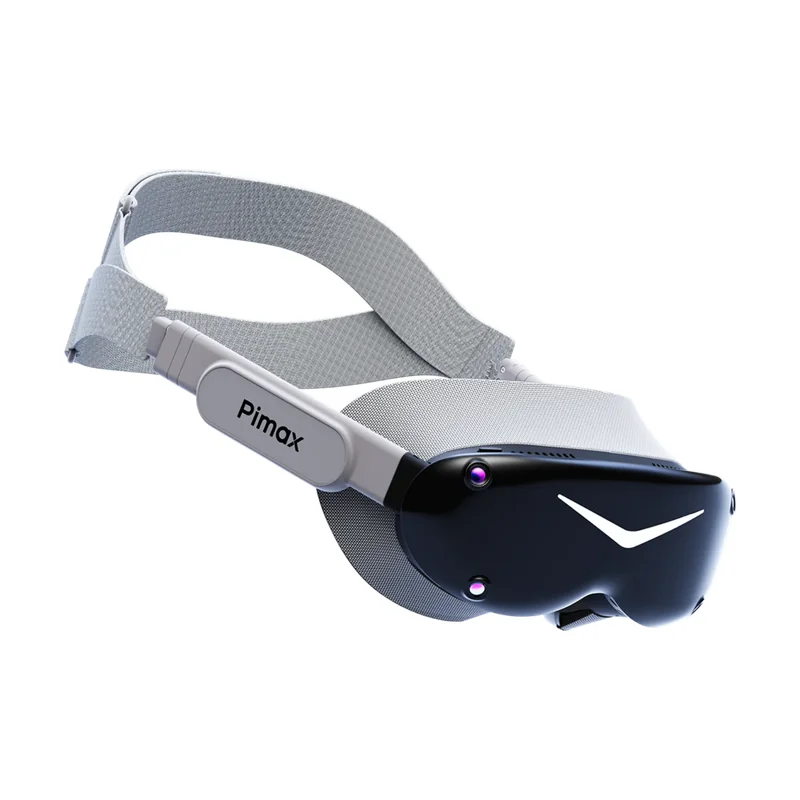
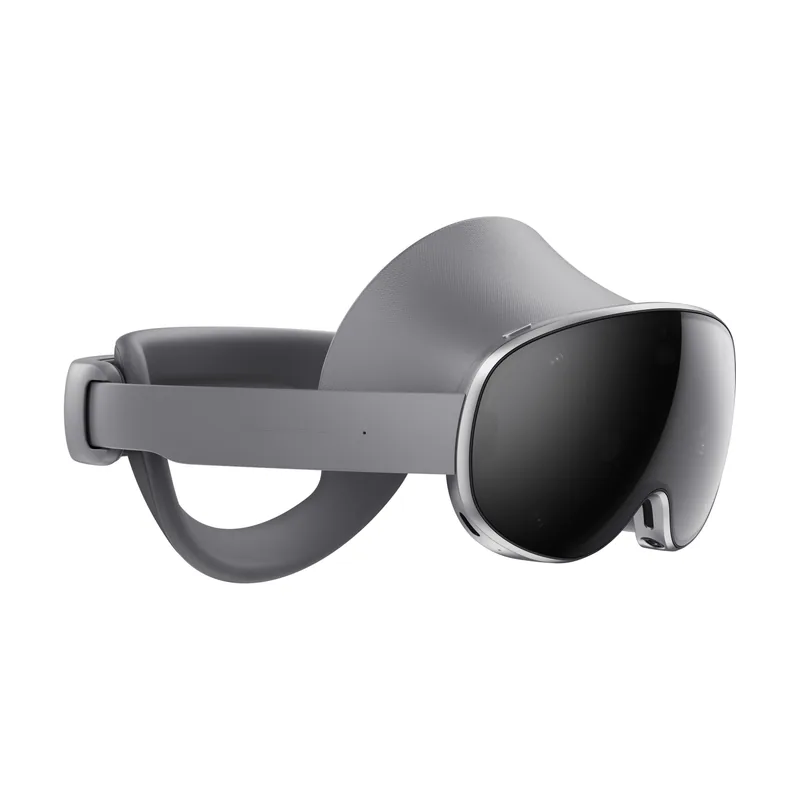
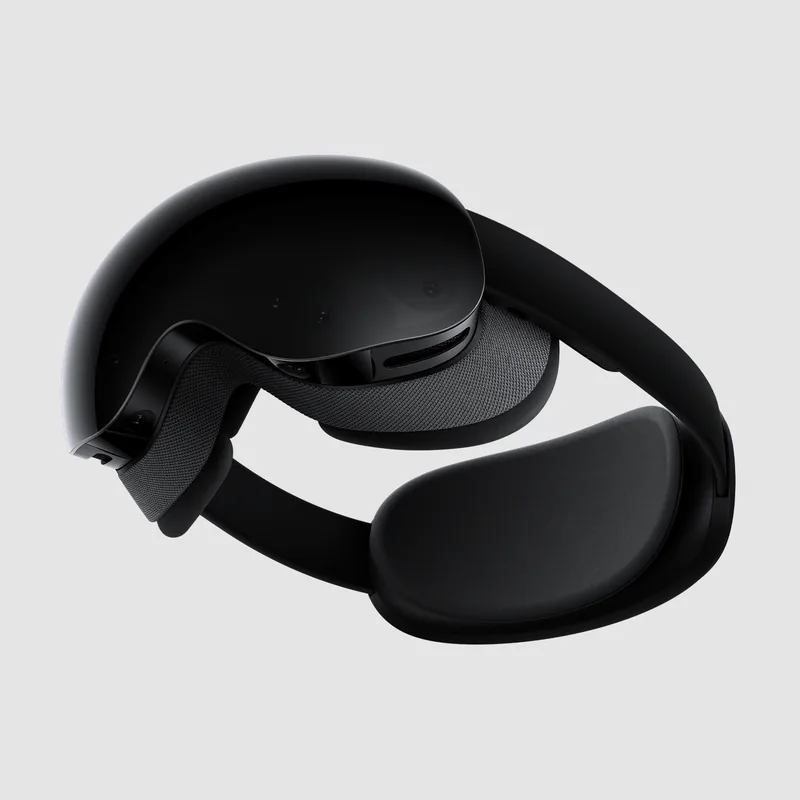
The Pimax Crystal Super is a high-end PC VR headset from Pimax, aimed mainly at flight and racing simulation. Pimax showed it in April 2024 and began shipping it on April 7, 2025, at $1,799. Its main feature is a replaceable optical engine. The displays and lenses sit in one module that owners can swap for another version without buying a new headset.
Display and optics
The three QLED engines use 3840 × 3840 panels per eye with a mini-LED backlight and local dimming, behind glass aspheric lenses. The 57 PPD engine gives the sharpest image with a horizontal field of view of 106 degrees. The 50 PPD engine widens it to 127 degrees, and the Ultrawide engine reaches 140 degrees at 50 PPD. All three cost the same. The Crystal Super 8K Micro-OLED, at $2,199, uses Sony micro-OLED panels with 3840 × 3552 pixels per eye and ConcaveView pancake lenses for 116 degrees. Pimax also sells this engine on its own to existing owners. All versions run at 72 or 90 Hz, and lens spacing adjusts automatically from 58 to 72 mm.
Comfort and design
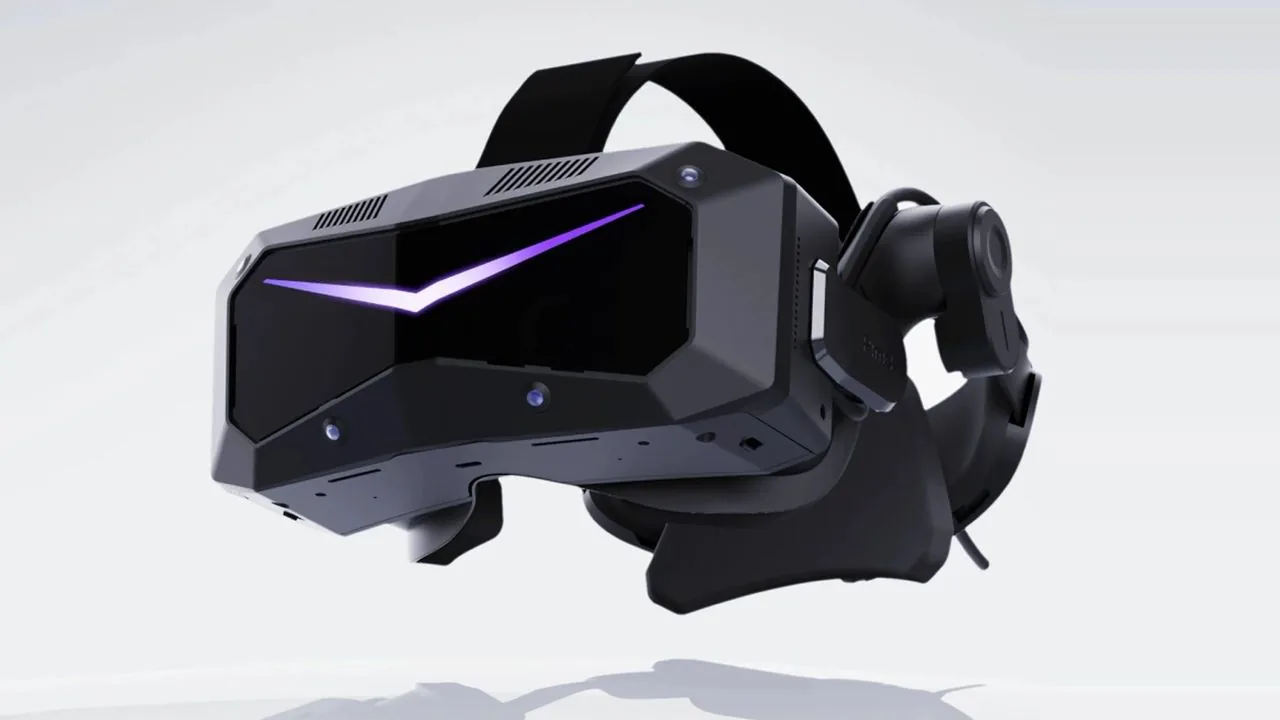
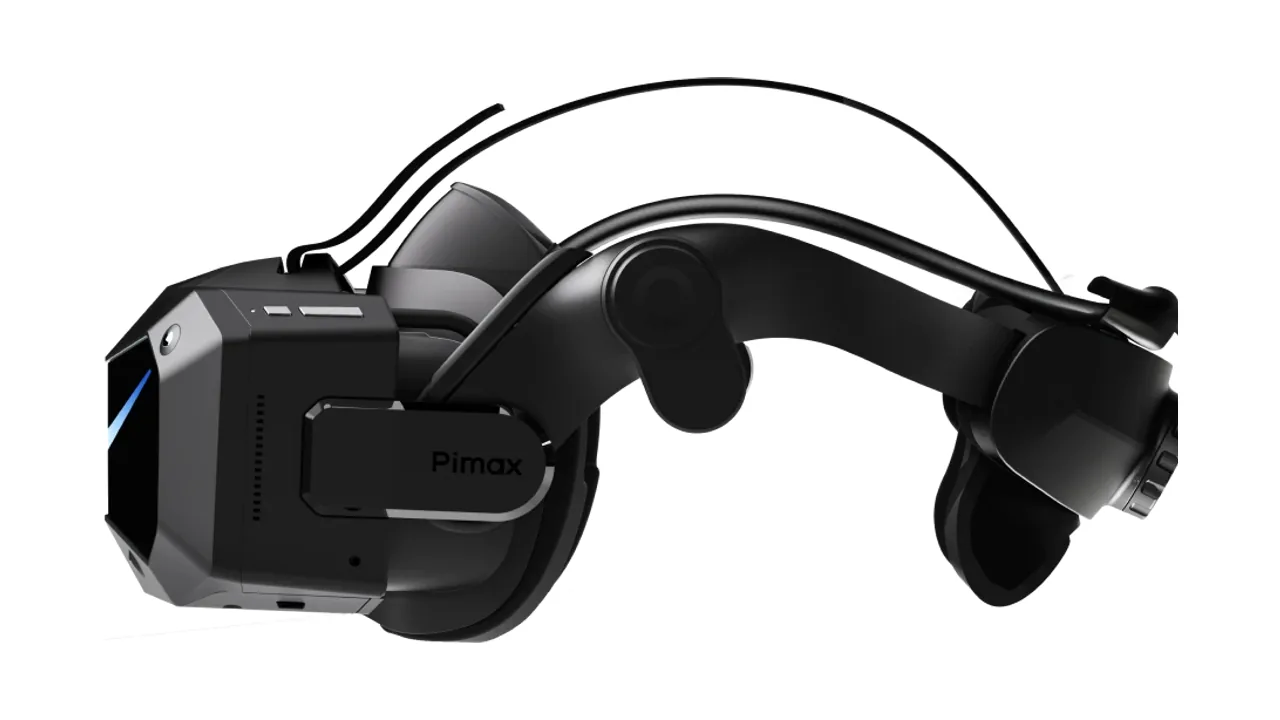
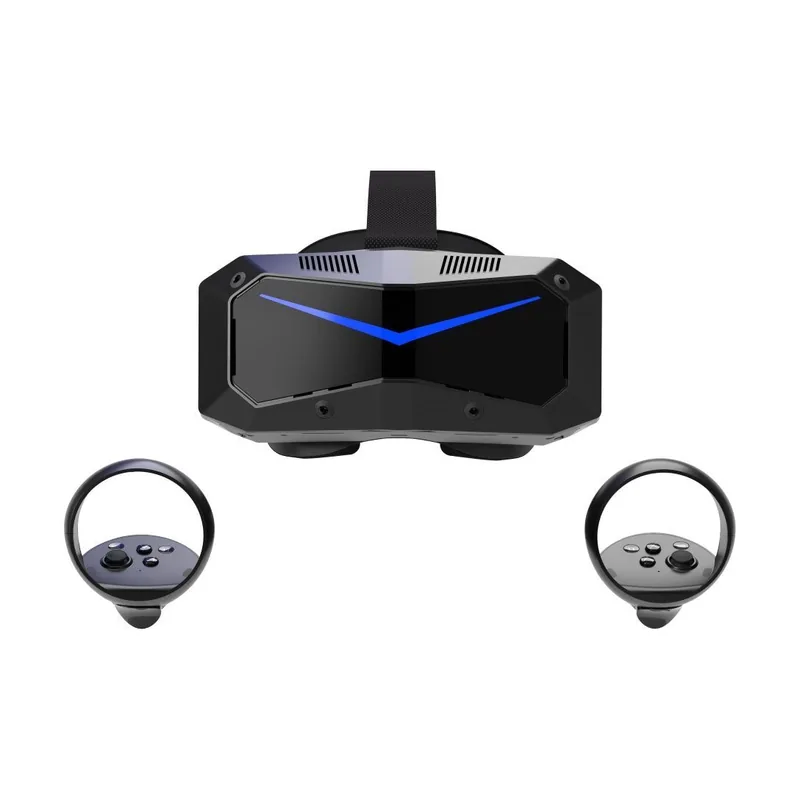
The Crystal Super is a large headset, though Pimax says its housing is about 30 percent smaller than earlier Crystal models. A rigid backstrap carries spatial audio, and there are a 3.5 mm jack and two microphones. Pimax does not publish a weight. The headset has no battery and connects to the PC with a 5 m DisplayPort cable. It does not support wireless streaming.
Tracking and controllers
Four cameras on the headset track it and the two included controllers, so no base stations are needed. An optional faceplate adds SteamVR Lighthouse tracking. Inside, a 120 Hz eye tracker sets lens spacing and drives dynamic foveated rendering, which draws full detail only where you look. Pimax has since added hand tracking through software updates.
Software and apps
The headset connects to a Windows PC through Pimax Play. It plays games from SteamVR and other OpenXR and OpenVR apps, with per-game profiles. Foveated rendering and adjustable render resolution help it run on current gaming PCs. Pimax recommends an Nvidia RTX 3070 or faster.
Who it is for
The Crystal Super suits sim pilots and racers with a powerful PC who want very sharp, wide visuals and the option to change optics later. Buyers who care most about low weight may prefer Pimax's Dream Air or the Bigscreen Beyond 2.
Caractéristiques
Affichage et optique
- Écran
- LCD Mini-LED
- Lentilles
- Asphérique
- Par œil
- 3840 × 3840
- Taux de rafraîchissement maximal
- 90 Hz
- Taux de rafraîchissement
- 72 Hz90 Hz
- Champ de vision
- 140° horizontale
- Plage d’IPD
- 58–72 mm
Suivi et contrôleurs
- Suivi
- Inside-out
- Suivi des mains
- Oui
- Suivi du regard
- Oui
- Manettes
- Two Pimax 6DoF controllers included
- VR sur PC
- Filaire
Sortie et prix
- Statut
- Disponible
- Date de sortie
- 7 avril 2025
- Prix de lancement
- 1 799 $US