
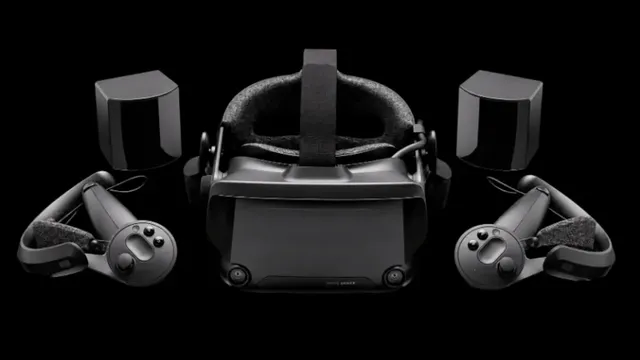
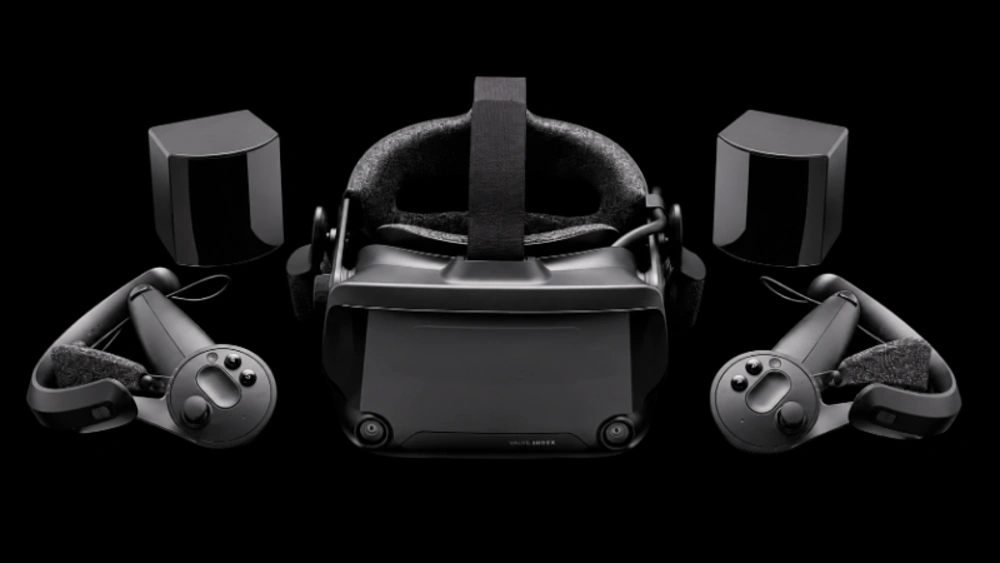
Valve Index review: still a great SteamVR kit, now at the end of its run
An AI-written assessment of Valve Index from official specs and published reviews: excellent comfort, off-ear audio, precise Lighthouse tracking, 144Hz and finger-tracking controllers; but grayish LCD blacks, glare, dated resolution, base-station setup and a discontinued product with patchy stock.
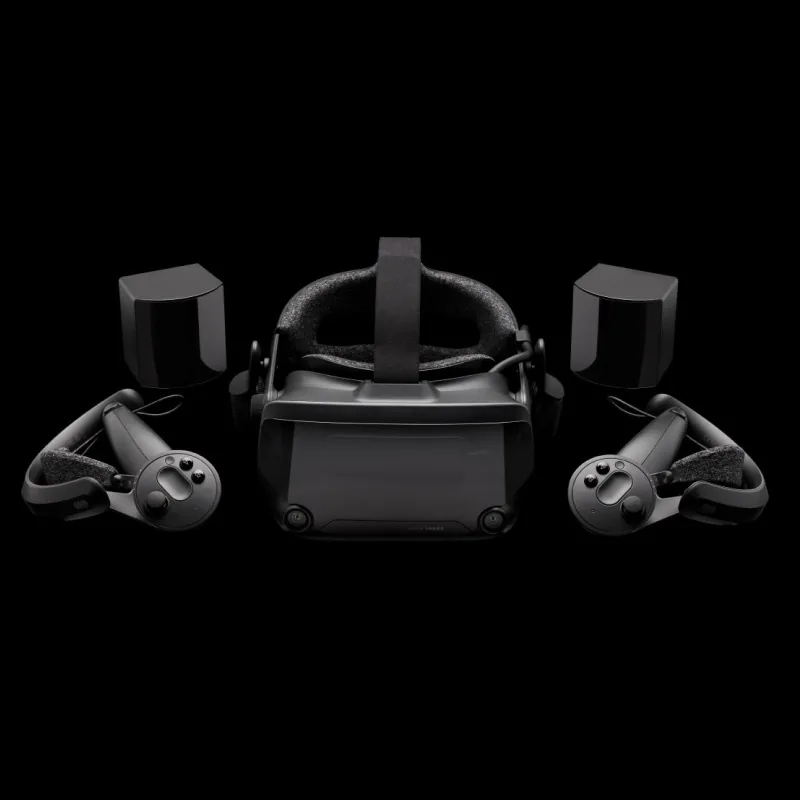
El veredicto
The Valve Index still offers some of the best comfort, audio and tracking in PC VR, and its controllers remain popular across SteamVR. But its LCD image has aged, it needs base stations and a tether, and with production over it mainly suits existing Lighthouse owners buying at the clearance price.
Desglose de la puntuación
Puntos fuertes
- Comfortable fit with IPD and eye-relief adjustment
- Off-ear speakers still praised as best-in-class
- Precise, expandable Lighthouse tracking
- Smooth 120Hz and 144Hz modes
- Strap-on controllers with finger tracking
Puntos débiles
- LCD blacks look gray, with noticeable glare
- Resolution is dated next to current headsets
- Base stations, tether and a gaming PC required
- Discontinued, with patchy stock of parts
- Finger tracking used by few games
Fotos
This review is an AI-written assessment. It is based on official specifications and on what published reviews broadly agree on, not on hands-on testing. Most full reviews date from the 2019 launch, so we note where the picture has changed since.
What it is
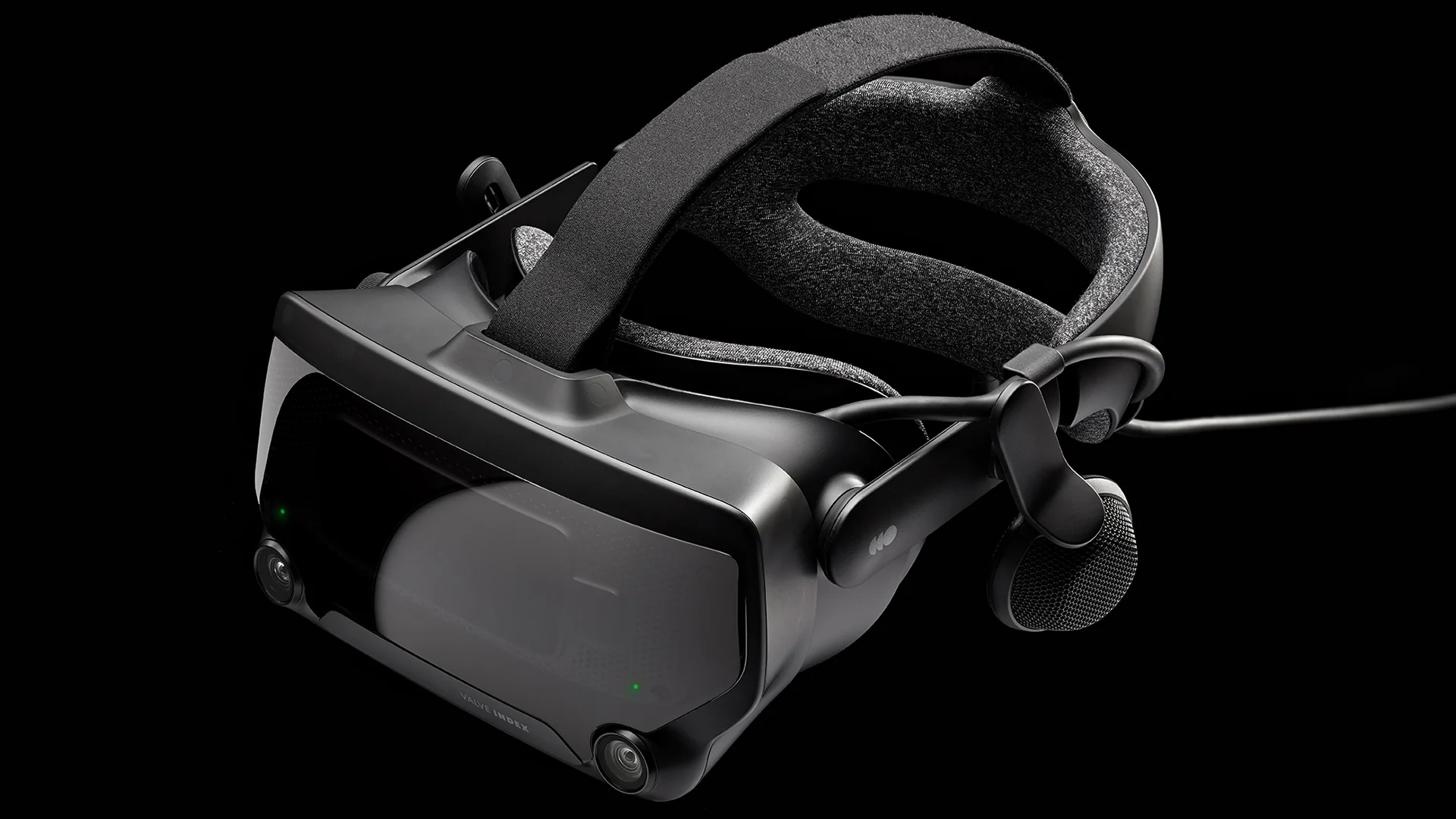
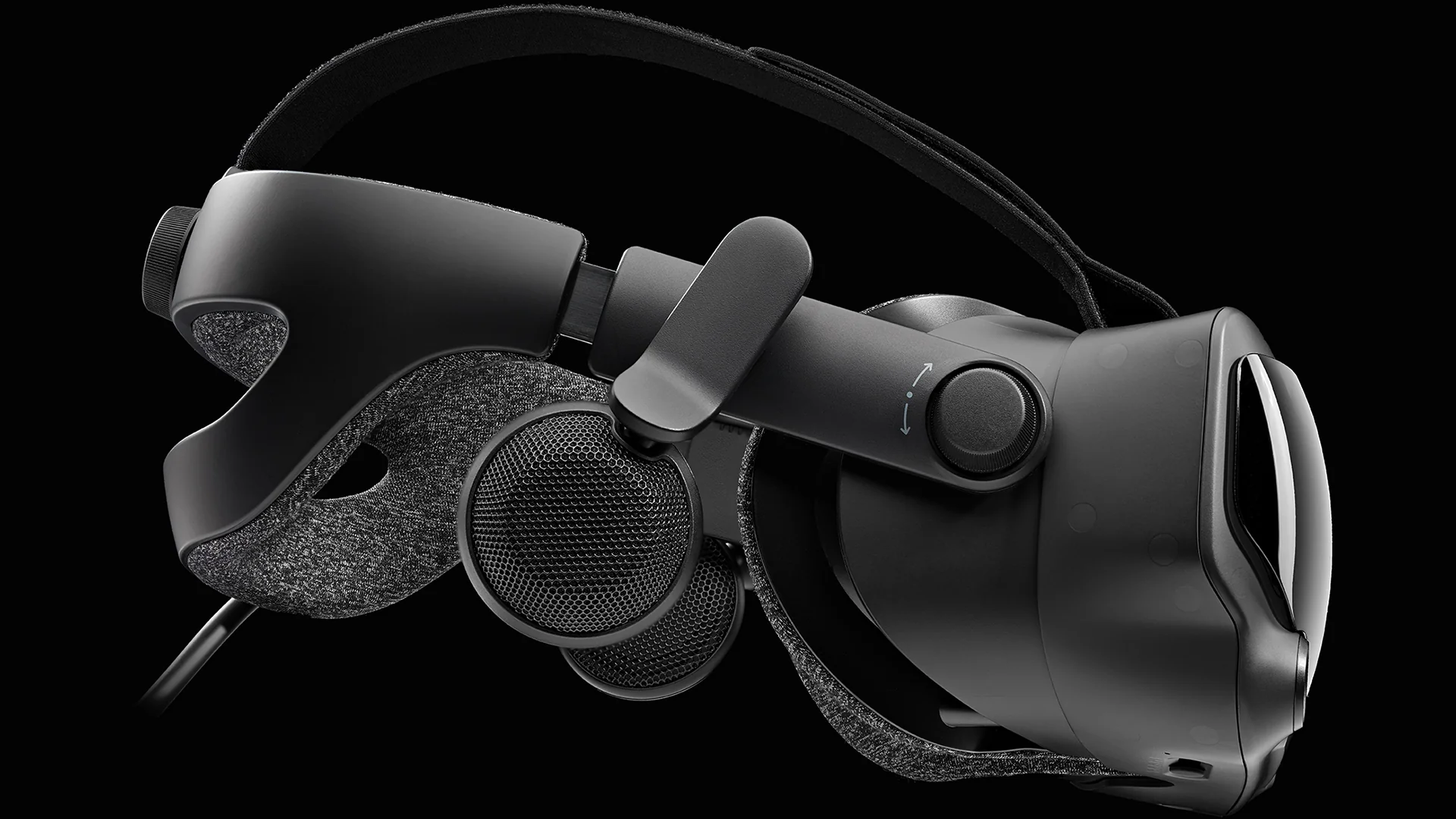
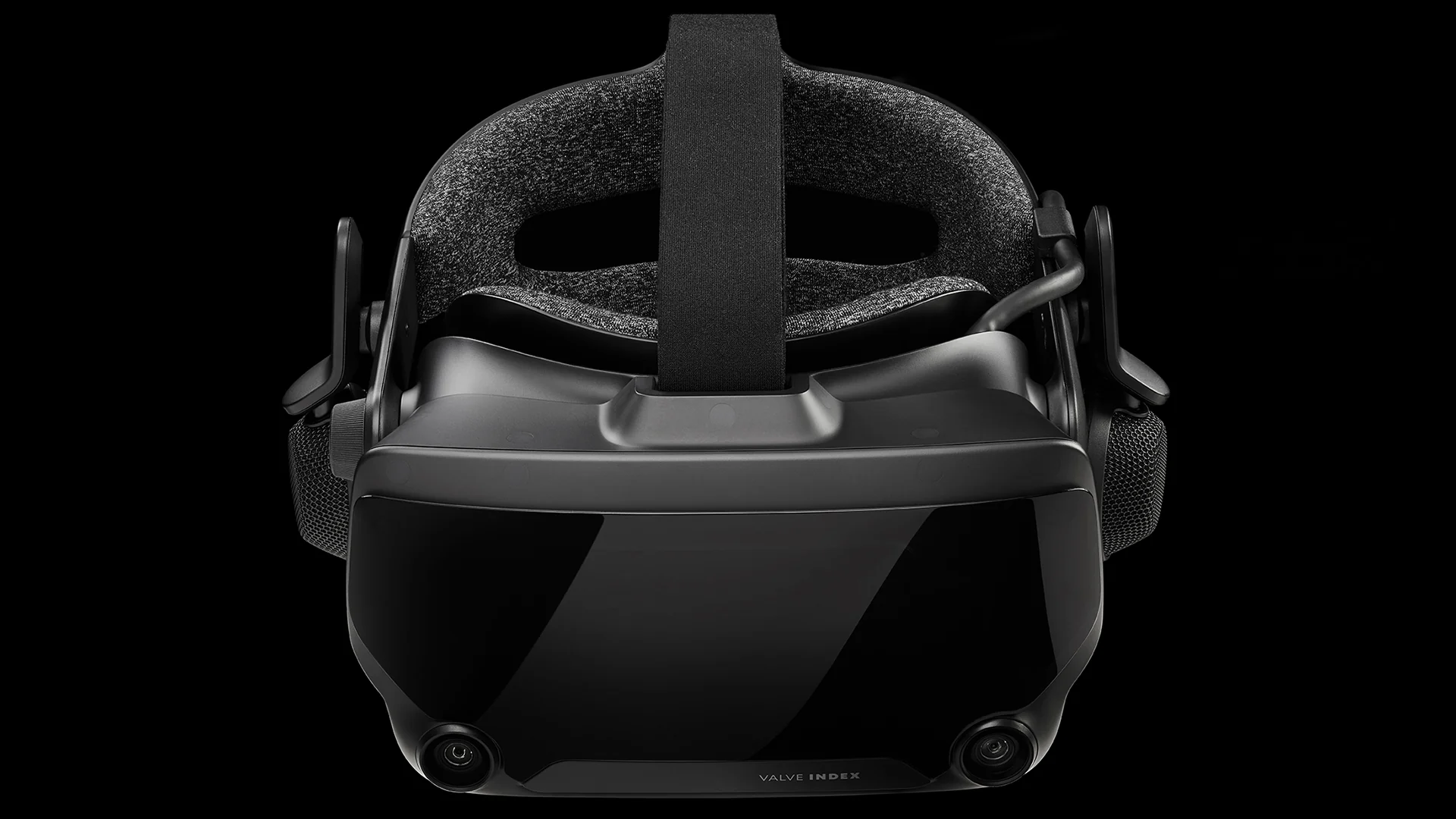
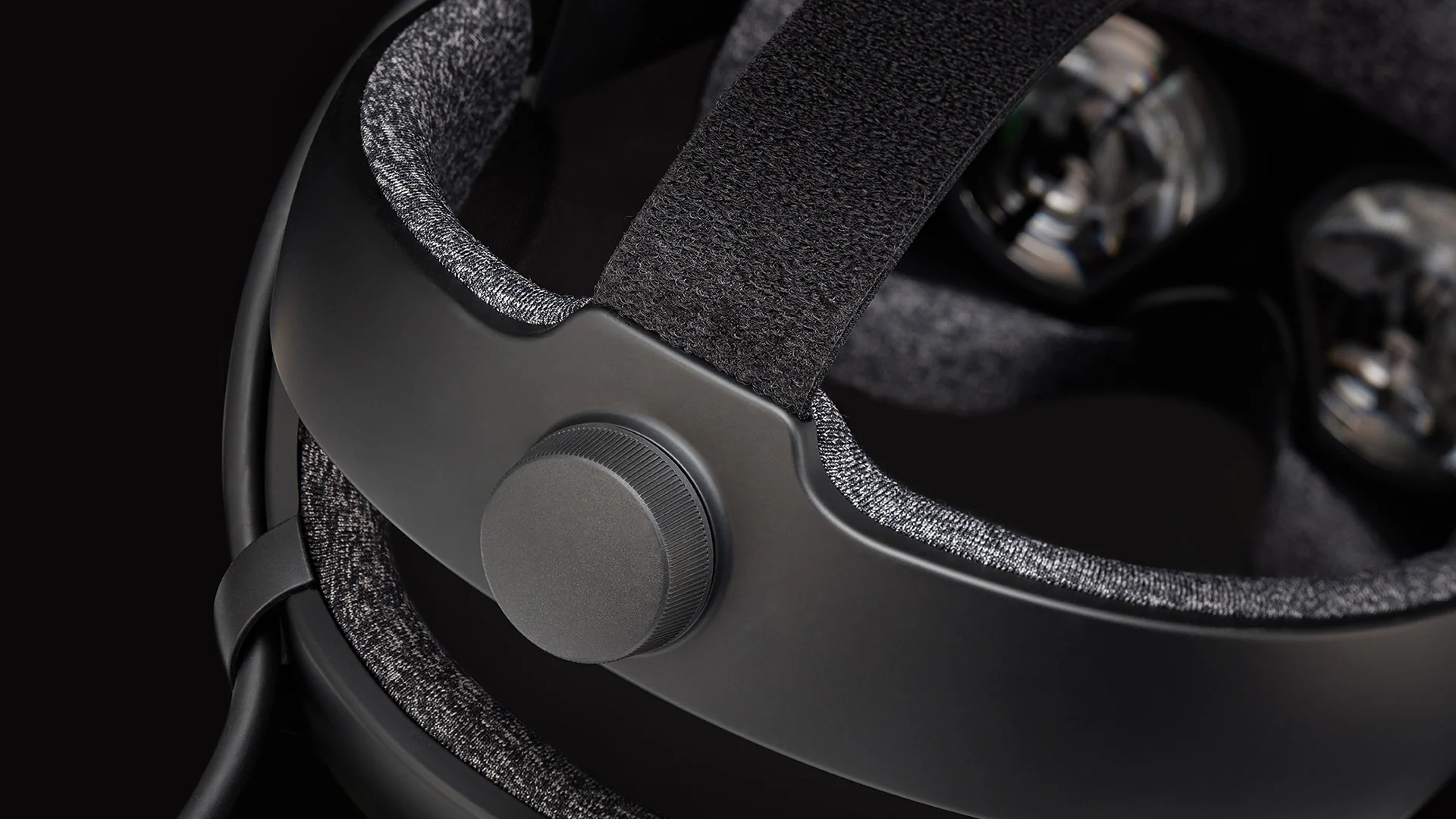
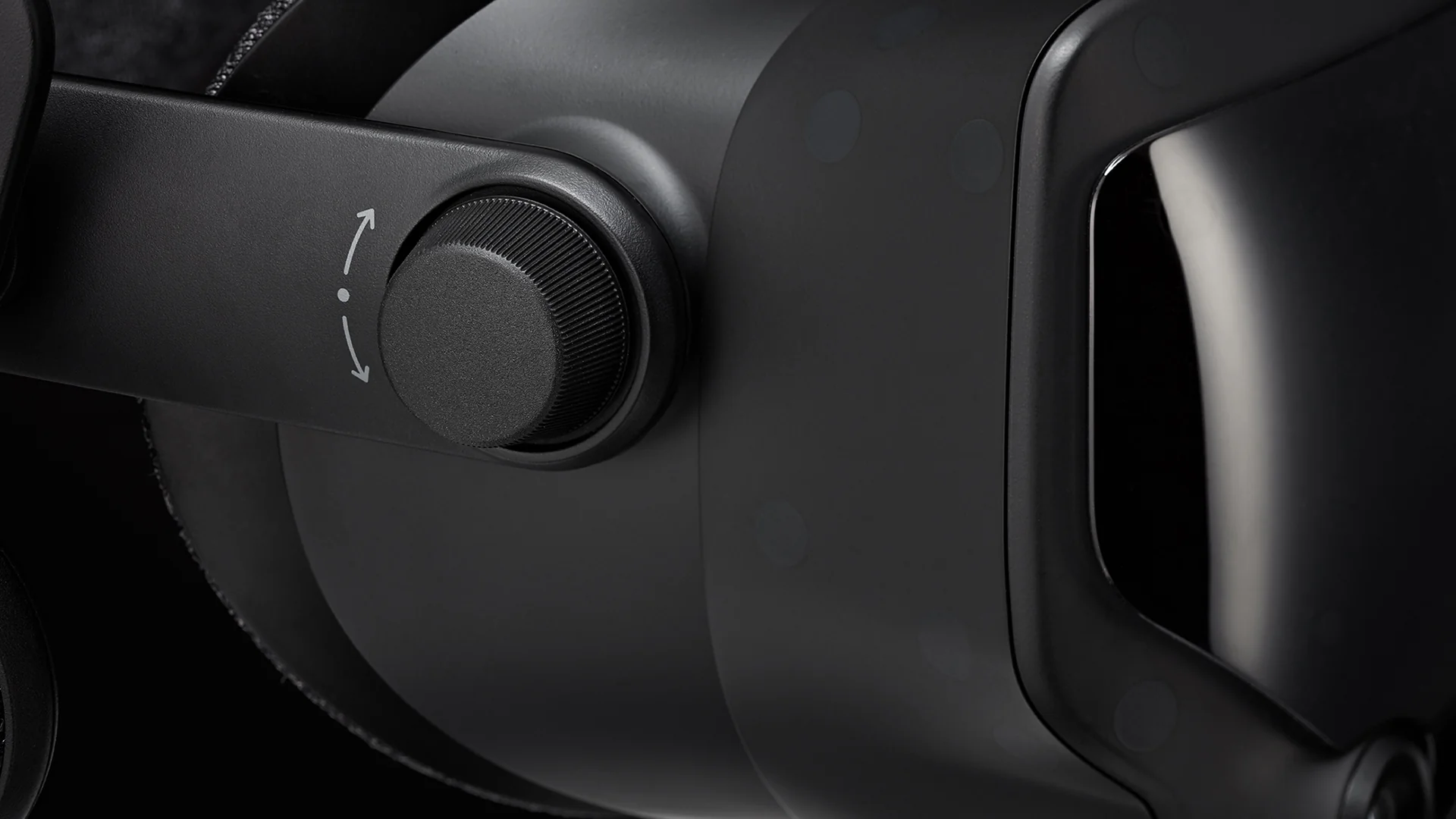
The Valve Index is Valve's tethered PC VR headset. It launched on June 28, 2019 and runs through SteamVR. It uses two 1440 x 1600 LCD panels with full RGB subpixels and supports refresh rates of 80, 90, 120 and 144Hz. A physical slider sets the IPD from 58 to 70mm, and a separate dial moves the lenses closer to or further from your eyes. Instead of headphones it has off-ear speakers that hover beside your ears, plus a dual microphone array.
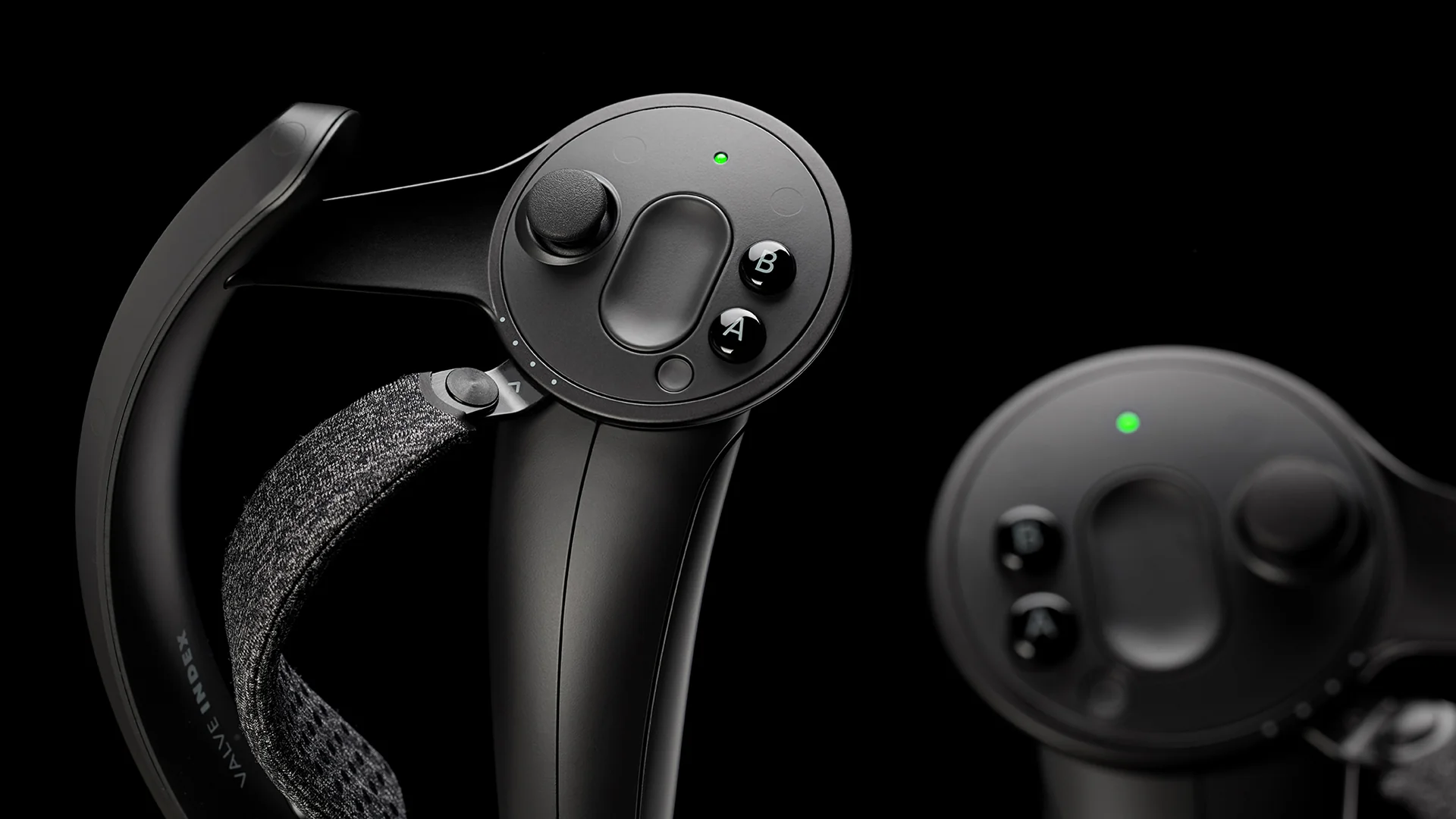
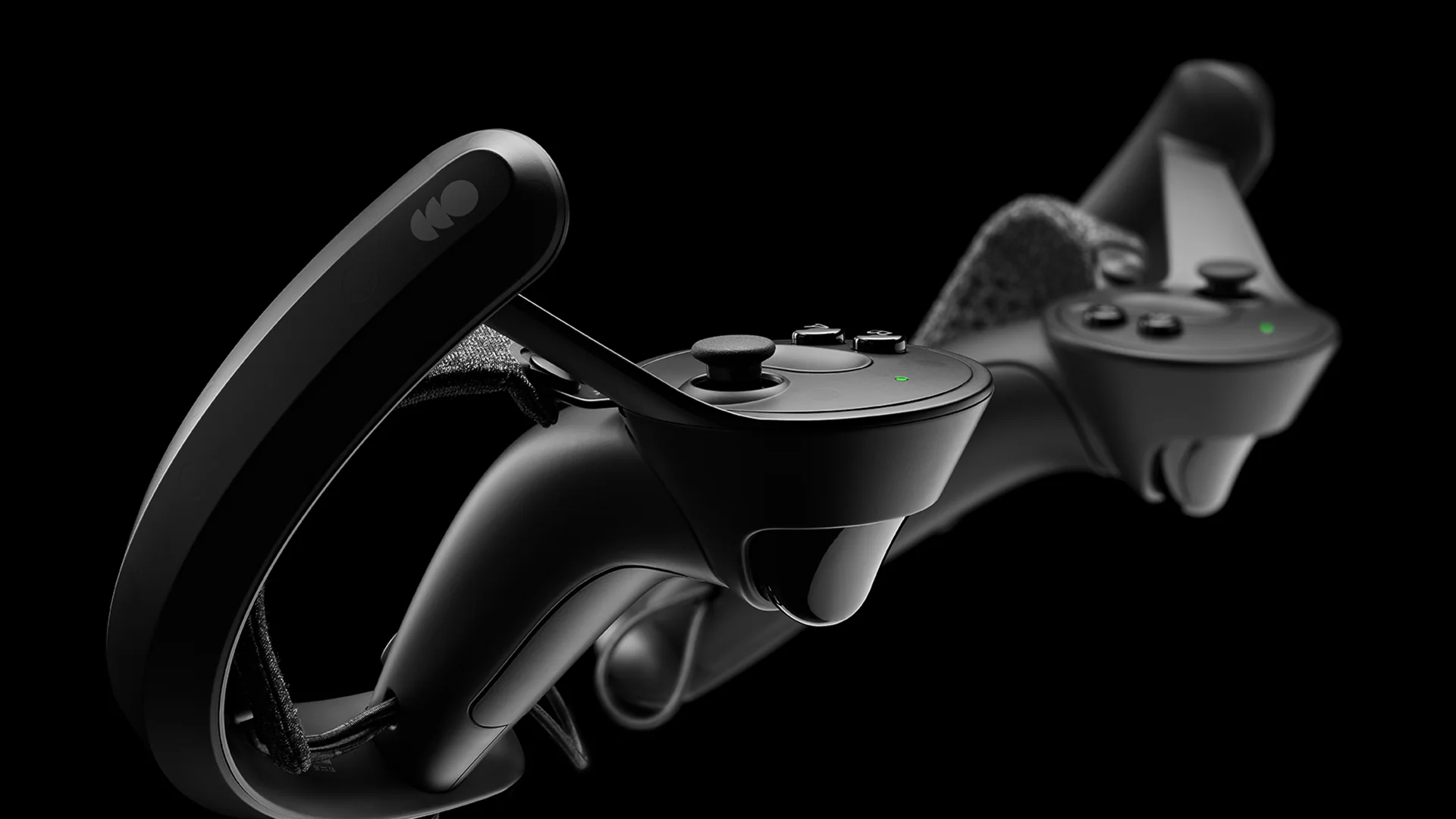
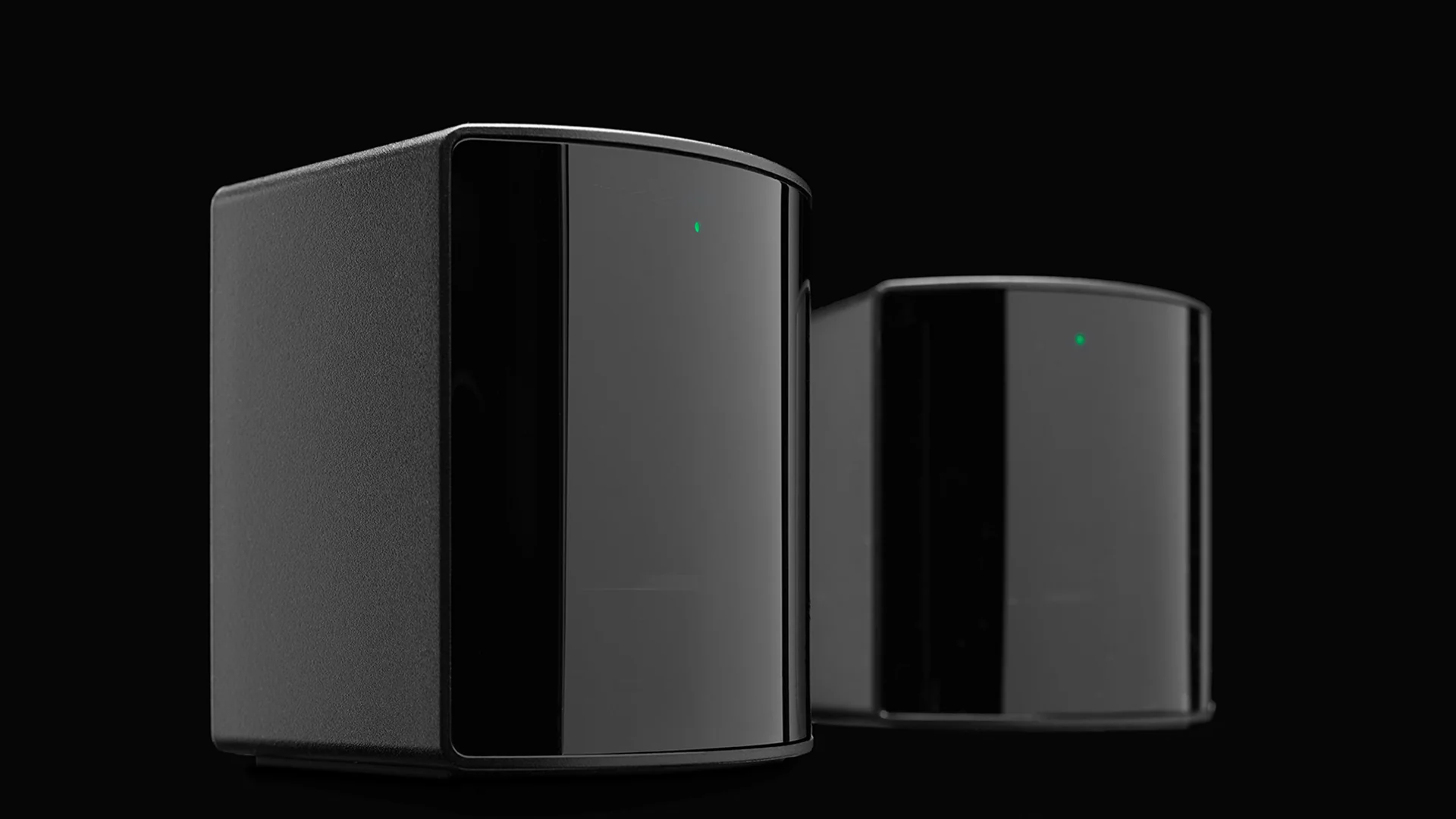
Tracking uses external SteamVR 2.0 base stations, a form of base station tracking. The Index Controllers strap to your hands, so you can let go without dropping them, and their sensors track each finger. At launch the full kit, with headset, two controllers and two base stations, cost $999.
The Index is now at the end of its life. Valve told reporters in November 2025 that it was no longer making it. On October 14, 2026 Valve announced the discontinuation officially and put remaining stock on sale at 20% off, according to Road to VR. The headset alone dropped from $499 to $399.20, a replacement left controller to $119.20 and a replacement tether to $103.20. Road to VR found only left controllers on sale in the US and noted that new SteamVR 2.0 base stations now come from HTC at $229 each. Valve says nothing changes for owners: the Index stays supported in Steam and SteamVR. Its successor is the Valve Steam Frame.
Strengths
- Comfort and optics. UploadVR praised clarity and visual comfort "unmatched by other consumer VR headsets" at the time and found the lens sweet spot wide. Road to VR singled out the comfort and the range of fit adjustments.
- Audio. Road to VR called the off-ear speakers far better than the Rift S, Vive Pro and original Rift. Seven years later, Road to VR's Steam Frame review still described the "legendary quality of its off-ear speakers."
- Smooth motion. The 120Hz and 144Hz modes and low persistence panels made motion look very smooth, according to Road to VR.
- Tracking. MIXED rated the Lighthouse tracking as the most accurate it had tested, and UploadVR liked that the system can be expanded with more stations or trackers.
- Controllers. UploadVR found grabbing and throwing felt natural with the strapped-on controllers. They still work with other SteamVR headsets, including the Bigscreen Beyond 2, which ships without controllers.
Weaknesses
- LCD contrast and glare. UploadVR saw dark scenes turn to "shades of gray," and Road to VR said "glare can be pretty obnoxious" on high-contrast scenes. The Fresnel lenses are the reason the Steam Frame's pancake lenses look so much cleaner, Road to VR found.
- Dated resolution. 1440 x 1600 per eye was sharp in 2019, but most current headsets have far denser displays.
- Setup and space. Base stations must be mounted, and MIXED called the Index "quite location-bound." It is tethered to the PC and has no standalone or wireless mode.
- Software. Road to VR said SteamVR "still feels like a power-user's utility." It also noted that the passthrough cameras did almost nothing.
- Finger tracking. Road to VR felt it added little to most games, partly because few were built for it.
- End of life. Stock is limited and patchy by region, and base stations now come from a third party.
Who it suits
Today the Index makes most sense for SteamVR players who already own base stations and want a spare or replacement headset at the clearance price, or who need replacement parts for an existing kit. If you are starting from nothing, the full cost of a kit at today's prices, plus a capable gaming PC, is hard to justify against newer headsets. Our guide to setting up SteamVR base stations explains what the tracking setup involves.
How it compares
The Steam Frame costs $1,059 with 256GB, including controllers, a wireless USB adapter and Half-Life: Alyx. It adds standalone play and wireless PC streaming, and Road to VR found its lenses a big step up and its inside-out tracking solid. It gives up the Index's finger tracking and audio quality. The Bigscreen Beyond 2 costs $959 and is the modern choice for owners who keep their base stations and Index Controllers, since it ships with neither. A Meta Quest 3 works standalone and can still play SteamVR games over a cable or Wi-Fi; see how to play PC VR games on Meta Quest.
Sources
- Road to VR: Valve Index Review – The Enthusiast's Choice
- UploadVR: Valve Index Review: Aiming For PC VR's Sweet Spot And Pulling The Trigger
- MIXED: Valve Index review: Currently the best PC VR headset?
- Road to VR: Index Headset Goes on Sale for the First Time Ever as Valve Announces Discontinuation
- GamingOnLinux: Valve Index gets sunset with a discount on remaining stock
- Road to VR: Steam Frame Review – Power-user's Playground
- UploadVR: Steam Frame Is $1059 & Comes With Standalone Half-Life: Alyx, Reservations Open Now
- Road to VR: Bigscreen Drops 'Beyond 2' Headset Price to $959, Halo Mount Resumes Production
- Wikipedia: Valve Index