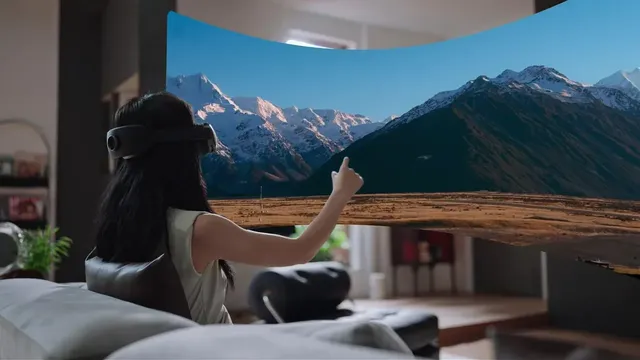
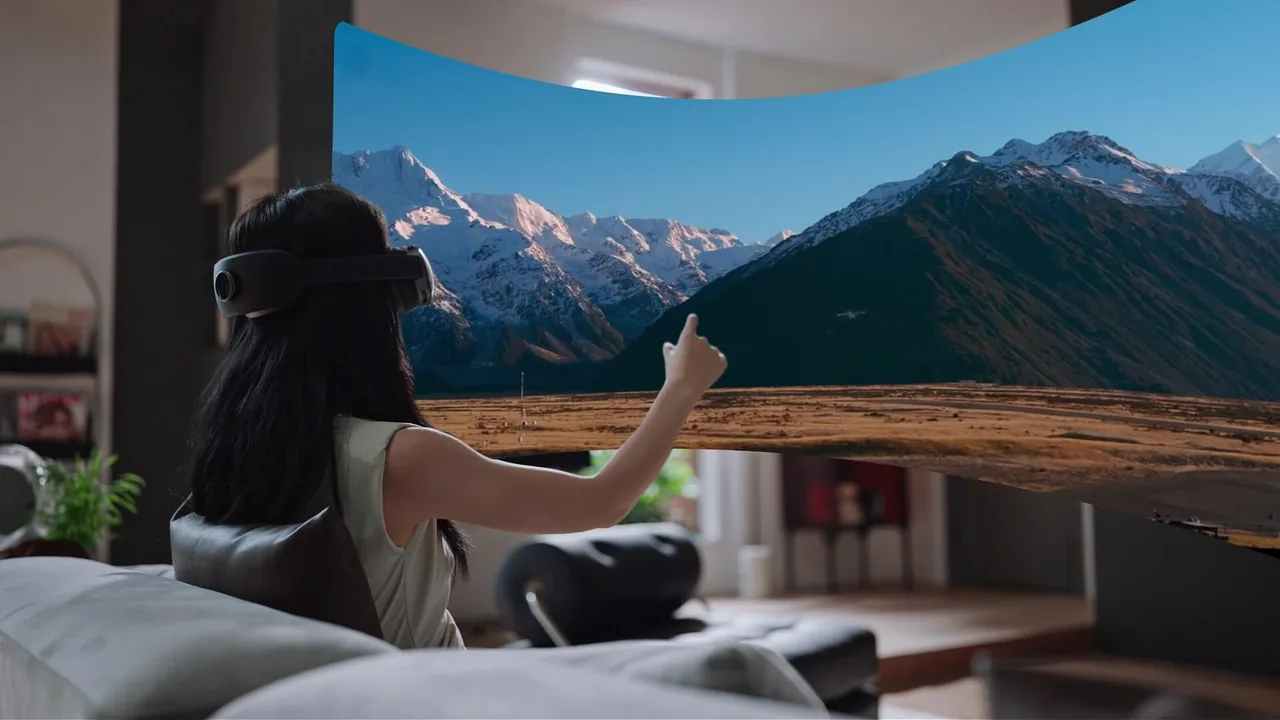
Play For Dream MR review: a razor-sharp Vision Pro lookalike held back by battery and software
An AI-written assessment of Play For Dream MR from official specs and published hands-on coverage: very sharp 4K micro-OLED displays, bundled motion controllers, eye tracking and strong wireless PC VR, offset by a short built-in battery, a rigid strap, a thin app store and a $1,999 price.
El veredicto
The Play For Dream MR has some of the sharpest displays in any standalone headset and has won praise as a wireless PC VR headset. A short battery, a rigid strap and a thin native store mean it makes most sense for PC VR enthusiasts willing to add accessories.
Desglose de la puntuación
Puntos fuertes
- Very sharp 3840 x 3552 micro-OLED displays
- Strong wireless PC VR via Virtual Desktop and Steam Link
- Motion controllers included, unlike Vision Pro
- Eye tracking with automatic IPD
- Rear battery balances the weight
Puntos débiles
- Built-in battery lasts about 1 to 1.5 hours
- Rigid strap may need a $69 forehead pad
- Thin native app store on DreamOS
- No Android XR for the current model
- Eye and hand tracking reported as laggy
- $1,999 price
This review is an AI-written assessment. It is based on official specifications and on what published reviews broadly agree on, not on hands-on testing. Few major outlets have published a scored review of the Play For Dream MR, so the opinions below lean on UploadVR's CES hands-on and later editorial, Road to VR's reporting and Skarred Ghost's hands-on review on The Ghost Howls.
What it is
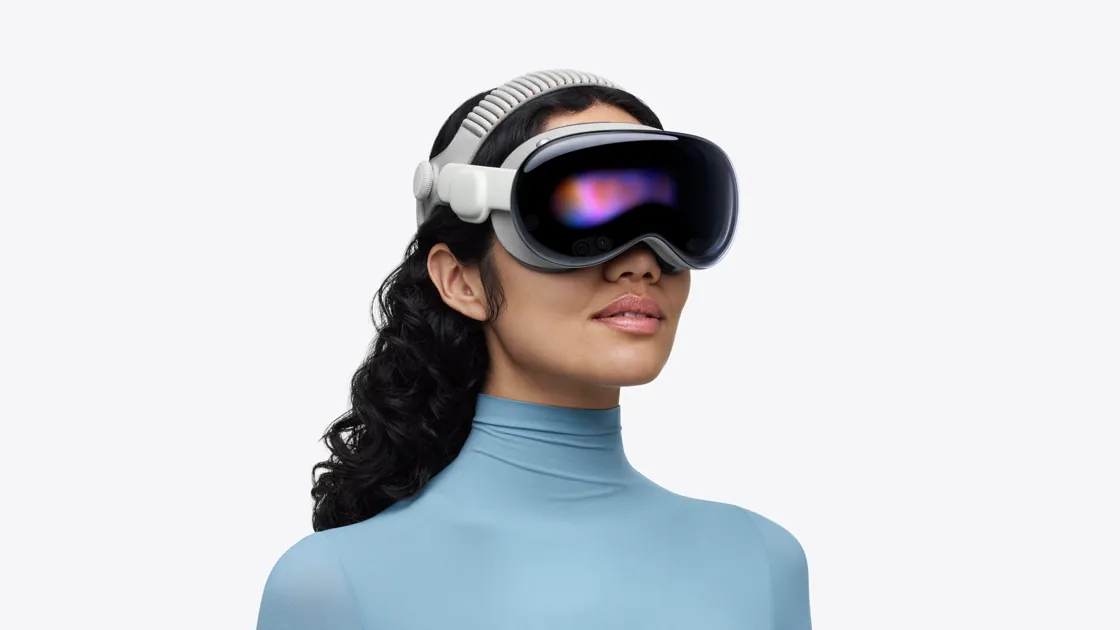
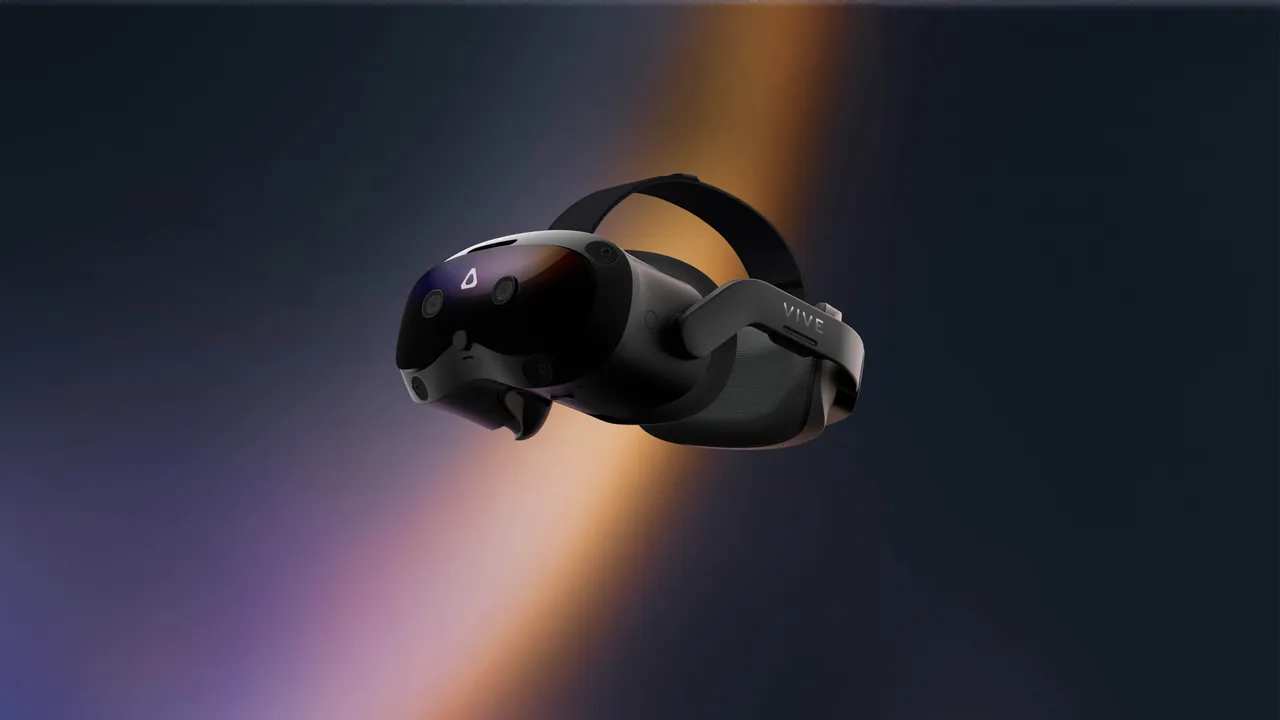
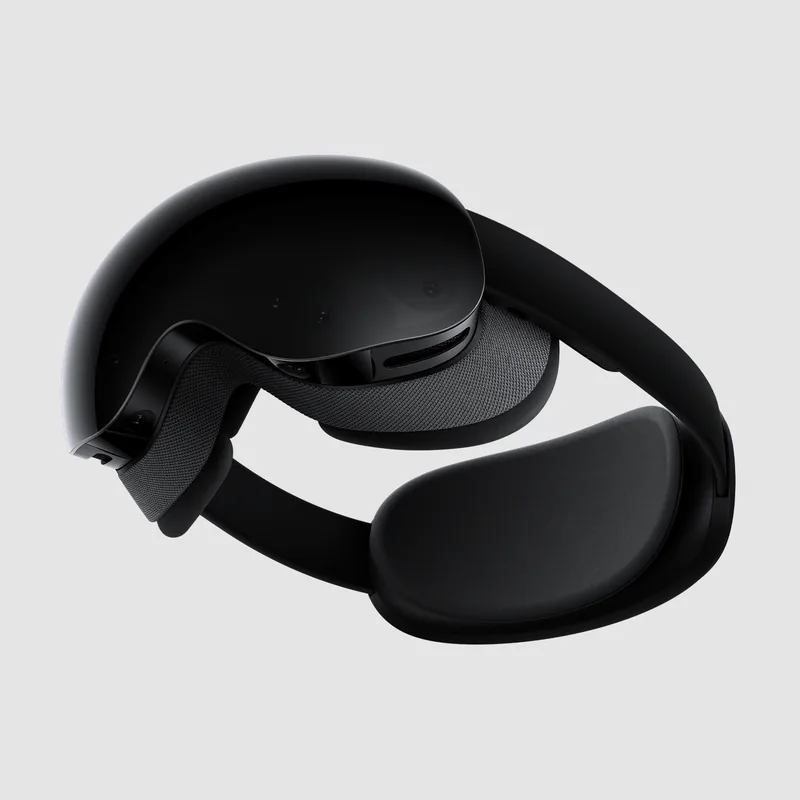
The Play For Dream MR is a standalone headset from Play For Dream, a Shanghai company founded in 2020 and previously known as YVR. Its design borrows heavily from the Apple Vision Pro, which the company has acknowledged, but it ships with motion controllers and is pitched at games as much as productivity. It runs DreamOS, the company's own Android-based system, with its own app store.
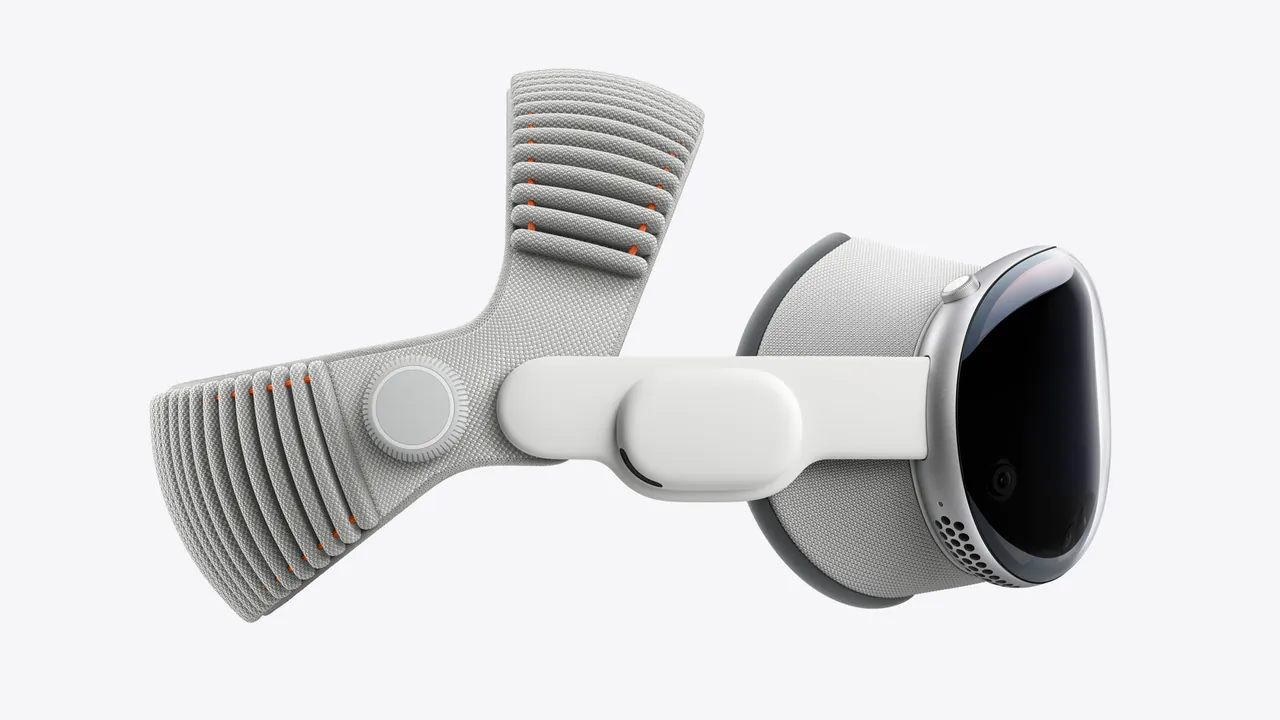
The hardware is high-end for a standalone: a Snapdragon XR2+ Gen 2 chip, 16GB of RAM, 512GB or 1TB of storage, and two micro-OLED panels at 3840 x 3552 per eye, running at 90Hz with a 103-degree field of view. It has eye tracking with automatic IPD adjustment, hand tracking, a depth sensor and colour passthrough, for which the company claims 14ms average latency. Total weight is 650g, but only 288g sits in the visor; the battery lives in the rear strap, a layout UploadVR compared to the Quest Pro.
It launched in China and Southeast Asia in late 2024, then went global after a Kickstarter that raised about $300,000 from 215 backers, according to Road to VR. The consumer model costs $1,999. A $2,699 enterprise version adds an extended warranty, management tools and a facial interface designed for Western faces, Play For Dream told Skarred Ghost.
Strengths
- Image quality. This is the headline feature. At CES 2025 UploadVR called the image "the clearest and sharpest I've seen" and named the headset the most impressive XR hardware of the show. Skarred Ghost also found it sharp, with no visible screen-door effect.
- PC VR. It works as a wireless or USB PC VR headset for SteamVR games. In October 2025 UploadVR's Don Hopper explained why it had become his daily PC VR headset, using Virtual Desktop and the Steam Link beta, and wrote that he could forget he was not tethered. Streaming was still "work-in-progress quality" at CES, Road to VR reported, so the experience appears to have matured since.
- Controllers and tracking. Unlike the Vision Pro, it comes with controllers. Skarred Ghost liked their drop-shaped design and found head and controller tracking solid enough for room-scale VR.
- Early praise from the industry. Former Quest engineer Amanda Watson called it "absolutely the best all around HMD demo" at CES, Road to VR reported, and praised the distortion correction of its pancake lenses.
Weaknesses
- Battery life. The built-in battery lasts about an hour and a half, or around an hour with full 4K-per-eye rendering and eye tracking, according to UploadVR. Skarred Ghost concluded it is only really usable with an external battery pack.
- Comfort out of the box. The rigid, non-removable halo strap does not suit every head. Skarred Ghost had to hold their head at an unnatural angle to get the sharpest image, and UploadVR's Hopper needed a $69 optional forehead pad before it became one of his most comfortable headsets.
- Software and store. Skarred Ghost found the store thin, mostly Chinese-language tech demos and simple games, and the company admits content is a weak point. Play For Dream told Road to VR in February 2025 that it was in talks with Google about Android XR, but in June 2025 it told Skarred Ghost that the current headset would stay on DreamOS.
- Rough edges. Skarred Ghost saw noticeable chromatic aberration that needed an experimental 4K mode to reduce, and laggy, noisy eye and hand tracking. They rated passthrough good but grainier than Quest 3 and Vision Pro, while UploadVR's CES demo came away more impressed.
- Price and reach. At $1,999 it costs far more than mainstream standalones, and European certification was still pending in mid-2025.
Who it suits
The Play For Dream MR suits PC VR enthusiasts who want micro-OLED sharpness without a cable and are prepared to add an external battery, and possibly the forehead pad, to make it work for long sessions. Wireless PC streaming is where coverage is most positive. It is a weak choice for anyone who wants a large native game library or a polished, familiar operating system, and European buyers should check certification and support first.
How it compares
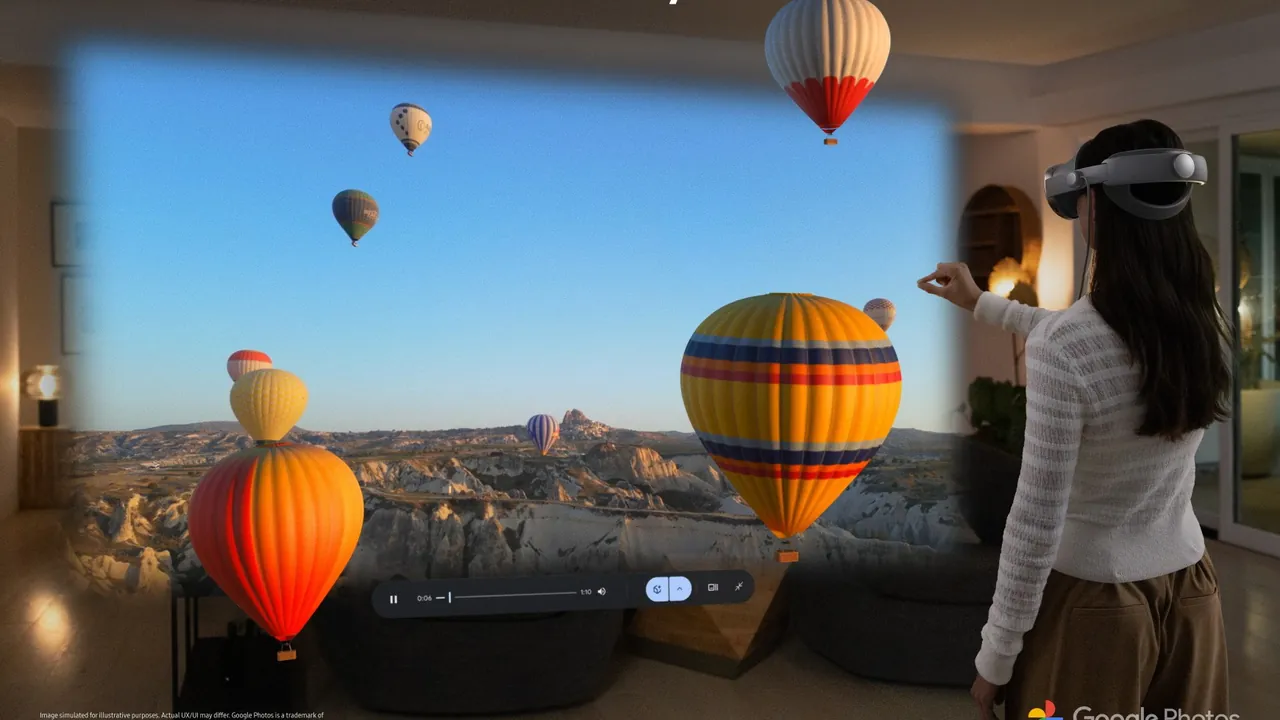
The Apple Vision Pro (M5) has a far more mature operating system and app store, but no bundled motion controllers and much less focus on VR games. The Samsung Galaxy XR runs Google's Android XR, the platform Play For Dream had hoped to adopt, so it gets a much broader app catalogue. The Meta Quest 3 costs a fraction of the price and has the biggest standalone library, but its LCD panels cannot match the sharpness that every outlet highlights here.
Sources
- UploadVR: Play For Dream MR Impressions: China's High-End Standalone Was The Star Of CES
- UploadVR: How & Why Play For Dream MR Became My Daily Driver For PC VR
- UploadVR: Chinese Headset With XR2+ Gen 2 Is An Apple Vision Pro & Quest Pro Crossover
- UploadVR: Play For Dream Showcases Passthrough Latency By Weaving Between Cones While Driving
- Road to VR: Vision Pro Knock-off Gets High Praise From Former Quest Engineer
- Road to VR: Play for Dream Expects to Adopt Android XR for Standalone OS and Bring New Focus to US Market
- The Ghost Howls: Play For Dream hands-on: an MR headset with potential
- The Ghost Howls: My interview with Play For Dream about their headset, Android XR, enterprise licensing, China, and more!