Bigscreen Beyond 2e review: the featherweight Beyond 2, now with eye tracking
An AI-written assessment of Bigscreen Beyond 2e from official specs and published reviews: very light, sharp micro-OLED image, reduced glare, Lighthouse tracking, plus eye tracking for VRChat and foveated rendering; but base stations and controllers cost extra, the face fit can be fussy, and the eye-tracking features are still early.
评测结论
The Beyond 2e pairs the Beyond 2's light body, sharp micro-OLED image and much-reduced glare with eye tracking that now drives VRChat avatars and early-access foveated rendering. It is a strong buy for SteamVR owners who already have base stations and controllers, but the eye-tracking features are still maturing and the full setup costs well beyond the headset price.
分项评分
优点
- About 108g, far lighter than typical PC headsets
- Sharp micro-OLED image with deep blacks
- Much less glare and clearer edges than Beyond 1
- Lighthouse tracking and a strong built-in mic
- Eye tracking for VRChat and foveated rendering
缺点
- Base stations, controllers and audio cost extra
- Silicone face interface can stick when sweating
- Foveated rendering is early access in few titles
- Only 73% binocular overlap
- Tethered only, no standalone mode
照片
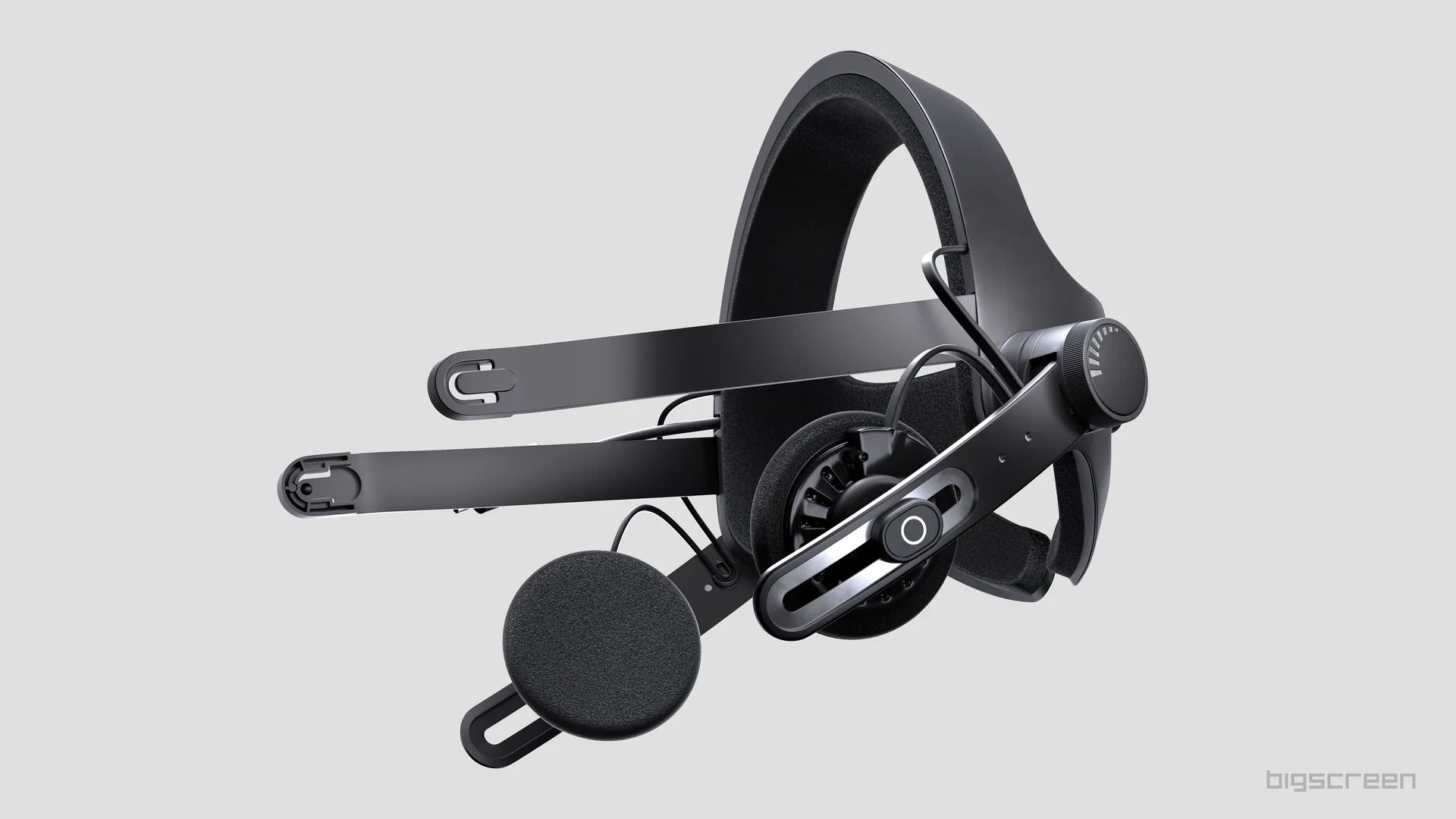
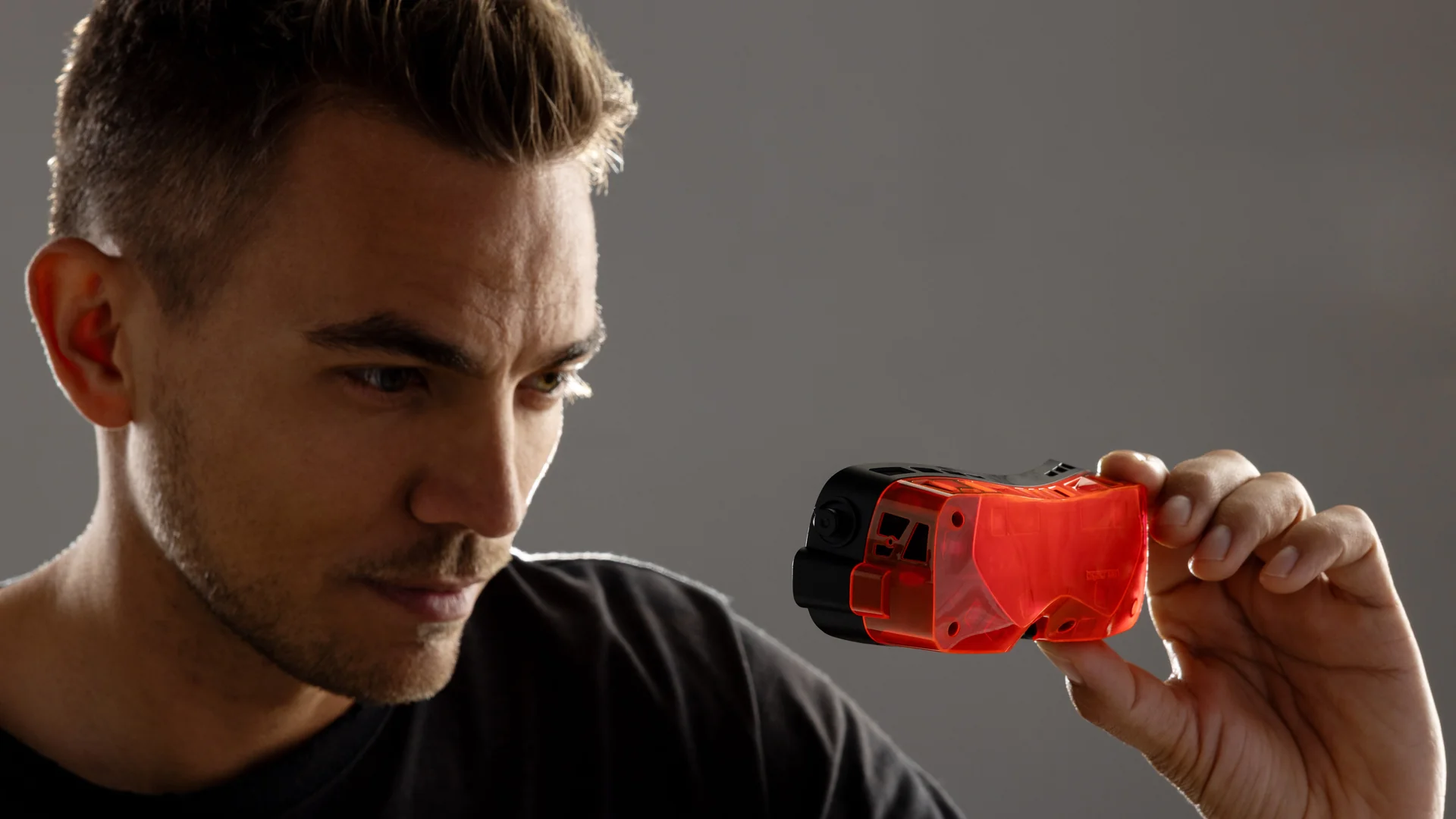
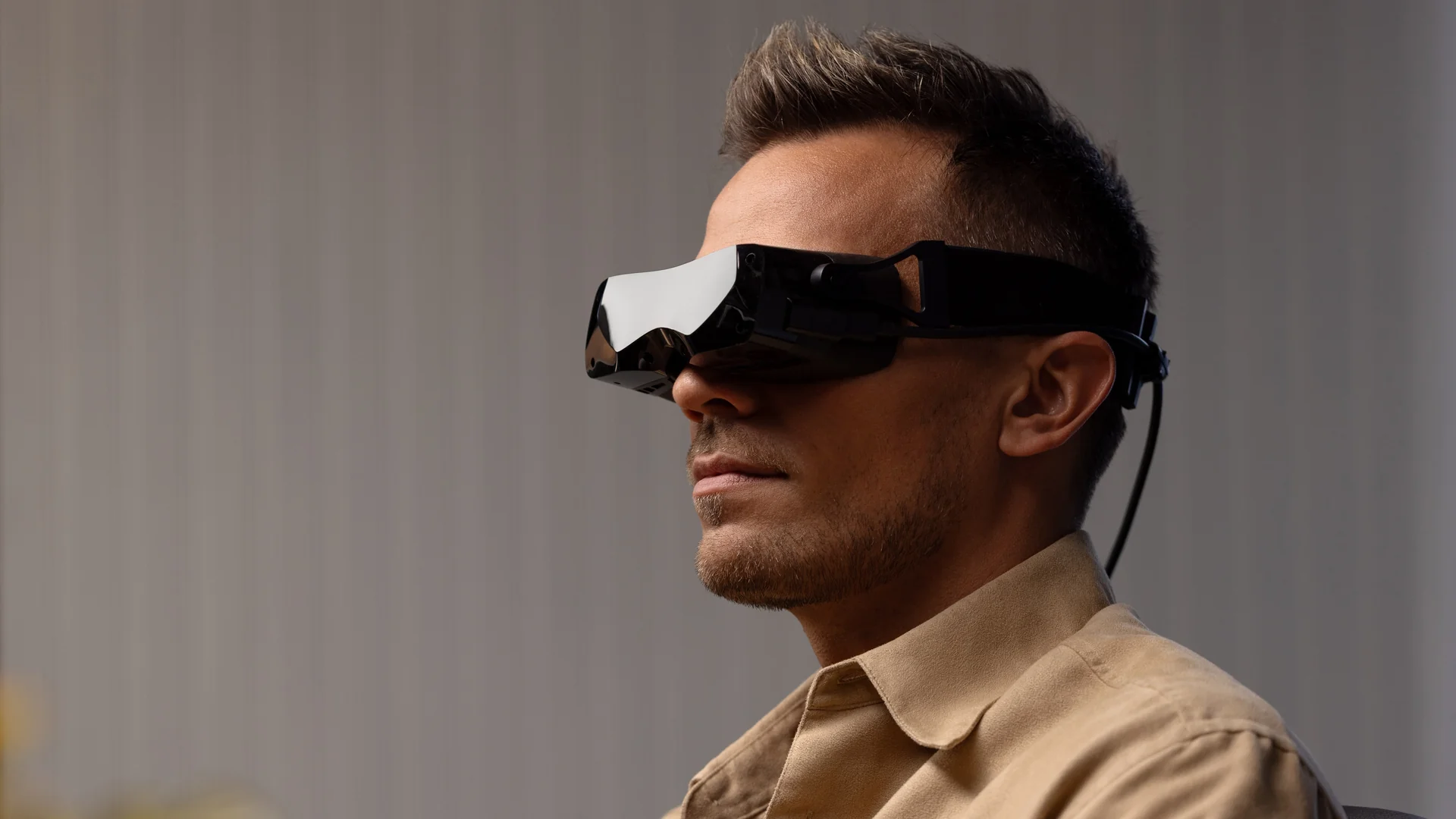
This review is an AI-written assessment. It is based on official specifications and on what published reviews broadly agree on, not on hands-on testing. Few major outlets have published a full review of the 2e itself. Some opinions below therefore come from reviews of the Beyond 2, which shares the 2e's display, lenses and body; those are marked as such.
What it is
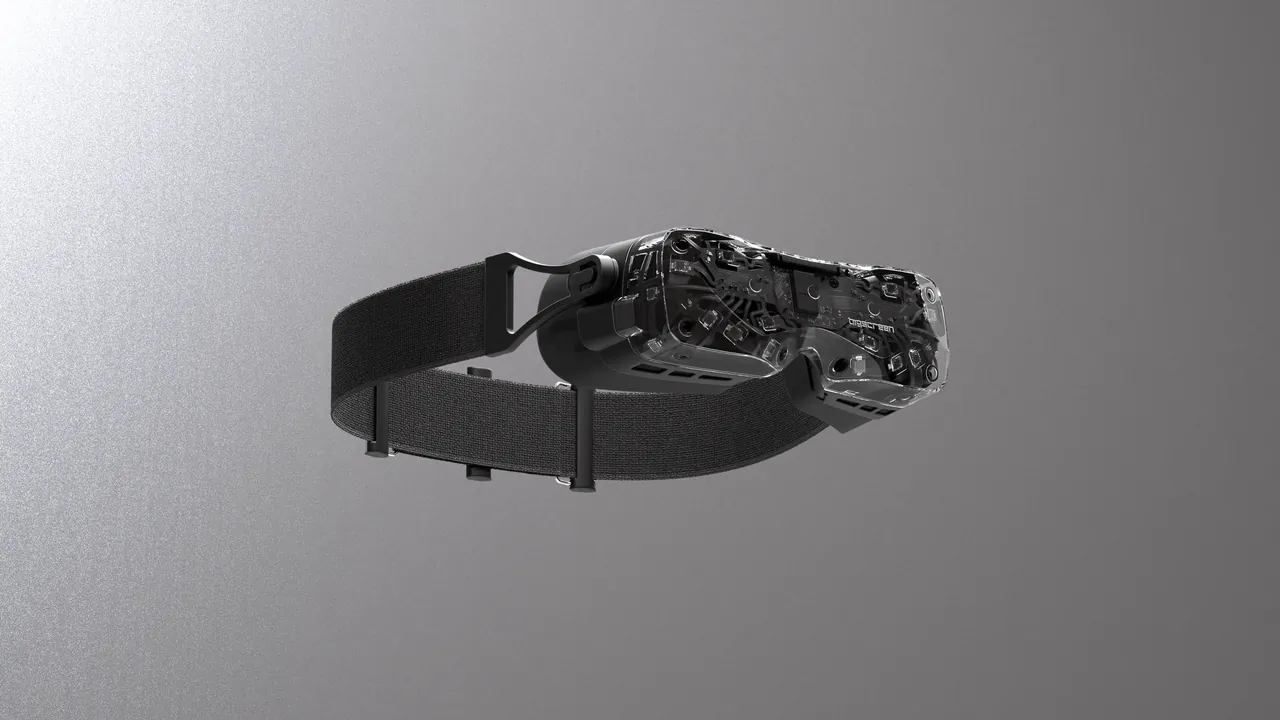
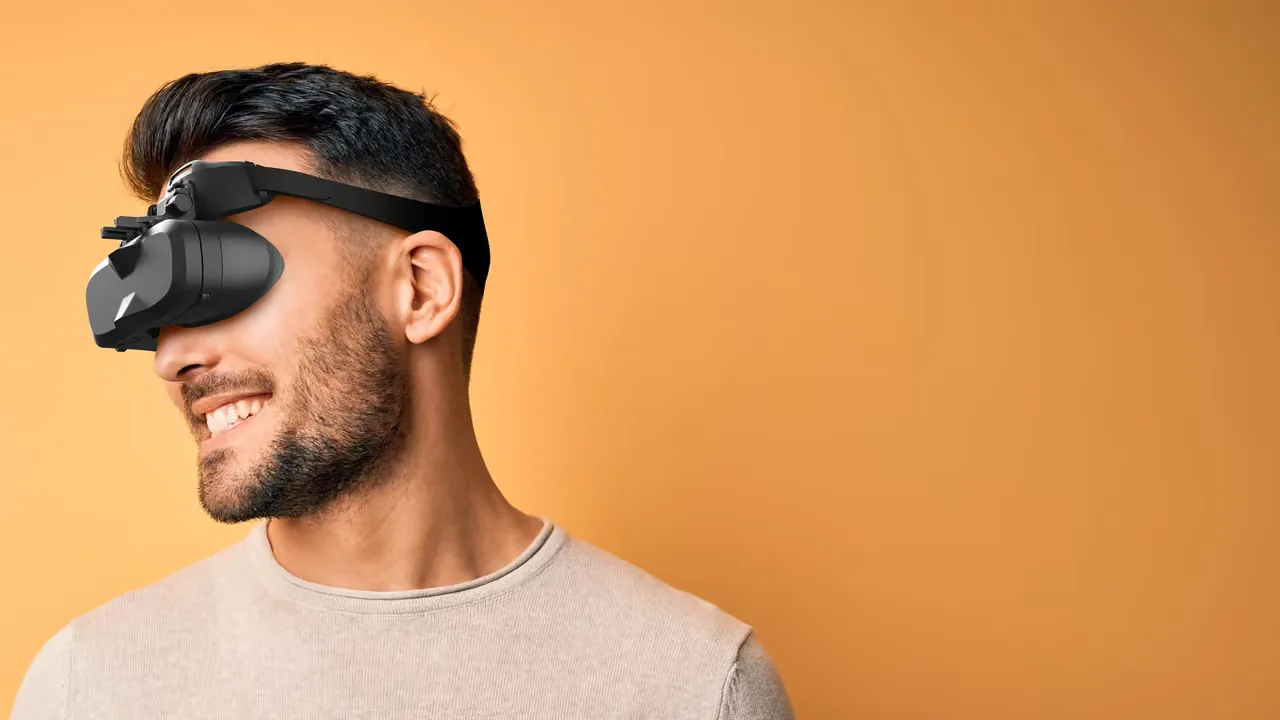
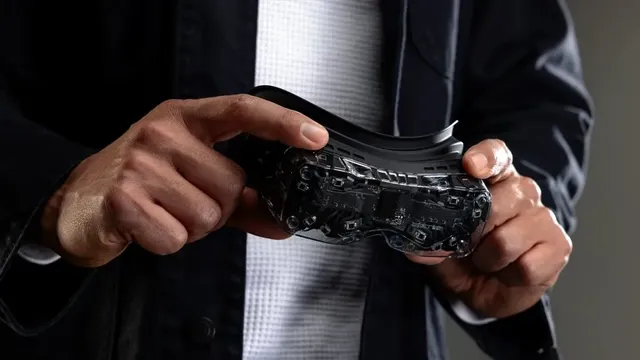
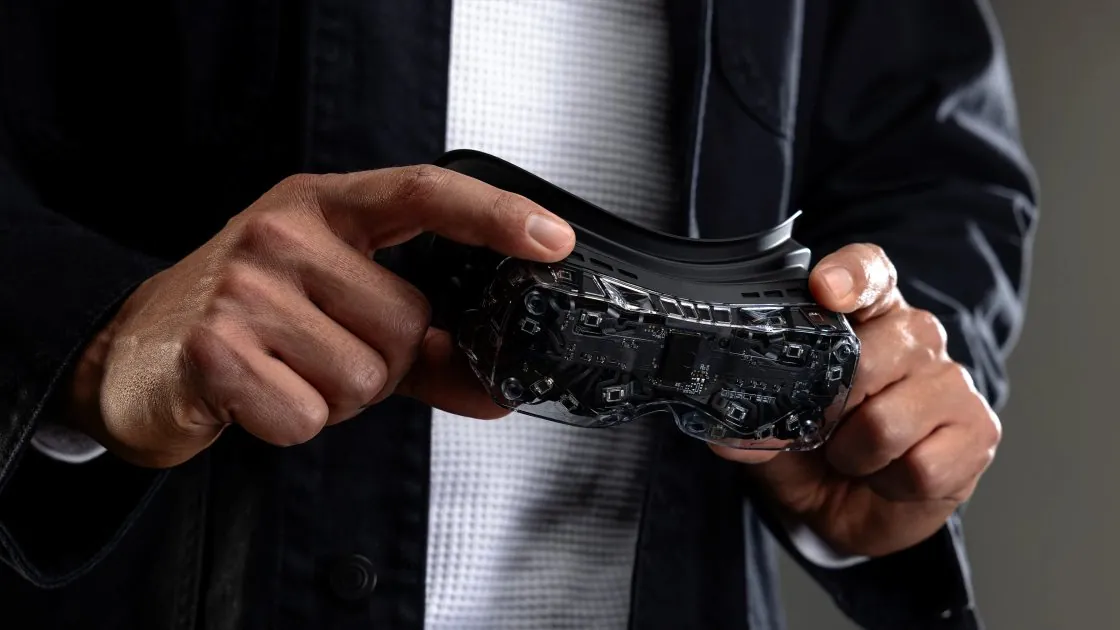
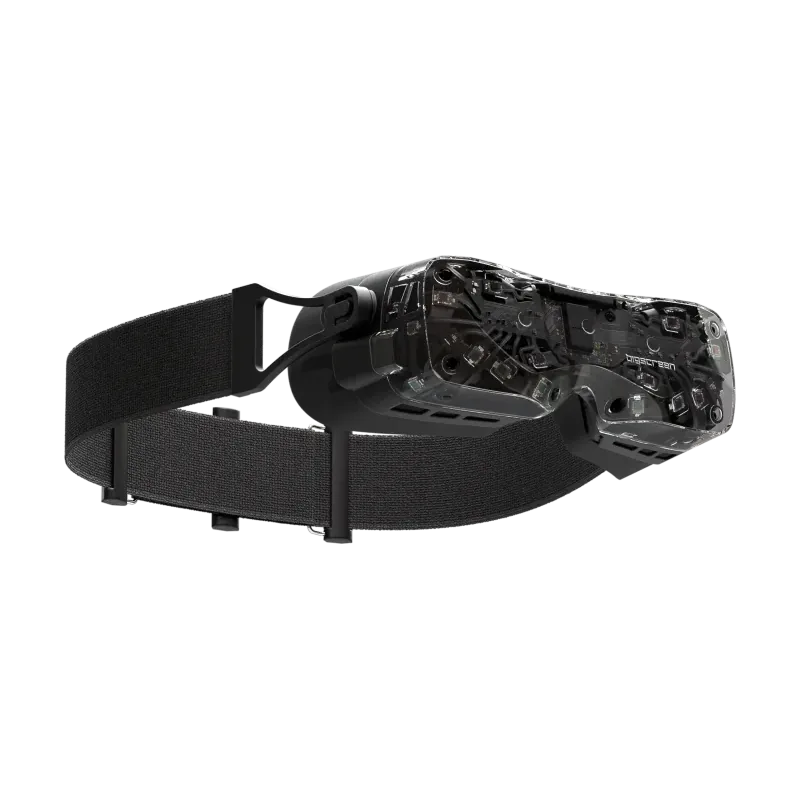
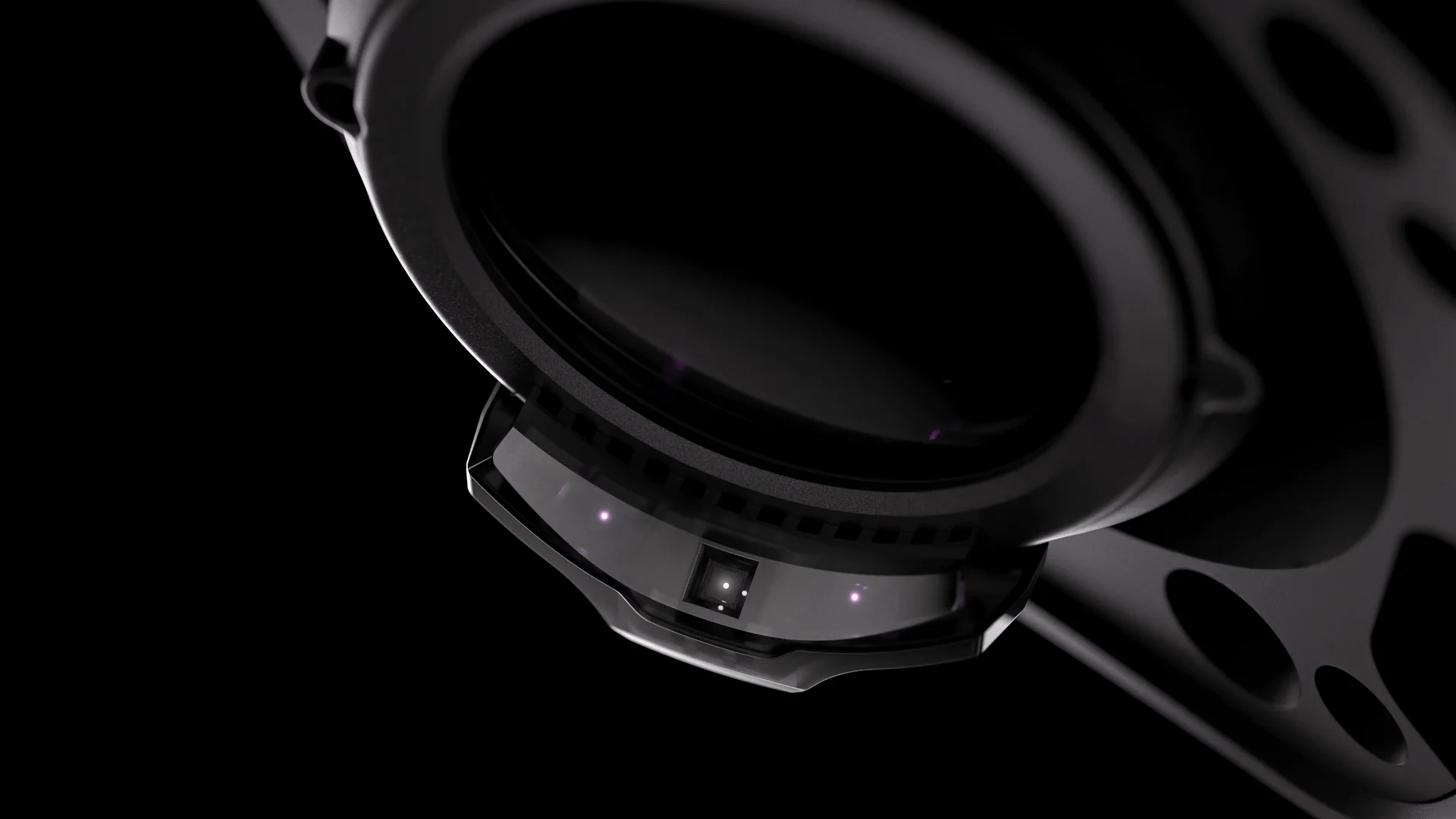
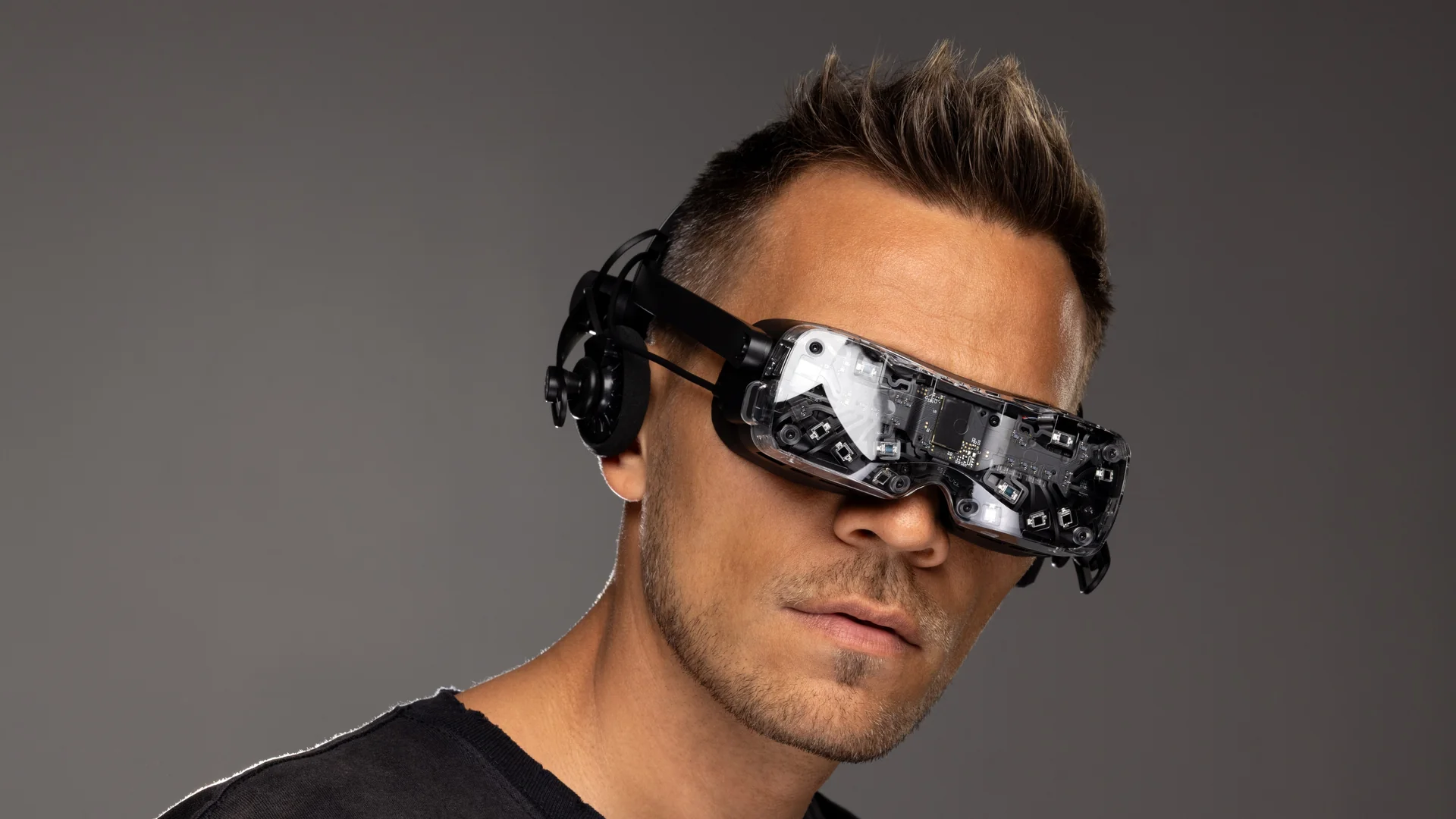
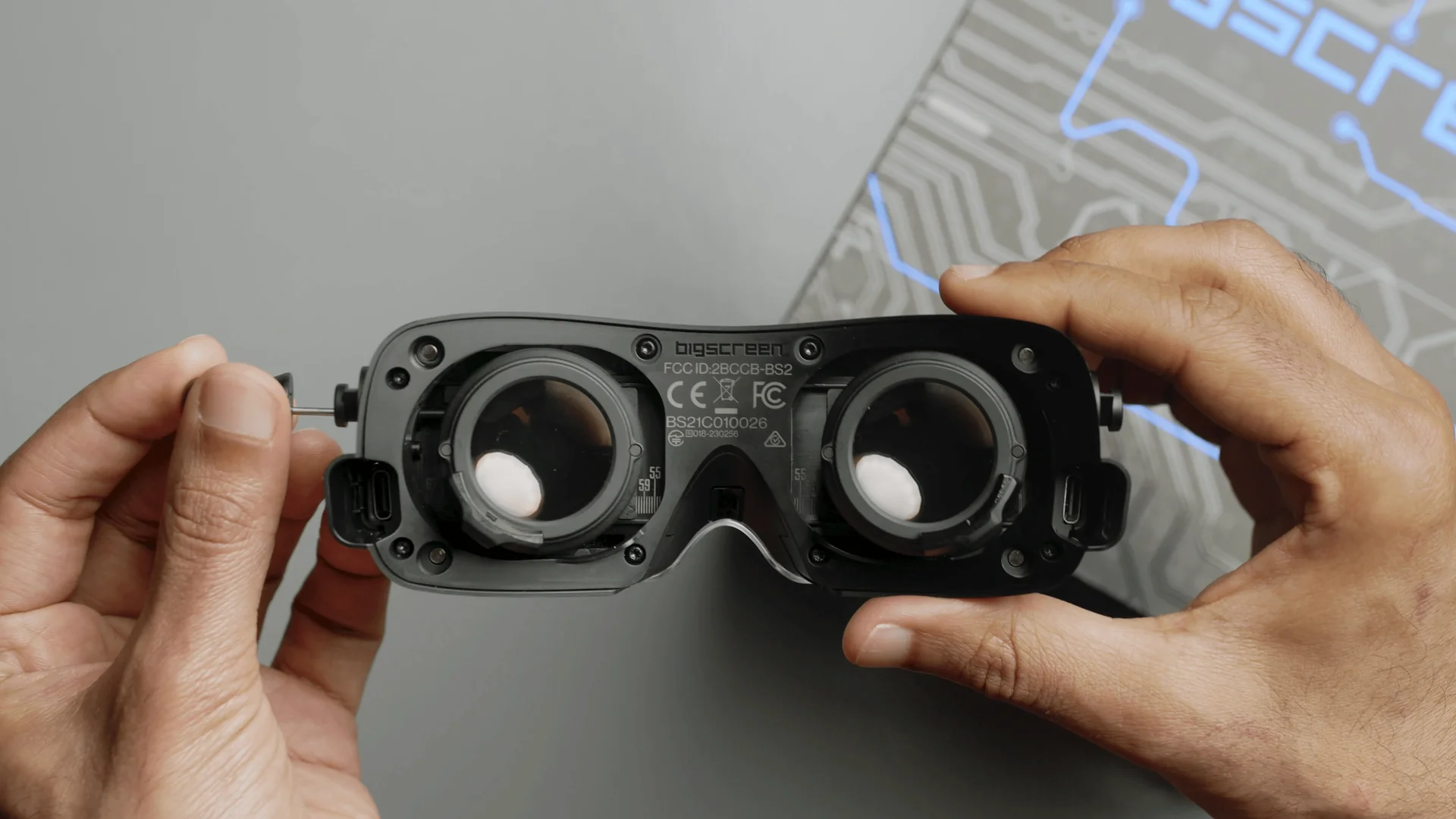
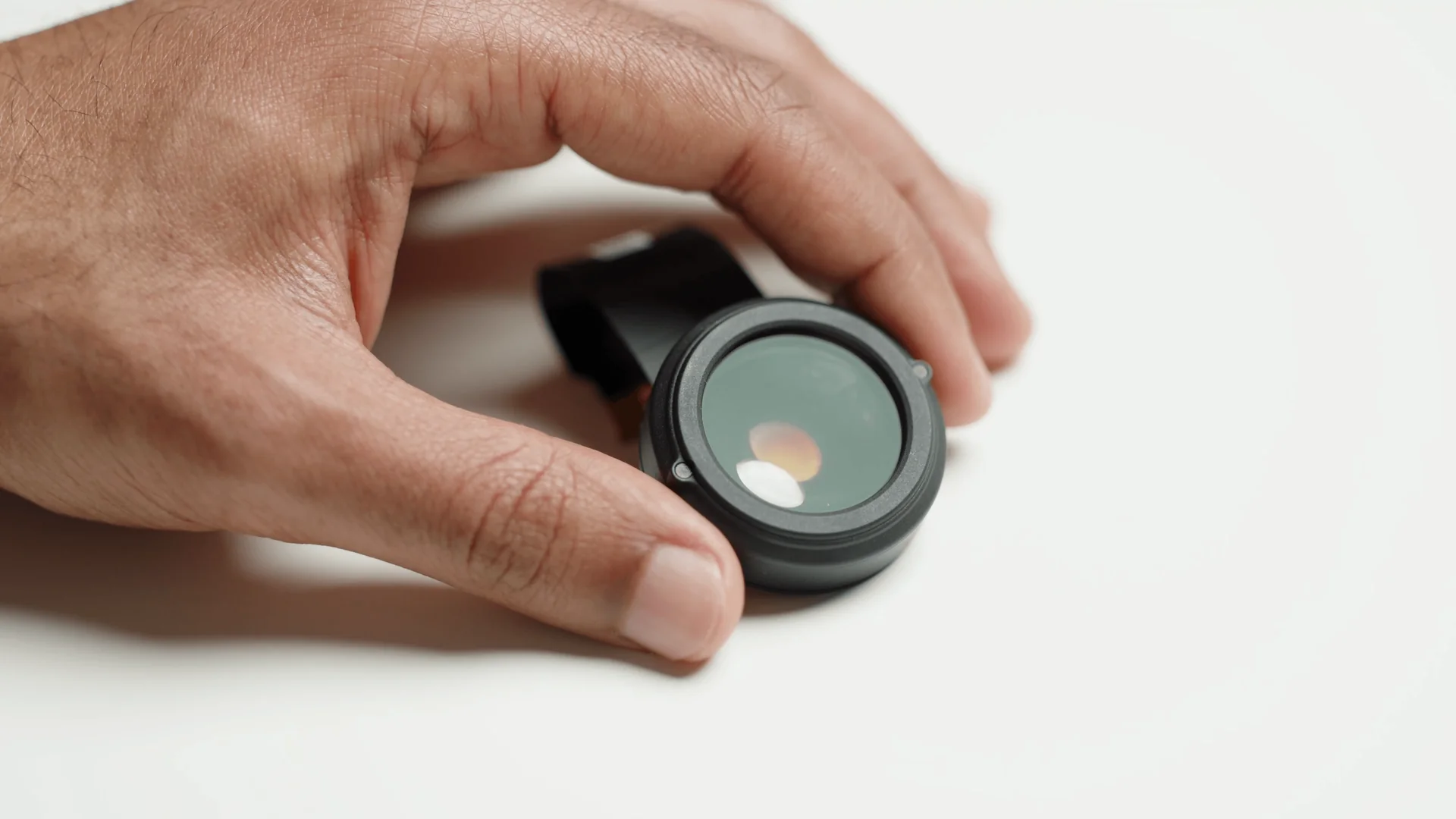
The Bigscreen Beyond 2e is the eye-tracking version of the Bigscreen Beyond 2, a tethered PC VR headset that runs through SteamVR. Apart from the eye tracking, the hardware is the same. It has two 1-inch micro-OLED panels at 2560 x 2560 per eye, running at 75Hz or 90Hz. The new pancake lenses give a 116-degree diagonal field of view, IPD adjusts per eye (53-70mm physically), and a 5m fiber optic cable runs to a link box. Bigscreen lists the 2e at 108g and the Beyond 2 at 107g. UploadVR reports that the eye-tracking sensors add about 1.05g.
The headset needs at least one SteamVR base station for base station tracking, and controllers are sold separately. Bigscreen lists an RTX 2070 or RX 5700 XT as the minimum GPU, plus DisplayPort 1.4 with DSC. The 2e launched at $1,219 in 2025. Road to VR reported that Bigscreen cut it to $1,159 in September 2026, with the Beyond 2 at $959.
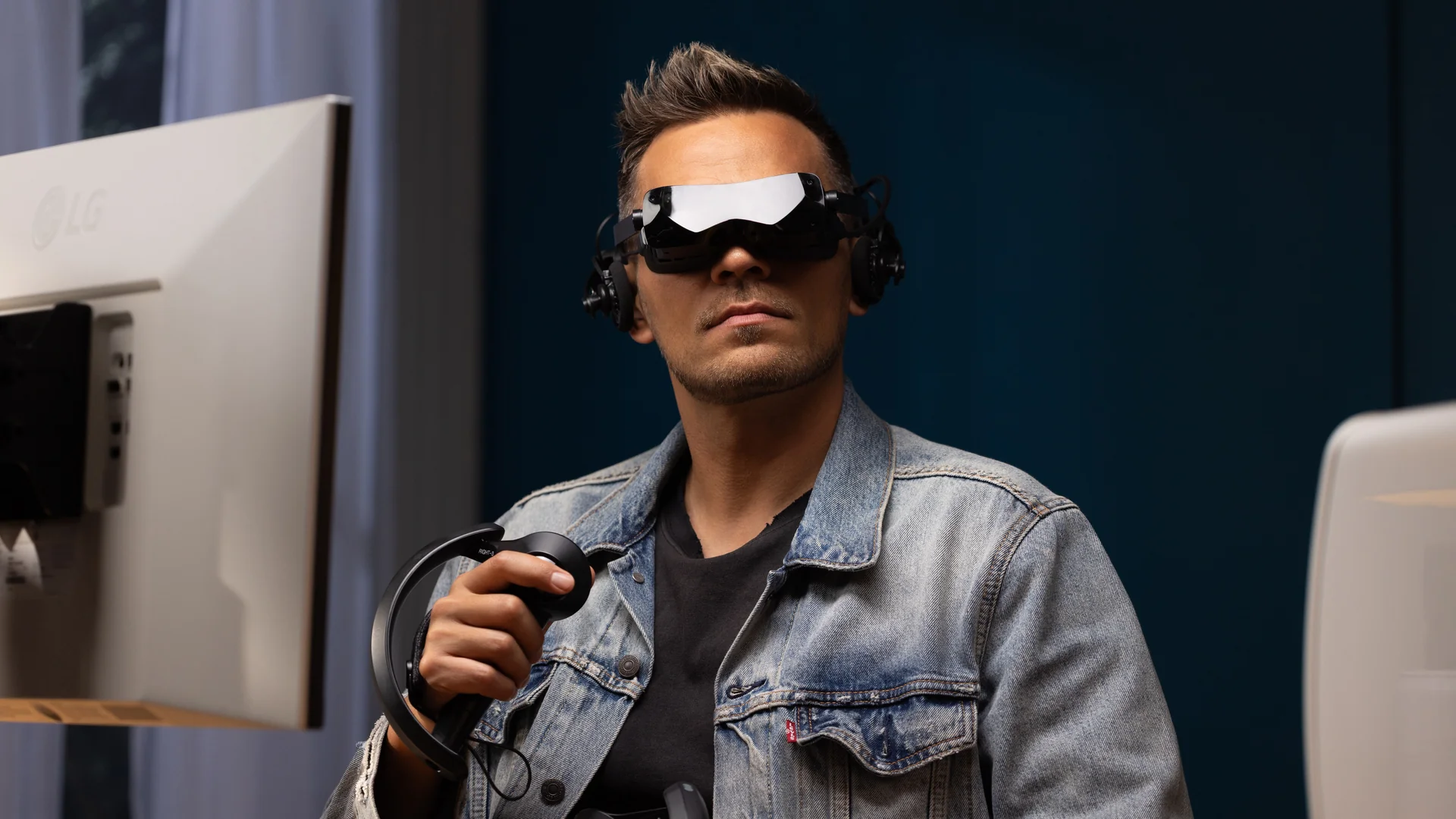
Bigscreen says its eye tracking builds a 3D model of each user's eyes: captured images are refined in the cloud, then the finished model runs locally on the GPU. When the software beta opened in August 2025, it offered simple gaze tracking, with blinking and eyelid detection listed as coming later. UploadVR notes that the main use so far has been driving avatar eyes in VRChat. In December 2025 Bigscreen added early-access eye-tracked foveated rendering for OpenXR 1.1 titles, including Microsoft Flight Simulator 2024, DCS, iRacing, Pavlov VR and Kayak VR: Mirage. Some of these need third-party software from GitHub.
Strengths
- Weight and size. At about 108g, it is far lighter than conventional PC headsets. UploadVR's hands-on with a pre-production Beyond 2 put the weight saving at the center of its appeal for long sessions.
- Cleaner optics than Beyond 1. Reviewing the Beyond 2, MRTV found glare "reduced significantly" and edge-to-edge clarity much improved. UploadVR saw fewer internal reflections and lenses "very clear to the edges."
- Image quality. MRTV praised "perfect blacks, vibrant colors" and saw no visible mura. It found the image notably sharper than Quest 3, though not quite at the level of 4K-class rivals.
- Tracking and microphone. MRTV called Lighthouse tracking "still the gold standard" and rated the built-in mic among the best on any headset.
- Eye tracking that keeps growing. Foveated rendering arrived as a software update, and UploadVR recommended that 2e owners turn it on. Bigscreen claims "massive performance gains" in supported titles, but that is the company's own claim.
Weaknesses
- Not a complete kit. Base stations, controllers and headphones are extras. MRTV said the optional audio strap needs improvement.
- Face fit. MRTV found the silicone face interface "sticks to the face" when you sweat. It also called the IPD tool "small, fragile," which makes the headset impractical to share. Road to VR reports that a Universal-Fit Cushion now ships as standard, so an iPhone face scan is no longer required.
- Narrower overlap. MRTV measured 106 x 92 degrees and binocular overlap of 73%, though it found this more acceptable than expected.
- Eye tracking is still maturing. Foveated rendering is early access and limited to a short list of OpenXR titles, some of which need third-party tools. Bigscreen itself warns that some OpenXR games can hit startup errors in SteamVR. We found no major-outlet review that measured the 2e's eye-tracking accuracy.
- Tethered only. The 2e depends on a cable and external base stations, with no standalone or wireless mode.
Who it suits
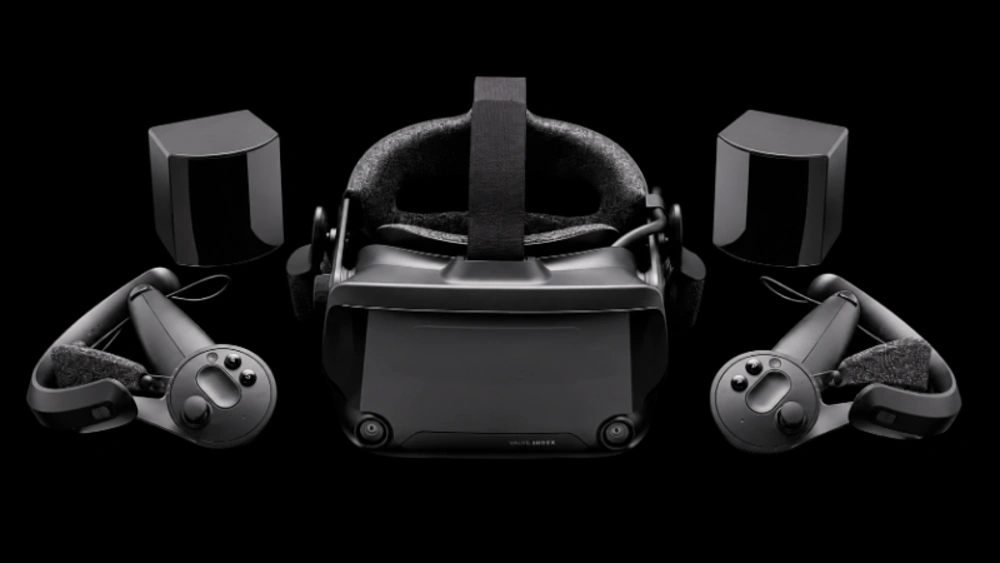
The 2e makes most sense for PC VR users who already own base stations and controllers, for example from a Valve Index setup. It is also aimed at VRChat regulars who want avatar eye movement and at flight and racing sim players whose games support foveated rendering. If you have none of the SteamVR tracking hardware, the real cost climbs well above the headset price. In that case, a standalone headset is the easier first step. Our guide to setting up SteamVR base stations covers what is involved.
How it compares
Against the Beyond 2, the only difference is eye tracking for $200 more. That is worth paying if you use VRChat or play one of the supported foveated rendering titles, and easy to skip if you do not. Against the Valve Index, it uses the same tracking and controllers but swaps LCD panels for micro-OLED in a much smaller body. Bigscreen CEO Darshan Shankar told UploadVR he sees it as the obvious upgrade path for SteamVR users. Against the Meta Quest 3, MRTV found the Beyond 2 notably sharper. The Quest 3 is a complete standalone package with inside-out tracking, passthrough and wireless PC streaming, and it costs far less.
Sources
- Bigscreen: Bigscreen Beyond 2 official site and specifications
- Bigscreen: Beyond 2 and Beyond 2e store page
- Bigscreen: How Eyetracking Works in Bigscreen Beyond 2e
- MRTV: Bigscreen Beyond 2 Review - Refining A Winning Formula
- UploadVR: Bigscreen Beyond 2 Hands-On: Refining A Vision For VR Enthusiasts
- UploadVR: Bigscreen Beyond 2 Has Clearer, Wider, Adjustable Lenses And Optional Eye Tracking
- UploadVR: Bigscreen Beyond 2 Outsells Original's First Year
- UploadVR: Bigscreen Beyond 2 Now Ships In 1-3 Days & 2e Has Eye-Tracked Foveated Rendering
- UploadVR: Bigscreen Beyond 2e VRChat Edition
- UploadVR: Darshan Shankar Reflects On 10 Years Of Bigscreen Beta As Beyond 2 Production Ramps
- Road to VR: PC VR Headset Bigscreen Beyond 2 Promises Big Boost to Field-of-view & Clarity
- Road to VR: Bigscreen Drops Beyond 2 Headset Price to $959, Halo Mount Resumes Production