Samsung Galaxy XR review: Vision Pro-class screens at half the price
An AI-written assessment of Samsung Galaxy XR from official specs and published reviews: sharp micro-OLED displays, light design and Gemini, offset by early Android XR software and few native games.
评测结论
Galaxy XR delivers Vision Pro-class displays and a lighter design for about half the price, with Gemini as a real highlight. Early Android XR software and a thin game library make it a headset for media and productivity first.
分项评分
优点
- Very sharp 3552 × 3840 micro-OLED displays
- About half the price of Apple Vision Pro
- Lighter than Vision Pro, with the battery off the head
- Gemini and Google apps built in
- Runs many standard Android apps
缺点
- Software described as buggy and early
- Hand and eye tracking less consistent than Apple's
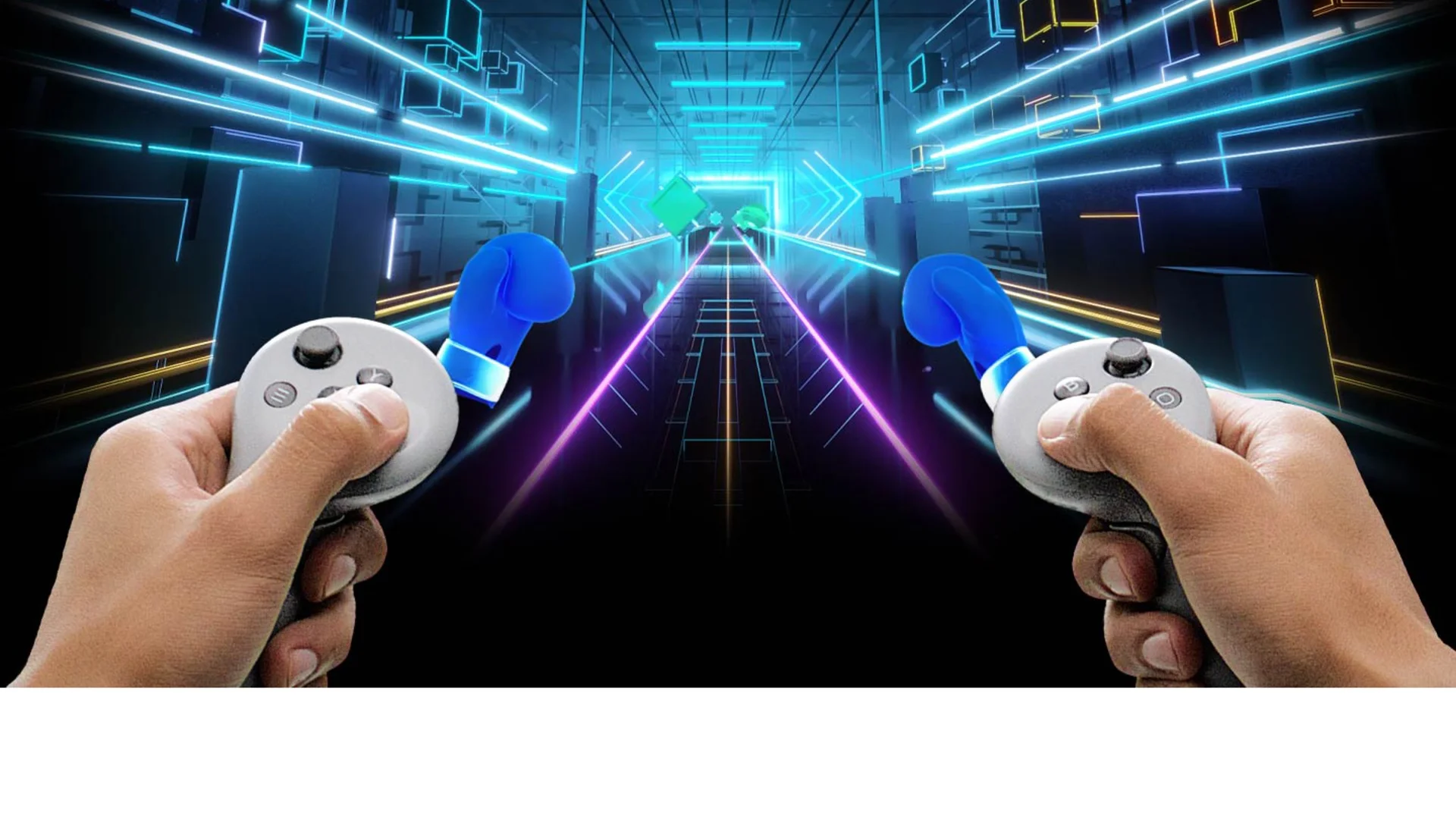
- Controllers cost about $250 extra
- Few native VR games; gaming is not a focus
- Refresh rate tops out at 90 Hz
照片

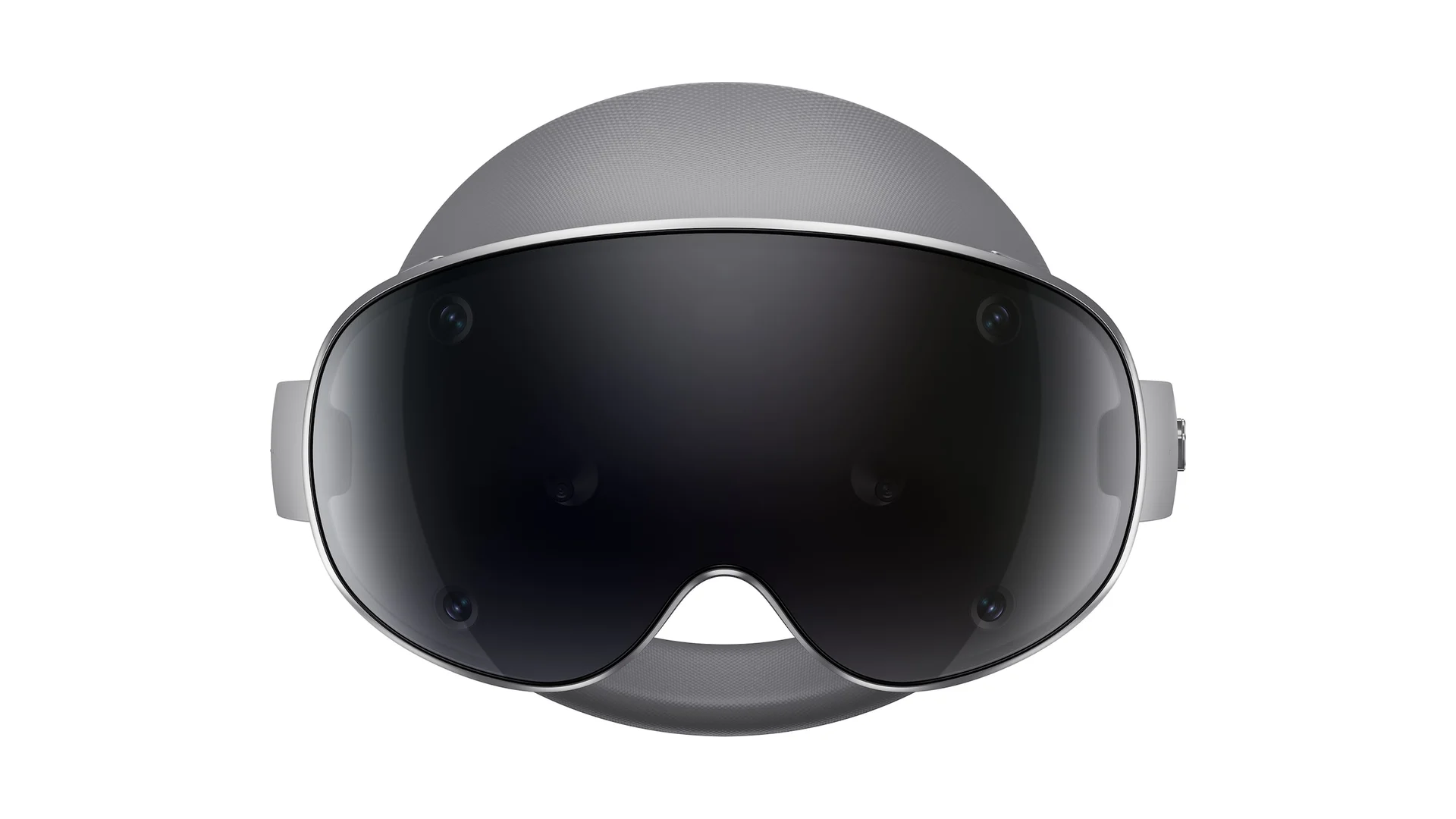
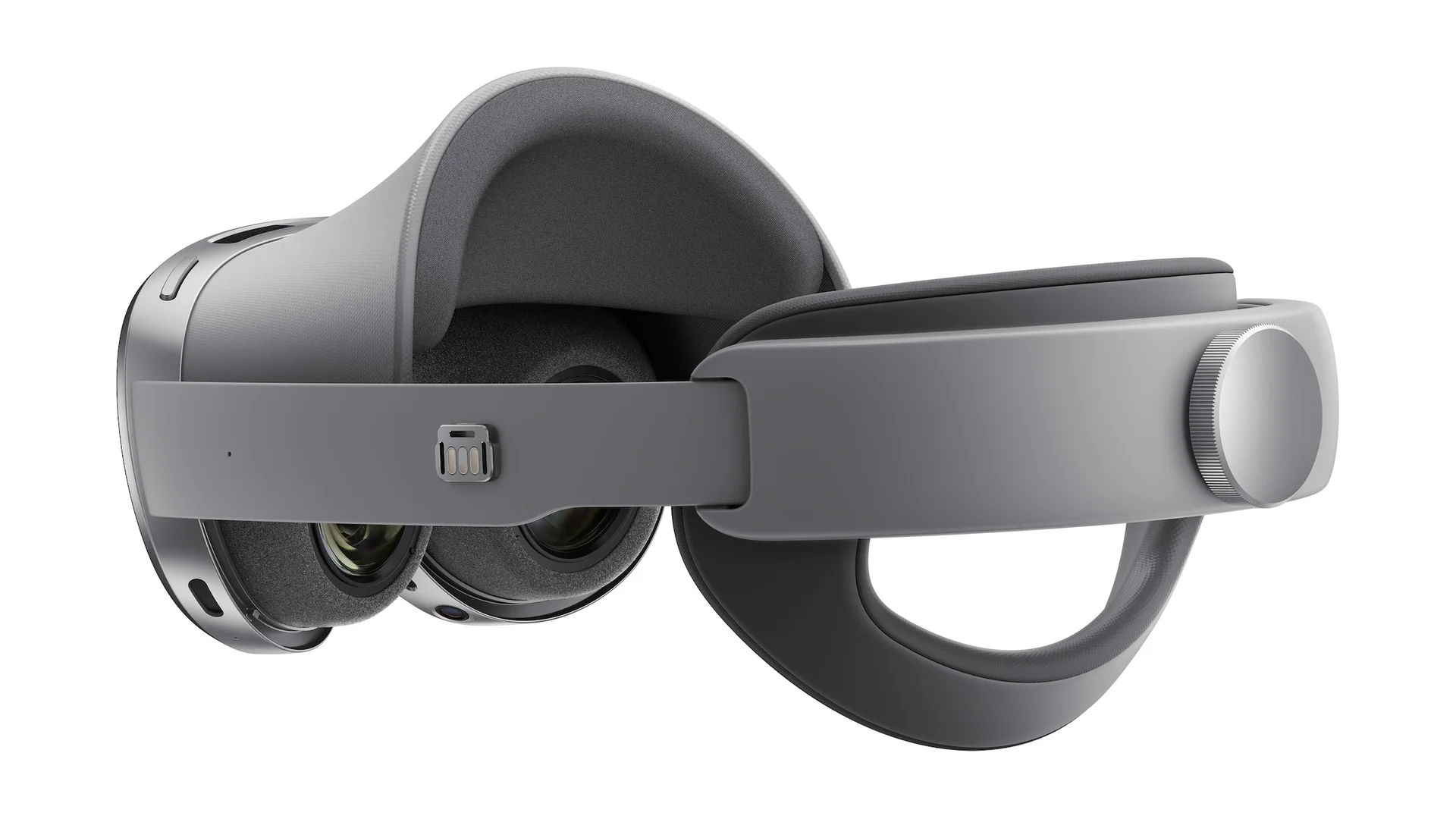
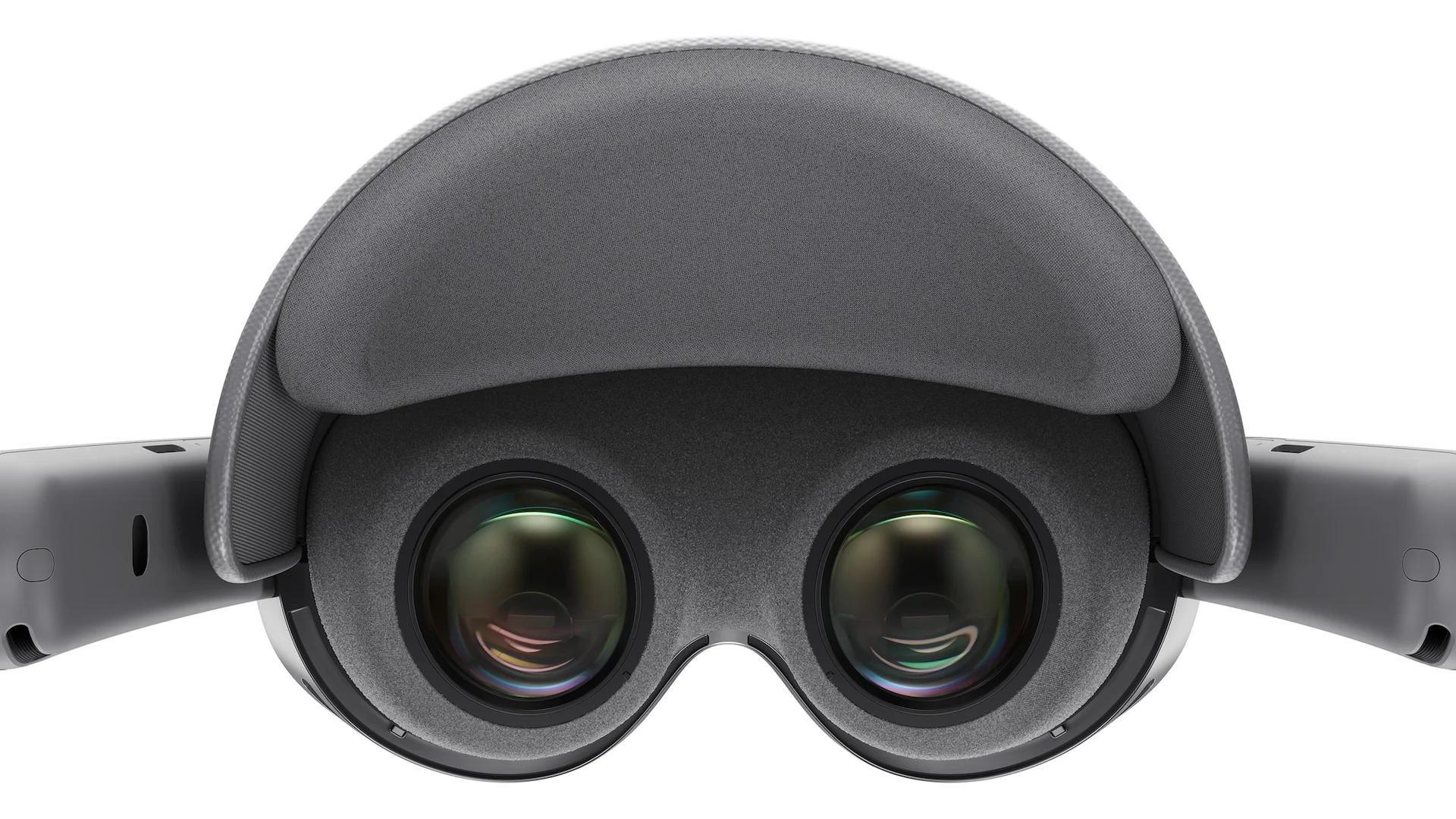
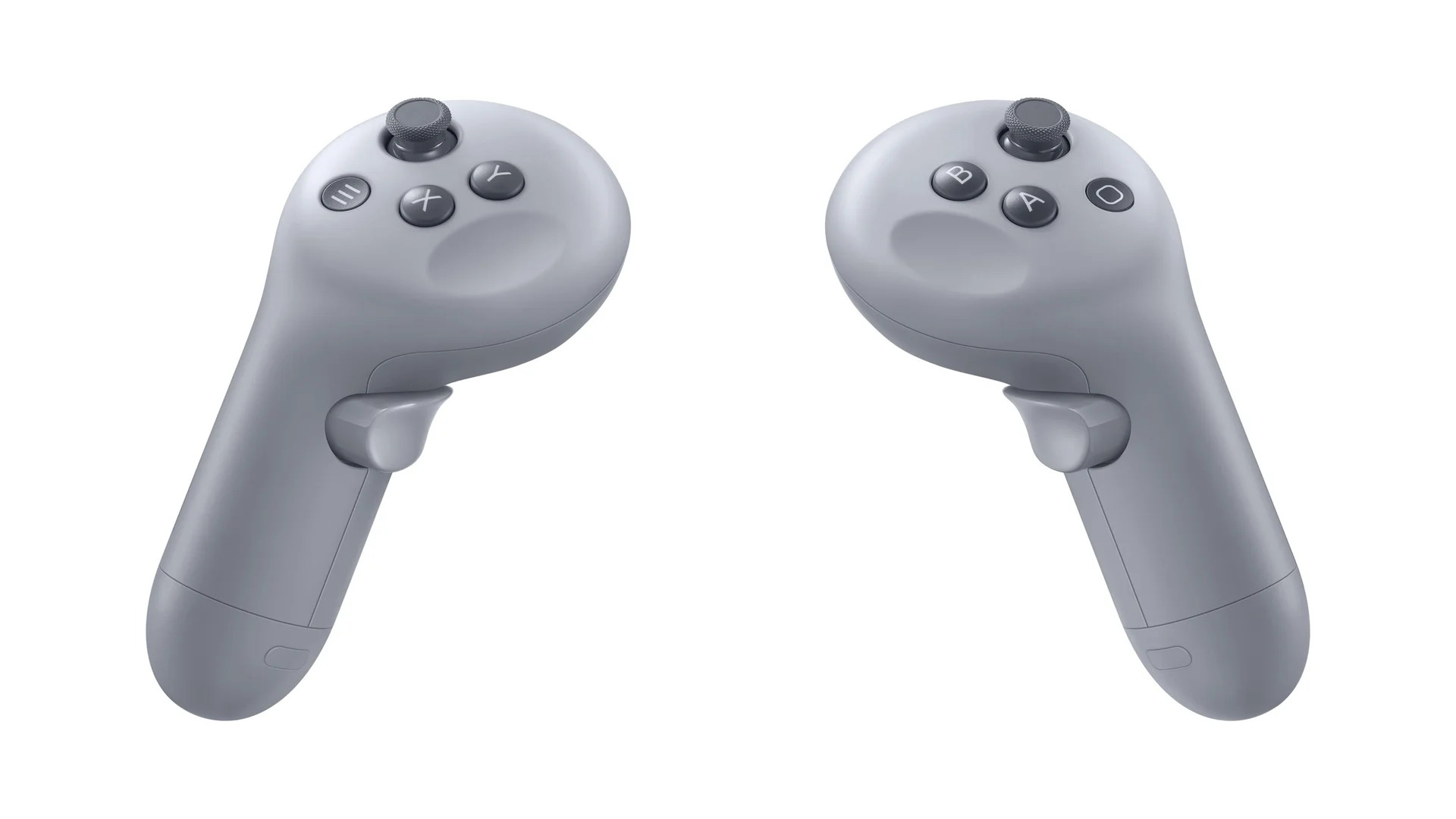
This review is an AI-written assessment. It is based on Samsung's official specifications and on what published reviews broadly agree on, not on hands-on testing.
What it is
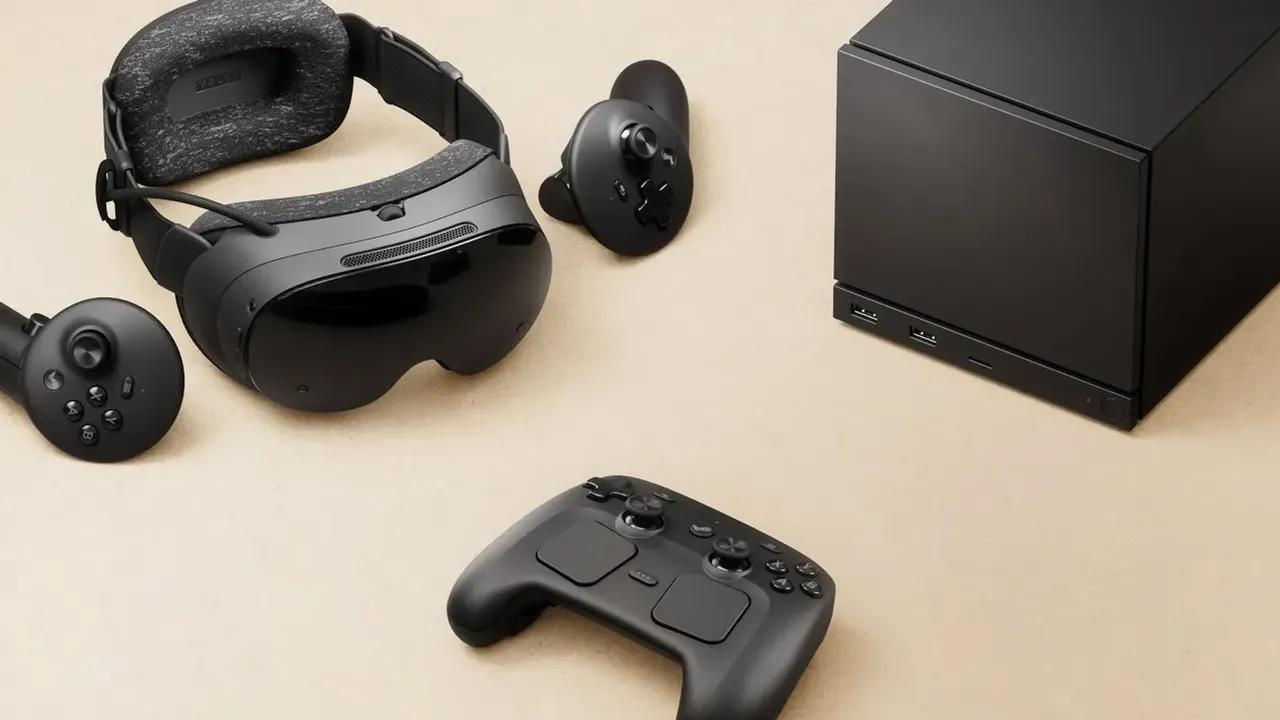
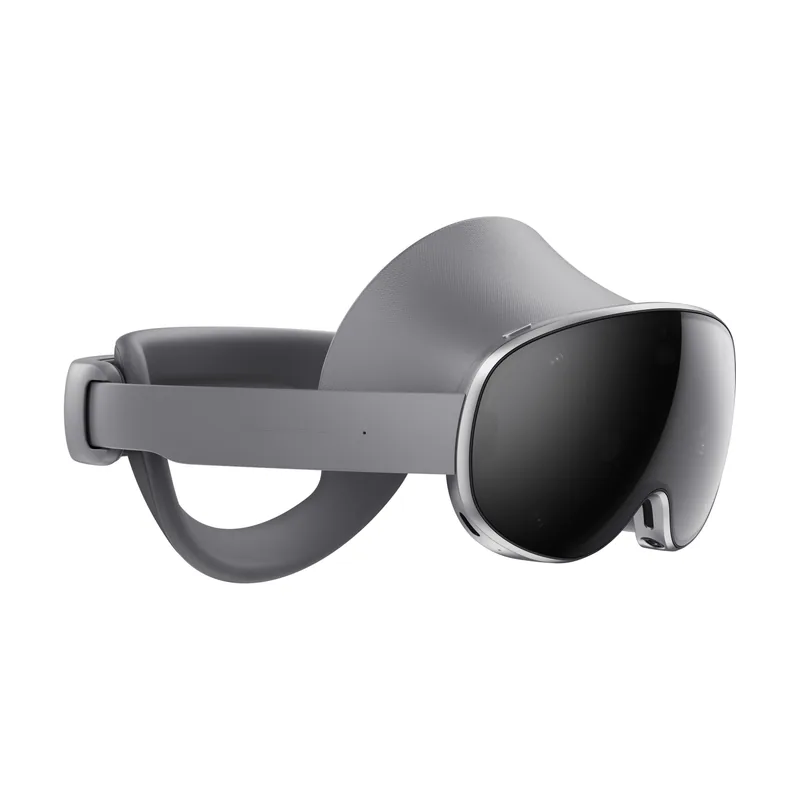
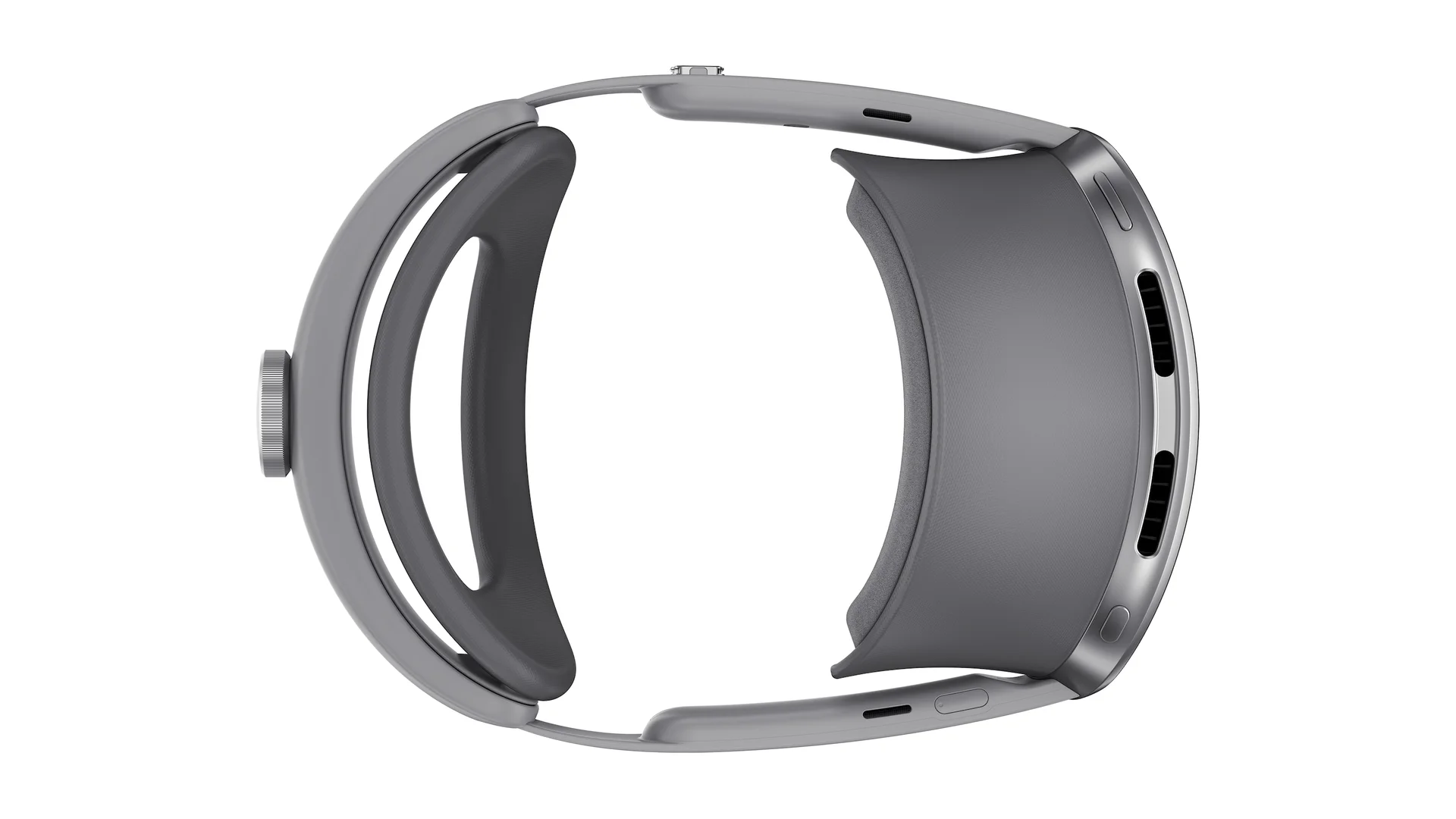
The Samsung Galaxy XR is the first headset to run Google's Android XR platform. It launched in the United States on October 21, 2025 at $1,799.99, in one configuration with a Snapdragon XR2+ Gen 2, 16 GB of RAM and 256 GB of storage. Each eye gets a 3552 × 3840 micro-OLED panel behind pancake lenses, with refresh rates up to 90 Hz. Eye tracking and hand tracking are the default inputs, Gemini is built into the system, and a separate 302 g battery pack on a cable rated for about two hours of general use keeps weight off the head. Controllers are sold separately for about $250.
Strengths
The displays draw the strongest praise. UploadVR's first impressions rated the micro-OLED panels as on par with, or slightly sharper than, Apple Vision Pro, and judged the passthrough the best it had seen at the time, with accurate depth and little warping. Engadget's hands-on also highlighted the image quality and called the headset a strong value next to Apple's.
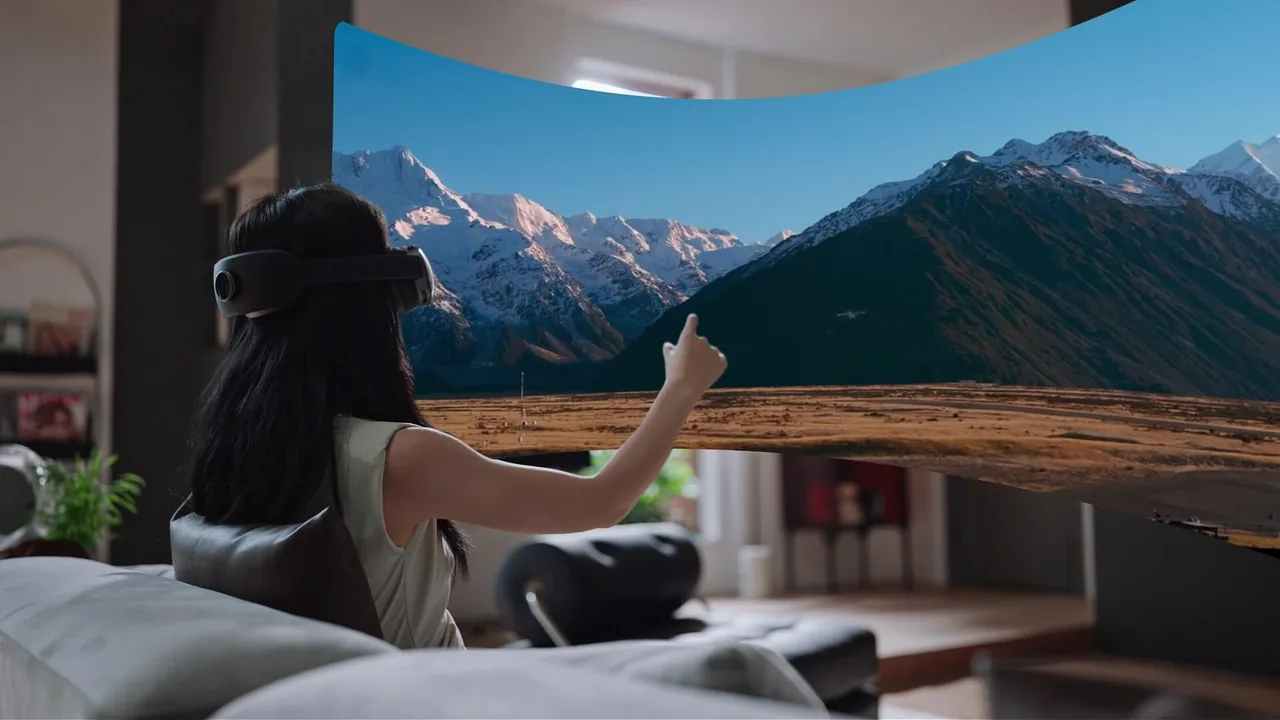
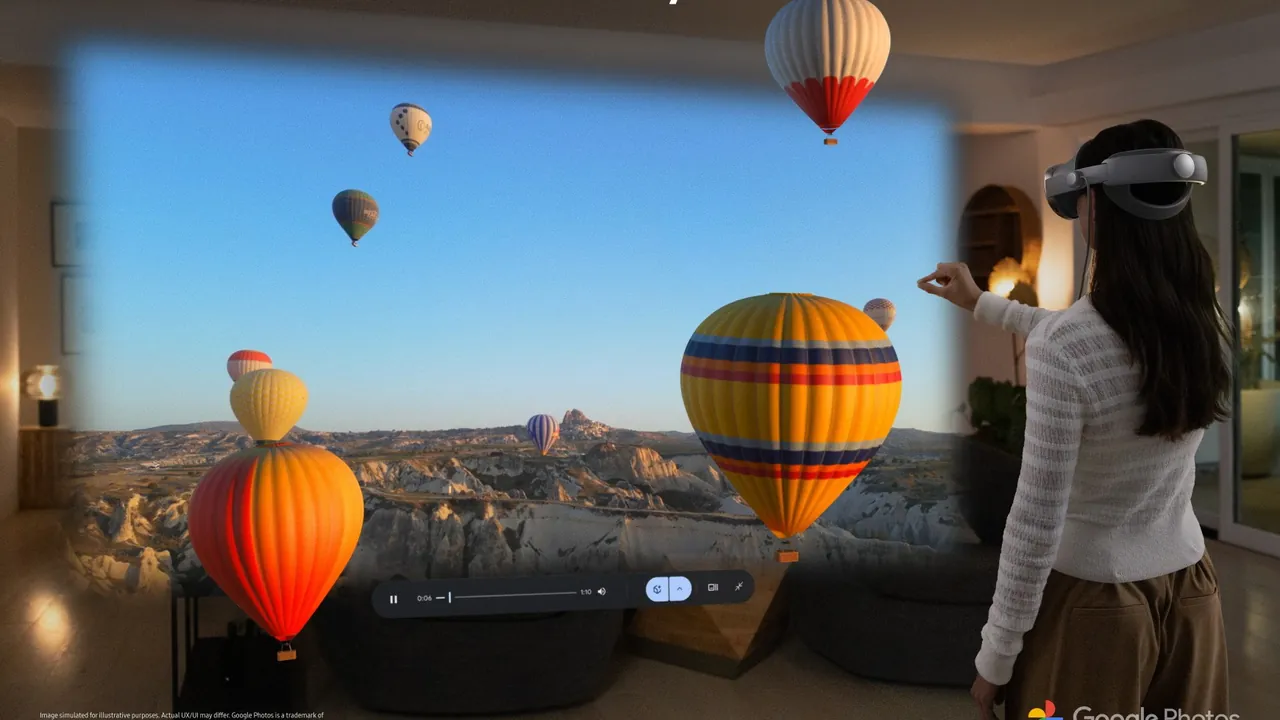
Comfort and price are the other clear wins. At 545 g with its forehead cushion, Galaxy XR is noticeably lighter than the Apple Vision Pro (M5), and Tom's Guide found it more comfortable than Apple's headset. Gemini integration was singled out as a standout feature: it can answer questions about what you see and help with tasks. Google Play gives access to many standard Android apps in floating windows, and spatial versions of YouTube, Google Maps and Chrome are included. Google Maps in particular was praised as a showcase app.
Weaknesses
Software maturity is the main concern. Tom's Guide, which gave the headset 3.5 out of 5, called it cheaper, lighter and buggier than Vision Pro, and found hand and eye tracking less smooth and consistent than Apple's. UploadVR reported that hand tracking struggled with fast movements and overlapping hands. Engadget, in a more critical follow-up, described Galaxy XR as a well-polished developer kit, given how little content Android XR offered.
Games are not the focus. UploadVR reported that VR gaming is "not a focus" for Galaxy XR, and because controllers cost extra, developers cannot count on every owner having them. Fit can also be an issue: UploadVR noted the rigid rear strap cannot be removed, and getting the lenses close enough to the eyes depended on choosing the right forehead cushion. The display tops out at 90 Hz, below Vision Pro's 120 Hz.
Who it suits
Galaxy XR suits people in the Google and Samsung ecosystem who want a sharp personal screen for video, browsing and multitasking, with mixed reality and an AI assistant built in, at roughly half the cost of Vision Pro. Buyers who mainly want VR games will find a larger library and lower prices elsewhere.
How it compares
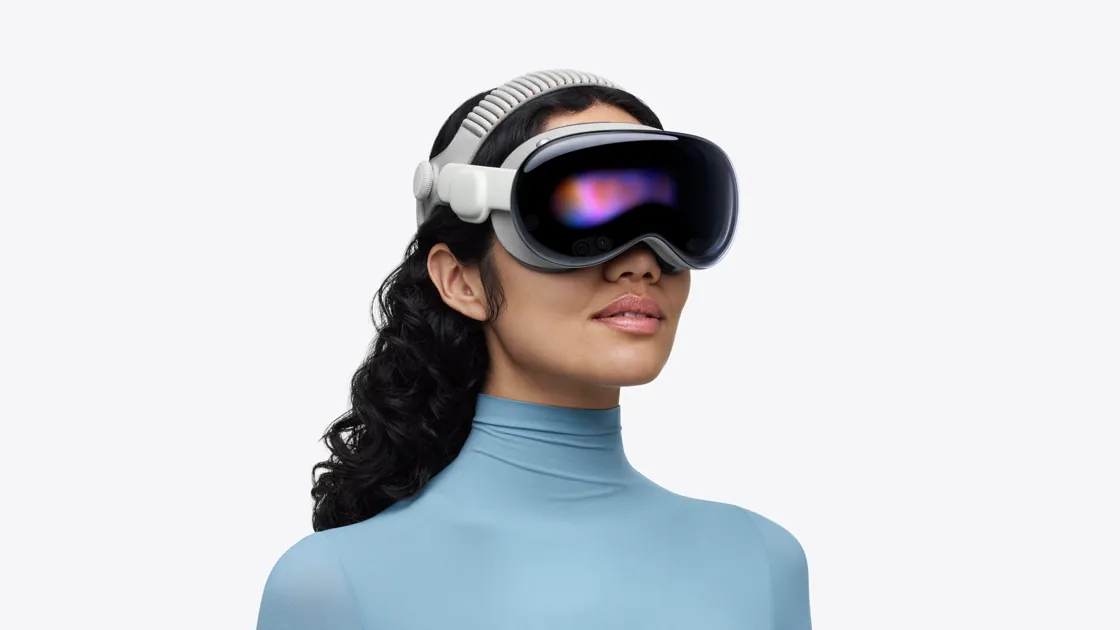
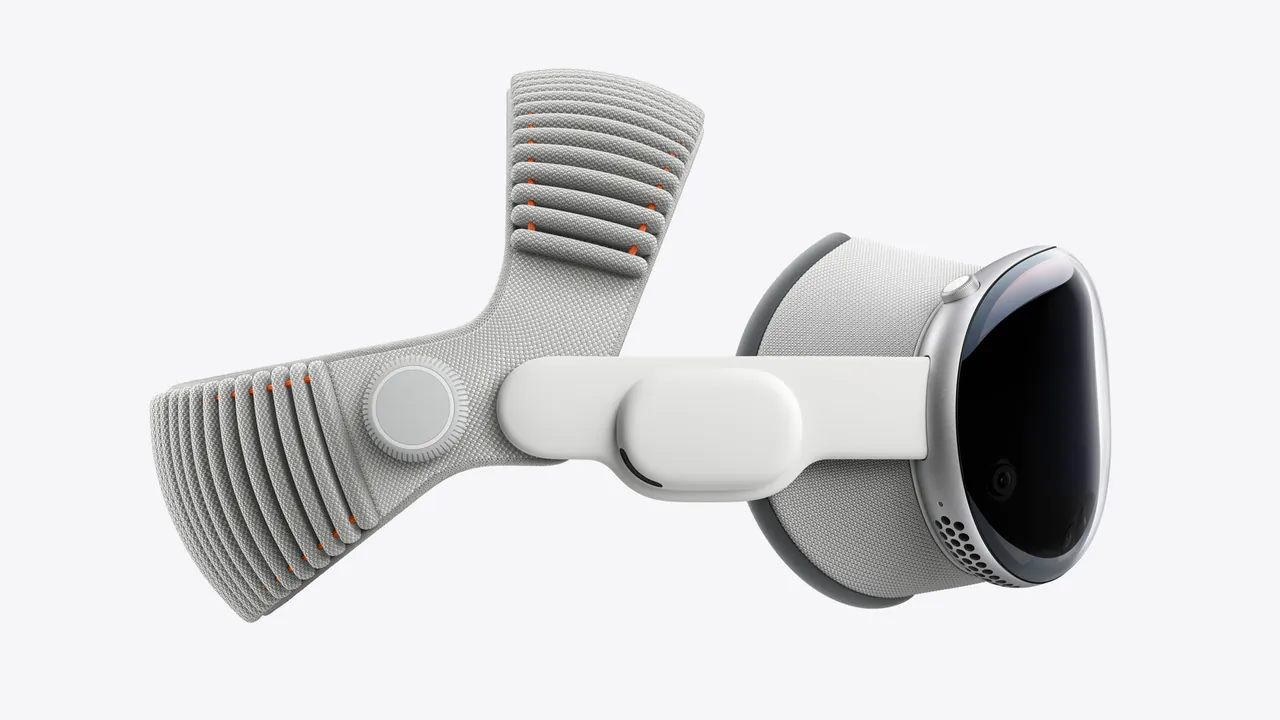
Against the Apple Vision Pro (M5), Galaxy XR offers similar display sharpness and the same look-and-pinch style of control for $1,799.99 instead of $3,499, with a lighter headset, but with less polished software and fewer native apps. Against the Meta Quest 3, it has far sharper displays and eye tracking, while Quest 3 costs a third as much, includes controllers and has a much bigger game catalog on the Meta Horizon Store.