

Half-Life: Alyx review: still the benchmark for big-budget VR
An AI-written assessment of Half-Life: Alyx from official details and published reviews: unmatched detail, physics and polish in a full campaign, limited by a small arsenal and a PC VR requirement.

The verdict
Half-Life: Alyx remains the benchmark for big-budget VR, with unmatched detail, physical interaction and polish across a full campaign. Its small arsenal is a minor flaw; the PC VR requirement is the real barrier.
Score breakdown
Strengths
- Exceptionally detailed, interactive world
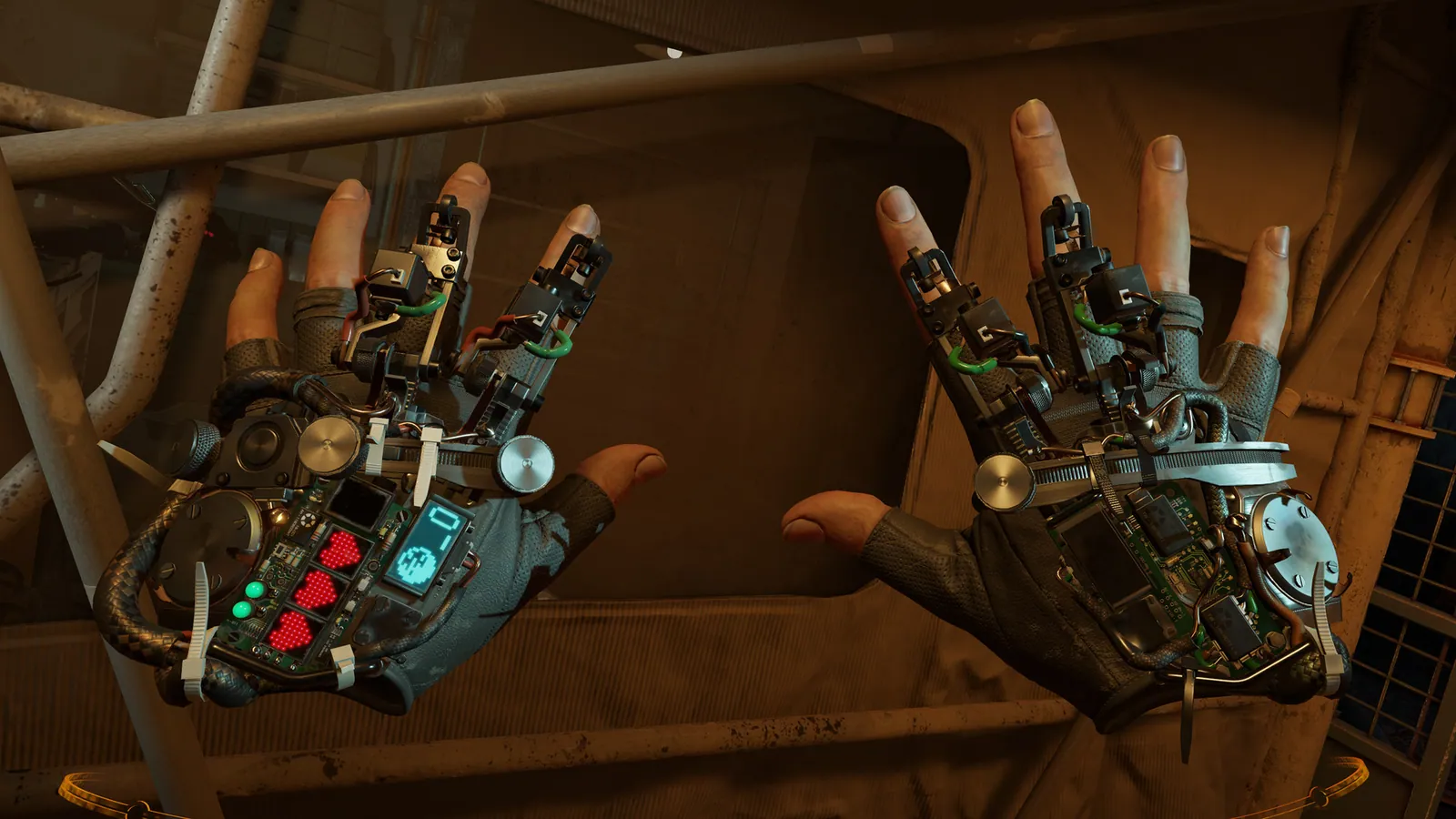
- Gravity gloves and hand reloading feel physical and satisfying
- Full-length, polished campaign
- Wide range of movement and comfort options
- Workshop mods and a native Steam Frame build
Weak spots
- Only three main weapons
- Plays it safe rather than inventing new mechanics
- Needs a VR-ready PC or a Steam Frame
- Not available on Quest or PlayStation stores
Trailer & screenshots
 Trailer
Screenshots
Photos: 8





This review is an AI-written assessment. It is based on official game details and on what published reviews broadly agree on, not on hands-on play.
What it is
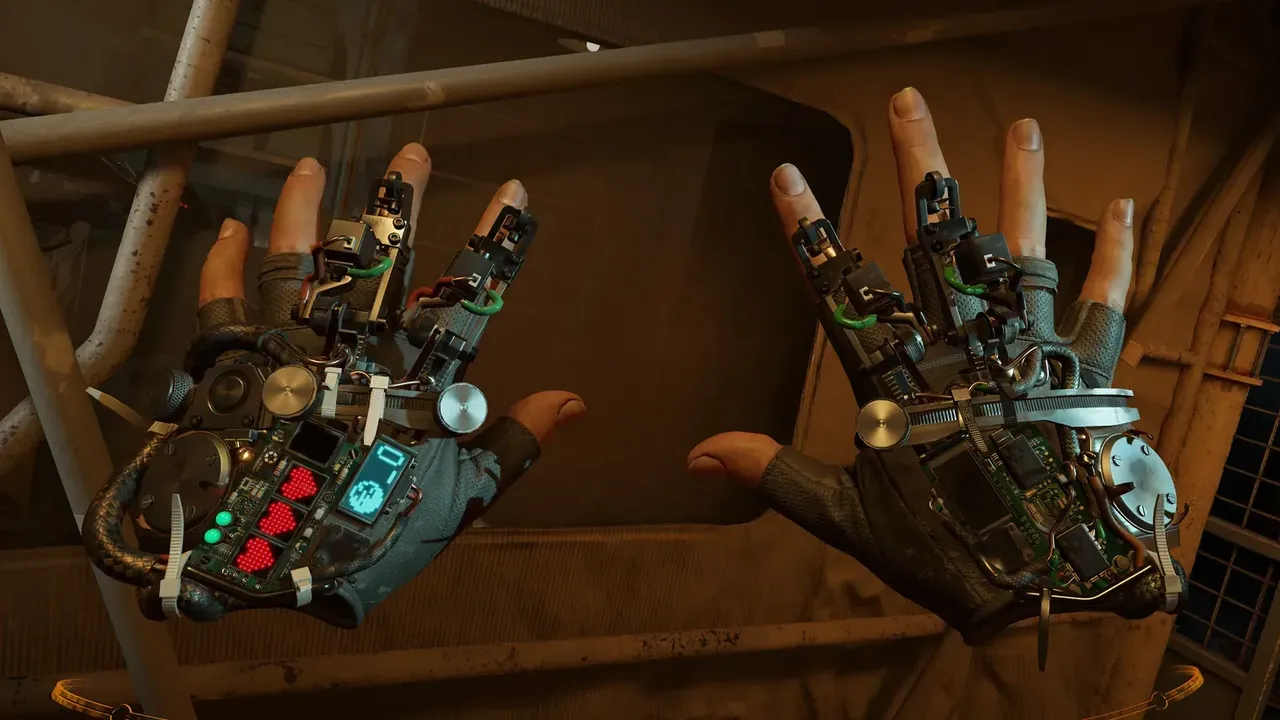
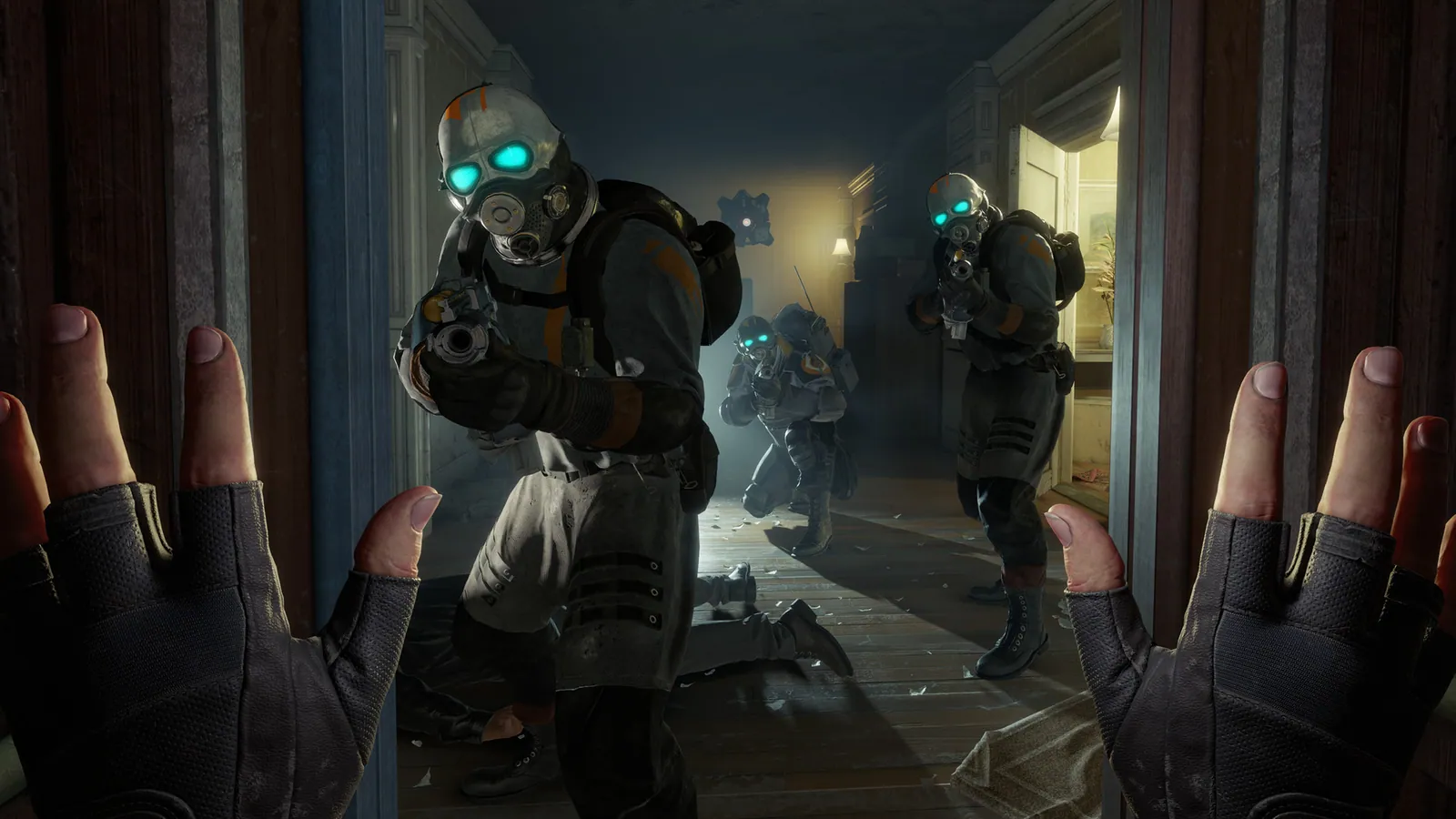
Half-Life: Alyx is Valve's full-length VR entry in the Half-Life series, released on SteamVR on March 23, 2020. Set between Half-Life and Half-Life 2, it casts you as Alyx Vance fighting the Combine in City 17. It mixes shooting, exploration, light horror and physics puzzles, built around the "gravity gloves" that pull objects to your hand. It sells for $59.99 on Steam, won Best VR/AR at The Game Awards 2020, and since September 2026 has a native standalone build for Valve's Steam Frame, which includes the game.
Strengths
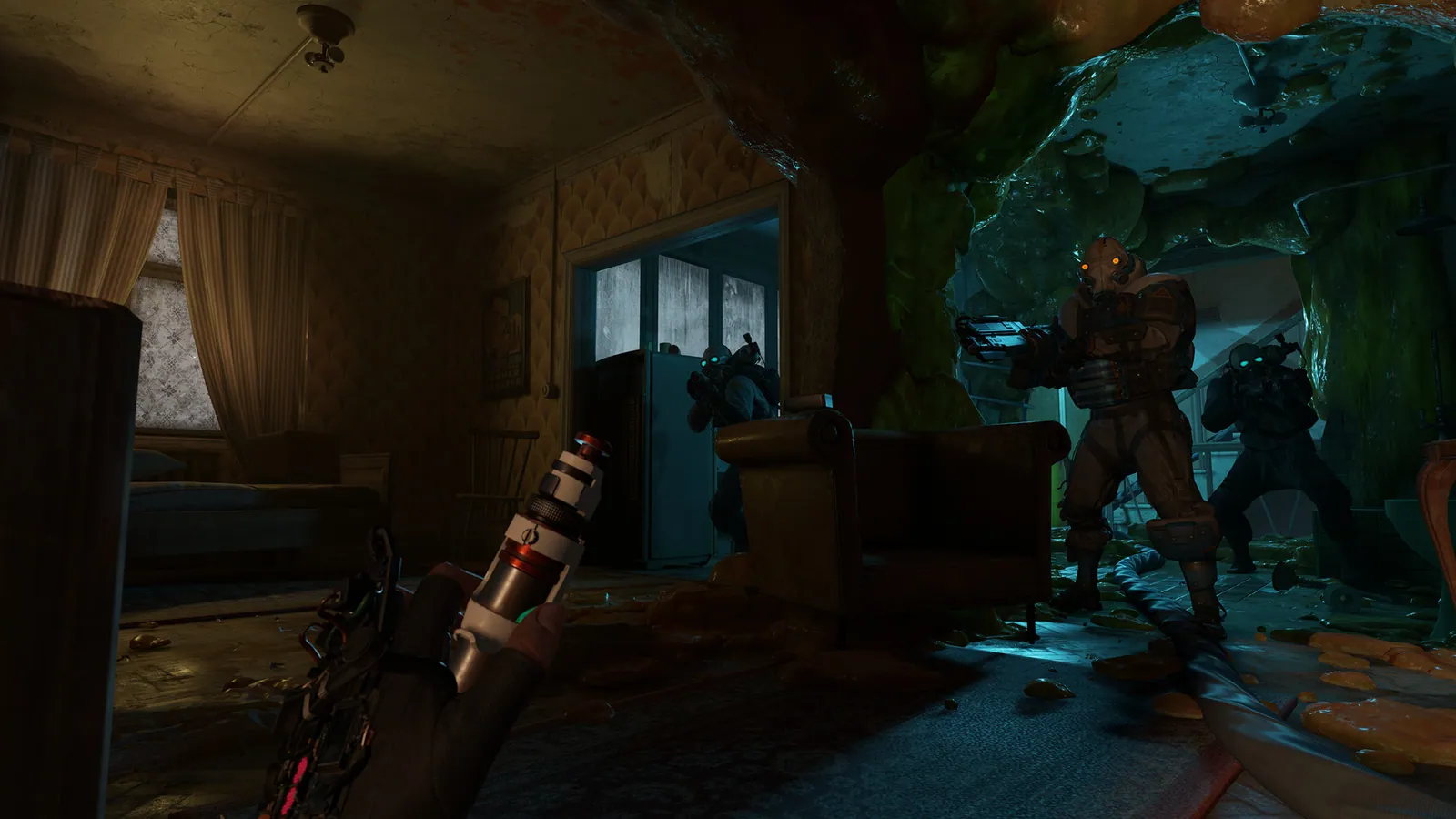
Critical reception was close to unanimous. Road to VR and IGN scored it 10 out of 10, UploadVR gave it five stars and called it unshakably essential, and GameSpot gave it 9 out of 10. Road to VR described it as the most detailed VR game it had played, and that level of detail is the point most reviews return to: nearly every object can be picked up, and rooms reward close inspection.
The interaction design is the other big win. Reloading by hand, scrounging for scarce ammunition and catching items with the gravity gloves make simple actions feel physical, and reviewers found catching objects in midair consistently satisfying. Puzzles such as tracing patterns in 3D space to hack devices use VR in ways a flat game cannot. Valve also included teleport, a short shift and smooth movement, plus seated and accessibility options, so most players can find a comfortable setup. Steam Workshop support adds community maps and mods.
Weaknesses
The criticisms are modest but consistent. UploadVR noted that there are only three guns and that the game rarely breaks truly new ground, favoring polish over invention. Road to VR felt that not much happens in the story beyond what is needed to keep the player moving. Some sections are dark and tense, with enemies designed to startle, which will not suit everyone.
Access is the bigger limit. The game is sold only on Steam. On PC, it needs a VR-ready gaming computer and a SteamVR-compatible headset, such as the Valve Index or a Quest headset connected to a PC. There is no version for the Meta Horizon Store or PlayStation.
Who it suits
Half-Life: Alyx suits anyone with a capable PC VR setup or a Steam Frame who wants a full, story-driven adventure. It is especially worth playing for people who want to see what high-end VR interaction can be. Players who are sensitive to horror moments, or who only own a standalone Quest without a gaming PC, should weigh those limits first.
How it compares
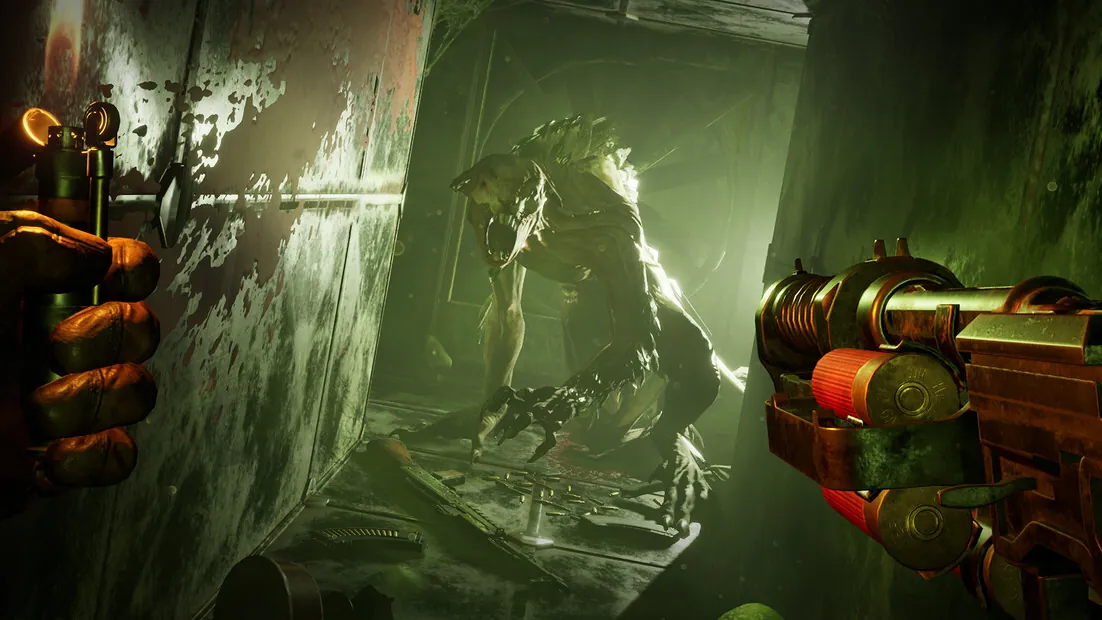
Bonelab pushes physics further in a sandbox style but lacks Alyx's tight campaign and polish. Metro Awakening offers a similar mix of scarce ammo and tense exploration, while Batman: Arkham Shadow is the closest standalone counterpart for a long, big-budget campaign. Years after release, published reviews still treat Half-Life: Alyx as the benchmark for the medium.