
OpenXR Adds 'Spatial Containers' So Several XR Apps Can Share One Space
The Khronos Group ratified two OpenXR extensions on October 19 that let apps run in system-managed 3D containers and switch between multitasking and full immersion. Google says Android XR will support them.
By vrBlogs
· 2 min read · Source: Road to VR
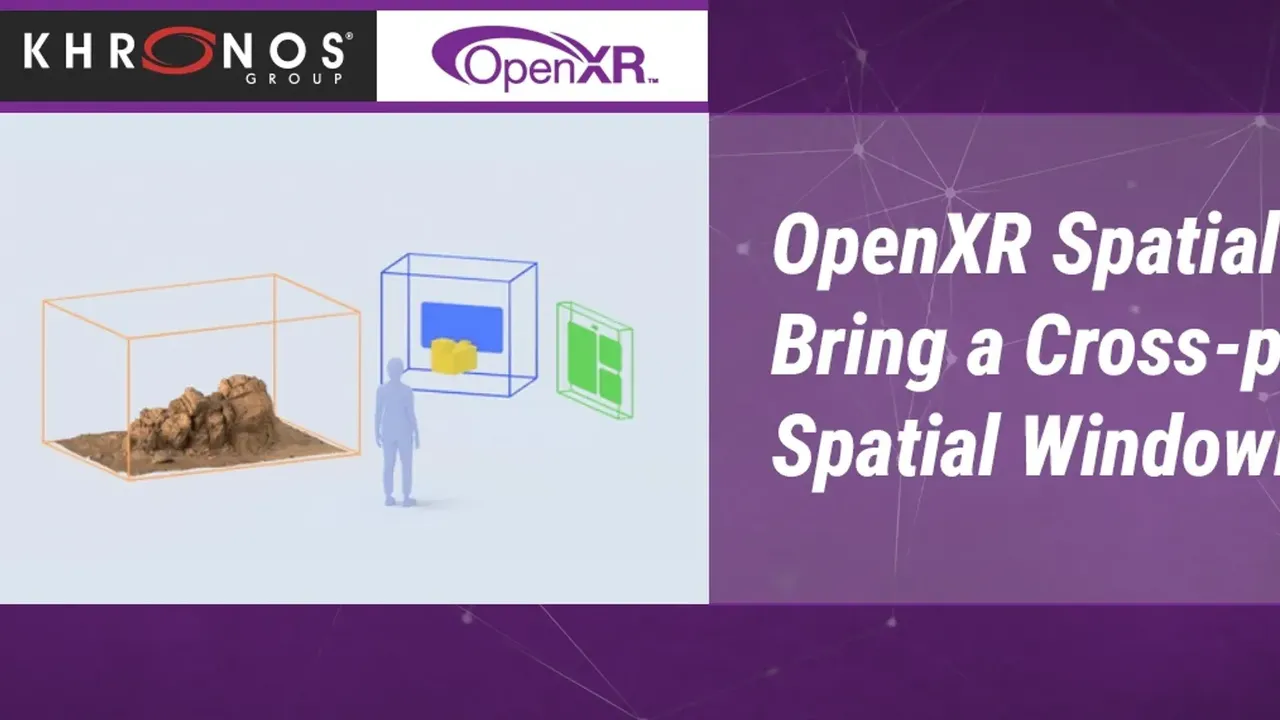
The Khronos Group has released new OpenXR extensions that bring "spatial containers," a cross-platform way for several 3D apps to run side by side, according to the Khronos announcement and reports from Road to VR and UploadVR. Khronos describes a spatial container as a system-managed space for XR content, much like a window on a desktop holds a 2D app.
How spatial containers work
UploadVR names the two extensions as XR_EXT_spatial_container, which lets apps create and manage containers, and XR_EXT_spatial_container_self_rendering, which lets apps draw into them with OpenXR composition layers. An app can open one or more containers, and each can switch between a "bounded" mode for multitasking and an "immersive" mode that fills the view.
- The system, not the app, controls where a container sits, so users can place content where they want it or have it follow them on the move.
- Containers can be shown, hidden or selected for input, as windows are on a desktop OS.
- The specs and a sample are published now, and Khronos expects implementations to roll out during 2026.
Khronos says the work took 18 months of collaboration between runtime and engine vendors. The working group is also developing extensions that would let apps use a system-provided renderer tuned to each device.
Who is on board
The announcement includes statements from Google, Meta, PICO, Unity, Varjo, Collabora and the Godot XR team. Google's Jared Finder said the company is "excited to bring Spatial Container support to Android XR," and the Godot team said its upcoming release will support the feature. UploadVR notes that Meta's statement backs the idea but does not explicitly commit to supporting it on Quest.
What it means for players and developers
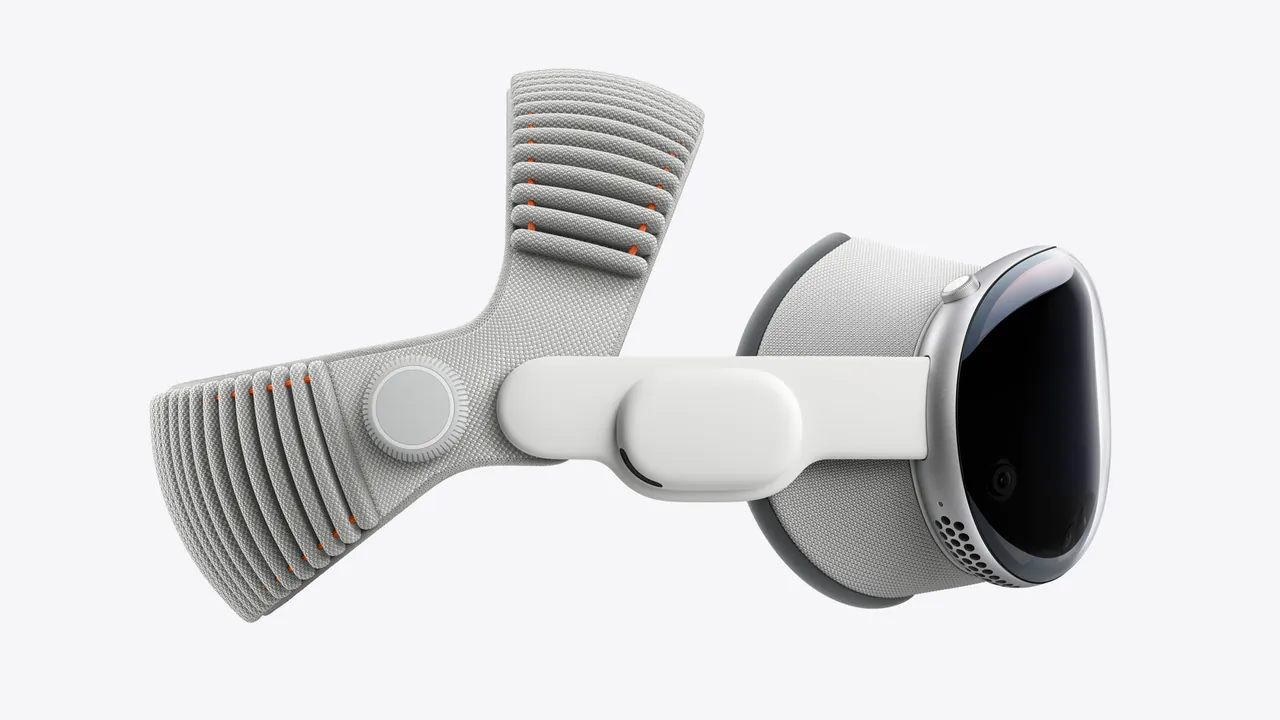
Road to VR compares the approach to the Shared Space on Apple Vision Pro, where several 3D apps can sit next to each other. Quest today runs only one immersive app at a time, alongside 2D windows and system menus. A shared standard could let developers build multitasking 3D apps once for Quest, Android XR, PICO and PC VR, instead of writing a different version for each platform. Apple's visionOS and PS VR2 do not support OpenXR, so they are outside this effort.
Enjoyed this story?
Like it to tell the editors, or save it to read later.
Comments
Sign in to join the conversation.
Sign inNo comments yet. Start the conversation.
·