
Hyperlane Highway Review: Comfort in High-Speed VR Combat
Hyperlane Highway review covers hoverboard shooting, motion-sickness safeguards, cyberpunk setting, upgrades, PC VR Early Access, Quest availability and $14.99 price.
By J Brodie Shirey
· 4 min read · Source: UploadVR
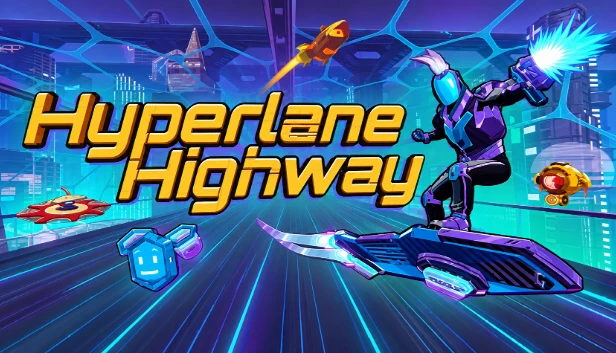
Hyperlane Highway is a fast-paced racing, shooter and roguelike hybrid about riding a high-speed hoverboard through futuristic tunnels while firing dual laser guns at enemy robots. Ryality Studio built the game alone, with intuitive controls and comfort options intended to reduce motion sickness during its rapid movement.
Hyperlane Highway has been in development since 2022. A playable demo appeared on Steam last month before the game reached PC VR in Early Access. Its release date is November 10, 2026, and it costs $14.99. Steam is the current Early Access platform, while the Quest version is coming soon.
Cyberpunk setting and release details
The game uses a familiar cyberpunk premise. Future cities are connected by floating hyperlanes, and powerful megacorporations control everything. After experimental robot drones escape that control, the companies recruit daring wayriders to destroy them.
Players chase rogue drones through the hyperlanes on hoverboards, using weapons while the resulting carnage is broadcast for all to see. Bright neon highways, laser fire and synth background music create a style that recalls classic cyberpunk media such as Tron.
- Developer: Ryality Studio
- Release date: November 10, 2026
- Platforms: Steam in Early Access; Quest coming soon
- Price: $14.99
Movement and comfort options
Hyperlane Highway offers several ways to steer. The standard setting uses body leaning to slide left and right, while leaning backward or forward pitches the board up or down. Players can replace this with left-thumbstick steering or head tilt, although head steering felt cumbersome during testing.
The game works from any standing position, which helps players who have difficulty coordinating their movements. A sitting mode provides another comfort option. Acceleration and deceleration can be controlled by tilting the controllers or leaning forward and backward, and both methods can be changed in the menu.
Players can look behind them, though this can accidentally make the board climb if they are not careful. Clicking down the left joystick recenters the player after turning around. Movement is very responsive, and speeding through the tunnels creates a strong rush.
The reviewer did not feel dizzy from the speed itself, although the number of enemies and the surrounding chaos could become overwhelming. Occasional movement glitches appeared when moving too quickly near a wall.
Weapons and enemy encounters
Shooting uses direct controller aiming. Move the controllers toward targets and pull the upper triggers to fire. The lower triggers activate two abilities on cooldown: defensive shields that block enemy fire and a temporary time-slow effect for escaping danger.
Two special weapons fire through the Y and B buttons. When ammunition runs out, pressing A or X reloads the weapons, as does flicking the wrists downward. The controls are easy to learn for anyone familiar with arcade shooters, but enemies approach from every direction and create considerable pressure.
Missiles have no lock-on target, which makes them harder to aim. A well-placed seeker can still hit multiple enemies. Each level asks players to reach a portal at the end of the tunnel without being destroyed by enemy robots. Some courses end with a boss whose weak points must be targeted.
Every level has its own obstacles and conditions, described on the information screen at the start of the course. These details affect how difficult each run will be.
Runs, upgrades and progression
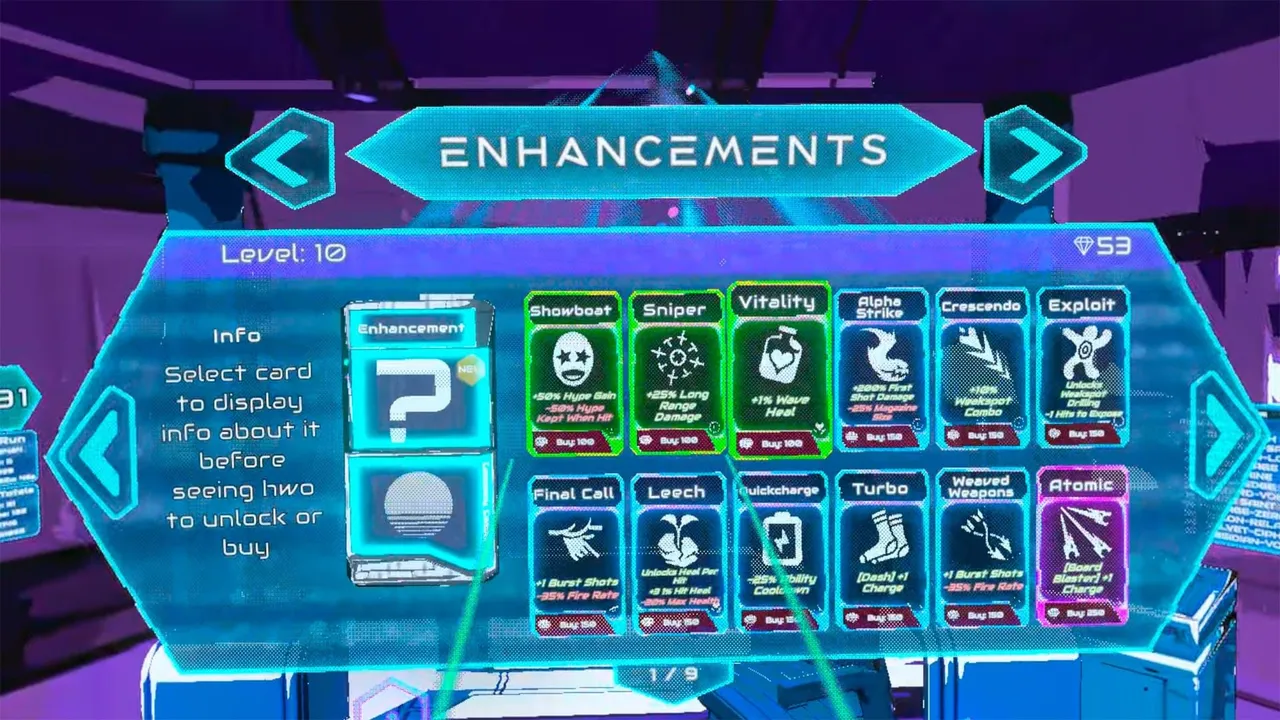
A green bar at the center of the lower HUD shows health. When it is fully depleted, the run ends and the overall score is tallied. Longer runs earn points that can unlock more perks, new weapon loadouts and color schemes.
Pit stops along the speedway can provide bonuses or replenish health. Bonuses include increased damage, corrosion that slowly reduces enemy health, and chain lightning that spreads to nearby targets. Other upgrades allow faster reloading, quicker healing and reduced damage.
Reaching the end of the current level awards an upgrade. Currency collected during play can be spent on new power-ups in the main hub.
Review hardware and PC VR version
The test PC used an AMD Ryzen 7 5800X 8-Core Processor (3.80 GHz), 16.0 GB (15.7 GB usable) RAM and an AMD Radeon RX 6600 XT with 8 GB. The review was conducted using a Meta Quest 3 through Steam Link with a USB link cable.
Minimum and recommended requirements are listed on the game's Steam page. Hyperlane Highway remains in Early Access on Steam, so these findings describe its current PC VR version rather than a final 1.0 build. The Quest version is coming soon, but the working release information does not specify its native status or a release date.
Hyperlane Highway combines fast hoverboard movement, body-steered controls, arcade shooting and roguelike upgrades. Its steering and comfort settings address the motion-sickness risk of racing through tunnels, while visual chaos, occasional wall glitches and missiles without lock-on remain considerations for players deciding whether its style suits them.
Enjoyed this story?
Like it to tell the editors, or save it to read later.
Comments
Sign in to join the conversation.
Sign inNo comments yet. Start the conversation.
·