Apple Vision Pro (M5) review: a better headset still in search of an audience
An AI-written assessment of Apple Vision Pro (M5) from Apple's specs and published reviews: superb displays, a faster chip and a more comfortable band, but the same $3,499 price and a thin app library.
El veredicto
The M5 Vision Pro is faster and more comfortable than the original and still has the best displays in a mainstream headset. Its price, weight and thin app library keep it a premium niche device.
Desglose de la puntuación
Puntos fuertes
- Sharpest micro-OLED displays and passthrough in a mainstream headset
- M5 chip with refresh rates up to 120 Hz
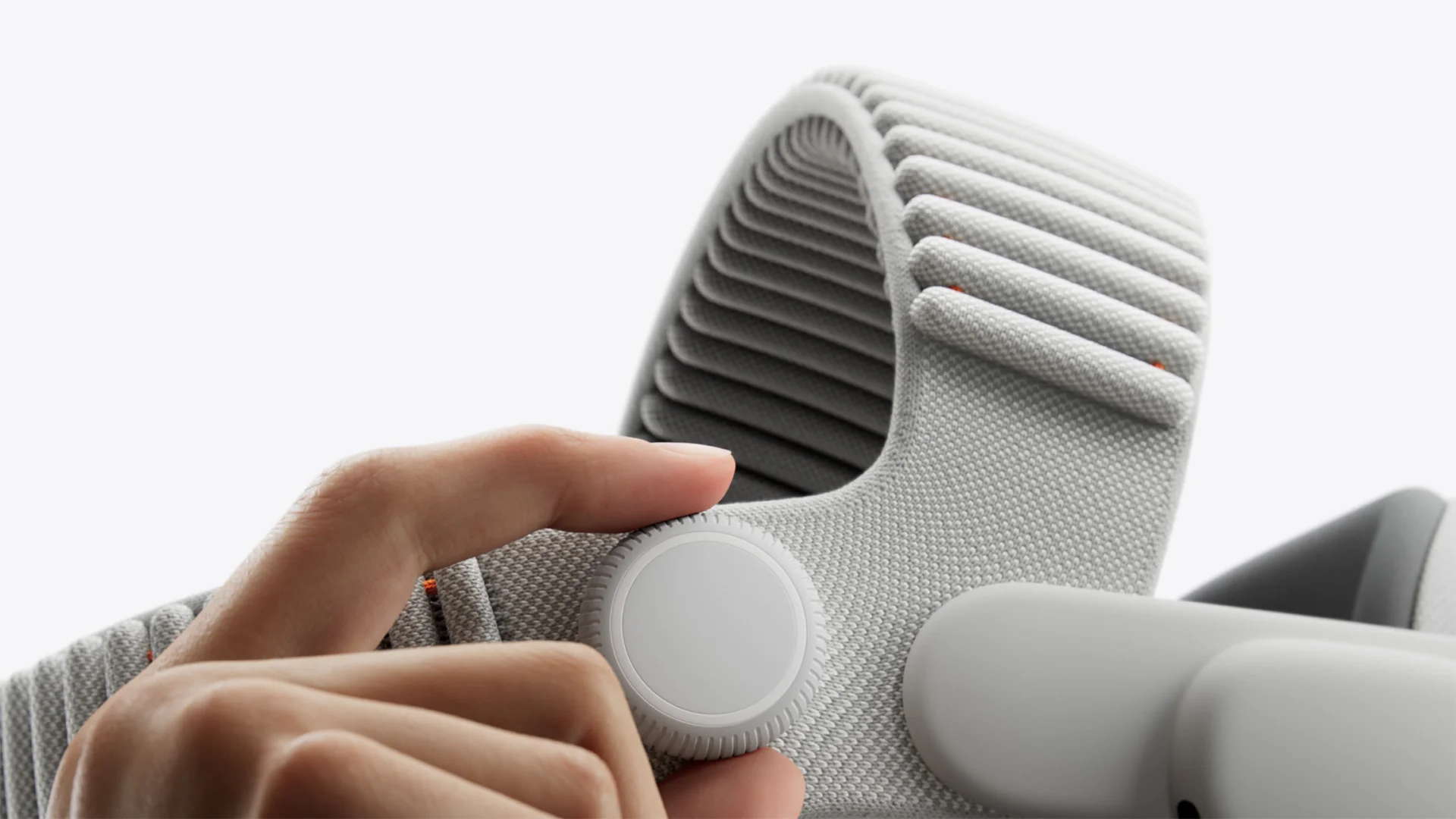
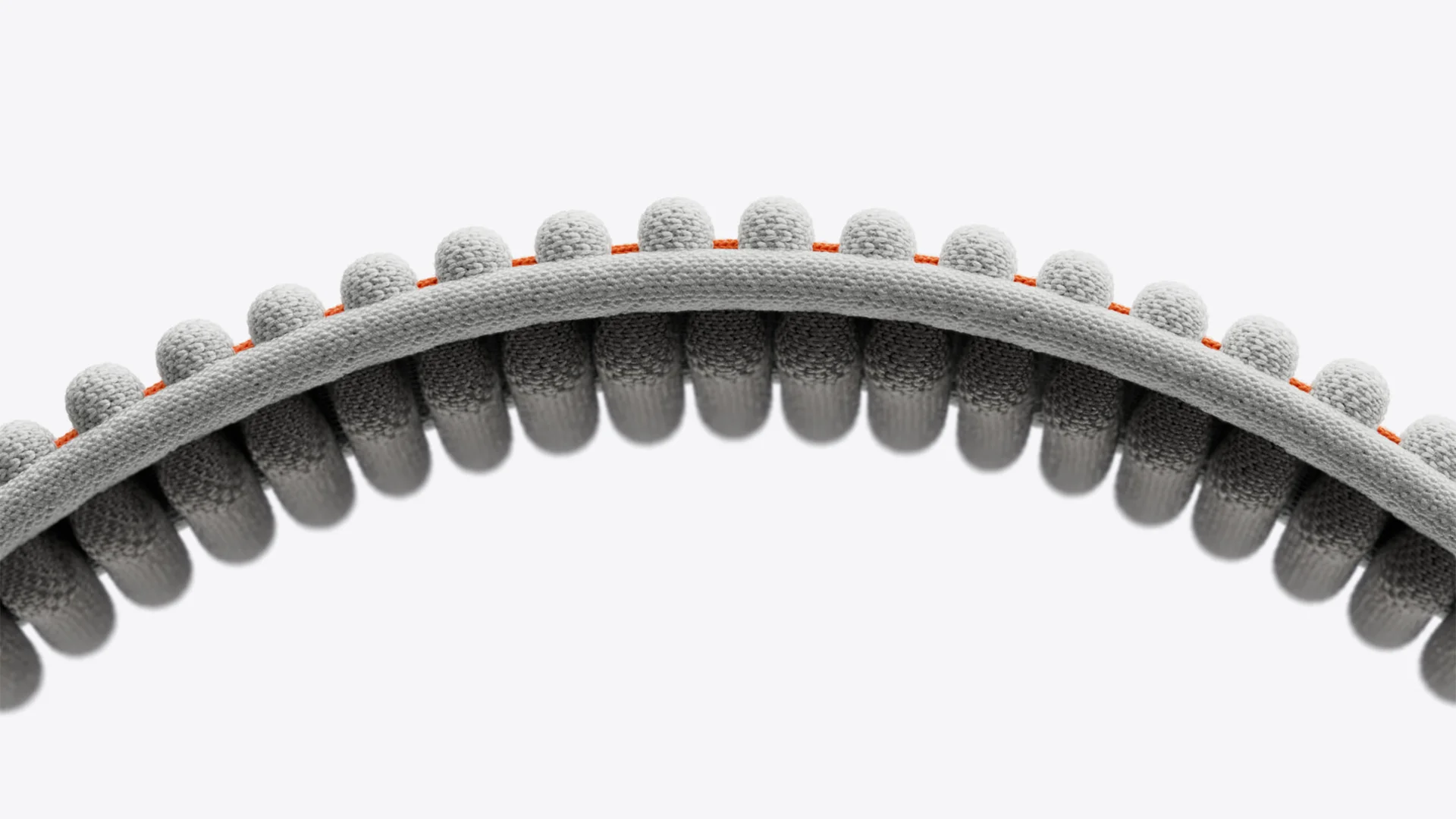
- Dual Knit Band balances the weight better
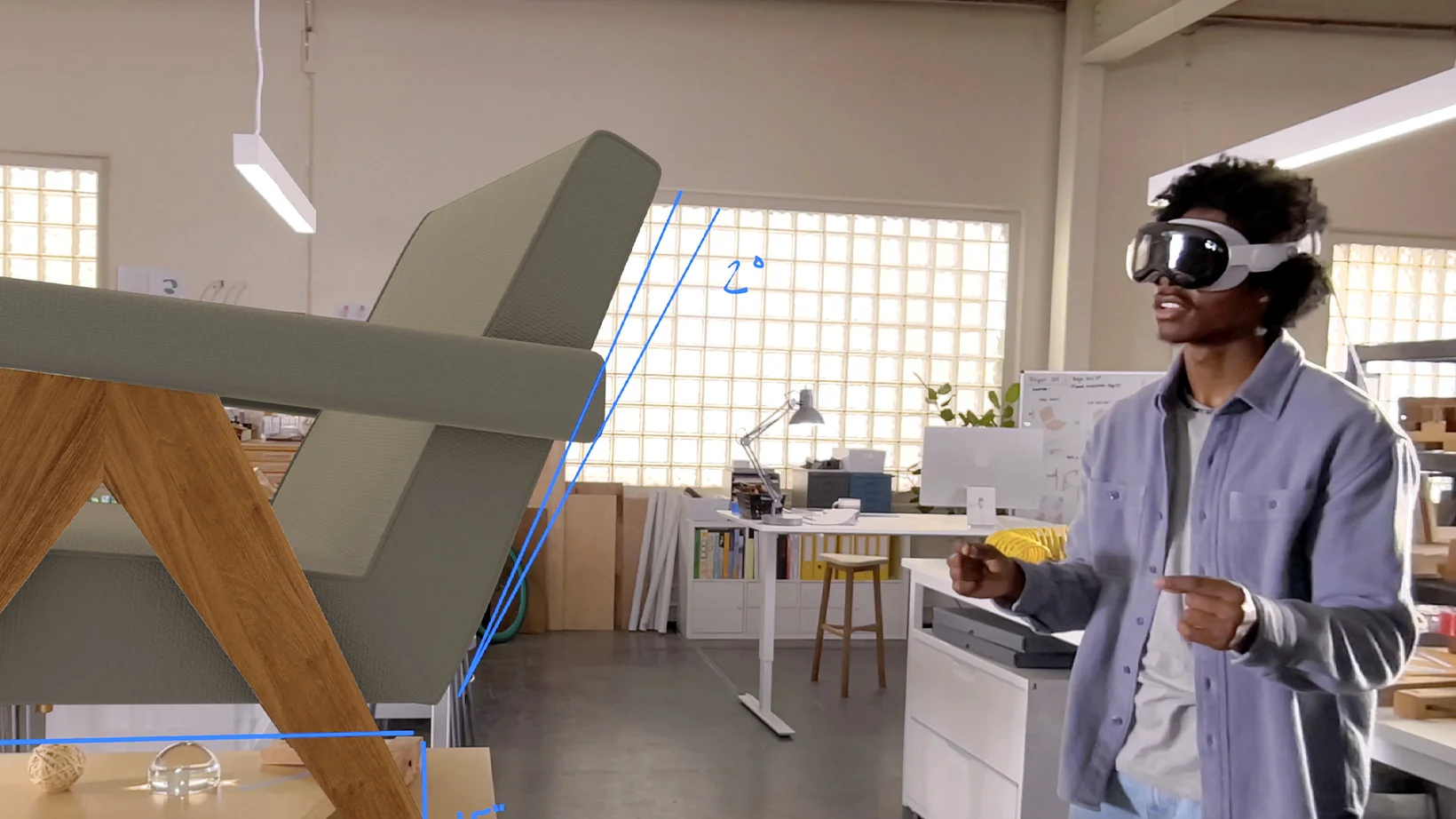
- Precise eye and hand control, no controllers needed
- Mac Virtual Display for work
Puntos débiles
- Still $3,499, with glasses inserts extra
- Heavier than the original, with a tethered battery
- Small library of native apps and games
- No official PC VR support
Fotos
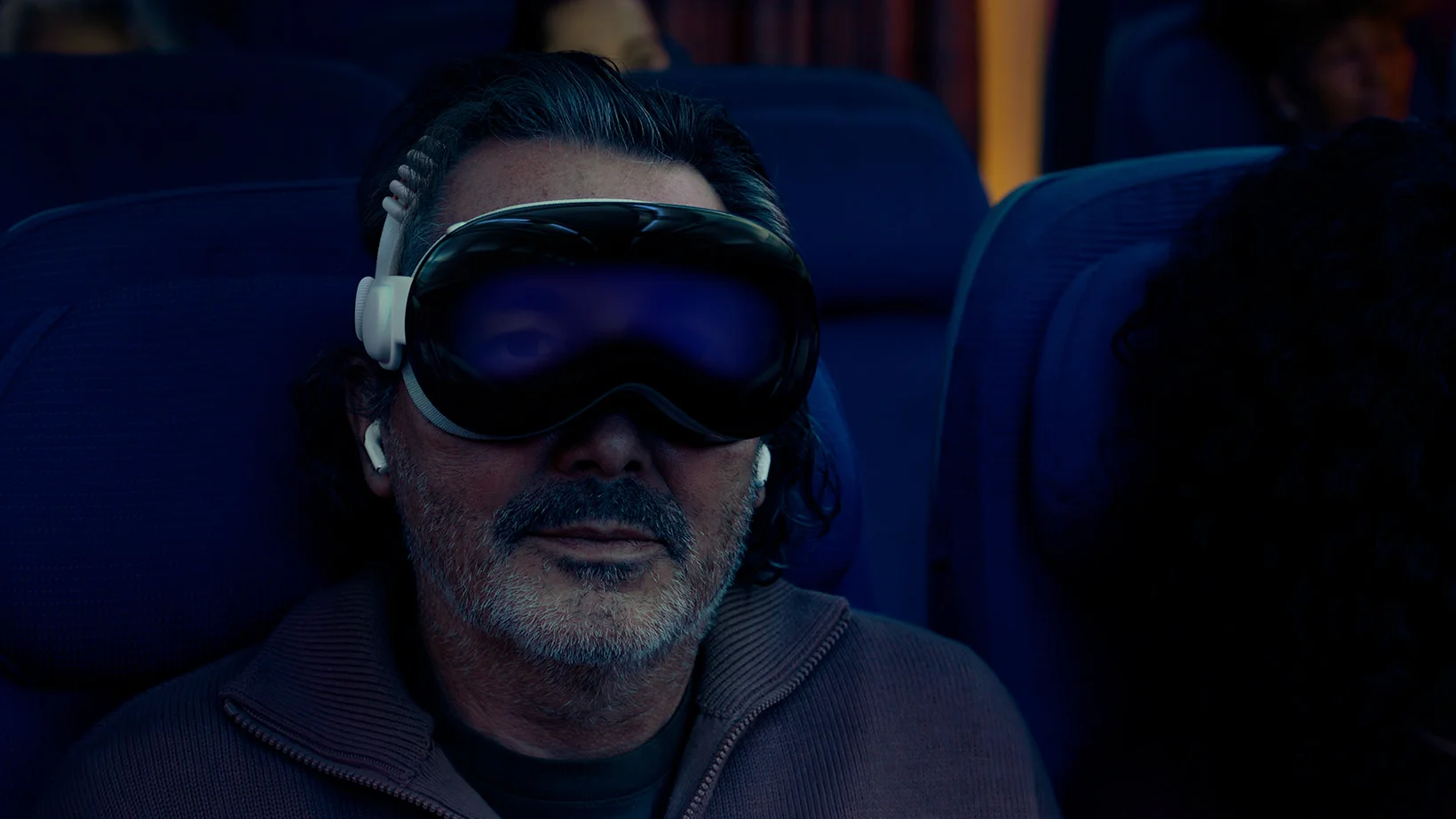
This review is an AI-written assessment. It is based on Apple's official specifications and on what published reviews broadly agree on, not on hands-on testing.
What it is
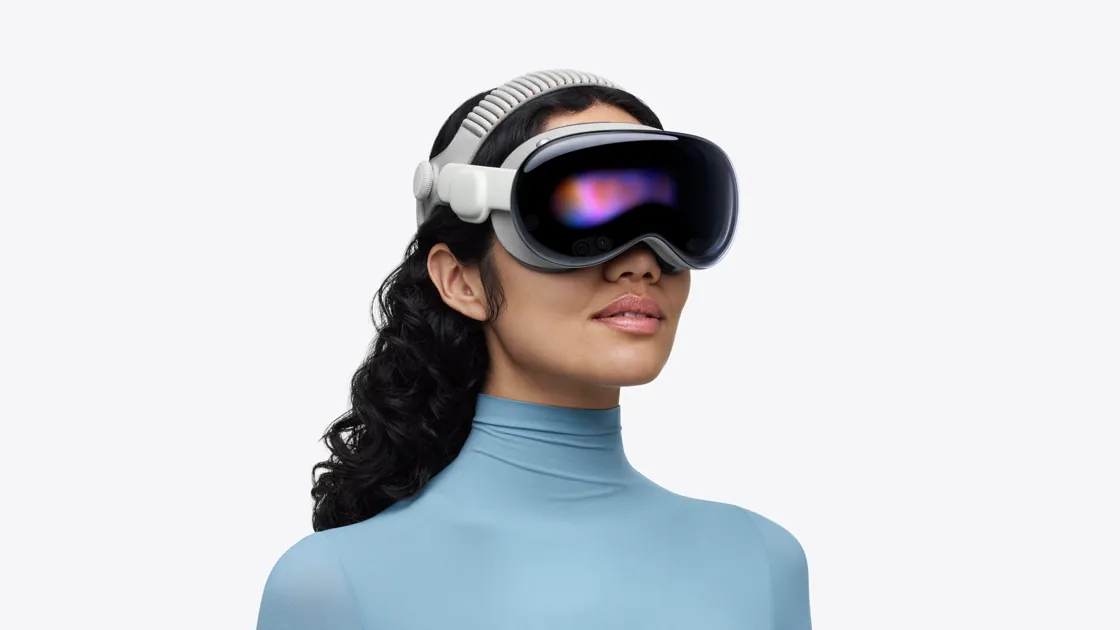
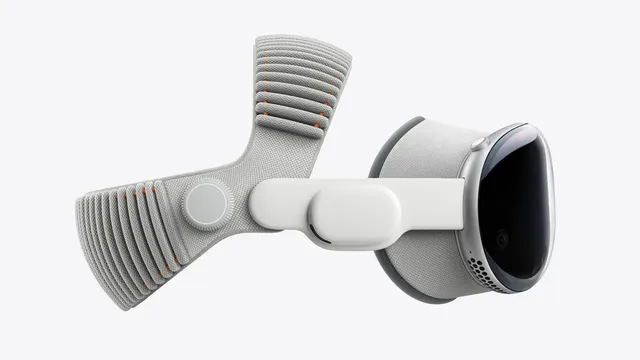
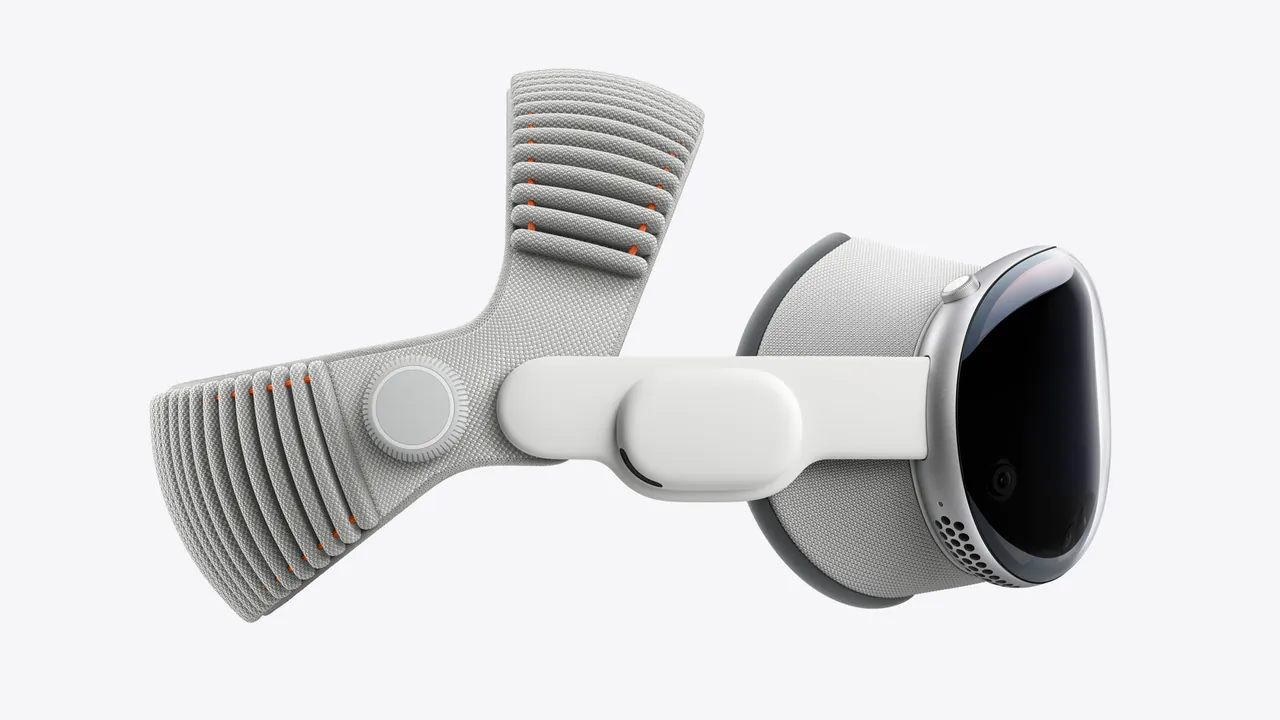
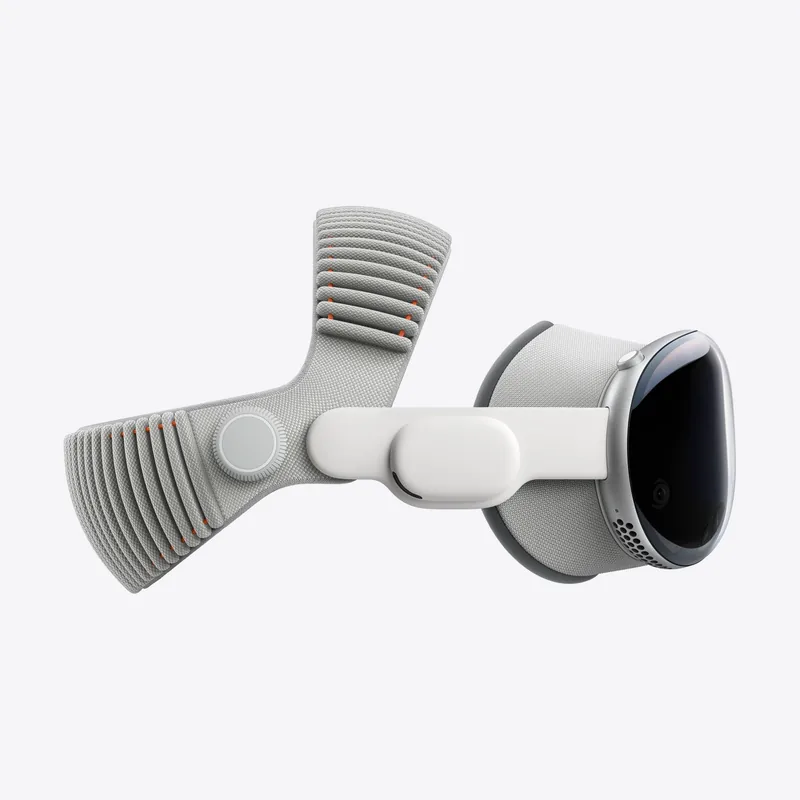
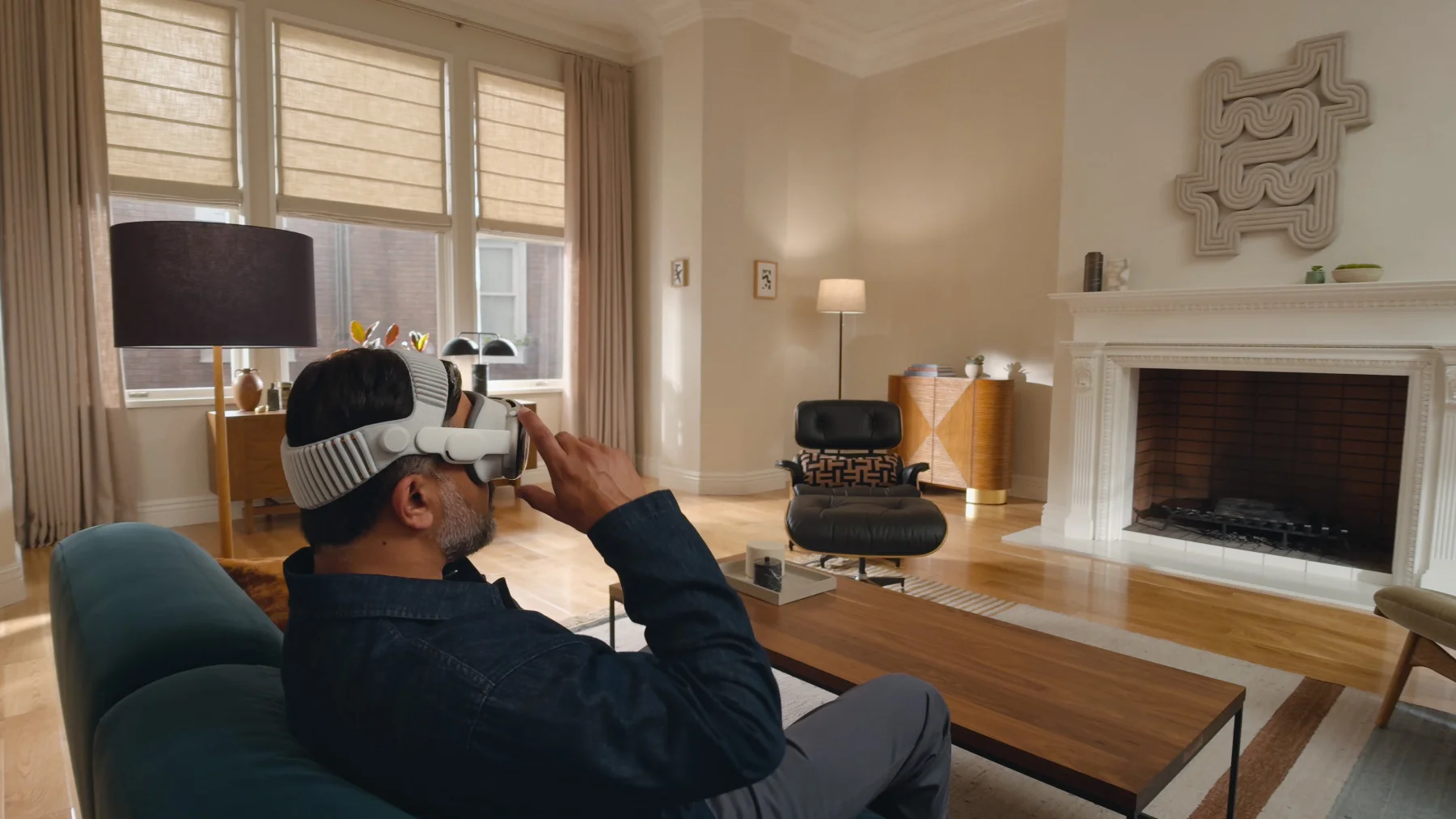
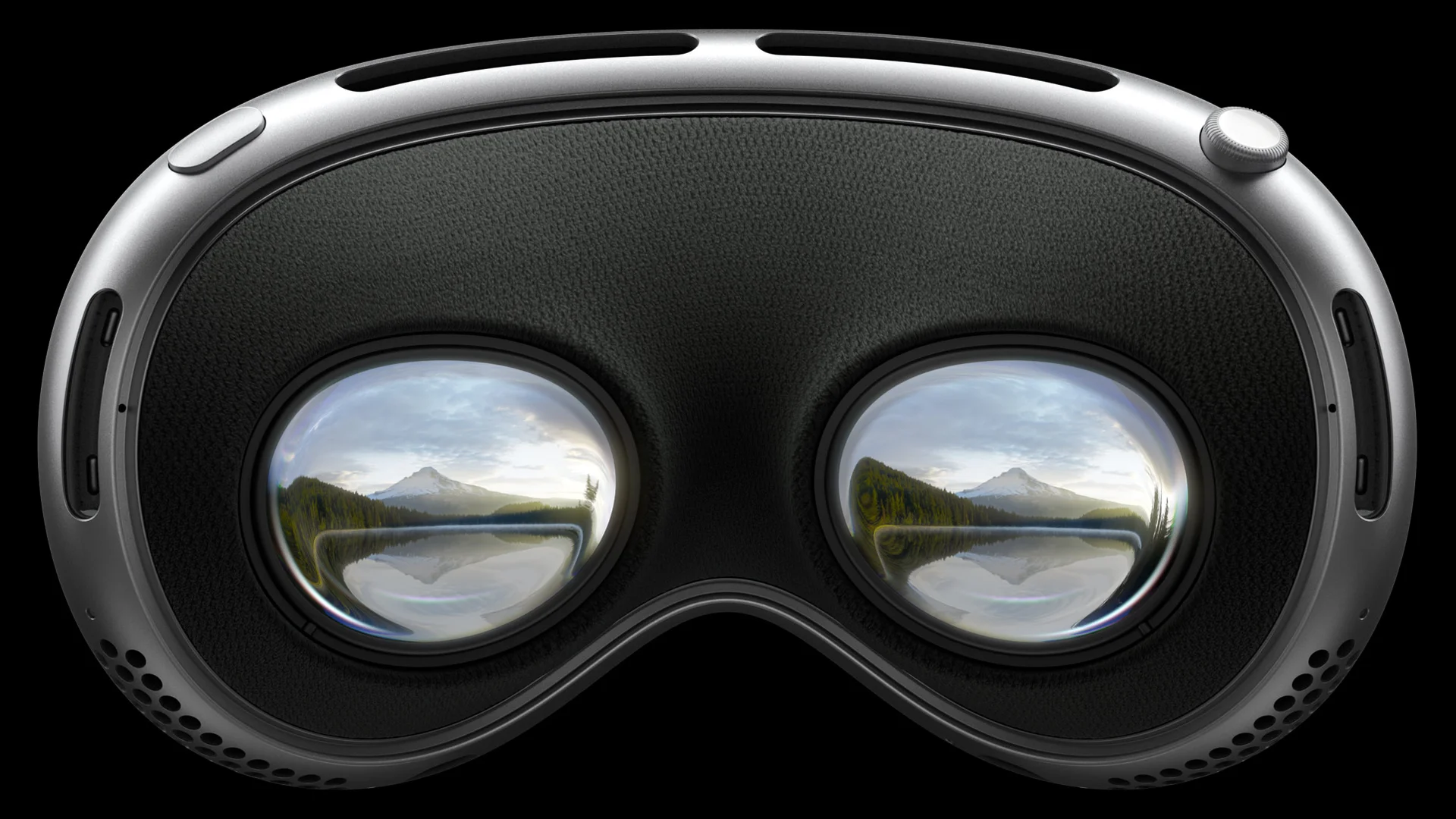
The Apple Vision Pro (M5) is the October 2025 update of Apple's spatial computer. It replaces the original Apple Vision Pro, keeps the same outer design and still starts at $3,499 for 256 GB. The changes are the M5 chip with 16 GB of memory, refresh rates up to 120 Hz, battery life of up to 2.5 hours of general use or 3 hours of video, and the new Dual Knit Band. Two micro-OLED displays carry 23 million pixels in total. Control is by eyes, hands and voice, and apps come from the visionOS App Store.
Strengths
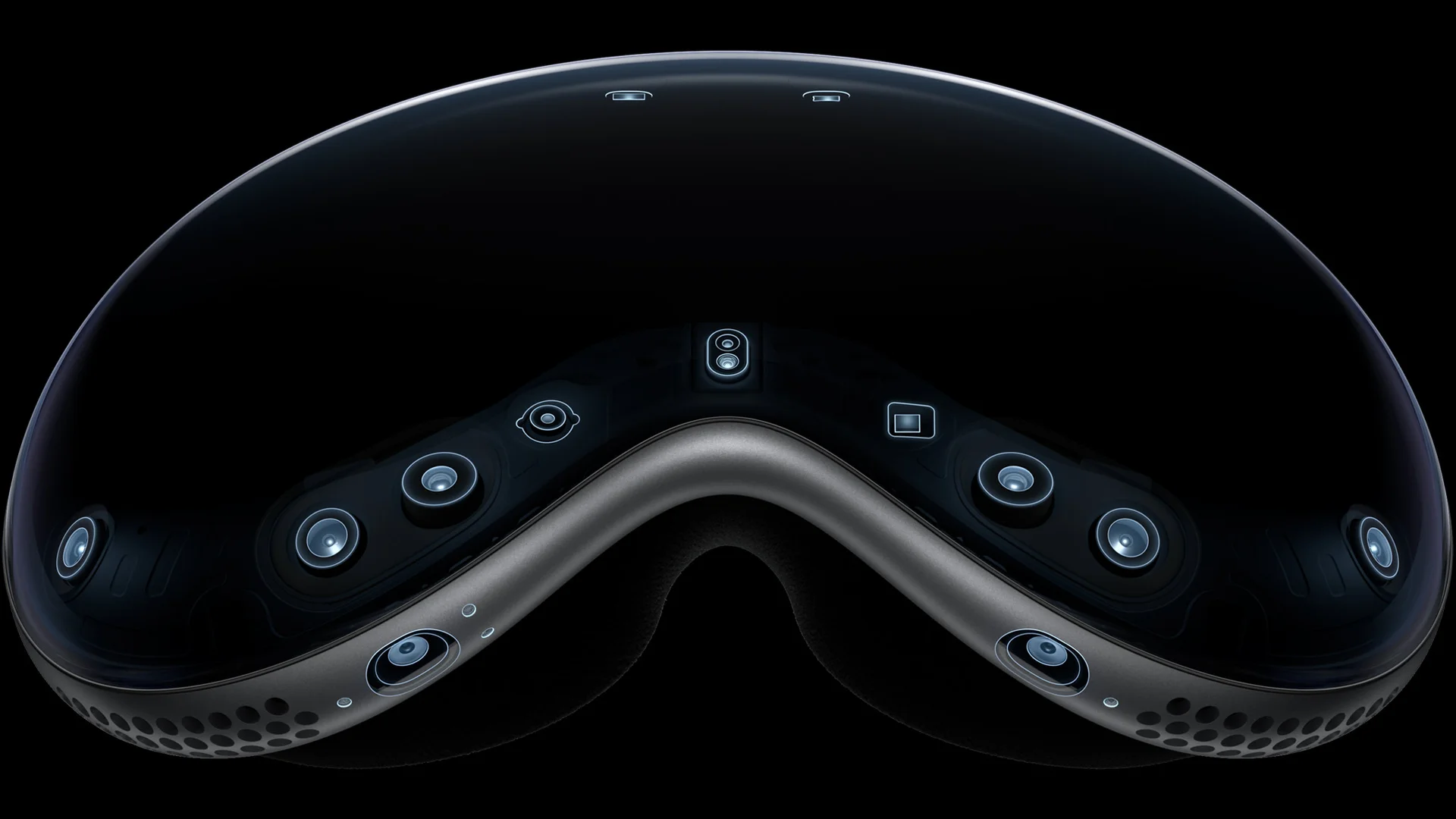
Reviewers agree the display and passthrough remain the best in a mainstream headset. Text is crisp enough for long work sessions, and Mac Virtual Display turns a Mac into a large, curved screen. Eye and hand input works without controllers, and the R1 chip keeps passthrough latency low. The M5 chip makes the system faster, and the higher refresh rate reduces motion blur, although Engadget found the visual gains over the first model subtle in direct comparison.
Comfort is the most noticeable improvement. UploadVR's first impressions of the Dual Knit Band described better balance than the original bands, thanks to a second strap over the top of the head and a counterweight at the back. Tom's Guide and Engadget also found the M5 model more comfortable to wear than the first Vision Pro. Longer battery life is a modest but welcome change.
Weaknesses
The core problems of the original remain. At 750 to 800 g, depending on configuration, plus a 353 g battery pack on a cable, the M5 model is actually heavier than the first version; the new band spreads that weight rather than removing it. Tom's Guide titled its review "The revolution has stalled," and Engadget concluded that a better beta is still a beta.
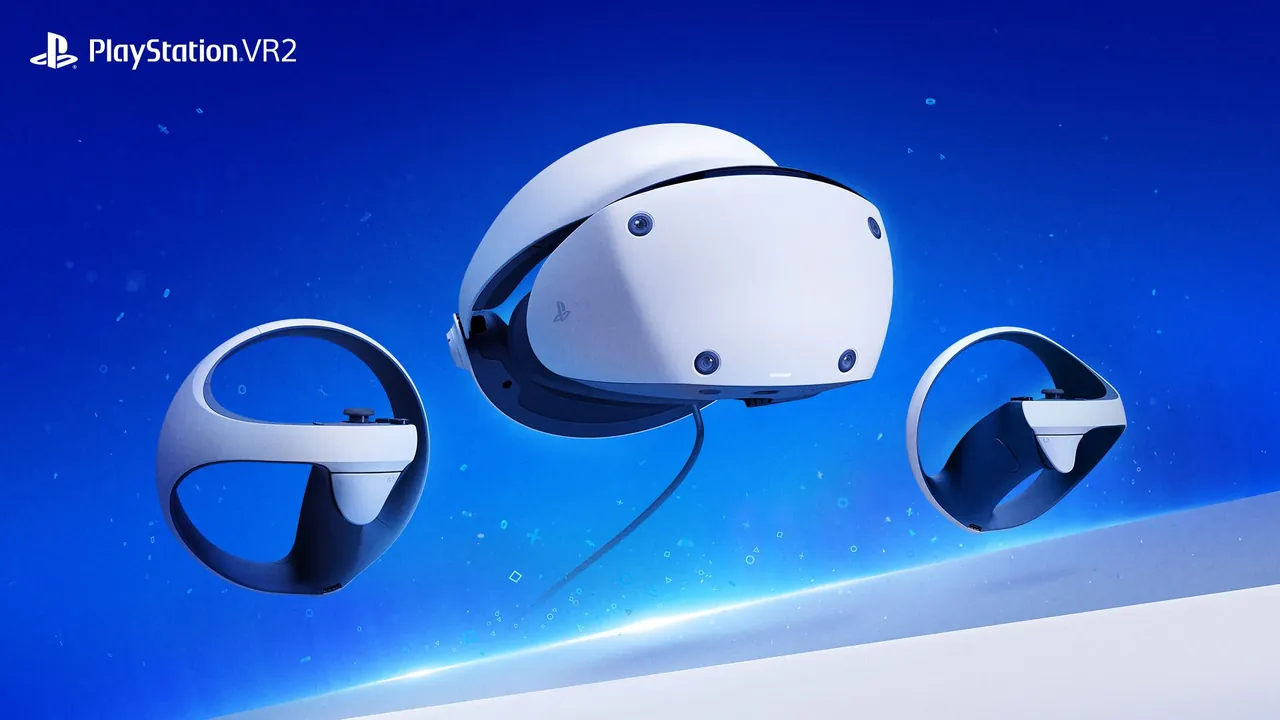
Content is the biggest gap. Reviewers note that the number of native visionOS apps and Apple Immersive videos is still small, and there is no official support for SteamVR or other PC VR platforms. visionOS 26 does support the PlayStation VR2 Sense controllers in compatible games, but the game library is far behind Meta's. And the price has not moved: $3,499 is several times the cost of most headsets, and ZEISS optical inserts for glasses wearers cost extra.
Who it suits
Vision Pro (M5) suits Apple users with the budget for a premium personal screen: people who watch a lot of video, want a large virtual display for a Mac, or build apps for visionOS. It does not suit buyers who mainly want VR games, or anyone looking for good value per dollar.
How it compares
The Samsung Galaxy XR is the closest rival. It offers similar micro-OLED sharpness, eye and hand control and a lighter headset at $1,799.99, about half the price, but reviewers found its software less polished and its tracking less consistent than Apple's. The Meta Quest 3 has a far less sharp display but costs a fraction as much and has a much bigger game library. Owners of the original Vision Pro gain comfort, speed and battery life, but published reviews generally describe the update as modest rather than essential.