Eleven Table Tennis review: the closest thing to real ping pong in VR
An AI-written assessment of Eleven Table Tennis from official game details and published reviews: realistic ball physics, skills that carry over to the real sport, active cross-play online matches and mixed reality on Quest; but a steep learning curve, no paddle weight, a need for floor space and little beyond the core sport.

Kết luận
Eleven Table Tennis is the most faithful table tennis simulation in VR, with physics that players and outlets credit with real skill transfer and an online scene that has lasted years. It asks for space and patience and offers little beyond the sport itself, but for its price it is an easy pick for anyone who loves the game.
Chi tiết điểm số
Ưu điểm
- Highly realistic ball physics and spin
- Skills carry over to real table tennis
- Cross-play online matchmaking
- Mixed reality mode on Quest
- Low price for long-term play
Điểm yếu
- Steep learning curve for casual players
- Controller lacks a paddle's weight and feel
- Needs room to move around the table
- Minimal presentation and avatars
- Little single-player structure
Trailer & ảnh chụp màn hình
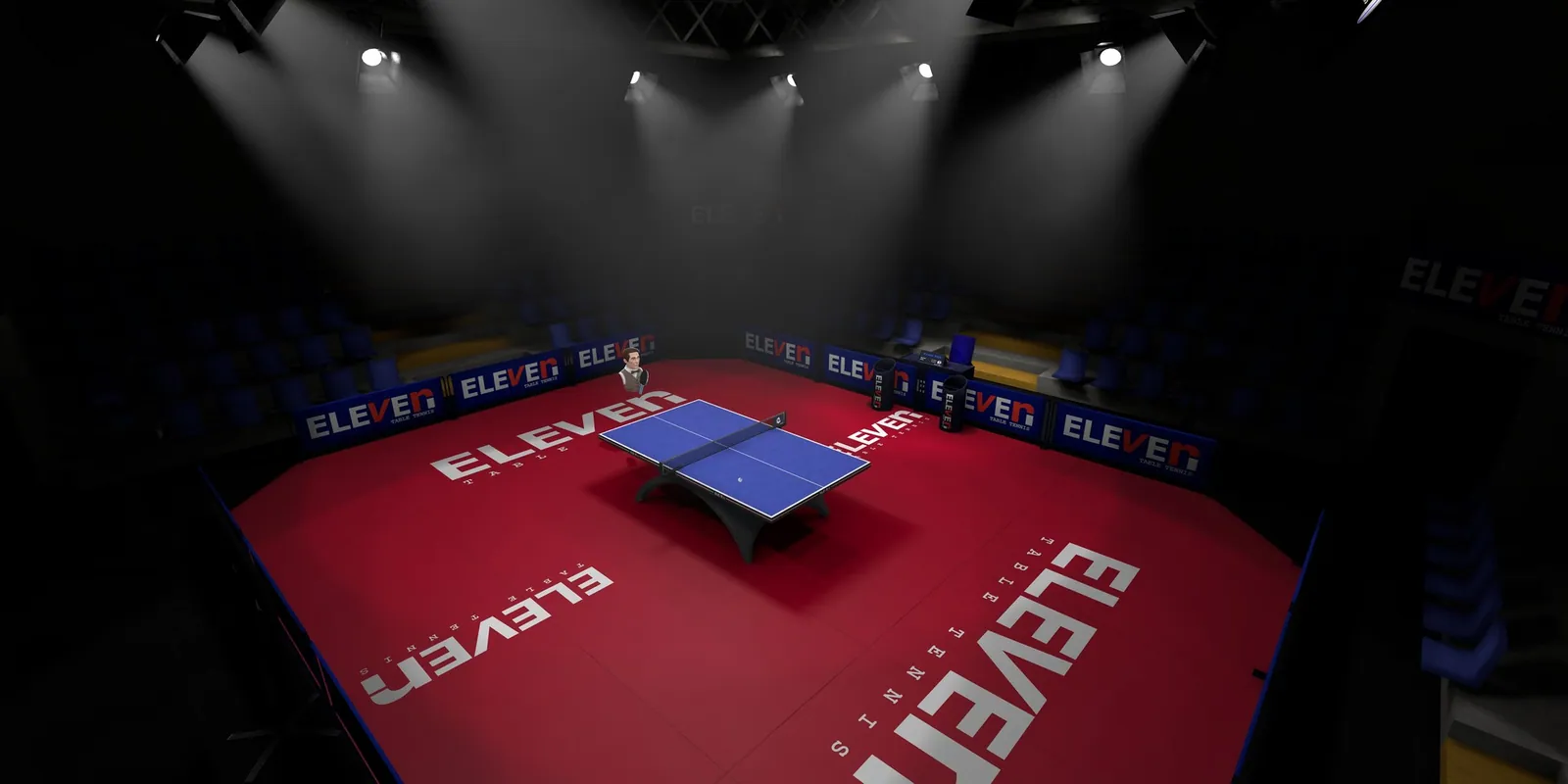
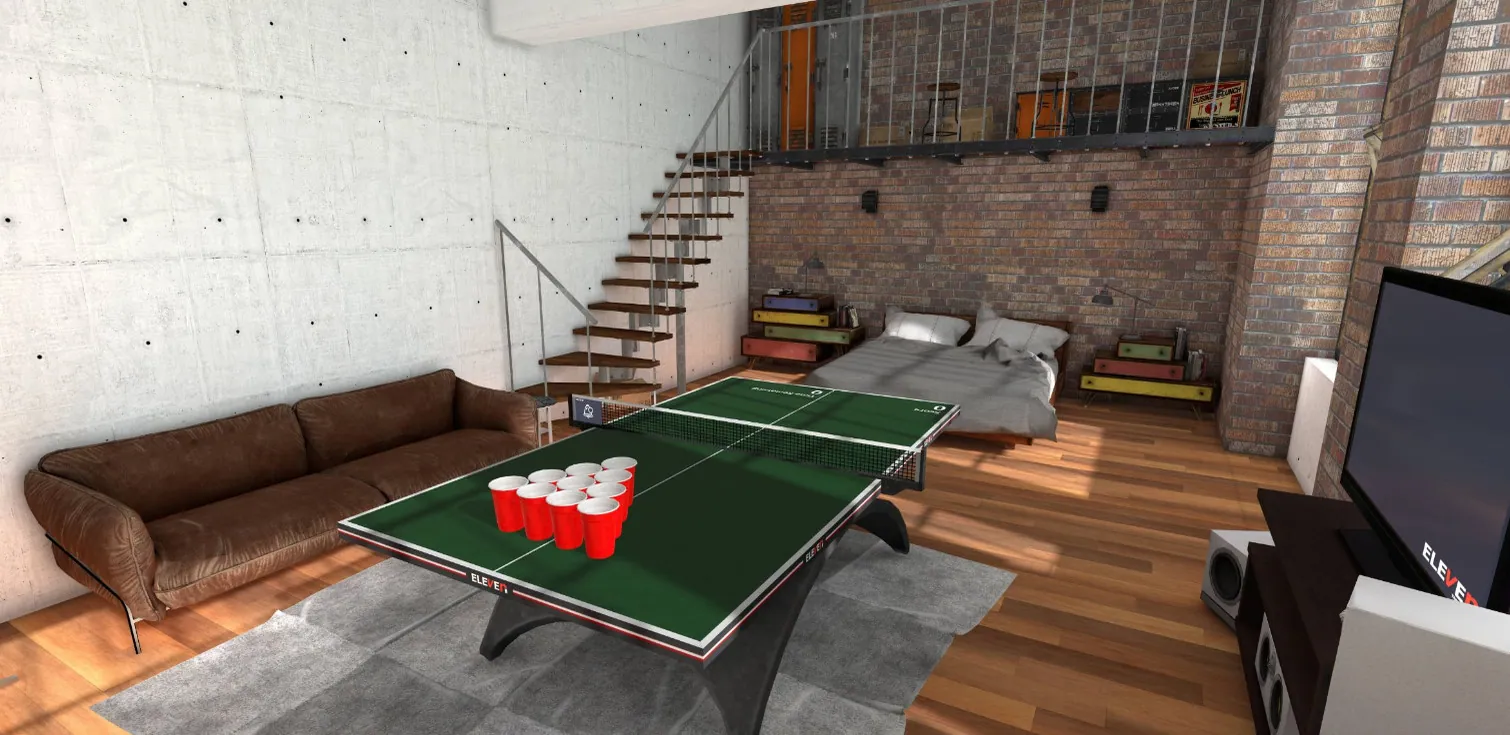
This review is an AI-written assessment. It is based on official game details and on what published reviews broadly agree on, not on hands-on play. Eleven Table Tennis has had little formal coverage from major outlets, and Metacritic lists no critic reviews, so the opinions below lean on UploadVR's long-running coverage, The Ghost Howls' impressions and player ratings.
What it is
Eleven Table Tennis is a table tennis simulation from the small studio For Fun Labs. It first launched on PC VR in June 2016, reached the Oculus Rift store in December 2017 and arrived on Quest on February 27, 2020. Today it is sold on the Meta Horizon Store for Quest 2, Quest 3, Quest 3S and Quest Pro, on SteamVR and on the PICO Store. The Quest version lists at $19.99 and is often discounted.
There is no story or career. You hold one controller as the paddle and play rallies against an AI opponent, practice serves and shot placement in training minigames, or play online against real people, with cross-play between headsets. The store page promises physics "as real as ever achieved" in a table tennis game. On Quest it also supports mixed reality, which places a full-size table in your own room. Meta rates it Comfortable, since all movement comes from your own body.
The game found its big audience during the pandemic. UploadVR reported about 24,000 Quest copies sold in the first six weeks and over 50,000 on Steam by April 2020, and later wrote that it was keeping ping pong alive while clubs were closed. It has since been used for official esports: Wikipedia notes it was an exhibition event at Olympic Esports Week 2023.
Strengths
- Realistic physics. The Ghost Howls found the ball physics "really well emulated," and the game's reputation rests on spin, speed and bounce behaving like the real sport.
- Skills that transfer. UploadVR quoted players who learned to loop the ball on forehand and backhand, and Wikipedia cites professional players using it to train.
- Active online play. Cross-play across headsets keeps matchmaking alive, and UploadVR reported 820 concurrent players during one sale.
- Player approval. The Quest version holds 4.6 stars from more than 10,000 ratings, and UploadVR reported that 77% of early Quest reviews were five stars.
- Good value. At $19.99 or less it offers years of competitive play for one sport.
Weaknesses
- No real paddle. The Ghost Howls said "the paddle didn't feel real," since a controller lacks a paddle's weight and impact.
- Steep learning curve. The same impressions describe losing 11-0 at first, because true-to-life physics punish casual swings.
- Needs space. You need room to move side to side around a full-size table; a small play area limits shots. Check your boundary before playing.
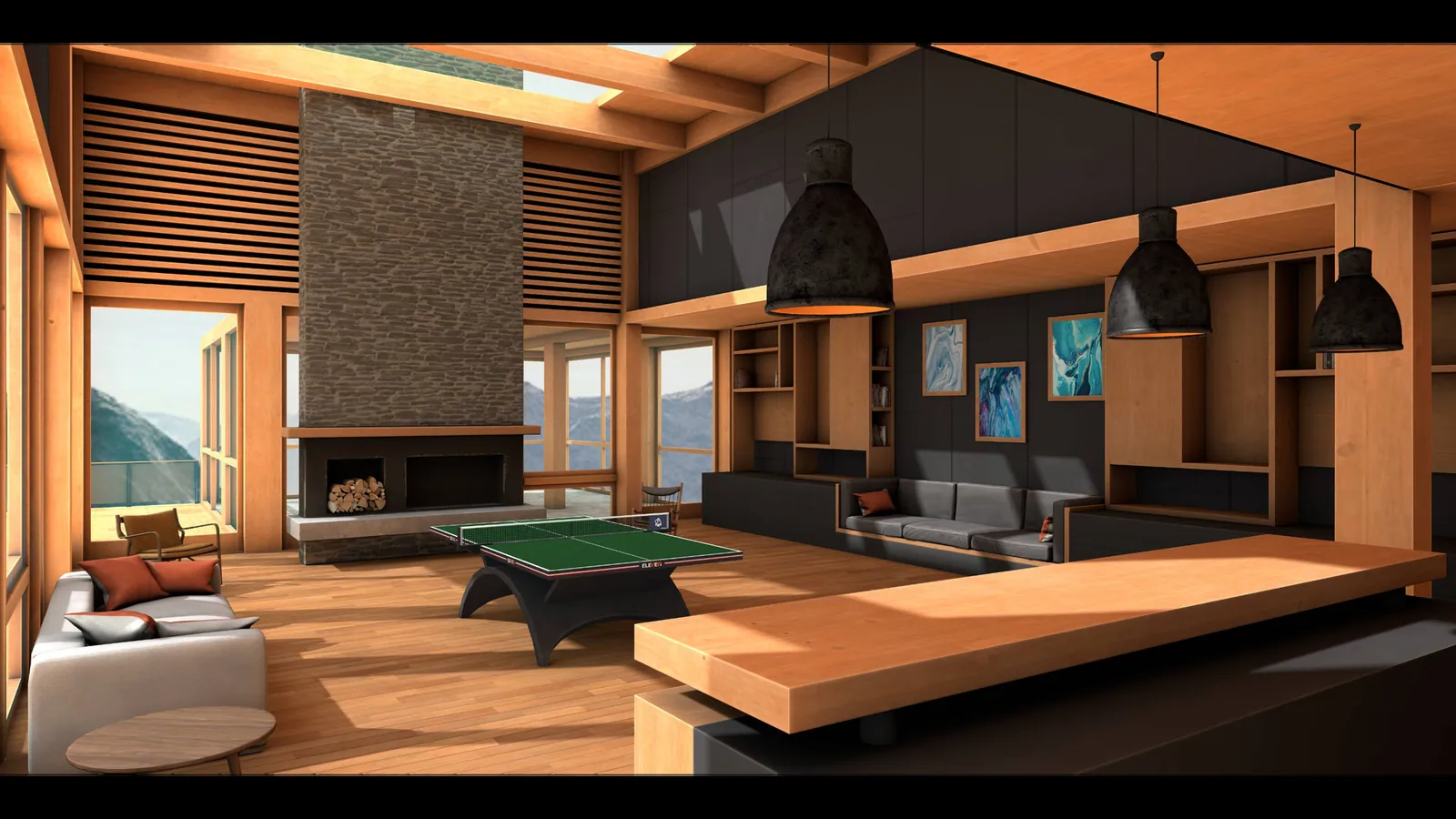
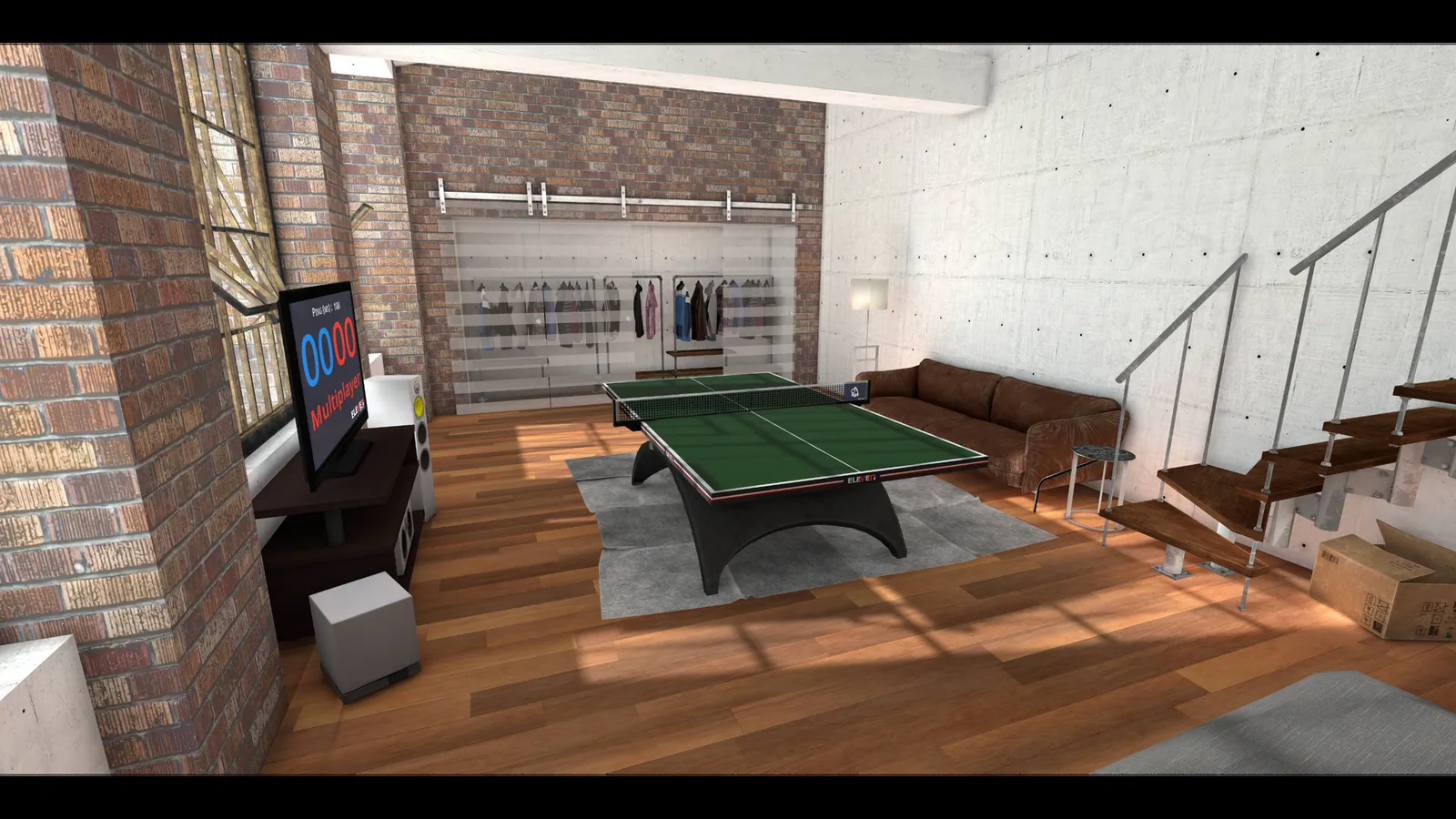
- Plain presentation. Visuals are clean and minimal, and avatars were basic for years; UploadVR described doubles in 2022 as an experimental, slightly buggy mode.
- Narrow content. Some Metacritic users found AI matches repetitive. There is one sport and little single-player structure.
Who it suits
It suits anyone who plays or used to play table tennis, players who want a light workout, and people who enjoy online competition against real opponents. It is also a natural mixed reality showcase on Quest 3. It is less suited to players who want a story, quick arcade fun with friends who have never held a paddle, or anyone with a cramped room. Our guides on setting up your play area and working out in VR cover the basics.
How it compares
Eleven sits at the simulation end of VR sports games. Walkabout Mini Golf is a more relaxed, social sports game that anyone can pick up, and Gym Class offers more casual basketball. The Thrill of the Fight shares Eleven's simulation-first approach, but for boxing, and is a far harder workout. If you want table tennis that behaves like the real thing, Eleven is the reference point on Quest and PC VR.
Sources
- VRDB: Eleven Table Tennis (Meta Horizon Store listing details)
- UploadVR: Oculus Quest Gets Its Second Table Tennis Game This Week
- UploadVR: Eleven Table Tennis On Quest To Surpass Rift Sales As Devs Plan New Features
- UploadVR: Eleven Table Tennis Is Keeping Ping Pong Alive In The Pandemic
- UploadVR: Eleven Table Tennis Shows New Avatars In Experimental Doubles Match
- The Ghost Howls: “Eleven: Table Tennis VR” first impressions
- Metacritic: Eleven Table Tennis
- Wikipedia: Eleven Table Tennis