
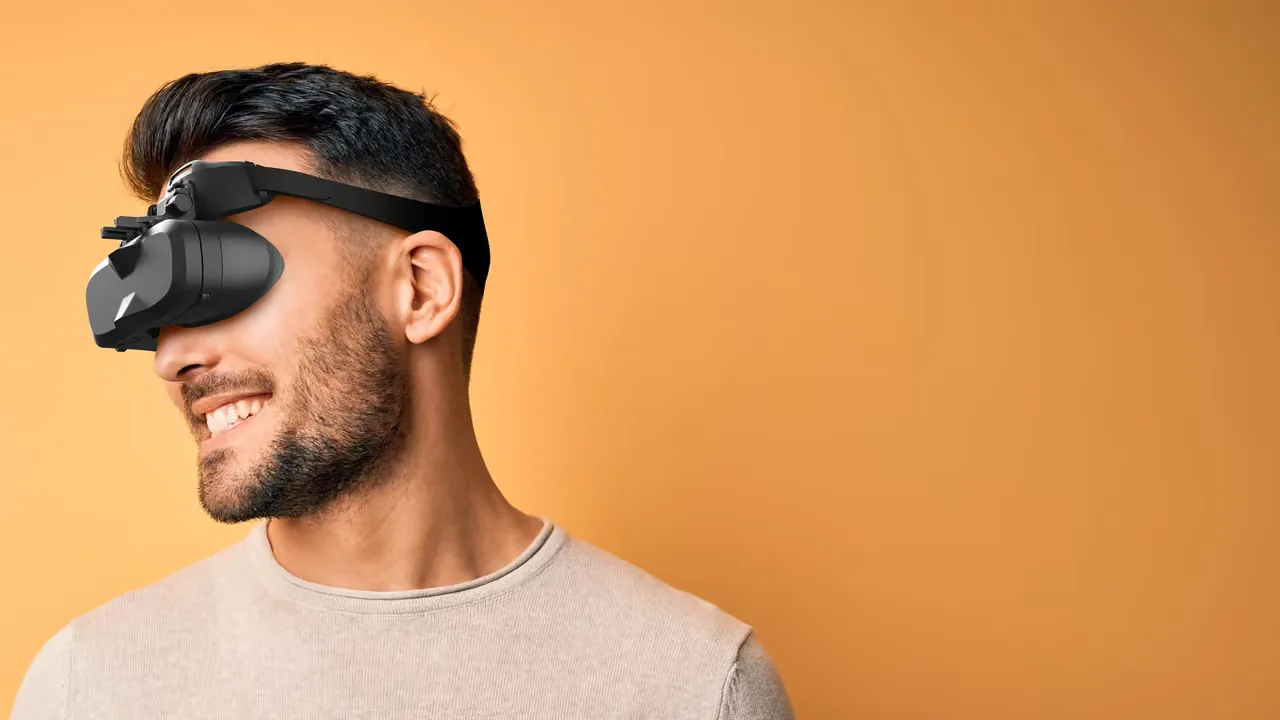
Shiftall MeganeX superlight 8K review: the sharpest light PC VR headset, with caveats
An AI-written assessment of the Shiftall MeganeX superlight 8K from official specs and published reviews: very sharp 3552 x 3840 micro-OLED panels, a 179g flip-up body, motorized IPD and diopter adjustment; but NVIDIA-only support, a modest field of view, no built-in audio and base stations sold separately.
Вердикт
The MeganeX superlight 8K pairs some of the sharpest micro-OLED panels in PC VR with a light, adjustable flip-up design that reviewers found comfortable for long sessions. Its NVIDIA-only support, modest field of view, missing audio and the cost of base stations on top of $1,899 make it a niche pick for committed SteamVR enthusiasts.
Разбор оценки
Сильные стороны
- 3552 x 3840 micro-OLED per eye, very sharp
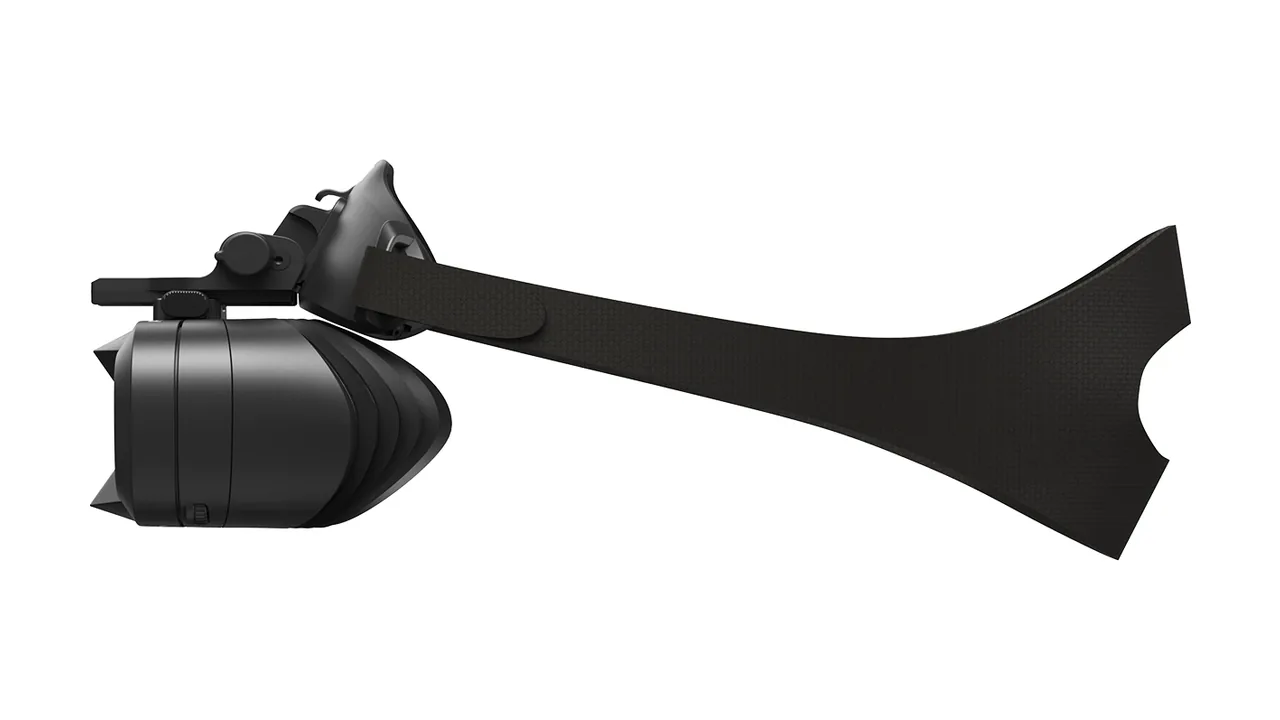
- 179g body with soft halo-style strap
- Motorized IPD and per-eye diopter adjustment
- Flip-up visor
- Precise Lighthouse tracking in plain SteamVR
Слабые стороны
- NVIDIA RTX GPUs only, no AMD support
- Field of view around 94 degrees
- No built-in audio, eye tracking or passthrough
- Base stations and controllers cost extra
- Some edge warping and glare
- No return policy, per MRTV
Фото
This review is an AI-written assessment. It is based on official specifications and on what published reviews broadly agree on, not on hands-on testing. Few outlets have published a full review of this headset, so the opinions below lean on MRTV's review and on pre-release hands-ons from Road to VR and The Ghost Howls.
What it is
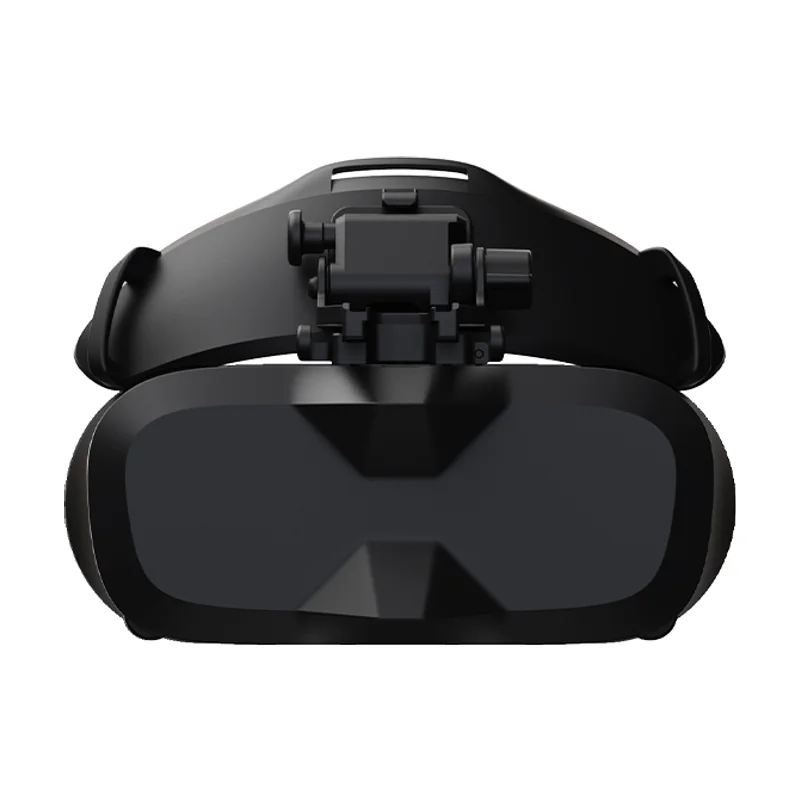
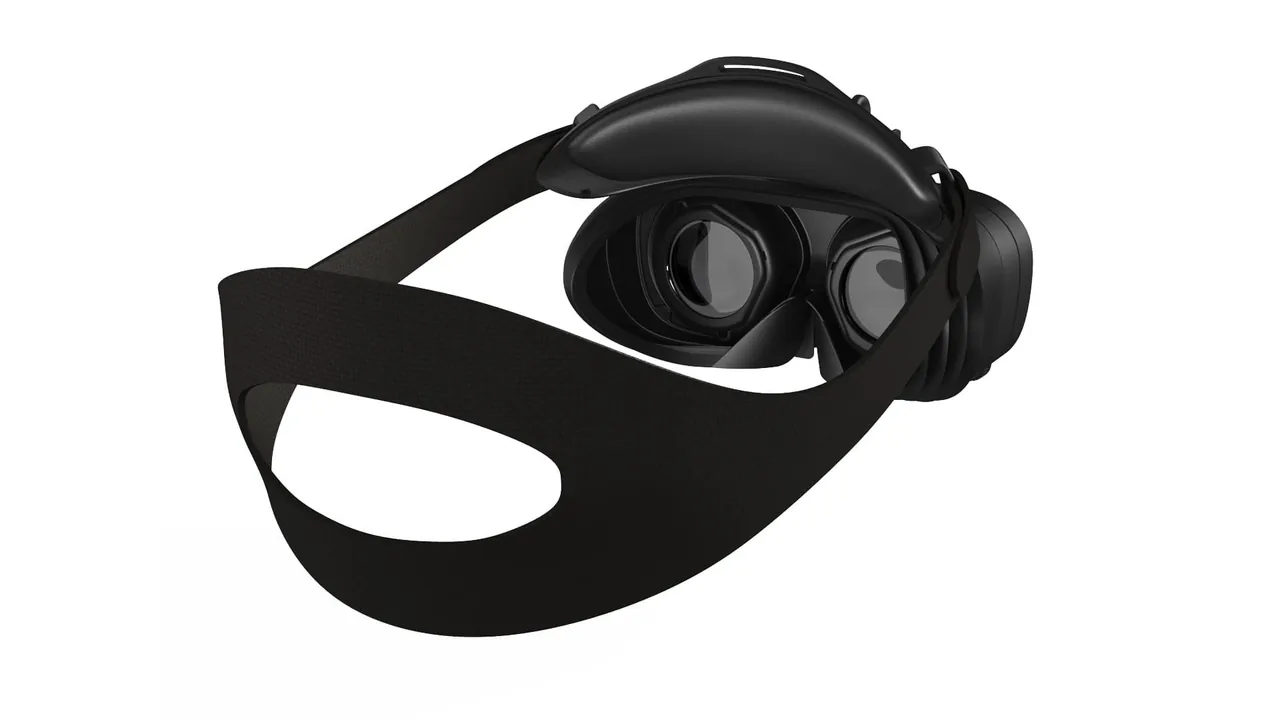
The Shiftall MeganeX superlight 8K is a tethered PC VR headset that runs through SteamVR. It was co-developed by Shiftall and Panasonic, which supplied the custom pancake lenses. Each eye gets a 1.35-inch micro-OLED panel at 3552 x 3840 with 10-bit color and HDR, running at 90Hz, behind pancake lenses. Shiftall lists the main body at 179g; at launch it quoted under 185g. Shiftall does not publish a field of view figure, and MRTV measured about 94 degrees horizontally and vertically.
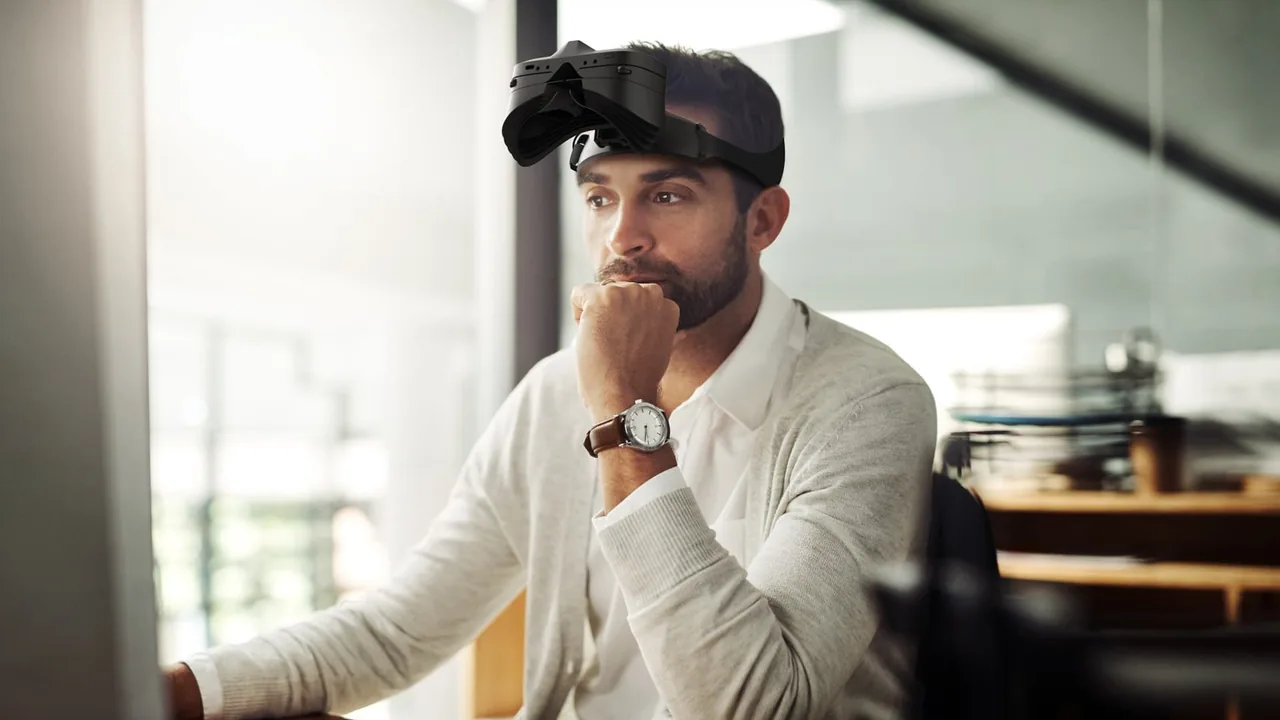
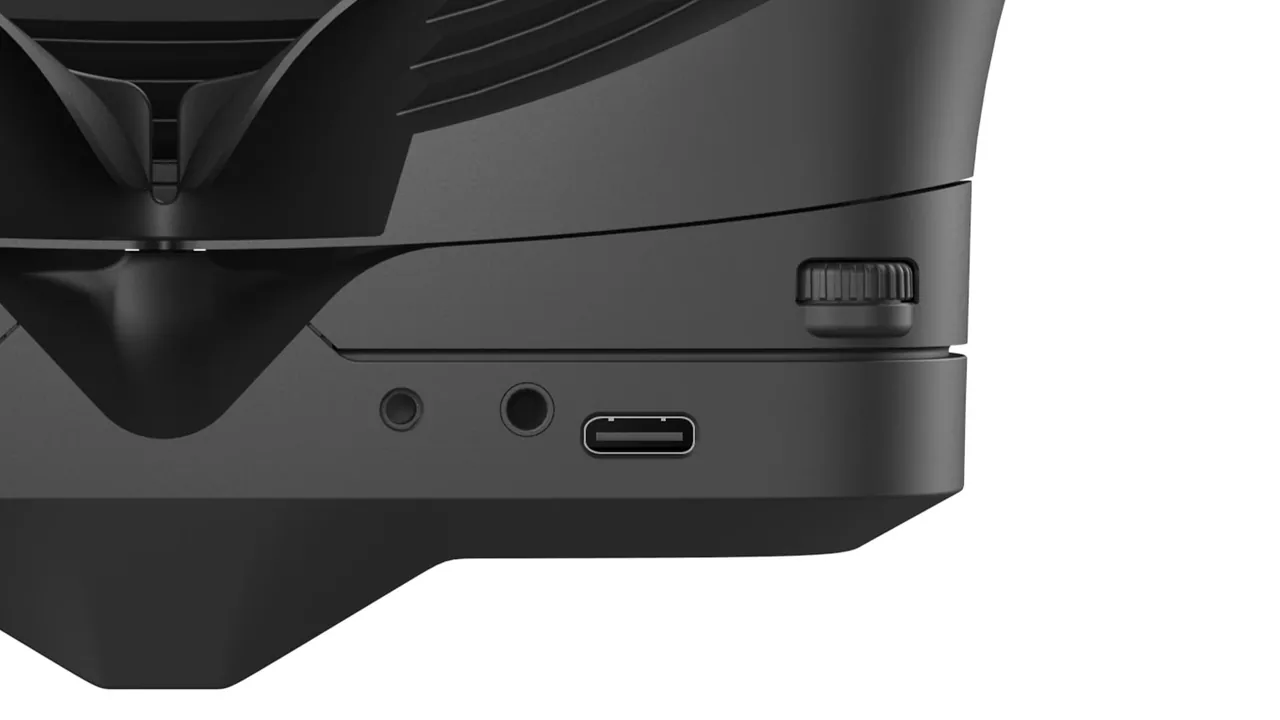
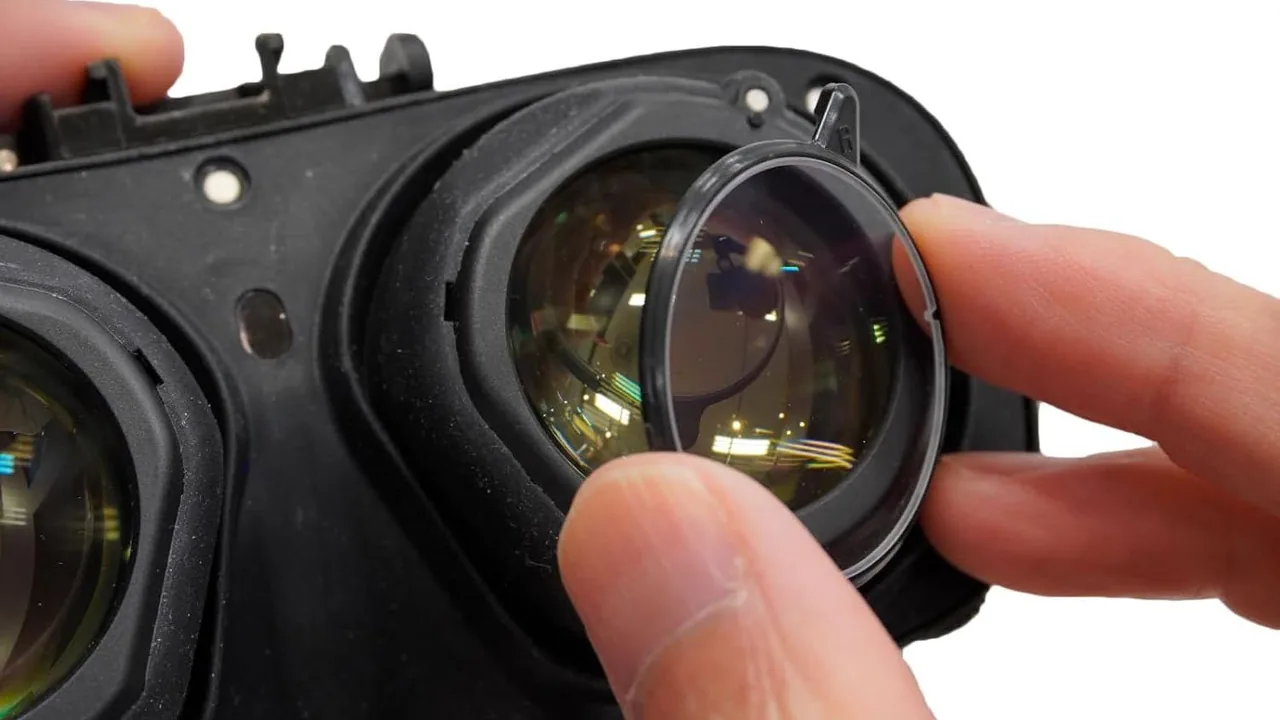
The visor flips up, IPD is motorized from 58 to 72mm, and each eye has a diopter adjustment from 0 to -7D, so many glasses wearers can go without inserts. Head tracking uses base station tracking with SteamVR Base Station 1.0 or 2.0, which you buy separately along with controllers. It connects over DisplayPort 1.4 and USB through a converter box. Shiftall requires an NVIDIA RTX card, RTX 3070 or better, and says AMD GPUs are not supported. There are no built-in speakers and no cameras, so there is no passthrough.
Pre-orders opened in October 2024 at $1,899 for the US and Japan, and Road to VR reported shipping planned for February to March 2025. In October 2025 Shiftall announced the MeganeX "8K" Mark II at the same price, with the same displays, new Panasonic lenses, much faster startup, a reinforced front USB-C port and a revised nose gap. Road to VR reported in January 2026 that Panasonic had ended its involvement and that Shiftall now develops, sells and supports the MeganeX line on its own.
Strengths
- Clarity. MRTV called it the "best visuals I've encountered" in a headset, with rich color and perfect blacks. Road to VR saw no pixels or "even a hint of screen-door effect."
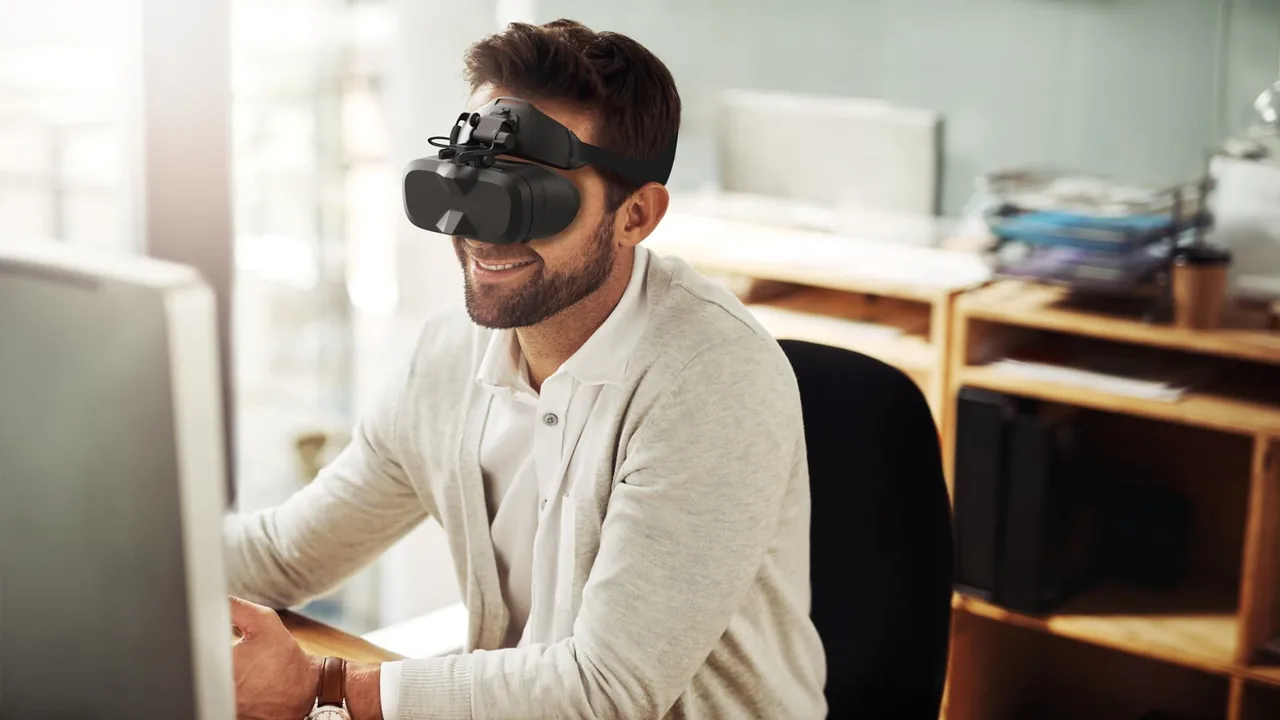
- Comfort. MRTV praised the soft halo-style strap and said you can forget you are wearing it during long sessions.
- Overlap and optics. MRTV found binocular overlap nearly perfect and the lenses among the best it had used.
- Adjustability. Road to VR highlighted the motorized IPD, diopter, eye-relief and flip-up adjustments, which help a wider range of people get a clear image.
- Precise tracking. Lighthouse tracking works in plain SteamVR with existing Index or VIVE controllers.
Weaknesses
- NVIDIA only. AMD graphics cards do not work at all, and The Ghost Howls saw stutter on an RTX 4080 laptop at a show demo.
- Modest field of view and brightness. MRTV measured about 94 degrees and found it dimmer than the LCD-based Pimax Crystal Super.
- Lens edges. MRTV noted warping at the outer edge and some glare. The Ghost Howls saw barrel distortion and aberrations on a pre-production unit.
- Missing features. No built-in audio, no eye tracking and no passthrough.
- Software and support. MRTV reported occasional tracking grey-outs, unfinished motion smoothing and no return policy.
- Track record. UploadVR pointed out that Shiftall failed to ship two earlier MeganeX headsets before this one.
Who it suits
It suits PC VR enthusiasts with an NVIDIA RTX card who already own base stations and controllers and care most about sharpness and comfort. MRTV singled out flight and racing simulators and social VR such as VRChat, where long seated sessions reward a light headset. It is a poor fit for AMD users, anyone who wants a wide field of view or bright, sunny scenes, and newcomers without tracking hardware. Our guide to setting up SteamVR base stations covers that extra setup.
How it compares
The Bigscreen Beyond 2 is lighter at 107g and cheaper, but has lower resolution at 2560 x 2560 per eye; Road to VR's early hands-on found the MeganeX field of view slightly larger than Bigscreen's. Bigscreen also sells an eye-tracked version, the Beyond 2e, while the MeganeX has no eye tracking. The Pimax Crystal Super is brighter and wider, MRTV found, but heavier and with weaker binocular overlap. The Meta Quest 3 costs a fraction as much and works standalone with passthrough, but MRTV rated the MeganeX image well ahead. Owners of a Valve Index can reuse their base stations and controllers.
Sources
- Shiftall: MeganeX superlight 8K official product page and specifications
- MRTV: Meganex Superlight 8K Review - The New King Of Clarity & Comfort
- Road to VR: Hands-on: Shiftall MeganeX Superlight Packs a Wishlist of Ergonomics Into a Tiny Package
- Road to VR: Shiftall Opens Pre-orders for ‘MeganeX superlight’ Ultra High-Resolution OLED PC VR Headset
- Road to VR: Shiftall Announces Next Thin & Light ‘MeganeX’ PC VR Headset, Shipping in December for $1,900
- Road to VR: Panasonic Ends Collaboration with Shiftall on MeganeX Series VR Headsets
- UploadVR: Shiftall Announces Yet Another MeganeX Headset After Not Shipping The First Two
- The Ghost Howls: AWE EU – MeganeX Superlight 8K hands-on: impressive resolution but at a price
- MIXED: MeganeX Superlight 8K: Why European customers will have to wait longer for the high-end PC VR headset