UK Rejects Blanket Ban on Recording Smart Glasses, Eyes Limits
The UK government rejected a blanket ban on recording smart glasses in its Petition 769206 reply, citing assistive use while reviewing targeted venue rules.

By LongZ
· 2 min read · Source: UK Parliament
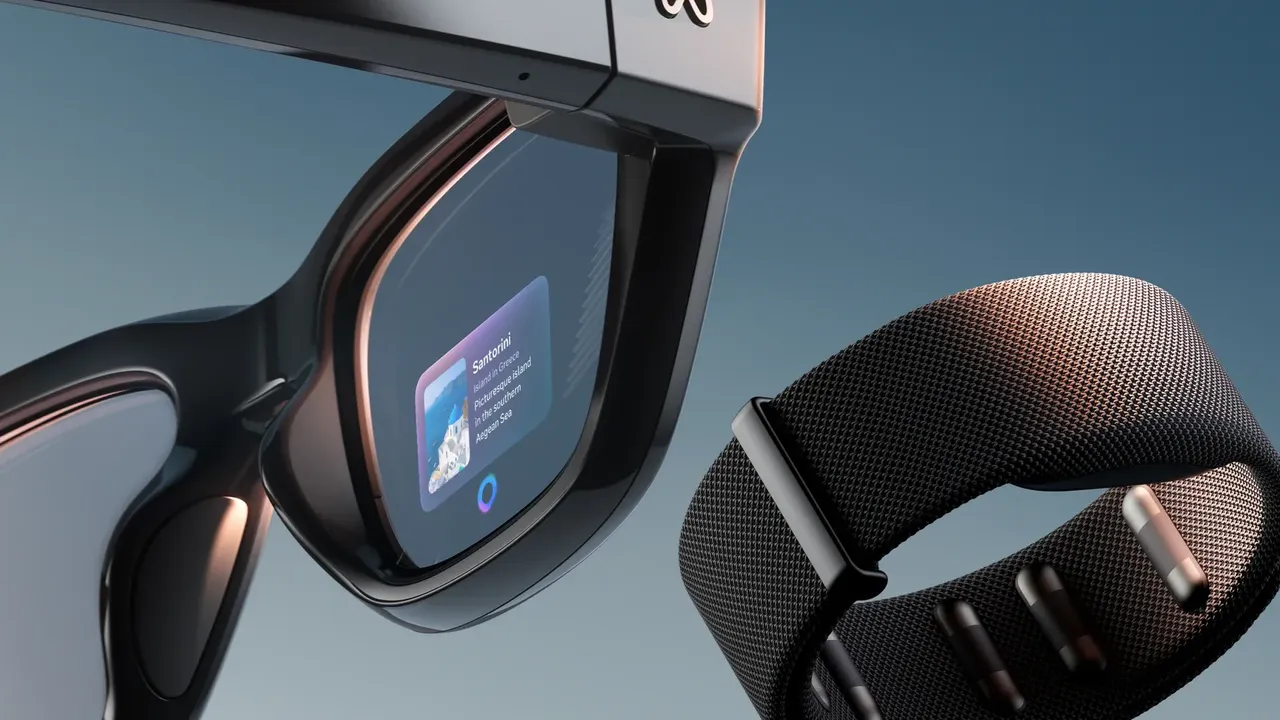
The UK government has declined to prohibit the sale or promotion of recording smart glasses after Parliamentary Petition 769206 cleared the 10,000-signature threshold required for an official ministerial reply. Instead of a nationwide commercial ban, officials pointed to existing criminal and data protection statutes alongside targeted restrictions in sensitive venues.
Why ministers ruled out a blanket commercial ban
Petition 769206 called for an immediate ban on selling and marketing eyewear equipped with cameras and microphones, reflecting growing public anxiety over covert filming—particularly non-consensual recording of women in public spaces—and online harassment. In its formal written response issued in November 2026, the government stated that a total ban would not be proportionate.
Ministers emphasized balancing misuse prevention against technological innovation, consumer choice and legitimate everyday applications. Accessibility groups and technology advocates have repeatedly highlighted that wearable cameras paired with voice AI act as practical assistive tools for blind and visually impaired people, as well as individuals living with dementia who rely on hands-free audio cues.
Rather than drafting a standalone product prohibition, the response pointed to legal remedies already in force across the United Kingdom:
- Data protection rules: UK GDPR and the Data Protection Act 2018 govern how identifiable images and audio of bystanders are collected and processed.
- Public harassment law: The Protection from Sex-based Harassment in Public Act and wider criminal offenses cover abusive or voyeuristic filming regardless of the device used.
Targeted venue rules gain momentum across UK institutions
Rejecting an outright ban does not leave camera eyewear unregulated in practice. The petition reply followed a Westminster Hall debate in which Home Office safeguarding minister Satvir Kaur confirmed that officials are examining narrower options, including restricting wear in specific sensitive environments or limiting access in certain contexts.
Several public bodies and private operators have already moved ahead with venue-level policies. HM Courts and Tribunals Service confiscates recording glasses at security checkpoints, while the Department for Education and NHS England have been reviewing safeguarding guidance covering wearable cameras in schools and healthcare settings.
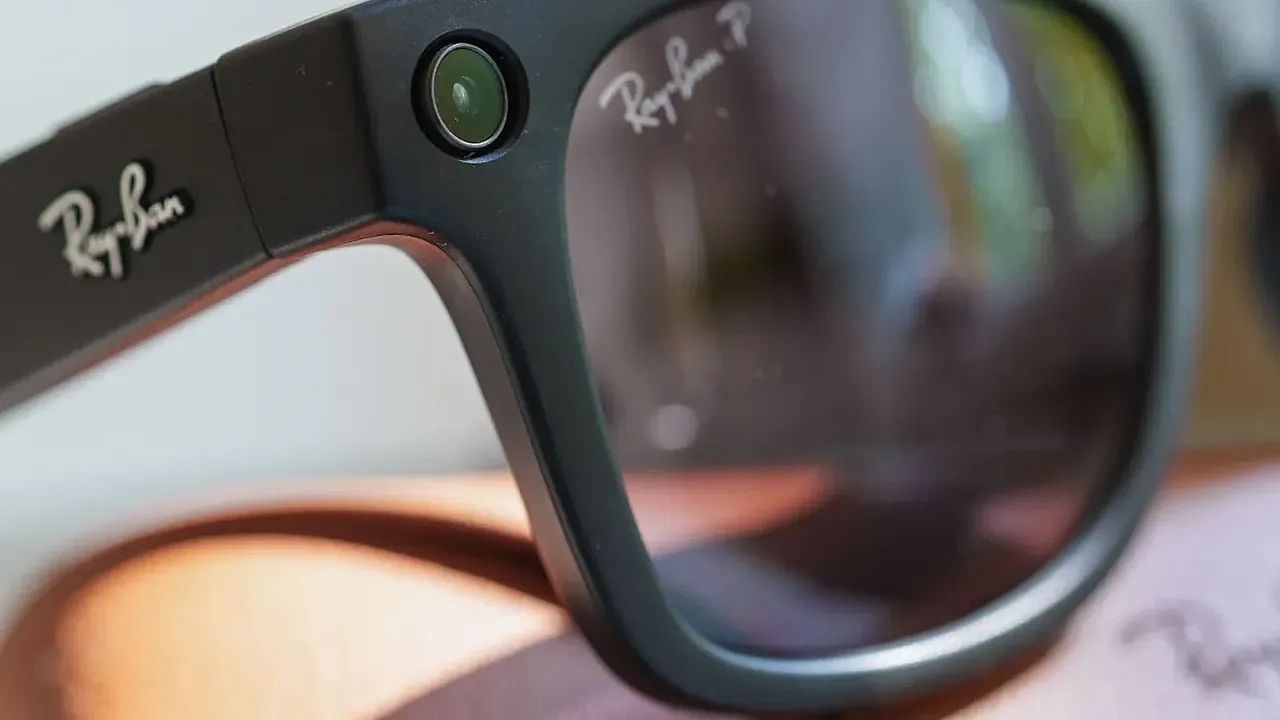
Commercial venues are adopting similar boundaries. UK cinema chains have begun restricting audiences from wearing camera-equipped frames such as Ray-Ban Meta (Gen 2) inside auditoriums, citing both bystander privacy and film piracy risks.
How the UK stance compares with continental Europe
The UK position contrasts sharply with enforcement pressure building across the Channel. In late November 2026, consumer groups in Germany and the Netherlands escalated directly to court injunctions against Meta and eyewear manufacturer EssilorLuxottica, arguing that small recording indicator lights fail EU GDPR Privacy by Design standards. Norway has also weighed temporary curbs in public spaces such as parks, beaches and transit hubs.
In Britain, the debate is not closed. Petition 769206 remains open through December 2026; if signatures reach 100,000 before the closing date, Parliament will consider scheduling a full floor debate—putting renewed pressure on ministers to spell out where venue-level restrictions begin and end.
Enjoyed this story?
Like it to tell the editors, or save it to read later.


Comments
Sign in to join the conversation.
Sign inNo comments yet. Start the conversation.
·