Meta's Senate Deadline on AI Glasses Passes as UK and Victoria Move on Camera Glasses
Senators Wyden and Markey gave Meta until Nov. 25 to answer nine questions on its camera glasses, with no public reply yet, while the UK weighs limits and Victoria bans them in schools.

By LongZ
· 4 min read · Source: Office of Senator Ron Wyden
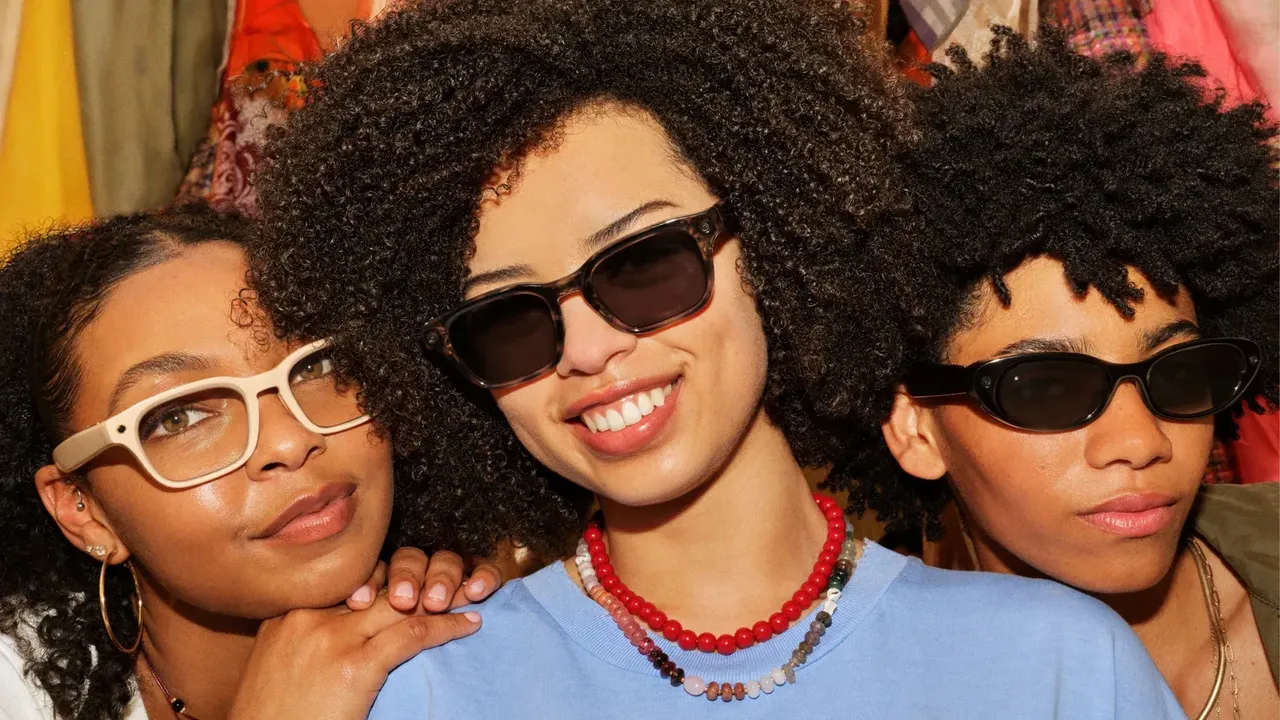
The November 25 deadline that Senators Ron Wyden (D-Ore.) and Edward Markey (D-Mass.) set for Meta to answer questions about its camera glasses has passed, and no response from Meta has been made public. The senators' October 28 letter to Mark Zuckerberg asked nine questions and requested documents on how the glasses capture, store and use images of the people around the wearer.
A reply to members of Congress is not automatically published, and the letter carries no legal force on its own. Whether Meta's answers become public depends on what the company sends and what the senators choose to release.
What the senators asked Meta
The letter argues that Meta's glasses have been tied to covert filming of women and to intimate footage reaching contractors who review data for AI training. It notes that more than 70 plaintiffs have sued Meta over sensitive recordings allegedly shared without consent. The questions ask Meta to:
- Hand over the human rights analysis done before the 2021 launch of Ray-Ban Stories, plus every later human rights, privacy and safety assessment of its camera glasses.
- Say whether it assessed the risk of voyeurism and nonconsensual intimate image capture at each stage, from capture and storage to staff and contractor access, AI training and distribution.
- Describe testing on accidental activation, tampering with the recording indicator, AI camera use that does not trigger the indicator, and cases where bystanders cannot see the light, including blind and low-vision people.
- Explain what safeguards on the glasses compare with the face and license plate blurring and intimate-image-abuse tools Meta uses on Facebook and Instagram.
- Detail which employees, contractors and subcontractors can see glasses imagery, in which countries, with what filtering, and share the relevant contract terms.
- Say whether all eligible imagery is used for AI training or only a subset, and how intimate images taken without consent are kept out.
- Describe how involved its women's safety and intimate-image-abuse teams were in designing the glasses.
- Explain whether owners and people captured by the glasses can have biometric and other data deleted, and how complete deletion is ensured.
- List what redress exists for people whose intimate images were published or used for training without consent.
The senators acknowledge that Meta recently added an option for wearers to stop visual data from being retained for AI training, but point out that bystanders who are filmed have no equivalent control.
Governments outside the US are moving faster
In the UK, Home Office minister Satvir Kaur told MPs during a November 4 Westminster Hall debate on smart glasses and violence against women and girls that "the Government are already looking into options to restrict smart glasses in certain settings and restricting the sale to certain users," adding that "that work is happening at pace." She said the benefits must be weighed against the harms, called the glasses "a game changer" for visually impaired people, and said the government recognizes concerns about their use on the parliamentary estate. No ban, timetable or definition of "certain users" was announced.
In Australia, Victoria is folding smart glasses into its school device rules from the start of the 2027 school year. Students at government, Catholic and independent schools must keep personal devices, including smart glasses, switched off and stored during school hours and activities. At government schools, the Education Department's policy goes further: staff, parents, contractors, volunteers and visitors may not wear smart glasses or other covert filming devices on school premises or at school events at any time. The department lists January 27, 2027 as the start date. Exemptions are limited to disability-related adjustments when no other option works, approved in writing by the principal.
What it means for owners and buyers
None of these moves stops anyone from owning or buying Meta's glasses today. The practical changes so far are about where they can be worn: adults visiting Victorian government schools must leave them off from late January, and UK courts and tribunals already prohibit them.
On the device side, Meta's own privacy page lists the protections currently in place:
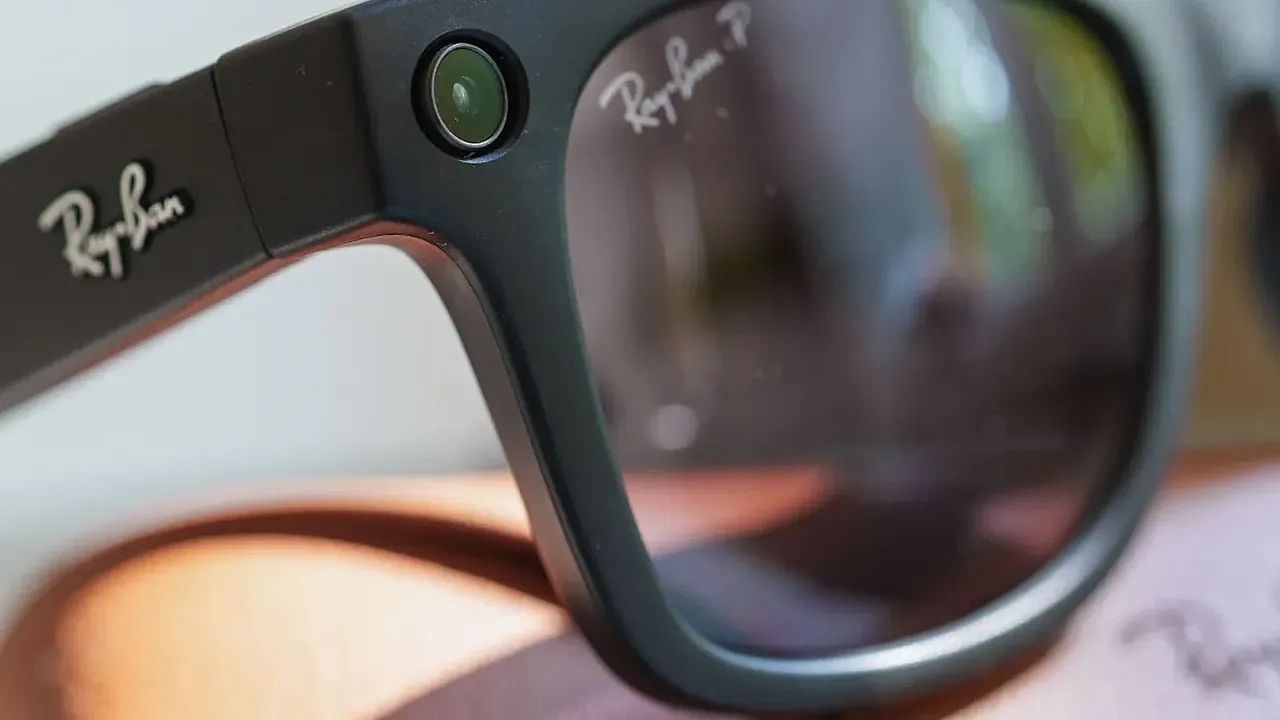
- A white capture LED blinks when photos or video are taken for your gallery and keeps blinking for the length of a video. Meta says the LED has no off switch.
- From the second-generation glasses onward, the camera is disabled if the glasses detect the LED is covered, and a later update also disables it if the LED is physically tampered with or destroyed.
- Gallery photos and videos are stored on the glasses until you import them, and are visible only to you unless you share them.
- When you ask Meta AI about what you are seeing, faces and license plates in the frame are blurred automatically, and those images are not saved to your gallery.
- Glasses privacy settings are managed in the Meta AI app.
The senators' questions target what these features do not cover: what happens to AI imagery after it leaves the glasses, who reviews it, and what control people in front of the lens have. Owners who use Meta AI's camera features should check the glasses privacy settings in the Meta AI app, including the option to stop visual data from being kept for AI training, before wearing them in shared spaces.
Enjoyed this story?
Like it to tell the editors, or save it to read later.
Comments
Sign in to join the conversation.
Sign inNo comments yet. Start the conversation.
·