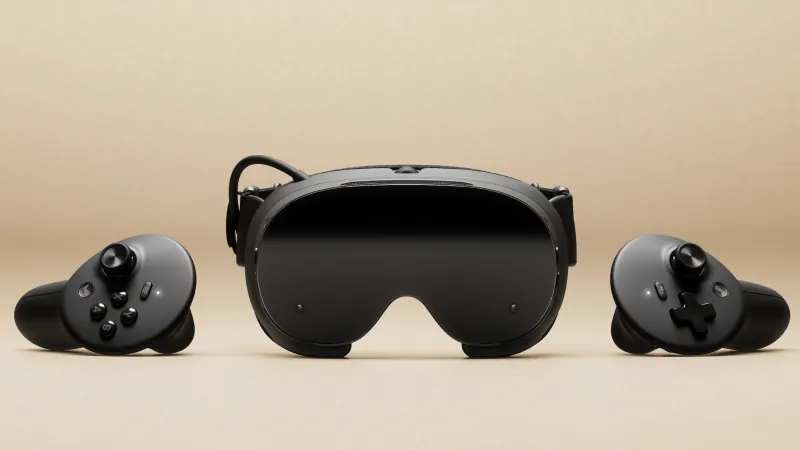
Valve Steam Frame review: the best wireless PC VR link, at a steep price
An AI-written assessment of the Valve Steam Frame from official specifications and published reviews: excellent wireless PC streaming, high comfort and solid tracking, but a high price, short battery life, uneven standalone compatibility and paid add-ons for basics.
総評
The Steam Frame is the most convenient way to play PC VR without cables, with comfort and tracking that reviewers rate highly. Its $1,059 starting price, short battery life, uneven standalone compatibility and paid add-ons for basics make it a headset for committed PC VR players, not a mainstream pick.
スコア内訳
長所
- Excellent wireless PC streaming with bundled adapter
- Eye-tracked foveated streaming
- Light, well-balanced and comfortable with top strap
- Consistently strong head and controller tracking
- Half-Life: Alyx included with native standalone build
- Open SteamOS and modular, repairable design
弱点
- Expensive at $1,059 before add-ons
- Top strap, power supply and color passthrough cost extra
- Battery lasts roughly 1 to 1.5 hours
- Uneven standalone performance and compatibility
- Grayscale, low-resolution default passthrough
- LCD panels no sharper than Quest 3
写真



This review is an AI-written assessment. It is based on official specifications and on what published reviews broadly agree on, not on hands-on testing.
What it is
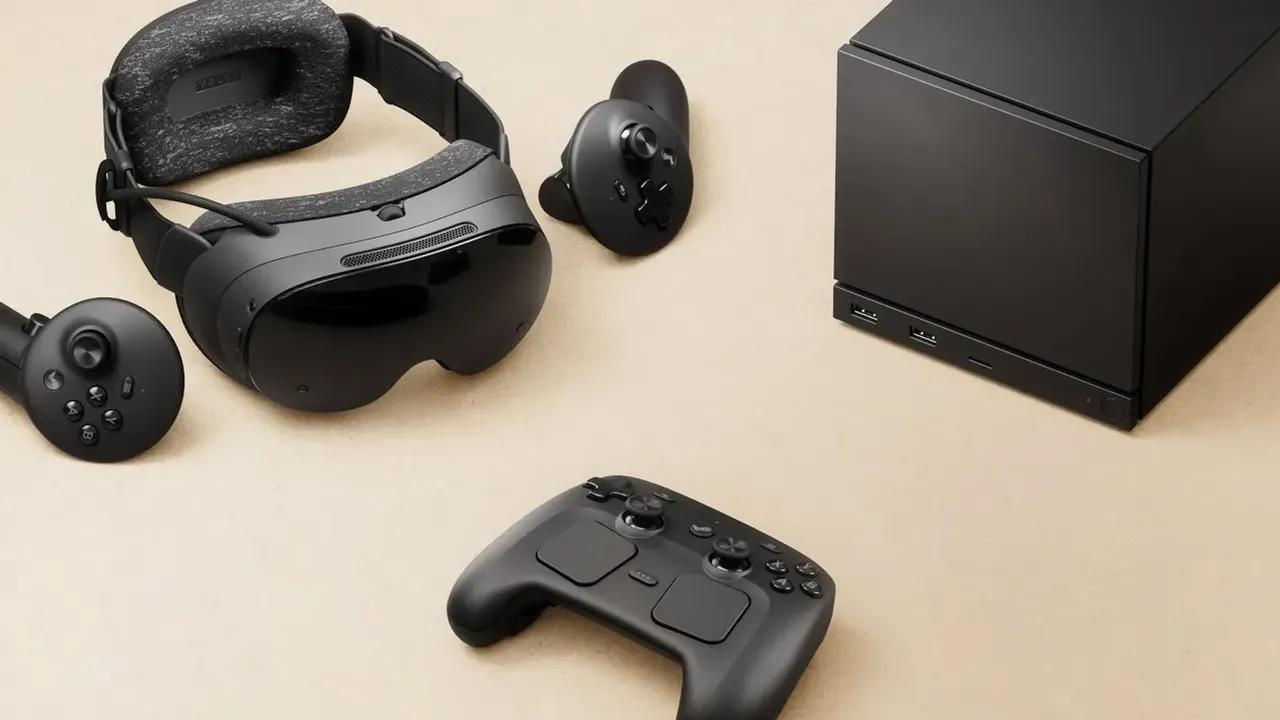
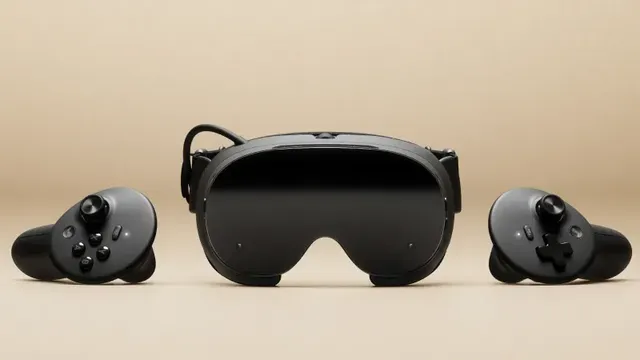
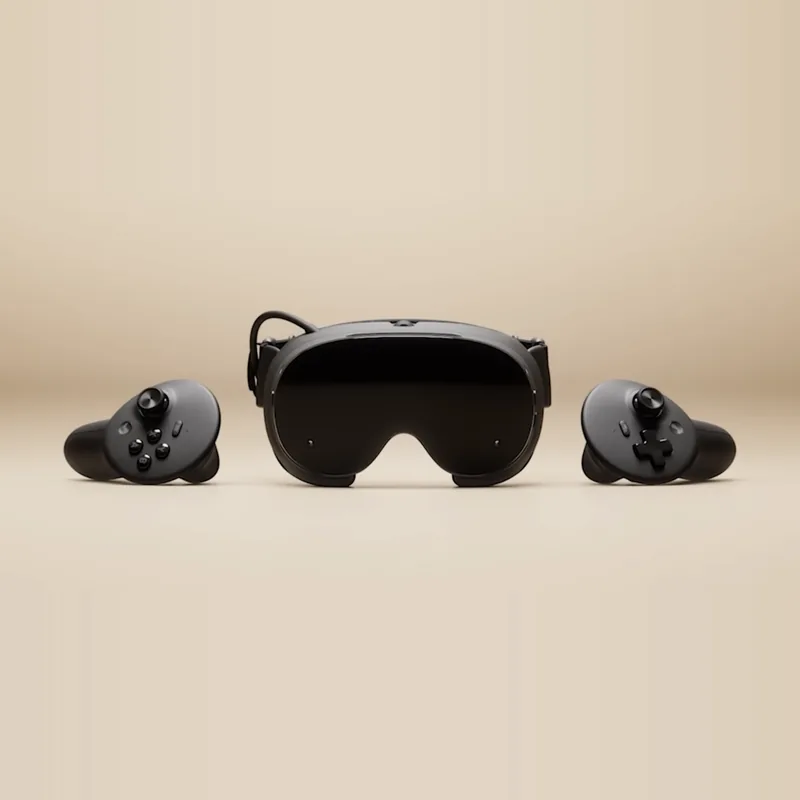
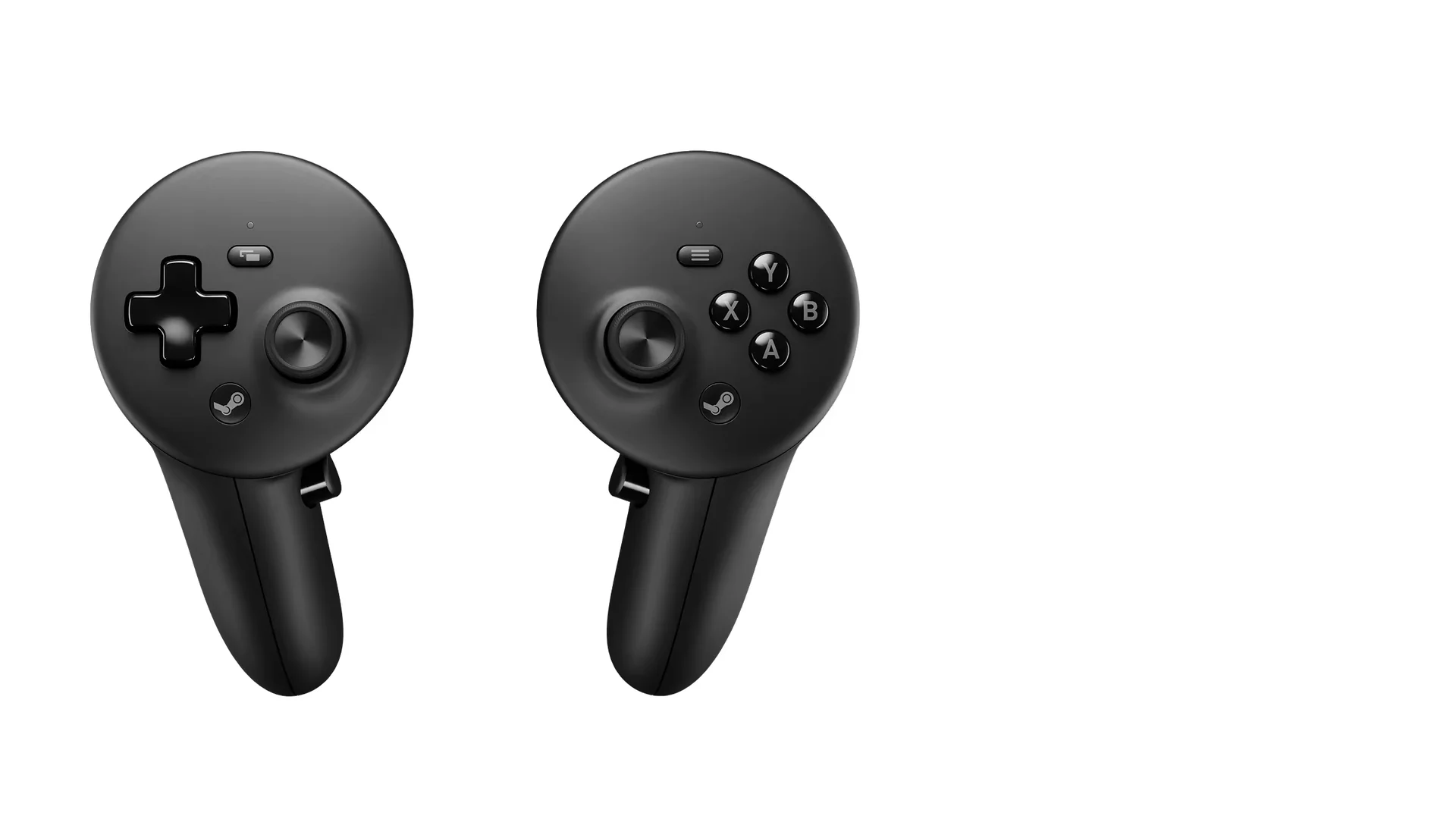
The Valve Steam Frame is Valve's wireless, streaming-first VR headset and the successor to the Valve Index, which Valve no longer produces. Valve launched it and opened reservations on September 14, 2026, and sent the first purchase invitations on September 18. It costs $1,059 with 256GB of storage or $1,299 with 1TB. Both kits include the controllers, a USB wireless adapter for a dedicated PC link, and Half-Life: Alyx with a native standalone build. The power supply is a separate $29 purchase.
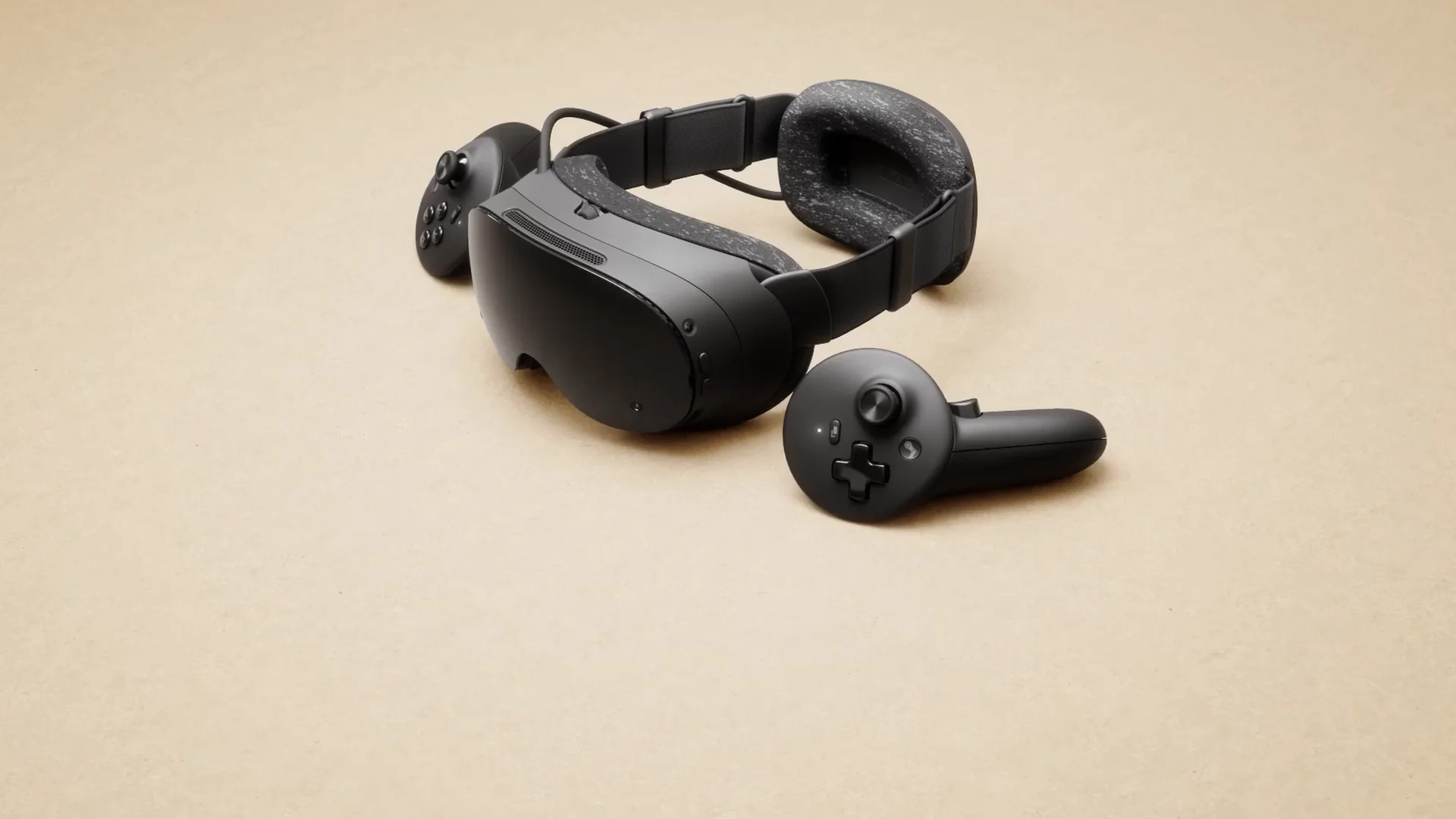
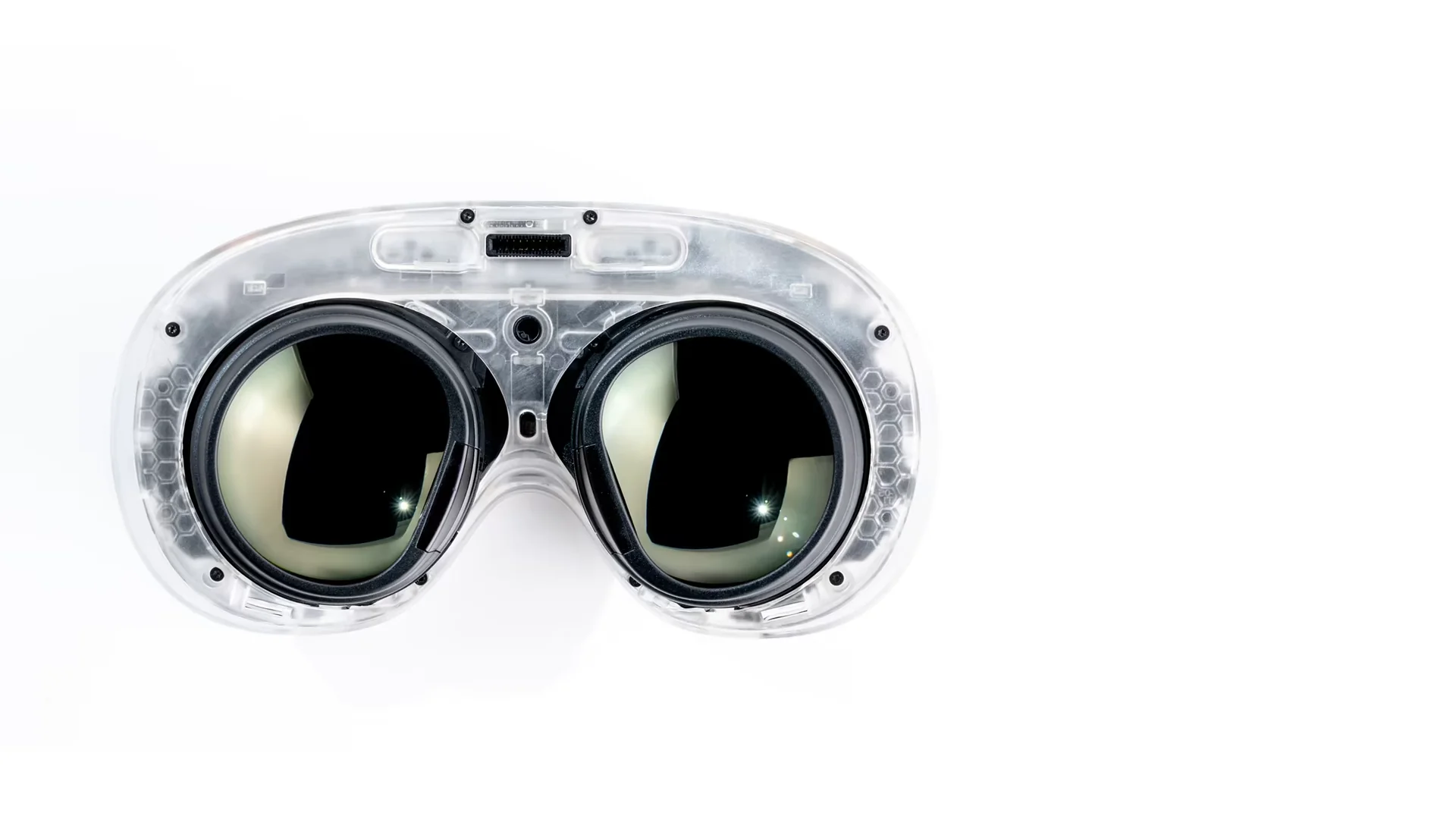
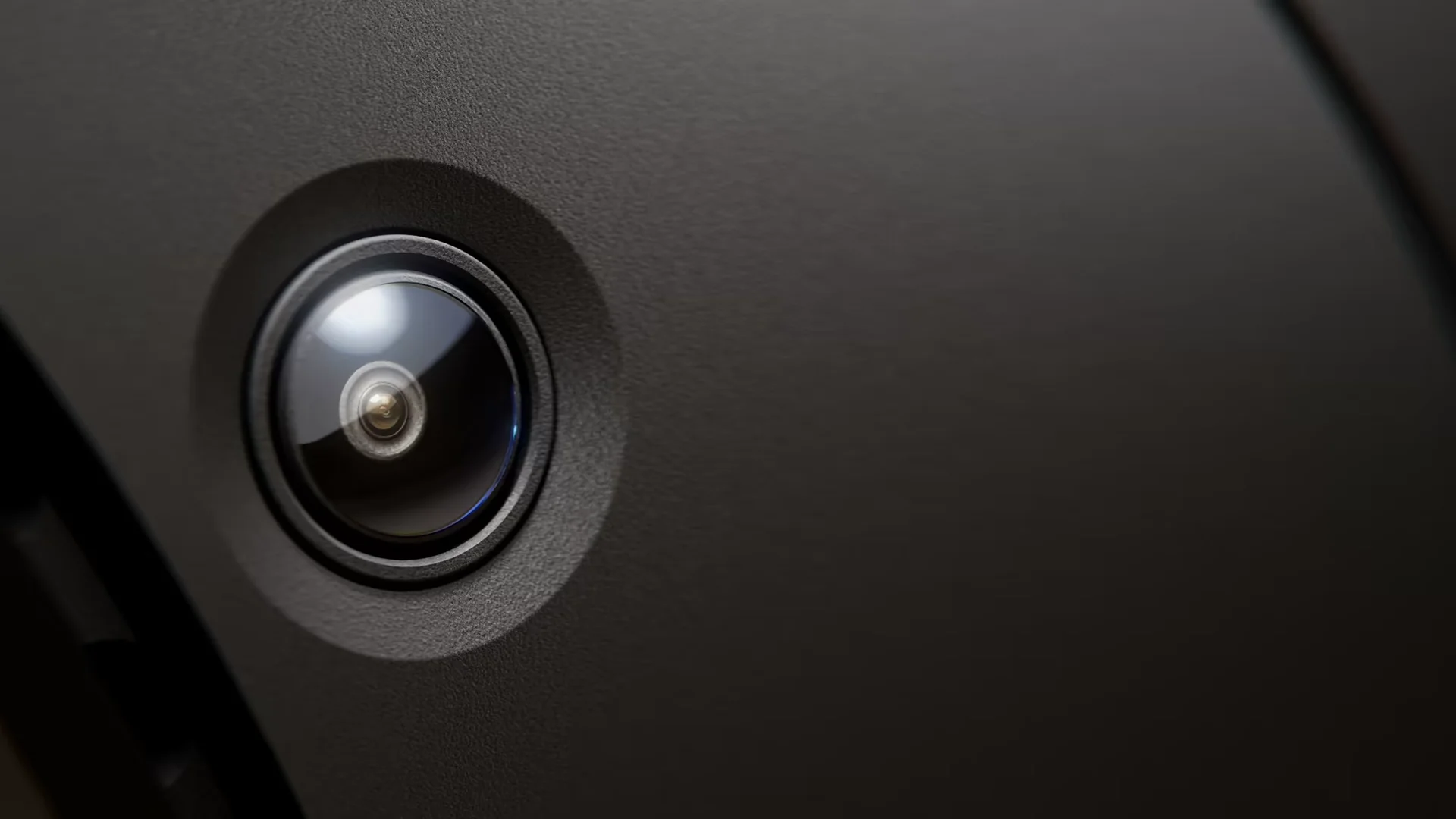
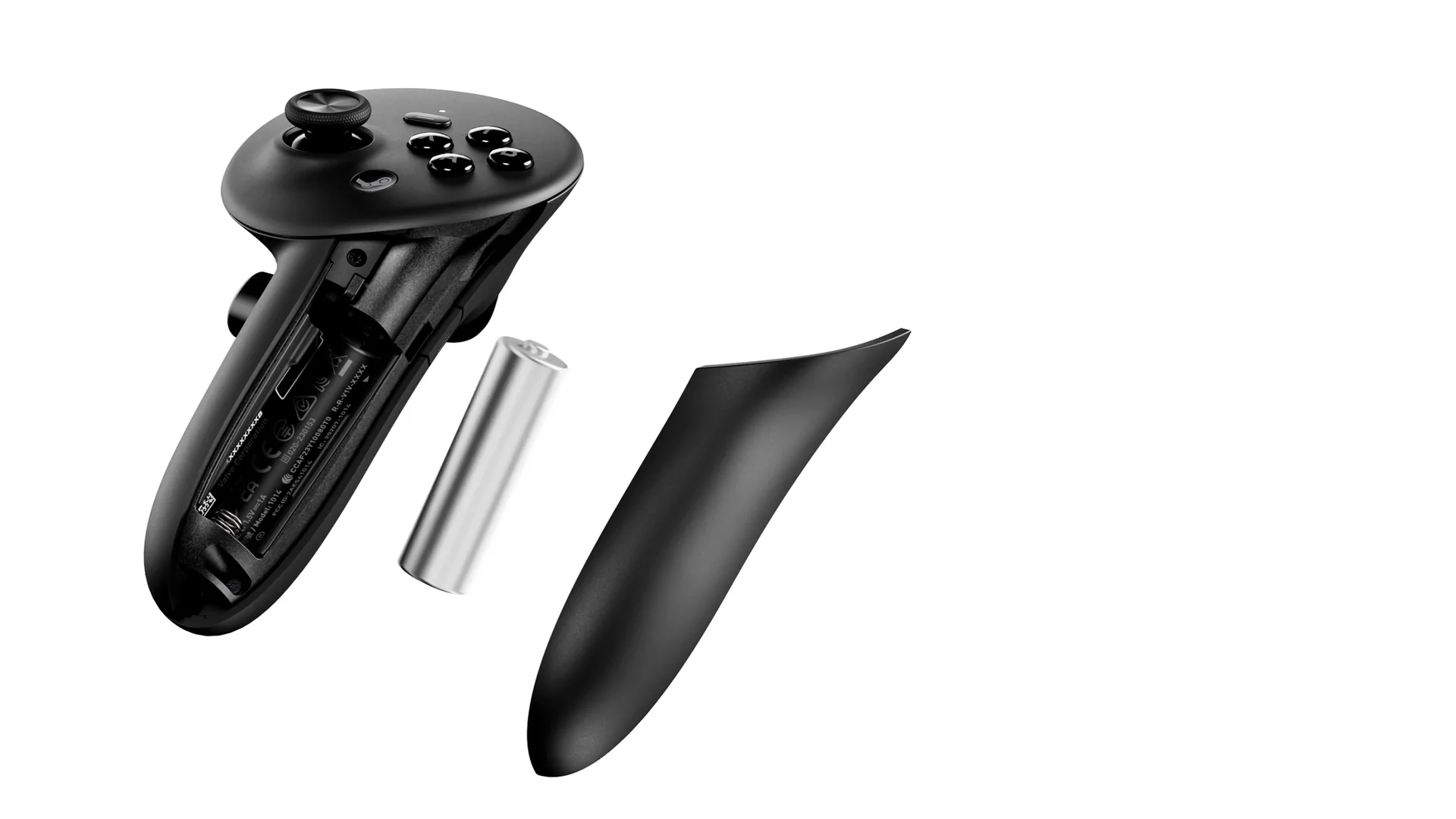
The headset runs SteamOS on a Snapdragon 8 Gen 3 chip with 16GB of RAM and a microSD slot. It uses two 2160 x 2160 LCD panels behind pancake lenses, refresh rates from 72Hz to 144Hz (144Hz is experimental), a manual IPD knob and eye tracking. The eye tracking drives foveated streaming, which spends more of the wireless bitrate where you are looking. Tracking is inside-out, using four monochrome cameras. The core module weighs 185g, and about 440g with the strap and the 21.6Wh rear battery. Built-in passthrough is black and white; color needs the $149 Arcturus Vision camera add-on.
Strengths
Wireless PC streaming is the clear highlight. Road to VR said the streamed image was virtually indistinguishable from a tethered headset. PC Gamer called the Frame "the king of convenience", and Eurogamer said that as a PC-to-VR device "it's a delight". Reviewers credit the bundled adapter and foveated streaming, and several could not spot the gaze-based quality changes.
Comfort comes up almost as often. Road to VR measured it as lighter than Meta Quest 3 and, with the top strap fitted, "a lot more comfortable". Engadget also called it very comfortable, and the rear battery helps balance the weight. Road to VR found head and controller tracking consistently strong, with the upper side cameras covering movements behind the head, such as throws.
The lenses are good. Road to VR put the pancake optics close to Quest 3's and ahead of most other pancake designs. Tinkerers like the modular build, the open SteamOS desktop and a gamepad-style controller layout that also works for flat games. Road to VR called the Frame a "power-user's playground".
Weaknesses
Price is the most repeated complaint. Road to VR pointed to a $460 premium over Quest 3. That is before the $59 Ergonomic Kit, which adds the top strap, the $29 power supply and the $149 color camera, items several reviewers felt should come in the box. Engadget concluded the headset is "most likely not for you", and Ars Technica felt Valve is "a few years late".
Battery life is short. Road to VR averaged one to 1.5 hours of mixed use, below Quest 3, and Engadget measured just under 90 minutes in demanding games.
Standalone play is uneven. Road to VR found that only well-optimized games run acceptably on the mobile chip, and Ars Technica called the package "overengineered and underbaked", pointing to spotty compatibility with existing SteamVR games. About 70 VR games carried Valve's Verified label at launch. By early October, GamingOnLinux counted more than 200 Verified games, 70 of them VR, though the label covers standalone play only.
The display is competent rather than a step forward. Resolution is roughly on par with Quest 3, Road to VR found Quest 3 slightly sharper overall, and it measured a 103-degree diagonal field of view against Quest 3's 107. Default passthrough is grayscale and low resolution; Road to VR could not read a phone through it. Engadget also criticized the built-in speakers.
Who it suits
Steam Frame suits PC VR players with a capable gaming PC who want a strong wireless link to SteamVR without cables or base stations. It also suits Steam users who want a headset outside Meta's ecosystem and do not mind some tinkering. It fits less well if you mostly want standalone play, are new to VR on a budget, or need long sessions on one charge.
How it compares
Most reviews measured it against Meta Quest 3. The Frame has similar resolution, a better PC streaming setup, eye tracking and more comfort. It also costs far more, runs out of battery sooner, has weaker passthrough and has a smaller tuned standalone library. For casual players, Road to VR said it looks like a "more expensive Quest 3" with as many cons as pros.
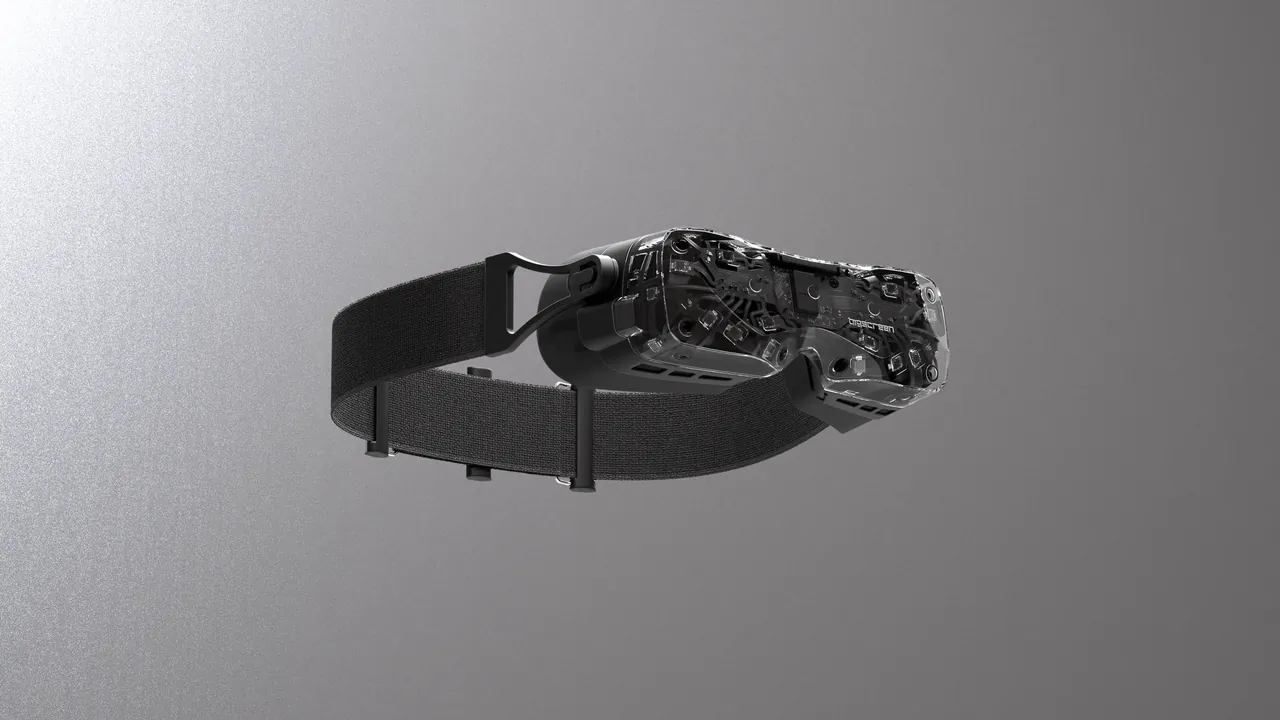
Compared with the Valve Index it replaces, the Frame drops base stations and the cable in favor of wireless streaming and inside-out tracking. For wired PC VR at a similar price, HotHardware's review roundup pointed to the Bigscreen Beyond 2e, which is far lighter but needs a cable and base stations.
Sources
- Road to VR: Steam Frame Review - Power-user's Playground
- PC Gamer: Steam Frame review
- Engadget: Valve Steam Frame review
- Ars Technica: Steam Frame, the Ars Technica review
- Eurogamer: Steam Frame review
- Tom's Hardware: Valve Steam Frame review
- MIXED: First Steam Frame reviews praise PC streaming but flag battery life and price
- HotHardware: Steam Frame Review Roundup: Jack Of All Trades, Master Of One
- UploadVR: Steam Frame Is $1059 & Comes With Standalone Half-Life: Alyx, Reservations Open Now
- GamingOnLinux: There's now over 200 Steam Frame Verified games