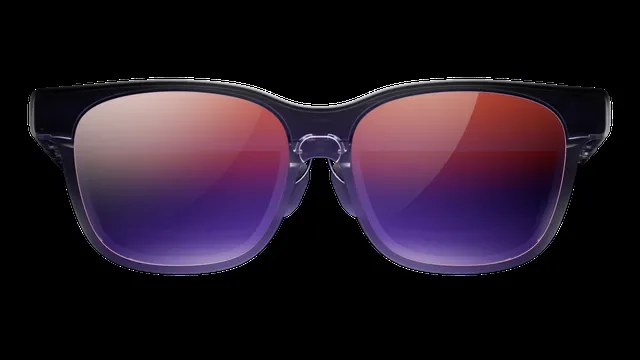
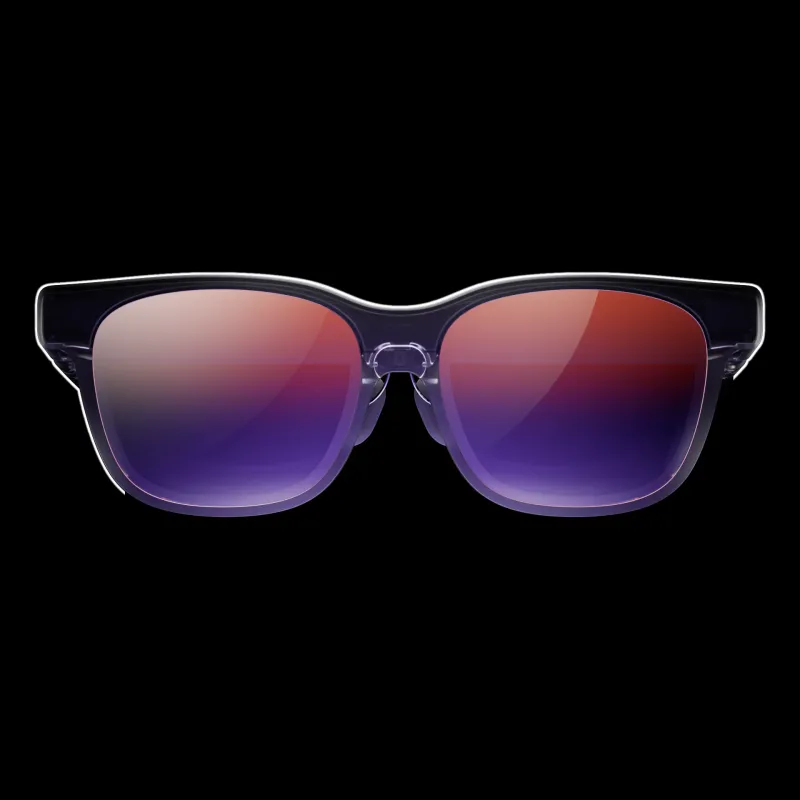
VITURE Luma Pro
by VITURE
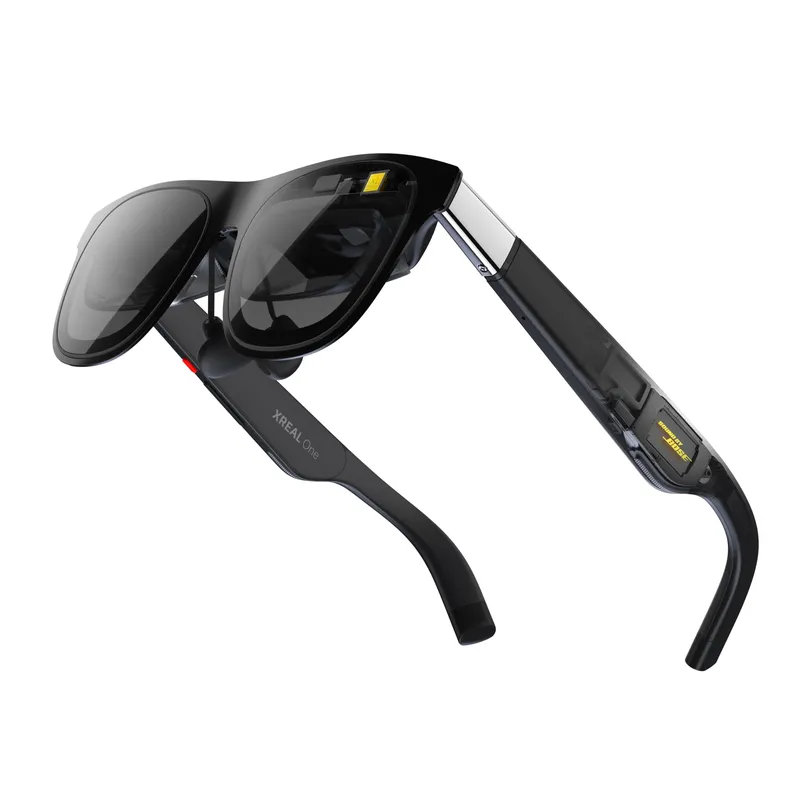
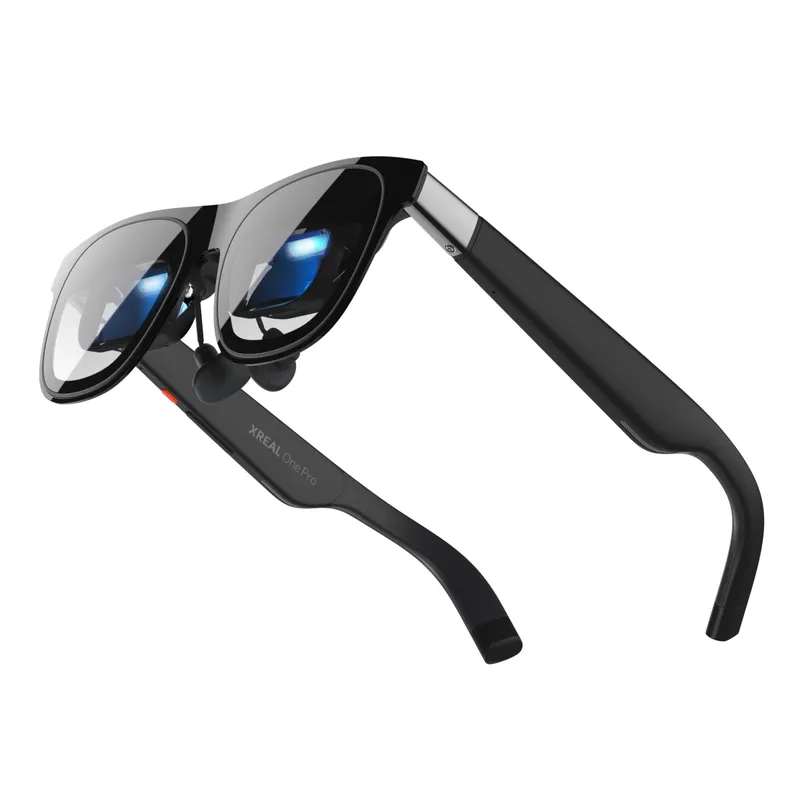
VITURE's $499 tethered XR display glasses with 1920 × 1200 Sony micro-OLED panels, 1,000-nit brightness, a 52-degree view, electrochromic dimming and built-in -4.0D myopia dials.
- Per eye
- 1920 × 1200
- Max refresh
- 120 Hz
- Field of view
- 52°
- Weight
- 78 g
Overview
VITURE Luma Pro is the centerpiece of VITURE's Luma series of tethered XR display glasses (which spans the $399 base Luma, the $499 Luma Pro and the $599 Luma Ultra). Succeeding the VITURE Pro XR, the Luma Pro upgrades resolution to 1920 × 1200 per eye, expands the field of view to 52 degrees and hits 1,000 nits of perceived brightness while keeping built-in myopia adjustment dials.
Display and optics
Each eye uses a latest-generation Sony micro-OLED panel running at 1920 × 1200 resolution (a 16:10 aspect ratio tailored for productivity and PC handhelds) and up to 120 Hz. Peak perceived brightness reaches 1,000 nits across a 52-degree field of view, simulating a 152-inch virtual screen at four meters. Rotary dials above each lens adjust focus from 0.0D down to -4.0D, allowing most nearsighted users to wear the glasses without prescription inserts. Electrochromic film darkens the outer lenses at the tap of a button.
Comfort and design
The frame weighs 78 g and is milled from aircraft-grade aluminum with flexible titanium hinges and tilt-adjustable arms. Unlike standard USB-C ports that tug at the back of the ear, VITURE uses a proprietary magnetic pogo-pin connector on the left temple that detaches safely if snagged. Reverse-sound-field speakers co-engineered with HARMAN AudioEFX minimize audio leakage to people sitting nearby.
Tracking and controllers
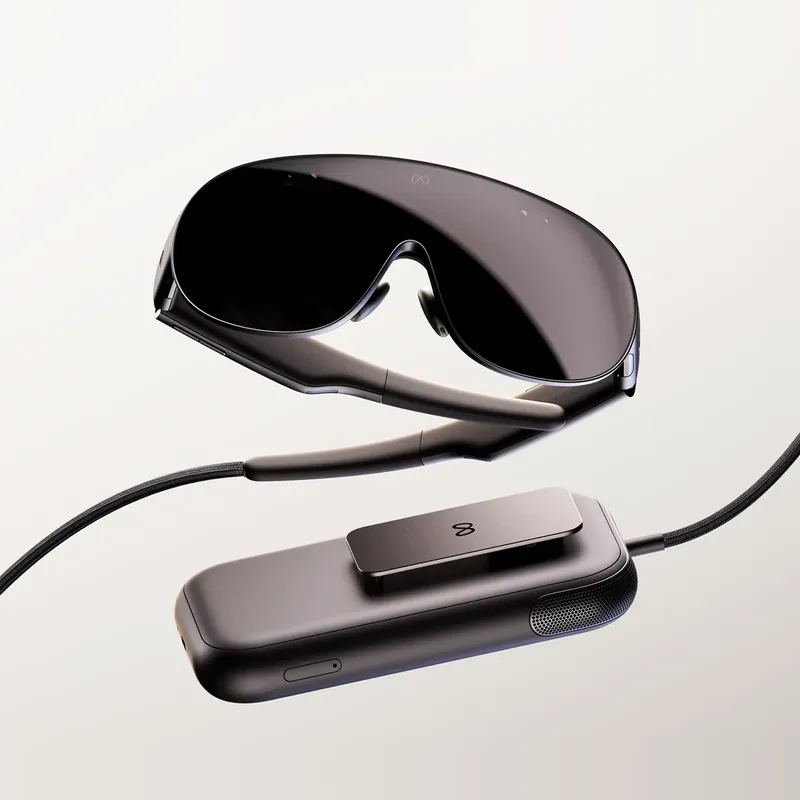
Built-in inertial sensors provide 3DoF head tracking when paired with VITURE's SpaceWalker software or the optional VITURE Pro Neckband compute unit. Users control brightness, volume and electrochromic tint via buttons on the frame, while input comes from the connected phone, laptop or gaming handheld.
Software and SpaceWalker ecosystem
VITURE's SpaceWalker app on macOS, Windows, iOS and Android turns the glasses into a multi-monitor virtual workspace (up to three side-by-side virtual screens on laptops) and includes real-time AI 2D-to-3D video conversion. Optional accessories such as the Pro Mobile Dock allow two pairs of VITURE glasses to share a single Nintendo Switch or Steam Deck screen for local co-op.
Who it is for
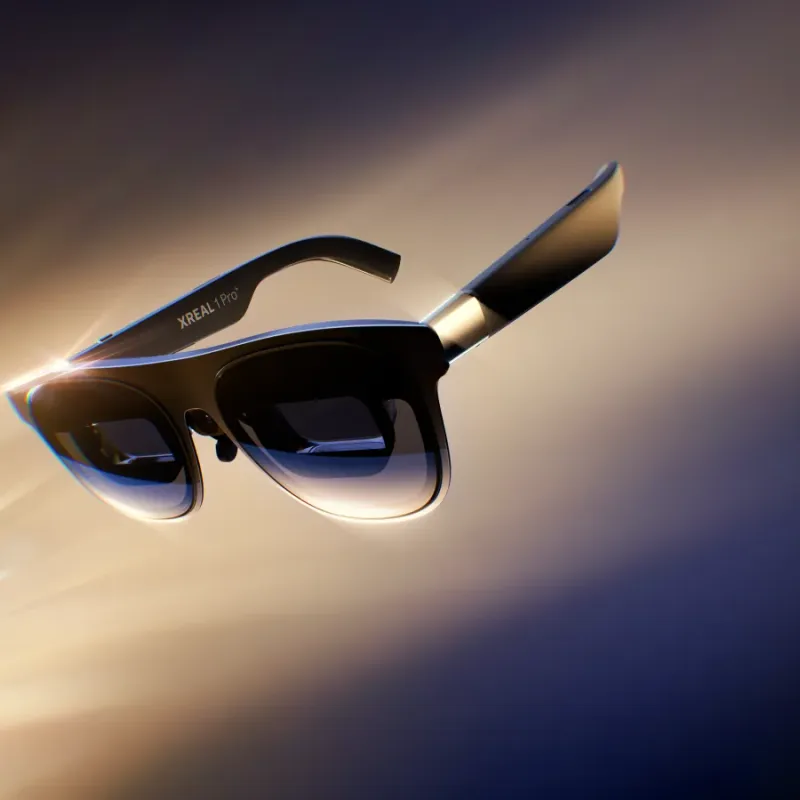
VITURE Luma Pro suits Steam Deck players, MacBook users and nearsighted buyers who want a bright 1200p virtual monitor with built-in diopter dials at $499. Buyers who prefer hardware-level 3DoF screen pinning built directly into the glasses without running companion software should compare the XREAL One and XREAL 1 Pro+.
Specifications
Display & optics
- Panel
- Micro-OLED
- Per eye
- 1920 × 1200
- Max refresh
- 120 Hz
- Field of view
- 52°
- IPD range
- 57–70 mm (plus 0.0D to -4.0D myopia dials)
Hardware
- Weight
- 78 g (78 g magnesium-aluminum frame with magnetic USB-C cable and built-in -4.0D myopia dials)
Tracking & input
- Tracking
- 3DoF
- Hand tracking
- No
- Eye tracking
- No
- Controllers
- None (temple buttons; host device or VITURE Neckband)
Release & price
- Status
- Available
- Launch price
- $499