PAYDAY: Aces High review: VR heists under pressure
Our PAYDAY: Aces High review weighs tactile VR gunplay, flexible heists and four-player teamwork against weak AI and limited solo appeal.

Вердикт
PAYDAY: Aces High turns familiar heist gameplay into an exciting, tactile VR co-op shooter with varied missions and strong team coordination. Its poor AI, checklist-like structure, and dependence on cooperative teammates hold it back from becoming a truly immersive or consistently satisfying solo game.
Разбор оценки
Сильные стороны
- Visceral, tactile VR interactions
- Flexible stealth and loud approaches
- Varied, multilayered heists
- Strong four-player teamwork
- Excellent visuals and sound
- Good voice acting
Слабые стороны
- Very poor enemy AI
- Weak solo experience
- Repetitive firefights
- Basic story
- Limited enemy tactics
- Missions can feel checklist-driven
Трейлер и скриншоты
 Трейлер
Скриншоты
Фотографии: 5
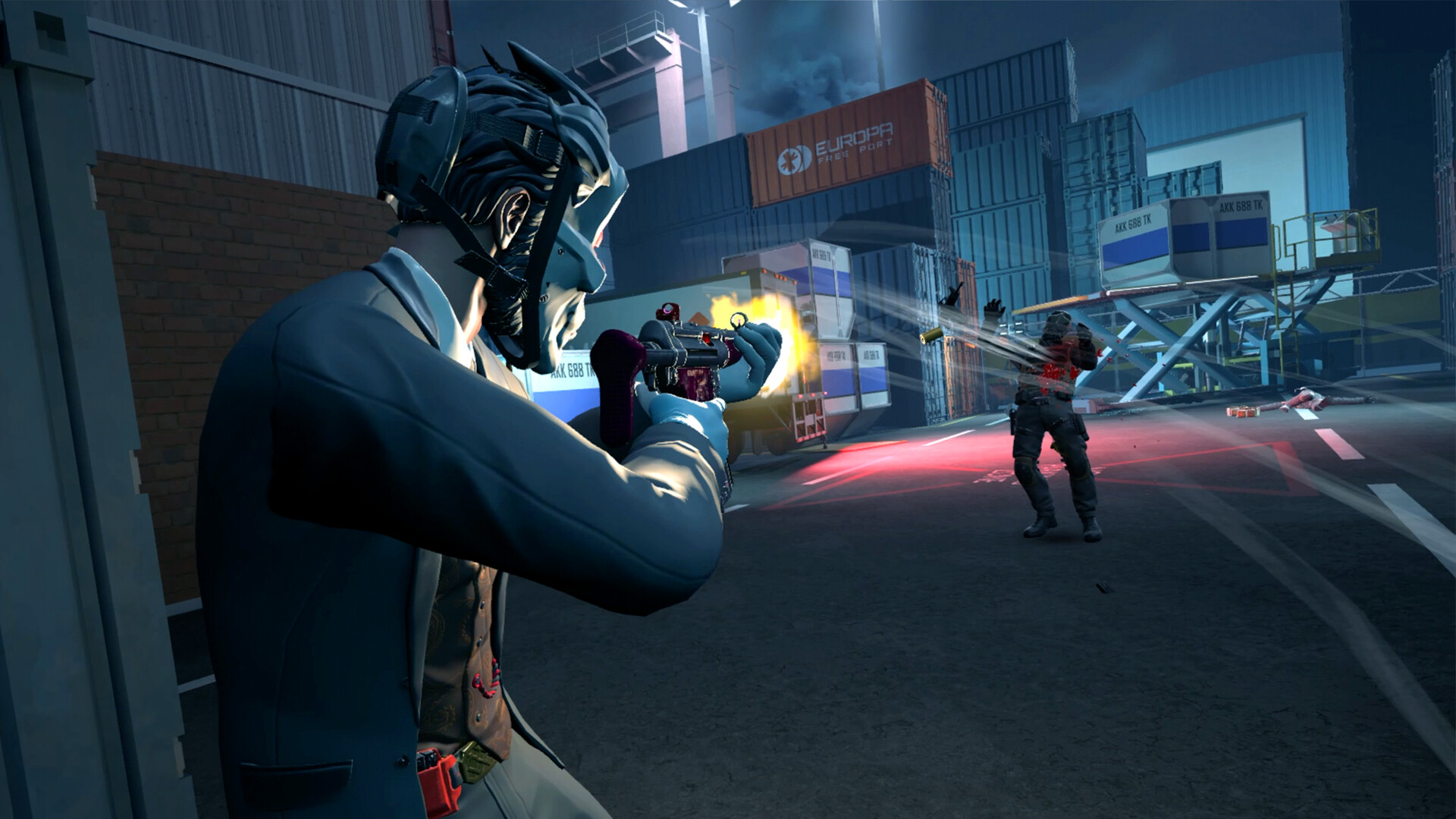
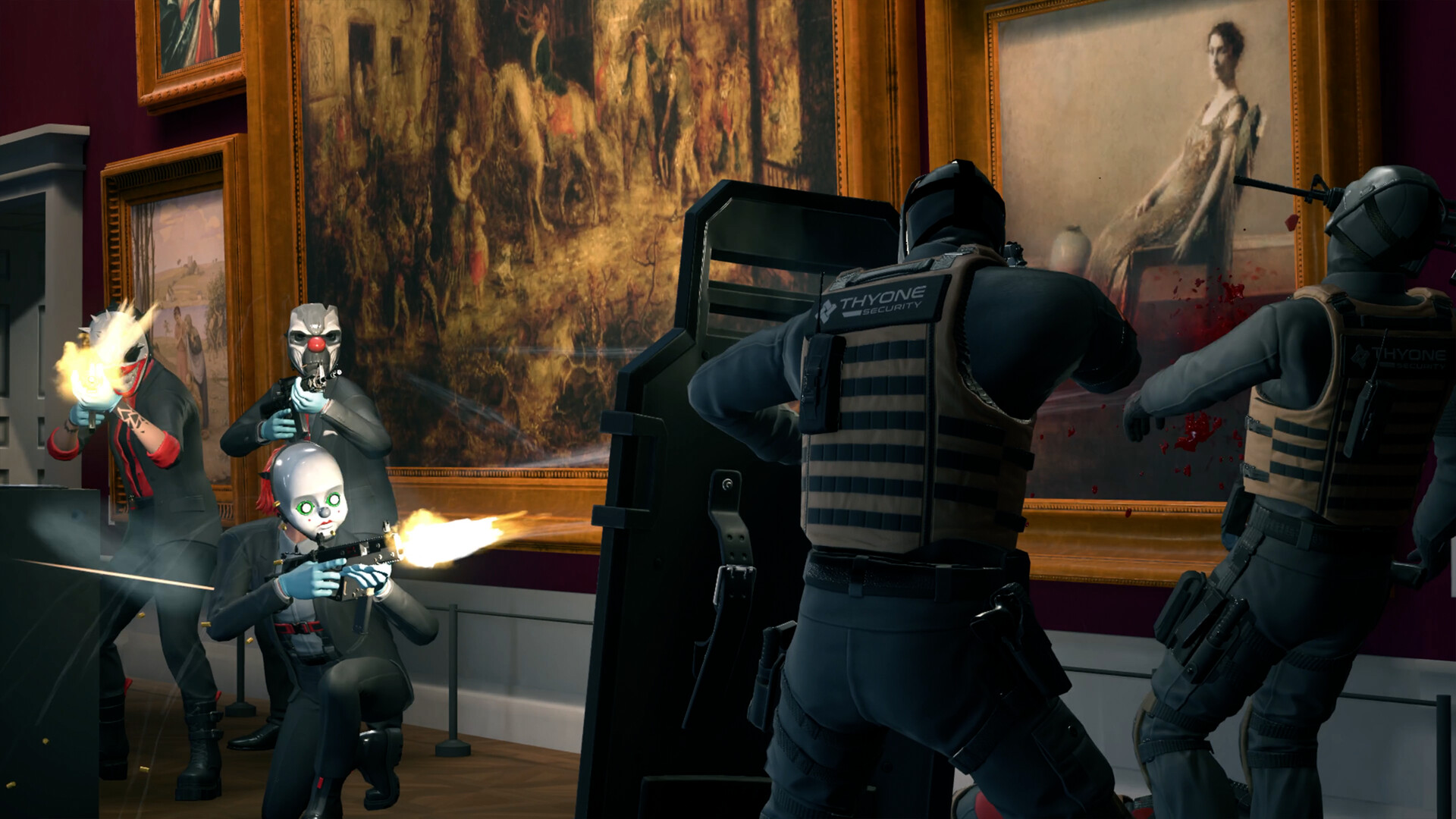
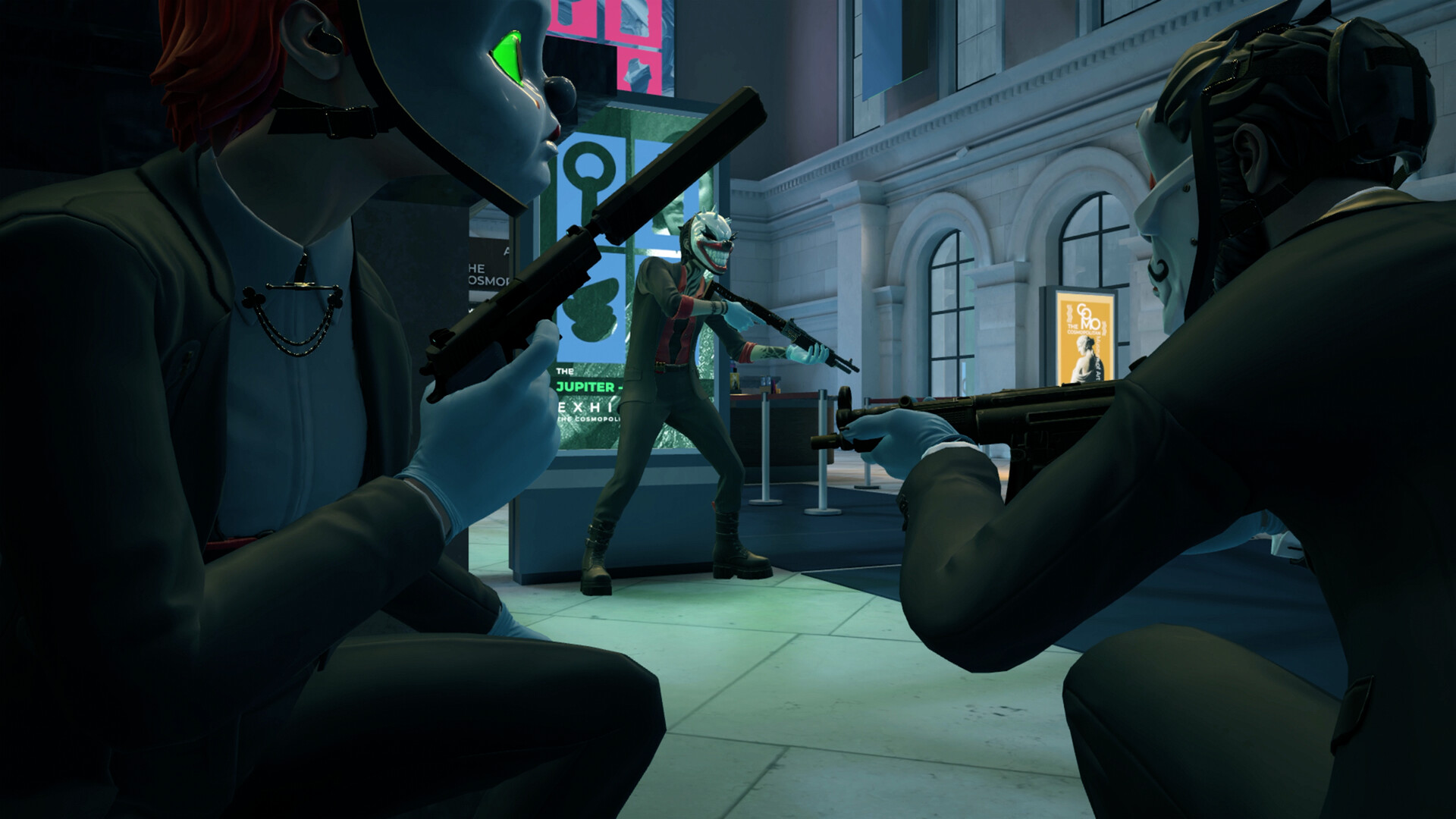
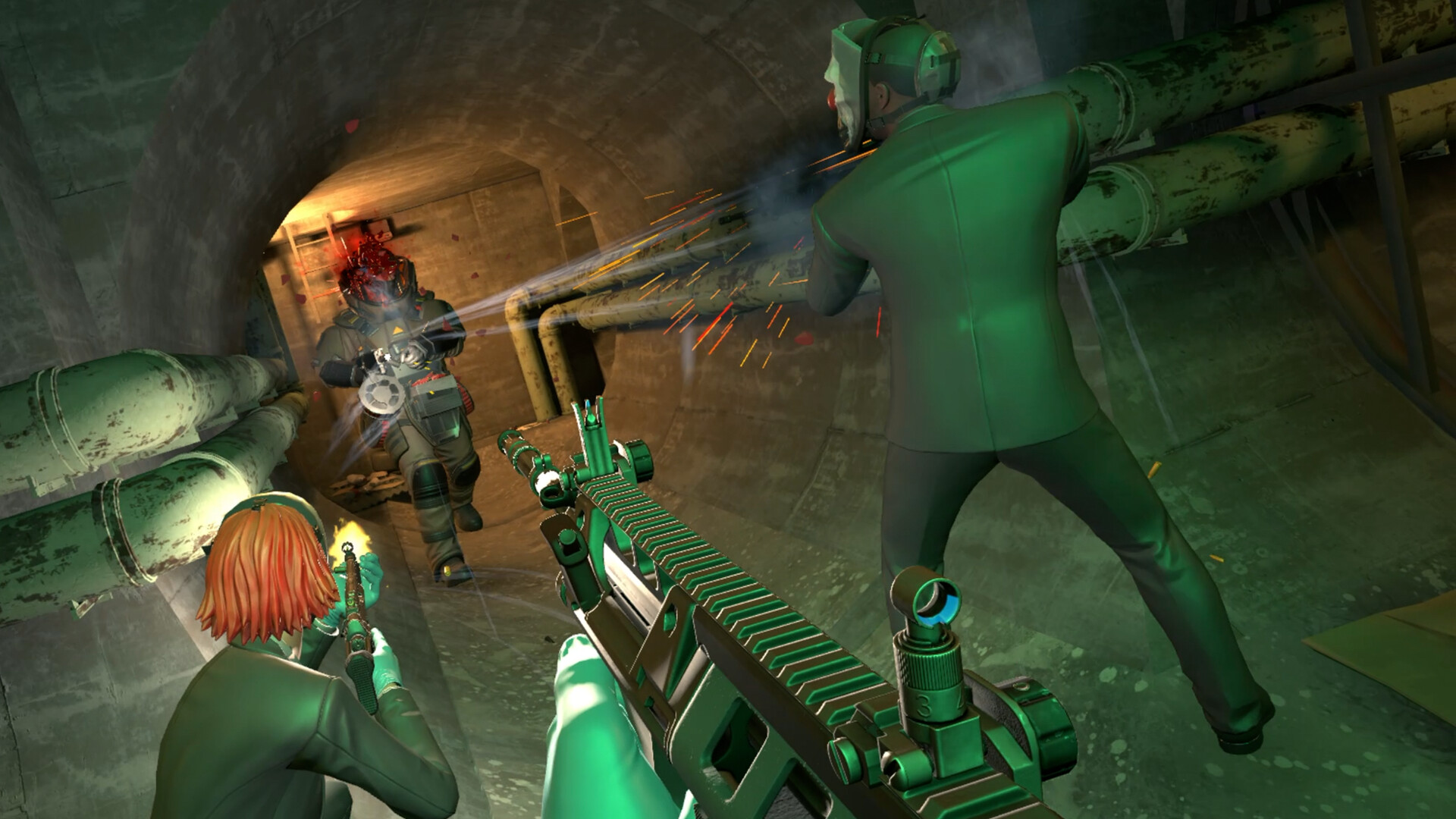
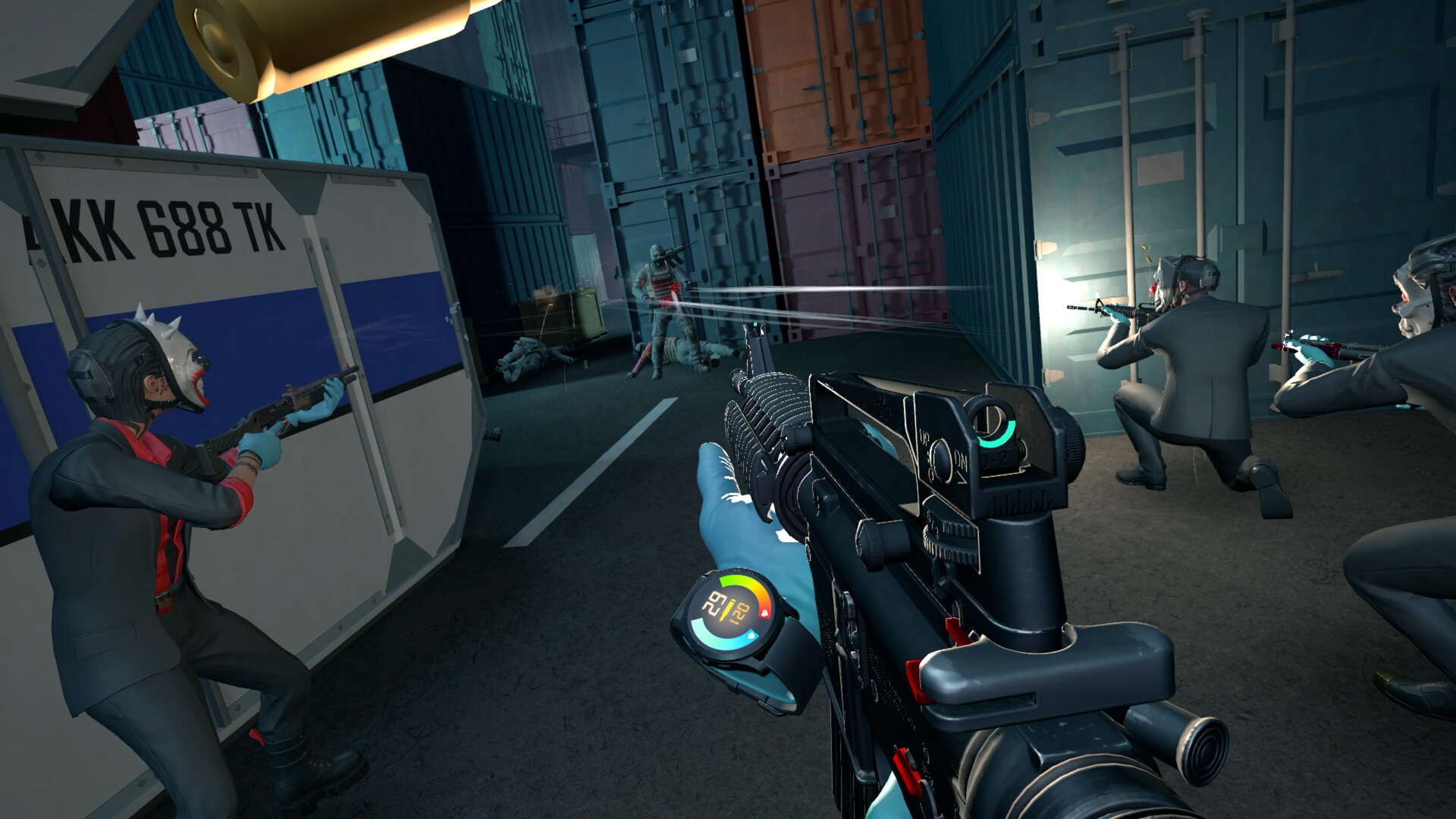
This PAYDAY: Aces High review is an AI-written assessment based on official details and points broadly shared by published reviews, not hands-on play or independent testing.
What it is
PAYDAY: Aces High is a VR co-op heist shooter for up to four players. It is the first PAYDAY game built from the ground up for VR, developed by Fast Travel Games rather than series creator Starbreeze.
The game launches on November 5, 2026, for Meta Quest 3 and 3S, and PC VR through Steam and Steam Frame, with crossplay enabled. The listed price is $24.99, and the game is available on Meta Horizon+.
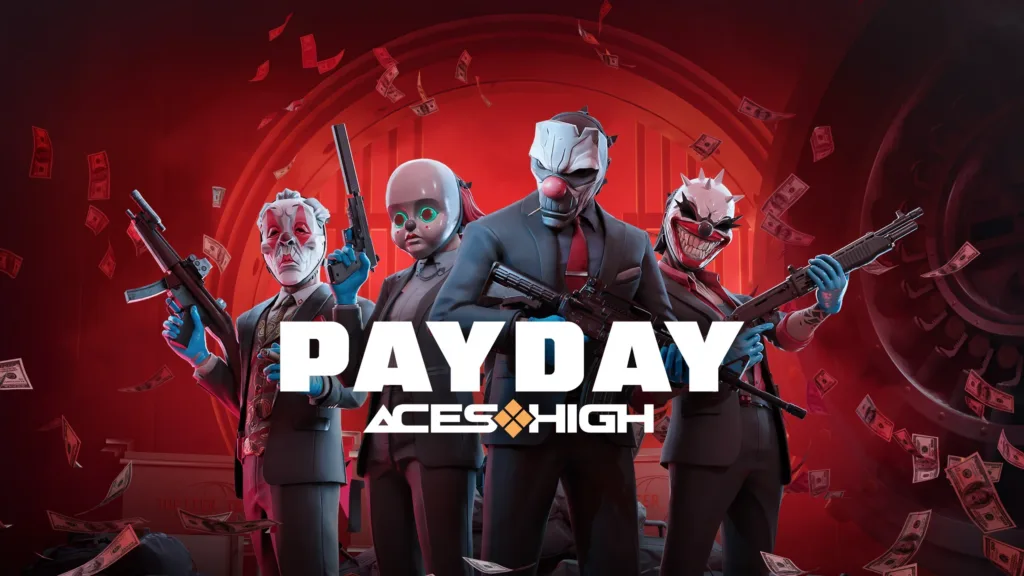
It follows the Aces, four heisters framed by businessman Warren Jupiter. After five years in prison, they escape and target everything Jupiter owns while trying to bring down his empire. The story remains basic, but existing exposition benefits from good voice acting.
The series began with Payday: The Heist in 2011, followed by Payday 2 in 2013. Payday 2 sold over 40 million copies. Payday 3 followed in 2023.
Six heists are available at launch, with a seventh free heist road-mapped for December. Missions include main scores, sub-objectives and environmental puzzles. Common tasks include finding four-digit door codes, locating combination-lock notes, hacking laptops with a special watch, operating a drone-mounted drill and defending capture points.
Strengths
VR makes familiar heist actions physical. Players pull magazines from weapons, sling guns over their shoulders, peek around corners, crouch under fire, operate gadgets, carry loot bags, inject downed teammates with syringes and turn safe dials by hand. UploadVR found this immediacy made the experience feel more like performing a heist than watching one.
Approaches remain flexible. Crews can quietly break in with gadgets, hack security systems, wear a mask and force entry, use stealth, start a loud firefight or combine planning with brute force. Road to VR highlighted mission-specific puzzles and multilayered layouts, while UploadVR praised the range of ways to complete each job.
Each heist uses four-player teams. Bots fill empty slots and replace players who leave during a session. Players can choose weapons, gear, gadgets, skills earned through reputation and deployables without rigid classes. The safehouse includes a briefing table, lounge, shooting range, practice area, shop, character selection and customization.
UploadVR praised the visuals, sound, design and voice acting. Road to VR called it one of Quest's best-looking games, with somewhat higher visual fidelity on PC. Both reviews identify cooperation as central to the strongest version of the game.
Weaknesses
Enemy AI is the largest problem. Road to VR described enemies as ineffective, often firing inaccurately without using cover or clear tactics. This includes armored minigun enemies on Normal difficulty. Higher difficulty appears to improve armor and shooting ability more than behavior.
The weakness is most visible in solo play or with a silent, uncooperative group. Enemies arrive in waves after detection, mask use or civilian contact, but their limited reactions can make them feel like movable puzzle pieces rather than convincing opponents. This damages immersion and makes the solo experience weak.
Firefights can become repetitive. Missions often reduce to completing objectives, surviving large waves, collecting cash, buying gadgets and replaying jobs for more money. Road to VR described this structure as checklist-driven and reported that repeating a mission for about a half-hour caused its group to lose interest.
Other limitations include a basic story, limited enemy tactics and artificial-feeling rules such as glass breaking only when shot. These issues matter less during a coordinated online match, but become harder to ignore when teamwork breaks down.
Who it suits
PAYDAY: Aces High suits players with three friends who want a VR co-op heist shooter built around planning, shared roles and physical interaction. It also suits PAYDAY veterans who want familiar heisting presented through a headset, with drop-in, drop-out support and flexible equipment choices.
It is a poor fit for players seeking a strong solo campaign, sophisticated enemy behavior or a story-led experience. Quick matchmaking may help, especially around launch, but the game depends heavily on cooperative teammates. Players who dislike repeated firefights or checklist-style progression should account for those limits.
How it compares
PAYDAY: Aces High keeps the series' established loop of planning a job, securing loot and escaping under pressure. Its distinction is VR-native interaction: weapons, gadgets, loot, revives and safe-cracking all require physical actions. That gives the familiar formula a more immediate feel than flat-screen PAYDAY.
It is also more mission-focused than story-focused. The Aces, Warren Jupiter and the revenge premise provide context, while mission variety and environmental puzzles carry most of the experience. The result is strongest when four players coordinate, and less convincing when bots or weak enemy behavior take over.
Sources
- UploadVR, “Payday Aces High Review: Lootin' & Scootin' In VR's Best New Co-Op Shooter,” published November 5, 2026.
- Road to VR, “‘PAYDAY: Aces High’ Review – A Card Shy of a Royal Flush,” published November 6, 2026.