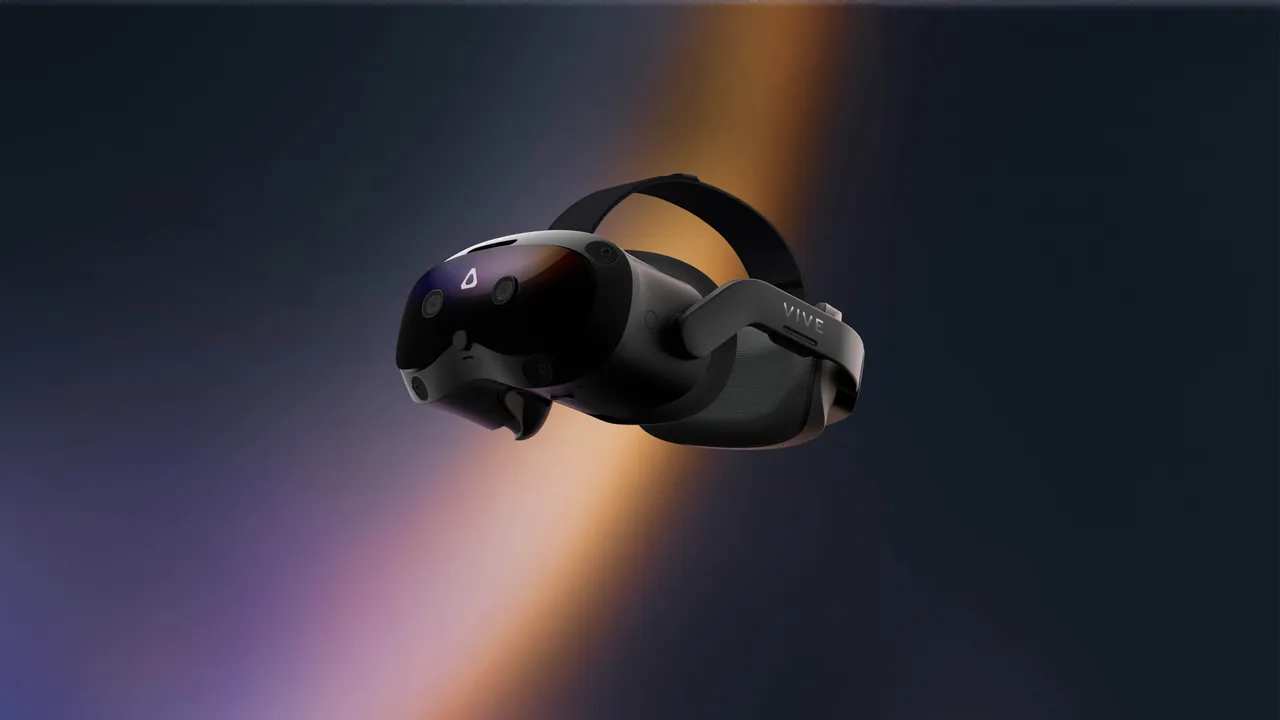
HTC VIVE Focus Vision review: sharp PC VR, but dated lenses and chip
An AI-written assessment of HTC VIVE Focus Vision from official specs and published reviews: sharp 2448 x 2448 displays, lossless DisplayPort PC VR, built-in eye tracking and a hot-swappable battery; Fresnel lenses, a first-gen XR2 chip, a thin standalone library and a high price.
Вердикт
The VIVE Focus Vision delivers sharp, lossless PC VR, standard eye tracking and a practical hot-swap battery design. Fresnel lenses, a first-gen XR2 chip and a sparse standalone library make it a hard sell to consumers at $999, and reviewers see it as strongest for business use.
Разбор оценки
Сильные стороны
- Sharp 2448 x 2448 per-eye displays
- Lossless DisplayPort PC VR mode
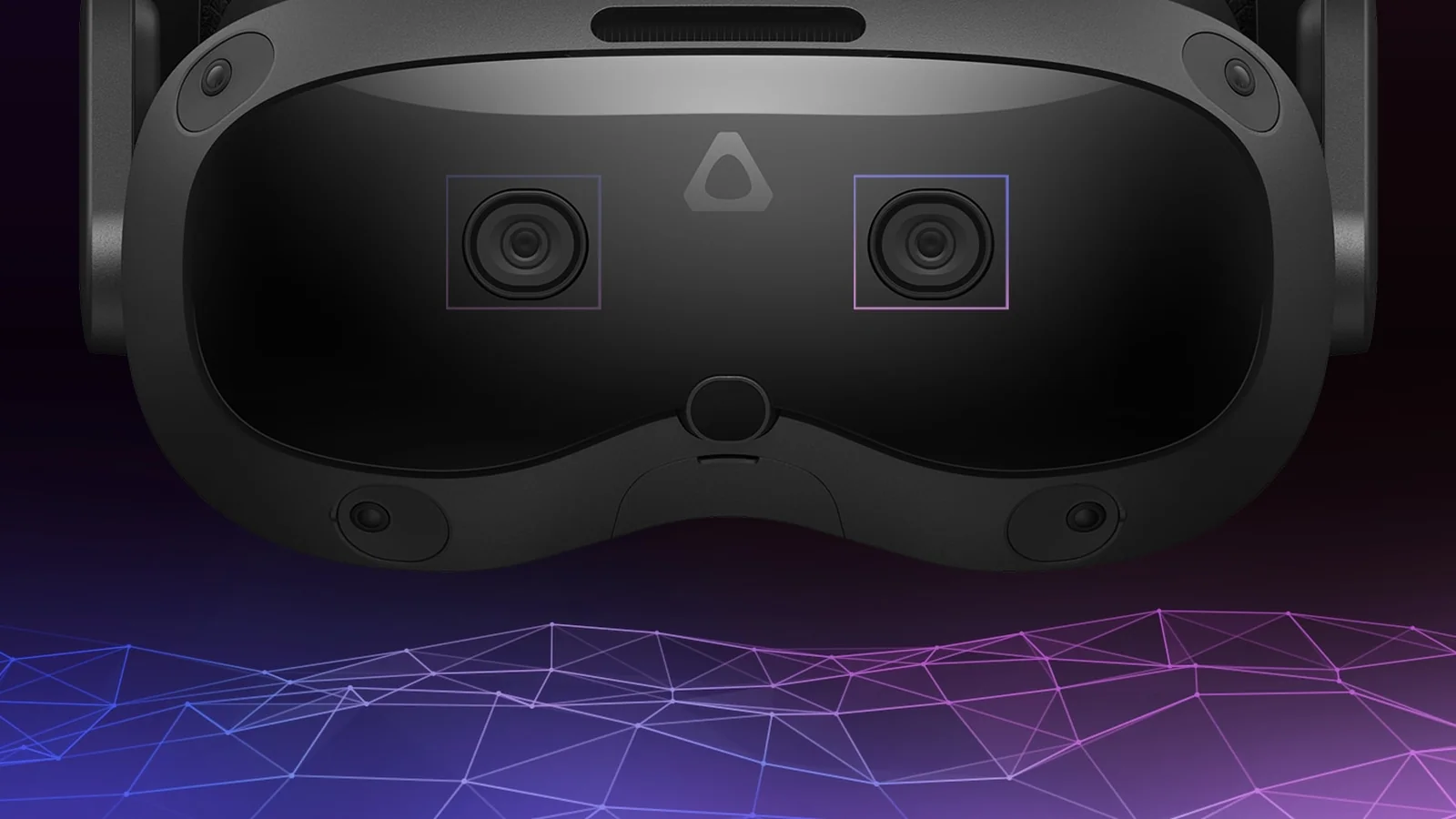
- Built-in eye tracking with automatic IPD
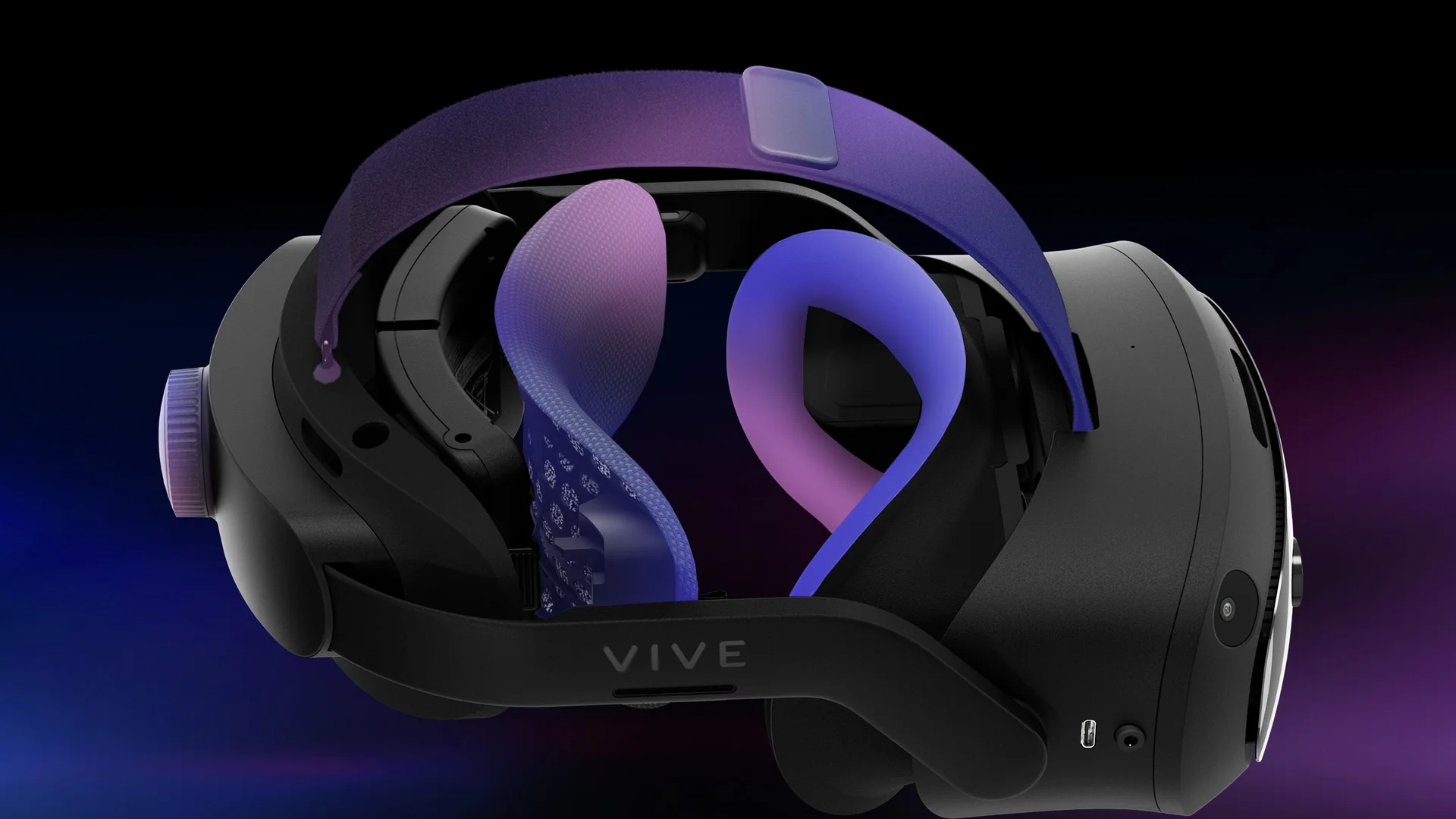
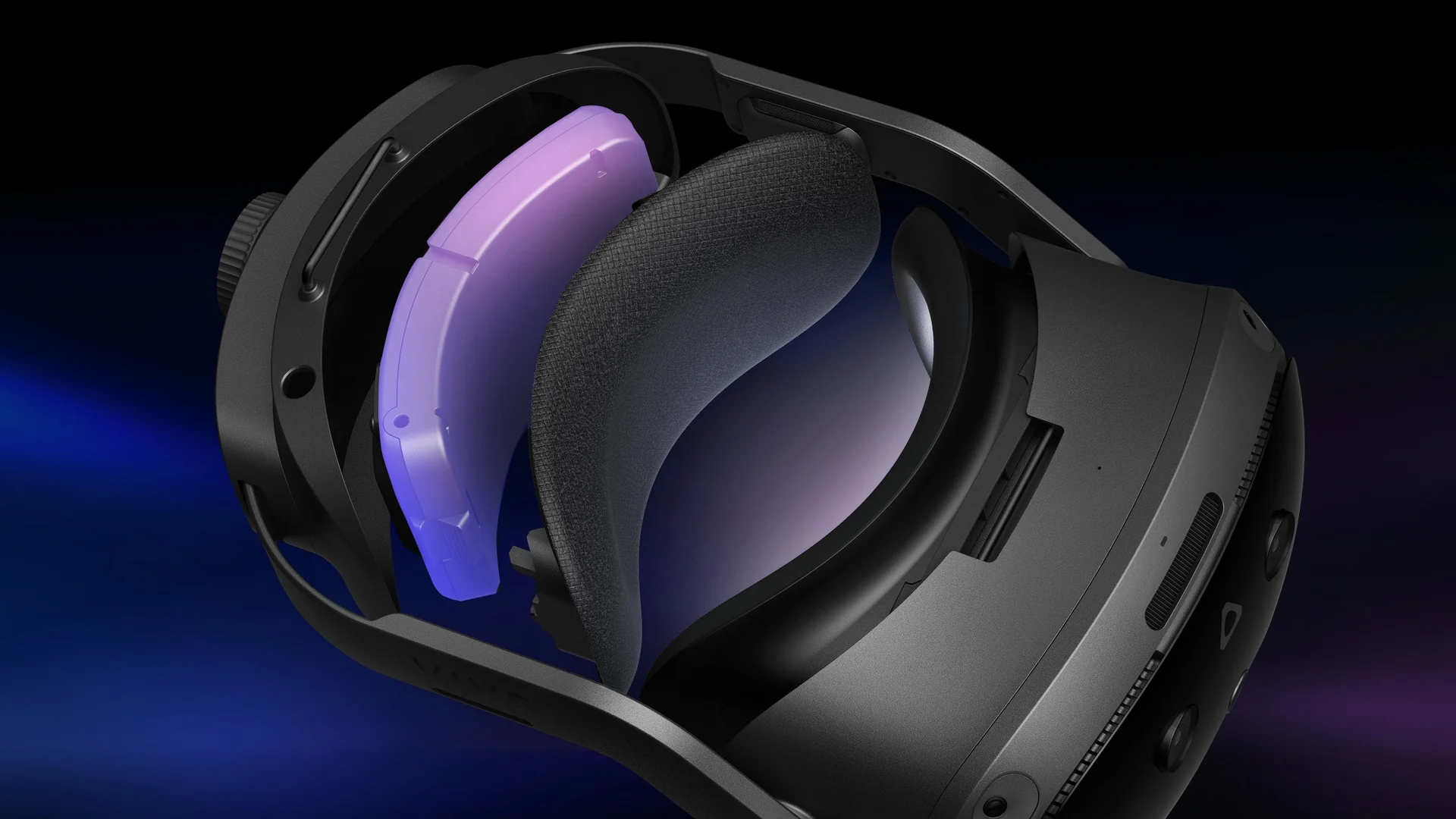
- Hot-swappable rear battery
- Wide field of view
- Sturdy, easy-to-clean design
Слабые стороны
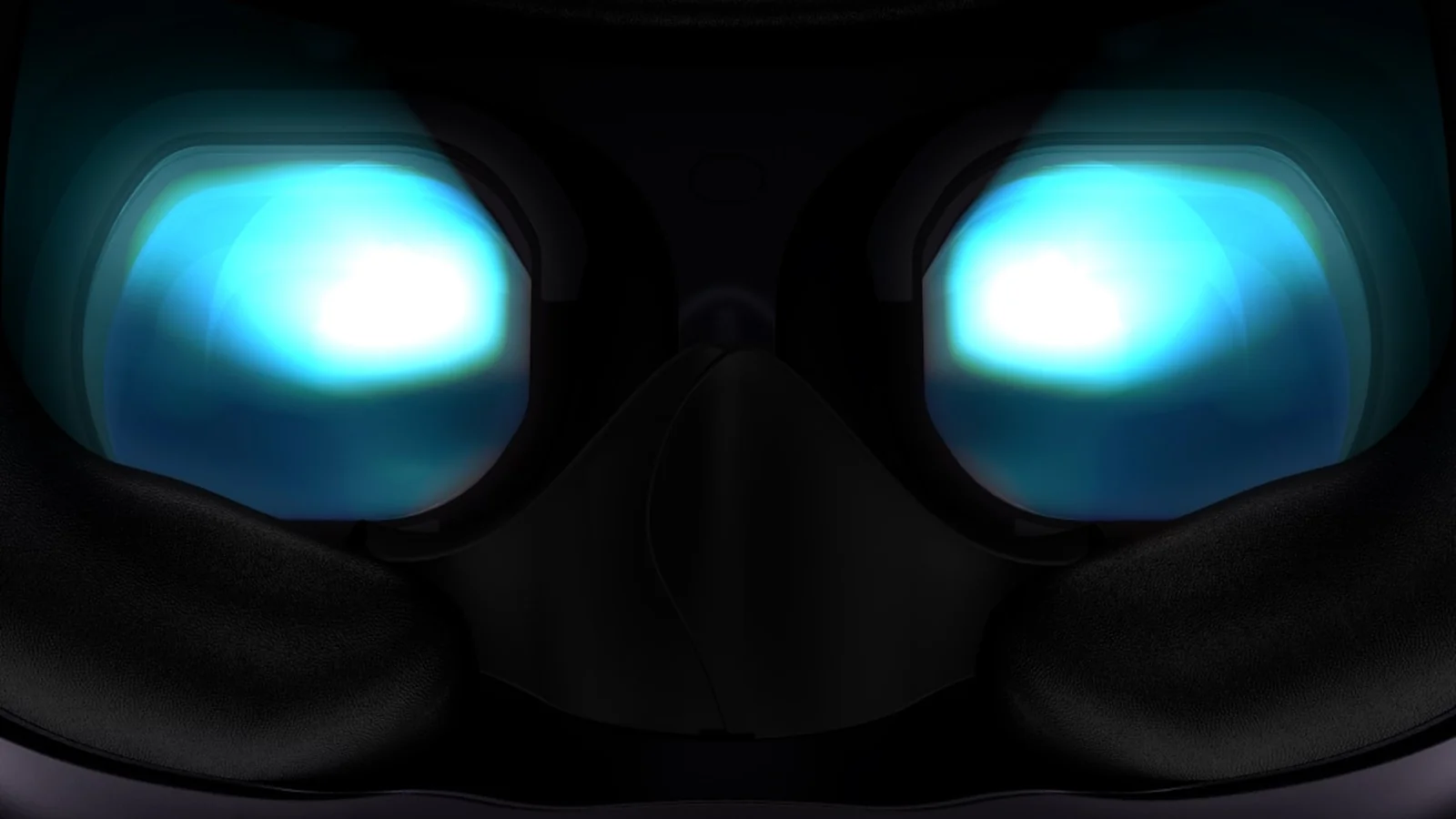
- Fresnel lenses with glare and a small sweet spot
- First-generation Snapdragon XR2
- Thin standalone app library
- DisplayPort kit costs extra
- Battery lasts under two hours
- Rear padding and controllers criticised
Фото
This review is an AI-written assessment. It is based on official specifications and on what published reviews broadly agree on, not on hands-on testing.
What it is
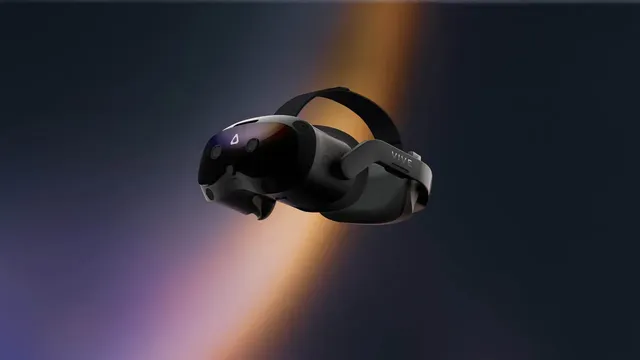
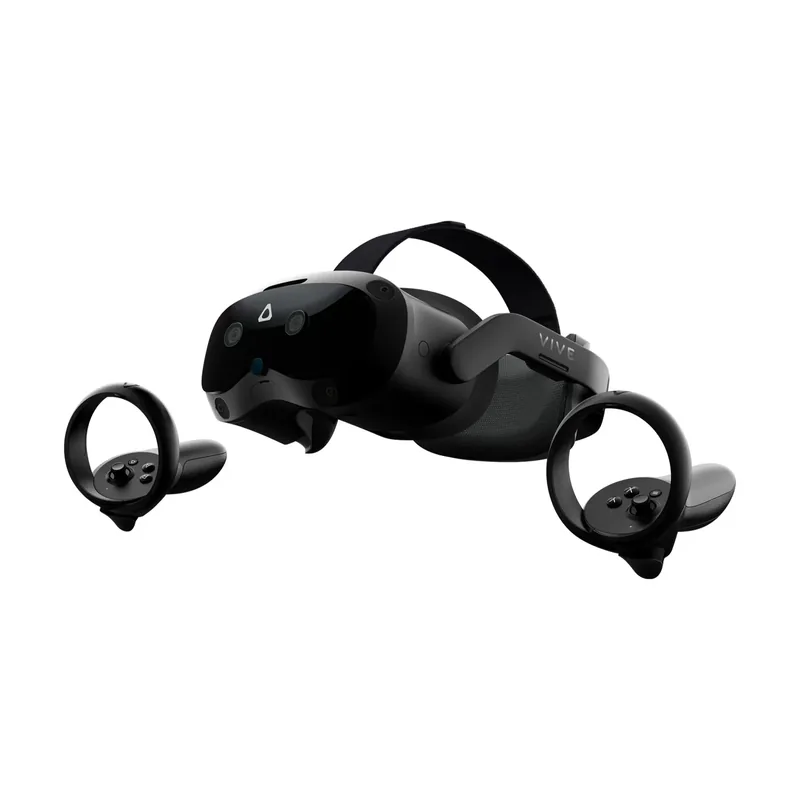
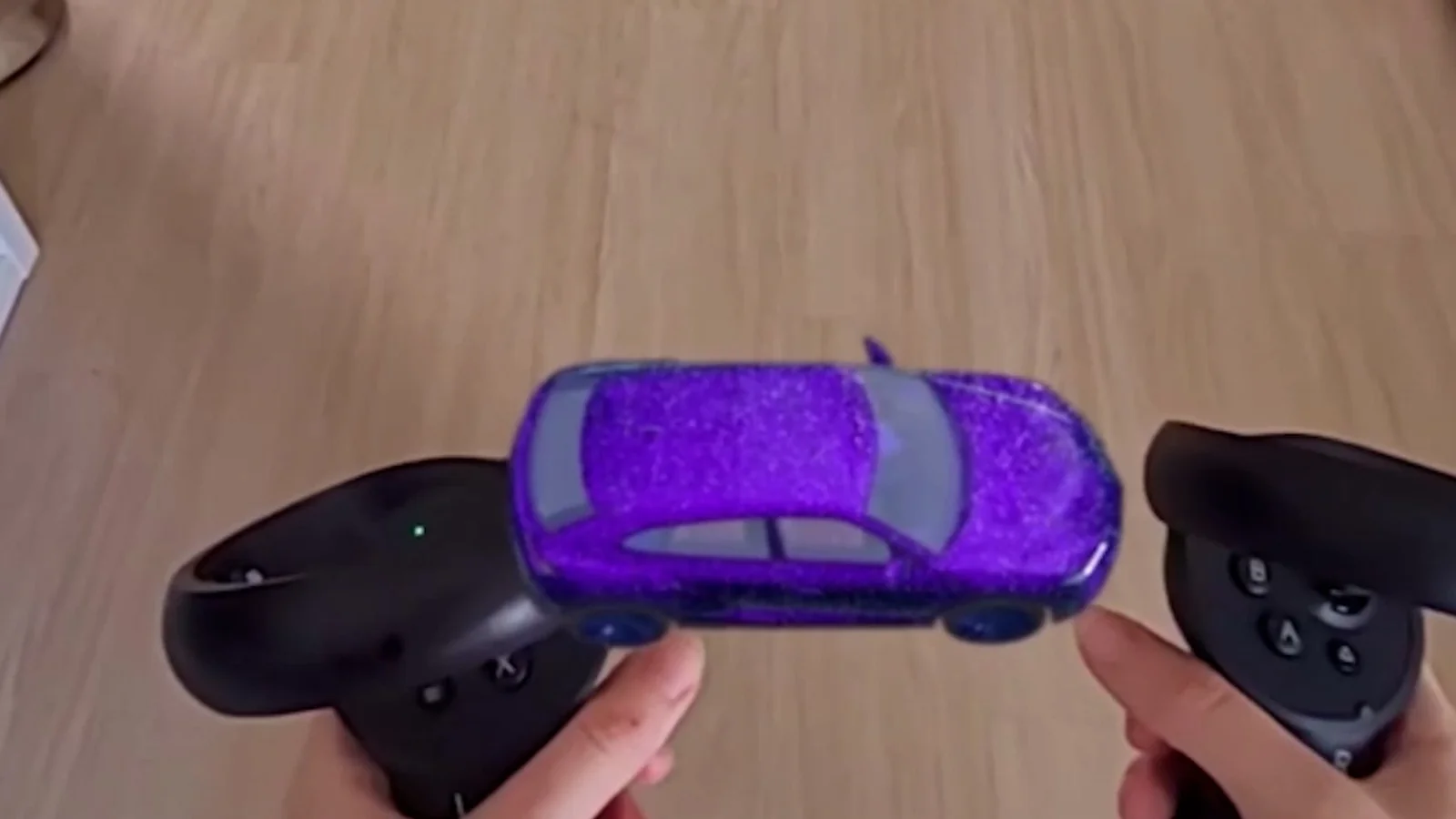
The HTC VIVE Focus Vision is HTC's hybrid headset: a standalone headset that is also pitched at PC VR players. UploadVR describes it as a refresh of the Vive Focus 3 that adds colour passthrough, eye tracking, more RAM and lossless PC VR through a DisplayPort adapter. It launched on 18 October 2024 at $999 / £999, according to TechRadar, and the Wired Streaming Kit that enables DisplayPort mode costs an extra $149 / £159 unless it is bundled in a promotion.
HTC lists two LCD panels at 2448 x 2448 pixels per eye, a field of view of up to 120 degrees, and 120Hz in DisplayPort mode, still marked as beta; reviewers used it at 90Hz. The optics are Fresnel lenses, and built-in eye tracking drives automatic IPD adjustment from 57 to 72mm. Inside is the first-generation Snapdragon XR2 with 12GB of RAM and 128GB of storage, plus microSD up to 2TB. Inside-out tracking covers a play area of up to 10 x 10m. The rear battery is removable and rated for up to two hours, and MIXED notes a small internal battery that keeps the headset running for about 20 minutes during a swap. TechRadar weighed it at 785g.
Strengths
Image sharpness on PC is the main draw. Tom's Guide called the picture quality "mighty" and said the field of view was the widest it had tested. TechRadar found DisplayPort PC VR noticeably better than the Meta Quest 3, and T3 reported "really impressive sharpness and clarity" with a powerful gaming PC. Running Automobilista 2 over DisplayPort, UploadVR saw "genuinely impressive detail" in the centre of the lens, a step above compressed Quest 3 streaming.
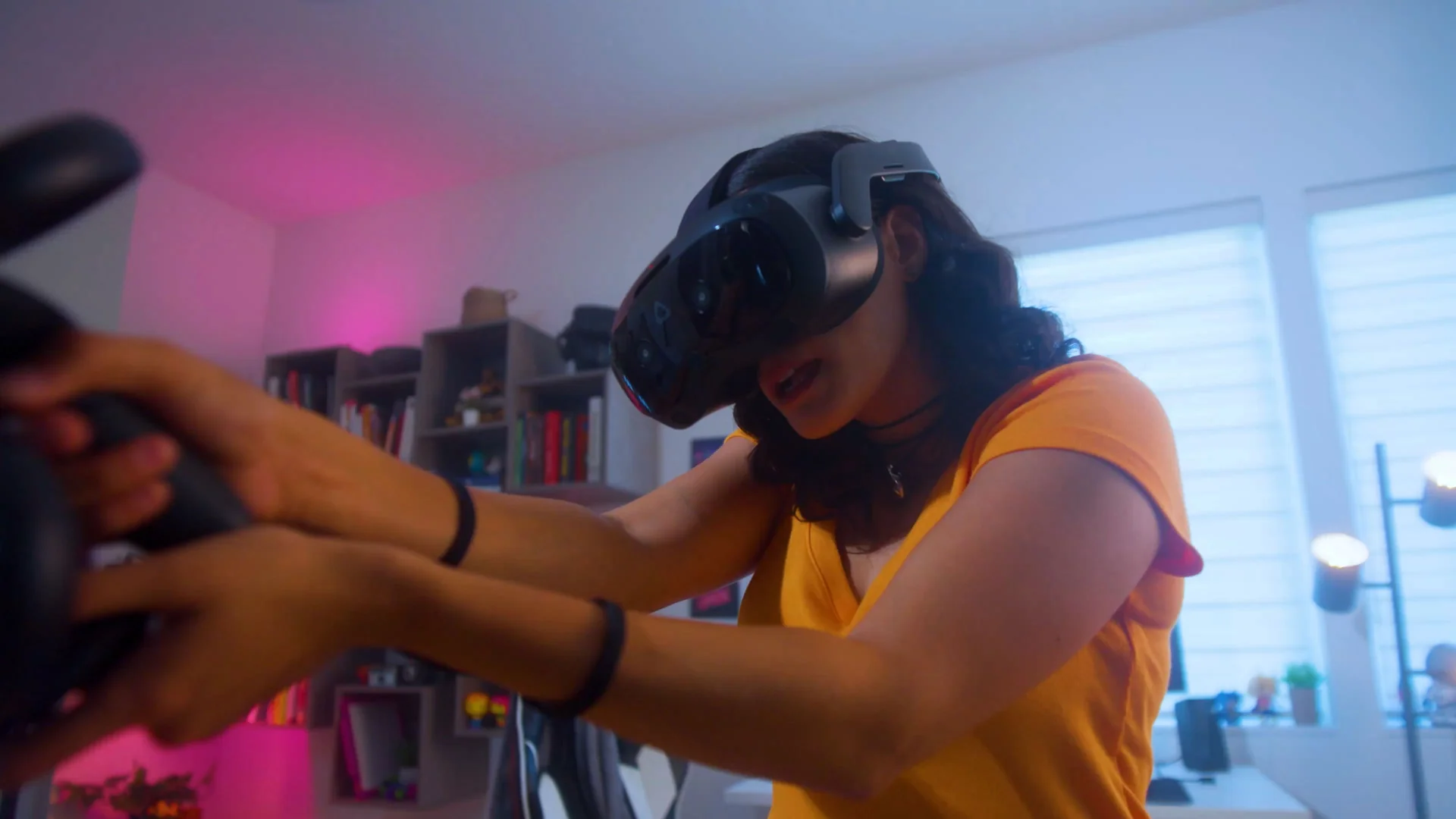
Eye tracking and practical design also score well. Tom's Guide described eye tracking with minimal latency, and MIXED liked that automatic IPD removes calibration time for shared headsets. The hot-swappable battery, easy-to-clean PU leather padding and solid build drew praise from TechRadar and T3. Tom's Guide found it comfortable for hours thanks to the rear battery counterweight. UploadVR points out that eye tracking can also enable foveated rendering in some PC games through third-party tools, and can drive avatar eyes in VRChat.
Weaknesses
The lenses are the most common complaint. Tom's Guide saw edge distortion, chromatic aberration and glare, and called Fresnel lenses at this price "just unacceptable". UploadVR found blur outside the lens centre and glare from the Fresnel rings in dark scenes. MIXED said the small sweet spot still needs manual adjustment.
The older chip holds back standalone use. TechRadar called the XR2 Gen 1 "borderline inexcusable" for a $999 headset in 2024, and Tom's Guide felt the system strain under heavier loads. The standalone library on Viveport is thin; T3 found only a handful of games and apps and quickly moved to SteamVR. Comfort is disputed: TechRadar found the rear pad "paper-thin" and uncomfortable after about 15 minutes, and disliked the chunky controllers. Battery life is just under two hours, and the DisplayPort kit adds to an already high price.
Who it suits
MIXED calls it "a great B2B headset", and that is where reviewers see its strongest case: businesses, location-based venues and training setups that need a durable, shareable headset with standard eye tracking. For consumers, it suits PC VR players who want lossless DisplayPort quality, eye tracking for VRChat and the option of standalone use, and who accept Fresnel optics. Anyone buying mainly for standalone games is better served elsewhere.
How it compares
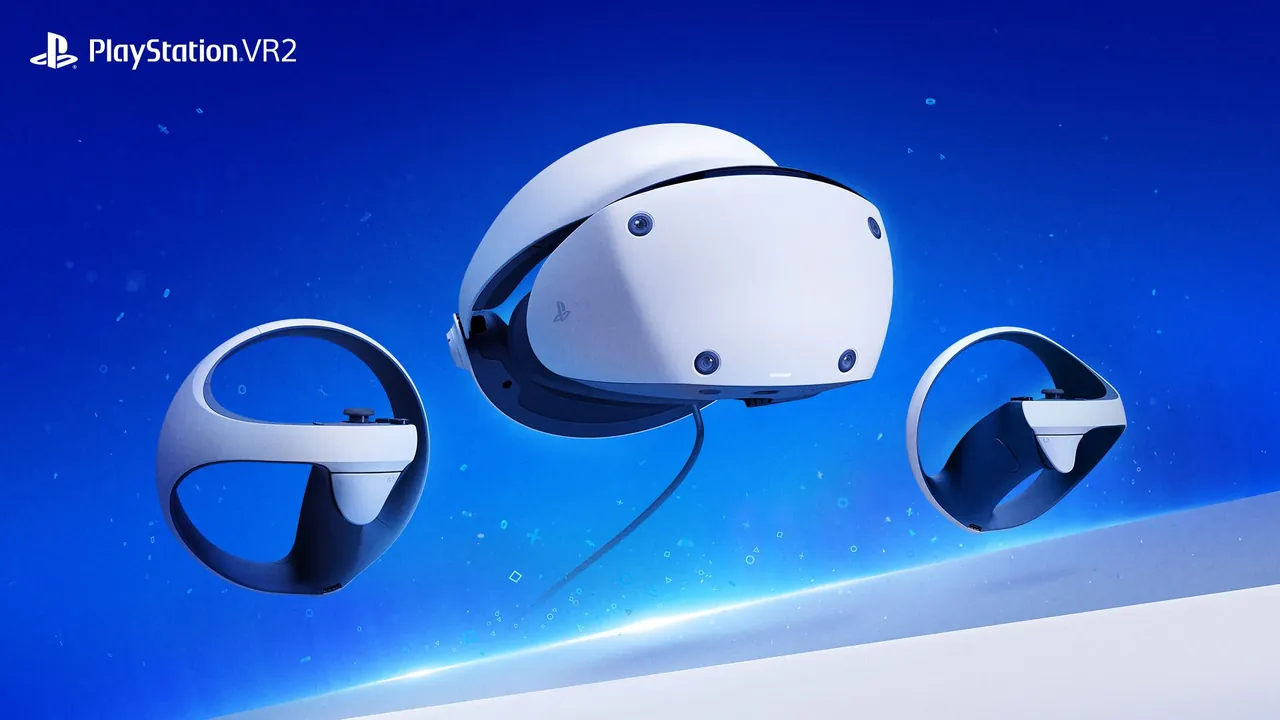
Every consumer review measures it against the Meta Quest 3. T3 noted that Quest 3 gets close for less than half the price, and it has pancake lenses, a newer chip and the much larger Meta Horizon Store library. TechRadar also pointed to the cheaper Meta Quest 3S. For PC VR, Tom's Guide and UploadVR both raised the Sony PlayStation VR2 with its PC adapter, which offers OLED colour and contrast at a fraction of the cost. UploadVR summed up the position as "steep competition" even as a PC VR headset. Scores were middling: Tom's Guide gave it 3.5/5, TechRadar 3/5 and T3 4/5.
Sources
- VIVE: VIVE Focus Vision specifications
- Tom's Guide: HTC Vive Focus Vision review
- TechRadar: HTC Vive Focus Vision review: I had high hopes for this hybrid VR headset, but it left me wanting more
- T3: HTC Vive Focus Vision review: VR perfection?
- UploadVR: Vive Focus Vision Hands-On: Lossless PC VR Through Fresnel Lenses
- MIXED: HTC Vive Focus Vision hands-on: Perfect for business customers, but not for PC VR gamers