
Varjo to move XR-4 Series production to Finland and pilot counter-UAS training
Varjo to move XR-4 Series production to Finland and pilot counter-UAS training, with Espoo assembly planned for January 2027 and a Finnish Defence Forces pilot.
By vrBlogs
· 3 min read · Source: VR.org News
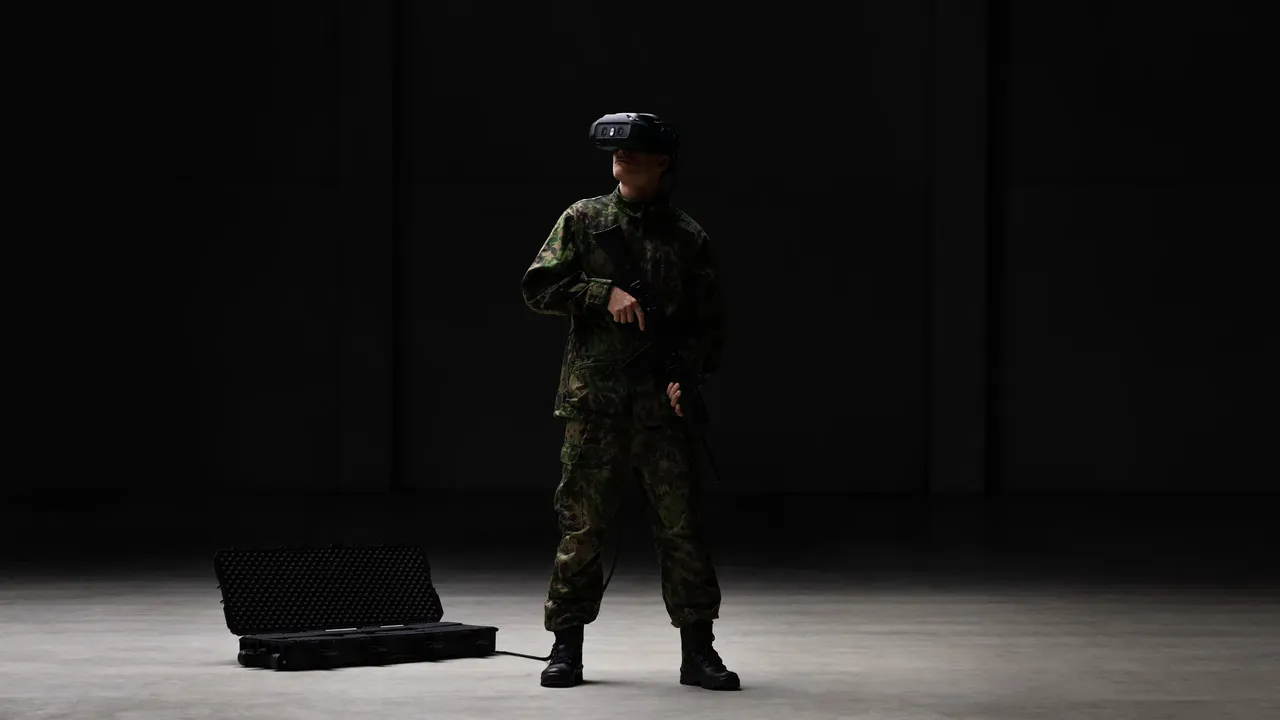
Varjo to move XR-4 Series production to Finland and pilot counter-UAS training are two announcements made on October 29, 2026. Assembly of all XR-4 Series headsets is planned for Varjo’s own facility in Espoo, Finland, from January 2027. Varjo and the Finnish Defence Forces Innovation Unit are also testing and developing virtual counter-uncrewed aerial systems training with a brigade-level unit.
Virtual training for counter-UAS readiness
The pilot uses Varjo XR-4 Series mixed reality headsets. Its aim is to improve soldiers’ ability to prepare for drone threats through training that is realistic, repeatable and readily available. Preparations for the partnership began in February 2026.
The Finnish Defence Forces connects the project with the continuing threat from First Person View (FPV) micro-drone systems and loitering munitions, including battlefield conditions shown by the war in Ukraine. The participating brigade-level unit has not been named.
Varjo says XR-4 provides visual clarity sufficient to train against a five-inch FPV drone at realistic distances. This is Varjo’s own capability statement, not an independent measurement. The announcements do not identify the training software, scenarios or XR-4 configuration used.
Timo Toikkanen, Varjo’s CEO, said the drone threat is one of the critical challenges of the modern battlefield and that training must keep pace with changing conditions. Major Ville Kuparinen, who heads the Finnish Defence Forces Innovation Unit, said virtual technology lets soldiers prepare realistically and repeatedly without consuming real resources. He described the pilot as a way to gain insight into using virtual training more effectively.
The announcements establish a collaboration and test effort, not a confirmed program of record. They do not provide an exact pilot duration, contract value, headset count or personnel count. They also do not establish that performance against a virtual five-inch drone transfers to live operational performance.
XR-4 assembly moves to Espoo
Varjo already manufactures the XR-4 Secure Edition in Finland. During 2027, production of the rest of the XR-4 Series is planned to move to Varjo’s own Finnish manufacturing facility. The reported timing places assembly of every XR-4 Series headset at the Espoo site from January 2027.
Varjo says Finnish production will give it greater control over manufacturing and reduce supply-chain disruption risk for the company and its customers. The move also brings research, product development, assembly and field support into one Finnish value chain. Varjo links this structure with its ability to scale production as demand for XR technologies grows in Europe and NATO.
Finland is a NATO member state. Varjo says its XR-4 development, manufacturing and support processes are ISO 27001-certified. It also says all headsets manufactured in Finland will comply with the Trade Agreements Act, the United States law governing which countries’ products federal agencies may buy.
The XR-4 Secure Edition is available in a fully offline configuration with no radio components. That configuration supports deployment in air-gapped and classified environments. Varjo has not disclosed the Espoo line’s output, investment, headcount or production targets, so the scale of the manufacturing operation remains unknown.
Varjo says its technology is deployed across more than 120 defense programs in NATO and allied nations. That figure comes from Varjo and has not been independently audited. Toikkanen linked the production decision to what he described as fast-growing demand for secure, European-made XR and to European technology sovereignty.
Part of Varjo’s defence strategy
The training pilot and production decision continue a defence-focused direction that Varjo has presented publicly. In October 2025, the company said it would invest more than 40 million euros in next-generation defence technologies. Rheinmetall became a partner the following month.
Trade coverage followed the October 2026 announcements. Unmanned Airspace reported the counter-UAS project on October 30, 2026. Soldier Systems Daily followed on November 2, Auganix reported it on November 4, and VR.org News published its report on November 6, 2026.
VR.org News described the training pilot and production move together as evidence that Varjo has rebuilt its business around defence procurement. Its report also placed the announcements within Varjo’s broader strategy and referred to further ready-to-deploy systems in February 2026 without providing a complete description.
The two developments have different immediate purposes. The Finnish Defence Forces collaboration tests virtual counter-UAS training with XR-4 headsets, while the manufacturing decision shifts all XR-4 Series assembly to Espoo. Preparations for the pilot began in February 2026; the planned production start is January 2027.
Enjoyed this story?
Like it to tell the editors, or save it to read later.



Comments
Sign in to join the conversation.
Sign inNo comments yet. Start the conversation.
·