
Quest 3D Movie Rentals Bring Billie Eilish Film to TV App
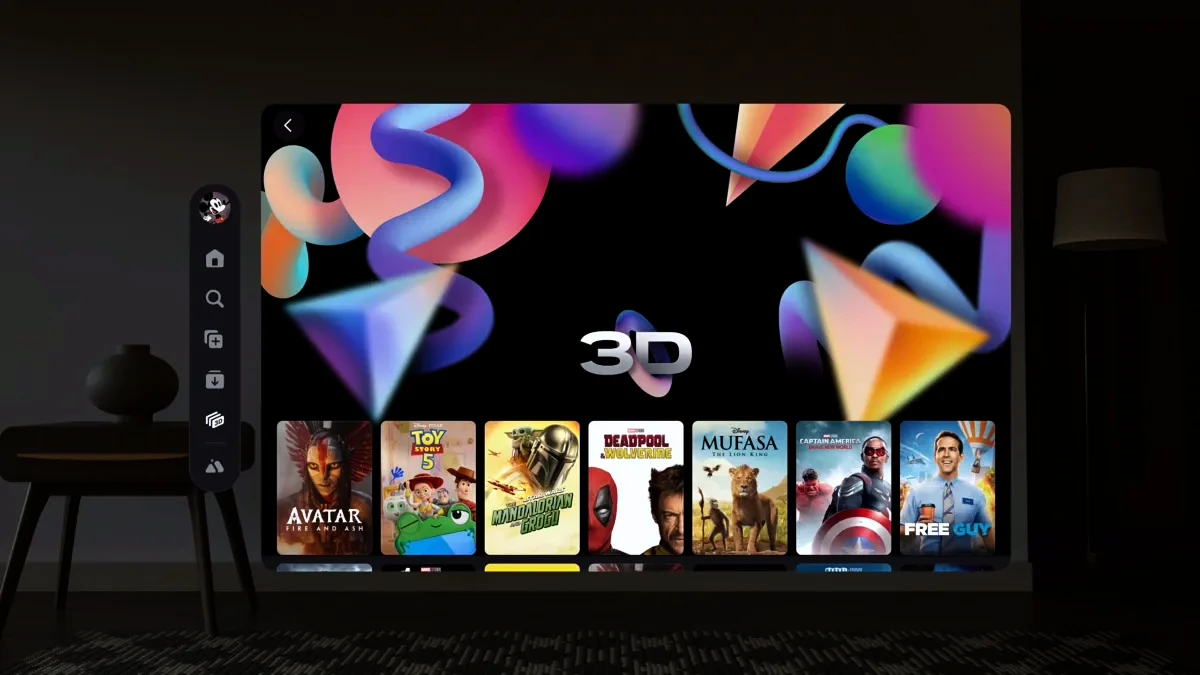
Quest 3 and Quest 3S owners in the US can rent or buy more than 150 3D films in Meta’s TV app, including Billie Eilish’s concert film through 2026.
By vrBlogs
· 4 min read · Source: VR.org News
Quest 3D movie rentals and purchases are now available to Quest 3 and Quest 3S owners in the US through Meta’s TV app. The catalog contains more than 150 films, including Billie Eilish’s HIT ME HARD AND SOFT: THE TOUR, which is available exclusively in 3D on Quest through December 31, 2026.
UploadVR reports that Meta announced the rollout after saying at Meta Connect 2026 in September that hundreds of movies would arrive on Quest in late 2026. Meta said the catalog would eventually grow to thousands of titles and become available internationally when Meta VR Glasses launch in spring 2027.
More than 150 films in the Quest TV app
The listed catalog includes Avatar, Spider-Man: Far From Home, Jurassic World Rebirth and Wicked: For Good. UploadVR had previously reported limited 3D movie listings in the TV app, with the early selection appearing to consist mainly of Disney-owned films. Those titles could be purchased through the Meta Horizon Store without an active Disney+ subscription.
Meta recommends watching films in its Theater environment, which began rolling out with Horizon OS 2.10. Selecting Theater temporarily replaces the usual VR Home environment with a large theater-style room featuring high-resolution textures. The environment appears to use real-time dynamic lighting based on the content being played.
Theater is rolling out separately from the Horizon OS software update. Individual headset owners may therefore wait weeks or months for access after installing the update.
Billie Eilish concert film leads launch
Billie Eilish – Hit Me Hard and Soft: The Tour (Live in 3D) was co-directed by Billie Eilish and James Cameron. It is available to rent or buy in 3D exclusively on Meta Quest through December 31, 2026. Meta says the film is also coming to Meta VR Glasses in 2027.
Eilish first hinted at the project in July 2025 during a performance in the UK on her Hit Me Hard and Soft tour. She told the audience they might have noticed more cameras than usual and said she was working on something “very special” in 3D with Cameron, who she said was in attendance.
The film reached theaters on May 8, 2026. It was produced by Lightstorm Earth, Darkroom Films and Interscope Films. Cameron’s Lightstorm Vision team developed the system used to capture its 3D footage.
The concert uses a 360-degree stage surrounded by the audience. According to Meta’s reported description, Lightstorm Vision developed a long-range 3D filming system that captured close-up footage without placing cameras between Eilish and her fans. A second 3D camera on stage placed viewers beside her.
The film opened in US theaters on 2,613 screens. It earned $9.9 million domestically and about $25.8 million worldwide against a $20 million production budget, according to The Numbers as cited in the reports. IndieWire reported that about 88 percent of the audience watched in 3D after opening weekend. The film has also streamed on Paramount+ since August 6, according to Deadline.
What Meta’s video terms cover
VR.org News reports that Meta’s Supplemental Video Terms define a purchase as a limited, revocable license rather than ownership of the video. The terms say access will typically continue only while Meta retains the rights needed to provide the content.
Meta’s post did not name prices. Variety reported that most titles cost $16.99 to buy and $6.99 to rent, with prices varying by title. A rental typically gives viewers 30 days to start the film and 48 hours to finish it, according to Meta’s help information cited by VR.org News. TV episodes cannot be bought yet.
Purchased and rented films are currently available for streaming only. The TV app does not support downloads, so watching a purchased film during a flight requires an internet connection. An account can register up to five video devices, with no more than three additions or removals during any rolling 90-day period. A purchased title can play on one stream at a time.
If a Meta account is suspended, disabled, deleted, cancelled or terminated, its owner immediately loses access to all video content, including purchased titles. Refunds cover two cases before playback starts: a request made within 48 hours because the transaction was a mistake, or a verified technical fault in the TV app.
The terms also allow a film to become unavailable because Meta’s rights expire, the content is withdrawn or a content provider imposes restrictions. Meta and studios do not promise credit or replacement access in that situation. Meta may still issue refunds, discounts, credits or other monetary relief at its discretion, but the terms describe that payment as a courtesy rather than an obligation.
Quest has offered movie stores before
Road to VR notes that this is not Quest’s first movie-rental service. Starting in early 2016, Oculus Video on Rift and Samsung Gear VR/Oculus Go allowed users to rent and buy films. Licensing agreements with 20th Century Fox and Lionsgate gave that service hundreds of titles.
Oculus Video stopped selling and renting films on Rift in October 2018. Customers kept access until November 20, 2018, and buyers were reimbursed. The Gear VR service followed on March 31, 2020; rented and purchased films stopped playing, and owners were promised store credit equal to what they had paid for purchased titles.
Meta’s new Quest TV offering arrives alongside its planned expansion toward Meta VR Glasses. The company has described those glasses as a 2027 premium XR device for professionals and prosumers, priced at $1,300. Meta expects users to want traditional video and more casual “mid-core” VR games alongside work-focused applications.
In December 2024, Cameron announced an exclusive multi-year partnership between Meta and Lightstorm Vision. Meta said the partnership would cover 3D experiences across live sports, concerts, feature films and TV series featuring major intellectual property. Lightstorm Vision says its goal is to make stereoscopic production as straightforward as traditional 2D production while lowering the difficulty and cost of creating and distributing 3D content.
Enjoyed this story?
Like it to tell the editors, or save it to read later.
Comments
Sign in to join the conversation.
Sign inNo comments yet. Start the conversation.
·